Indian Recipes
Spiced Chickpea and Tomato Curry
Last updated: September 30, 2026
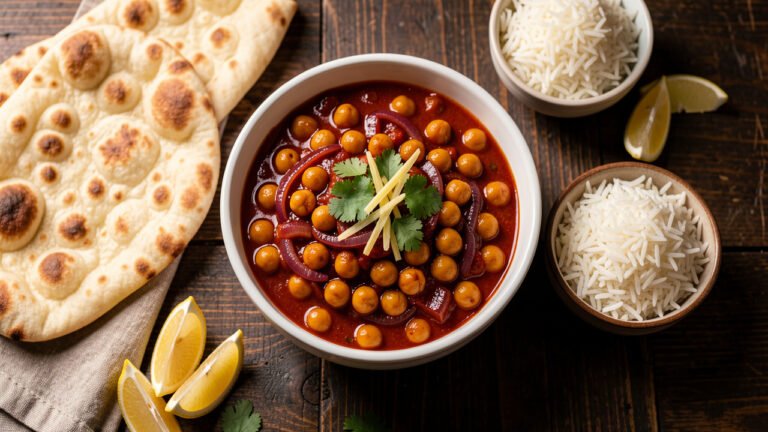
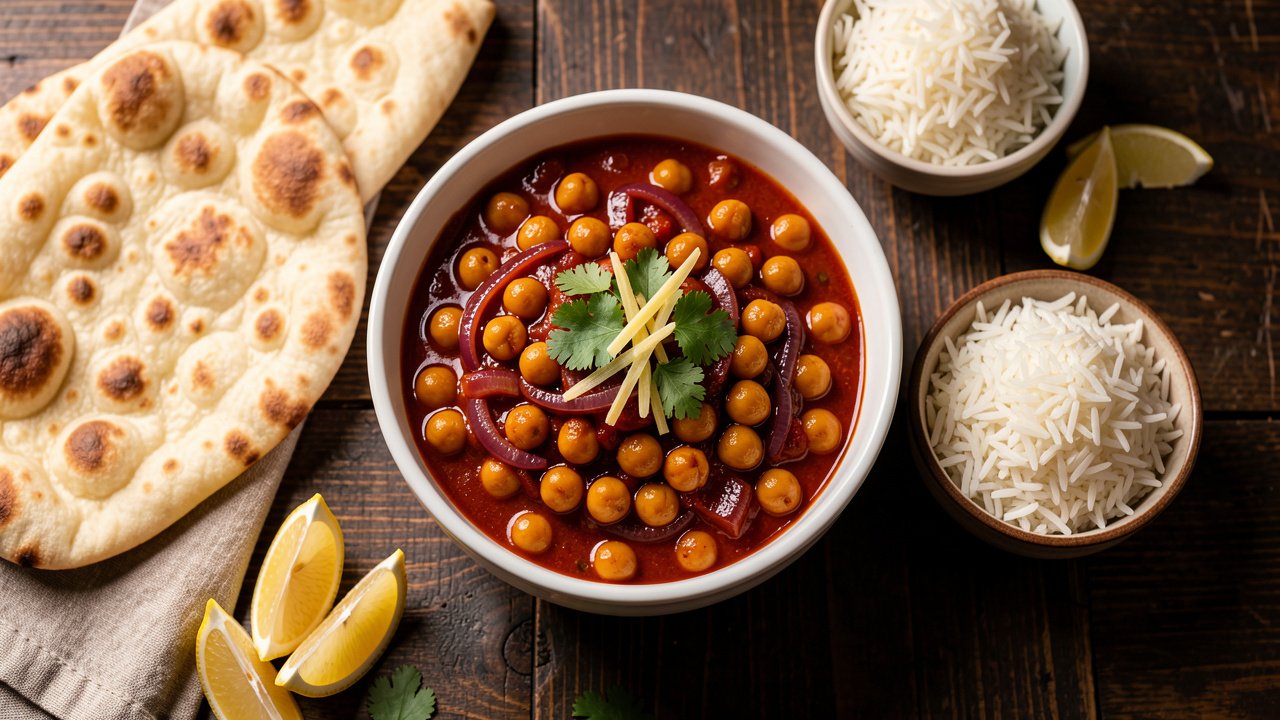
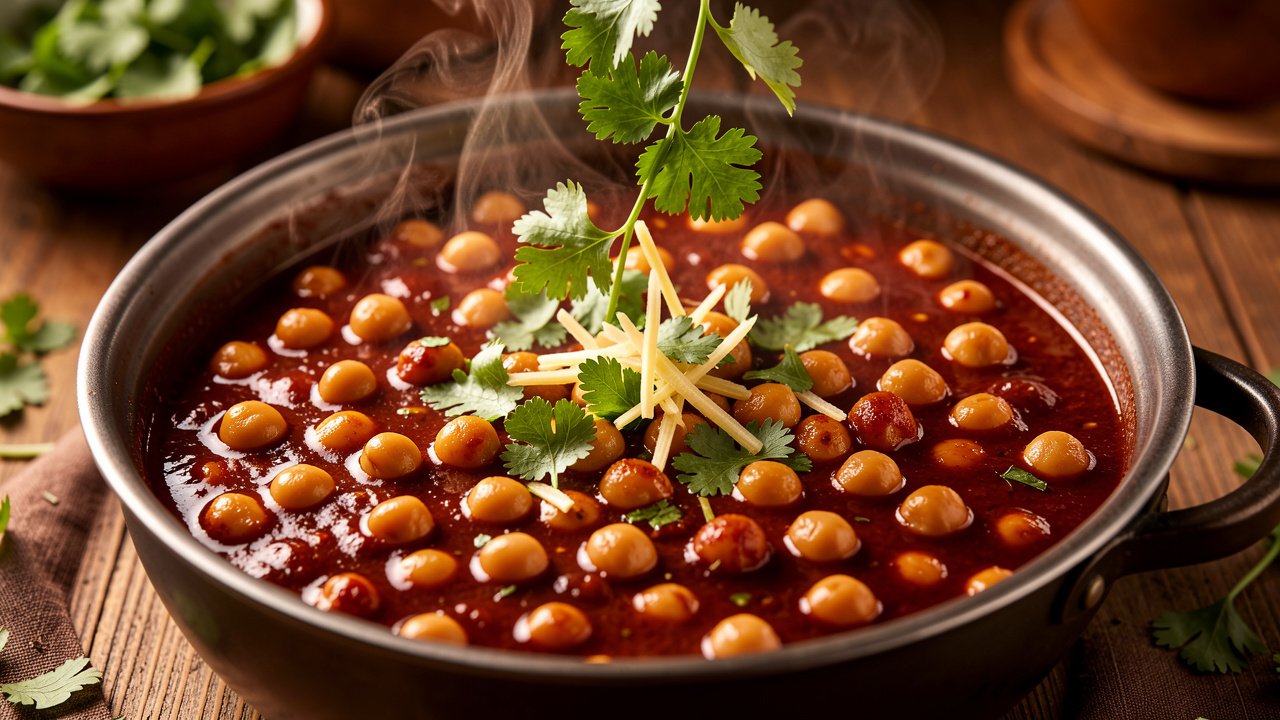
Chana masala is the chickpea curry that anchors countless Indian meals, from a quick weeknight dinner to a festive spread. Onions and tomatoes are cooked down into a deep, jammy masala, warm ground spices bloom in the oil, and chickpeas simmer in it until every one is coated and glossy. A finishing pinch of amchur, dried mango powder, lifts the whole pot with a bright, tangy sourness that sets this dish apart.
Why This Chana Masala Works
Great chana masala is built on a properly cooked masala base, not a quick tomato sauce. The onions are browned patiently until sweet and golden, then the tomatoes are cooked all the way down until the oil separates and pools at the edges. That moment, when the fat splits back out from the paste, is the traditional sign that the base is done and no longer tastes raw.
The spices matter as much as the technique. Ground cumin and coriander give the earthy backbone, turmeric adds color and warmth, and garam masala brings sweet-warm depth at the finish. None of it works without the sour lift of amchur, the dried green-mango powder that gives chana masala its characteristic tang and keeps a rich, oily gravy tasting bright.
Chickpeas are forgiving, which is why this dish is so reliable. Canned chickpeas make it a weeknight meal, while dried chickpeas soaked overnight give a firmer bite and a nuttier flavor. Either way, letting them simmer in the masala for a few extra minutes lets them drink up the sauce, so the flavor is inside each chickpea and not just clinging to the outside.
It is also endlessly adaptable and naturally vegan, so it fits almost any table. Loosen it with more water for a soupy curry to ladle over rice, or cook it down thick and dry to scoop up with bread. Once the masala method is second nature, you can adjust the heat, tang, and consistency to taste without measuring at all.
Pro observation: The masala base is ready for the chickpeas when you see a thin rim of oil separate around the edge of the paste. If the mixture still looks wet and raw, keep cooking; rushing this step is the top cause of a flat, one-note gravy.
Ingredients
Kitchen Measurement Converter
Need to convert an amount while you measure? Pick a category, enter a value, and the result updates instantly.
Ingredient Notes & Substitutions
Chickpeas
Canned chickpeas make this fast; drain and rinse them well to wash off the tinny brine. For the best texture, use dried chickpeas soaked overnight and boiled until tender. Two cans equal roughly one cup of dried chickpeas once cooked.
Tomatoes
Ripe, red tomatoes pureed smooth give the sweetest, deepest gravy. Out of season, a cup of canned crushed tomatoes is a dependable stand-in. The riper the tomato, the less amchur you will need to balance it.
Amchur & Spices
Amchur, dried green-mango powder, is the signature tang. If you cannot find it, a squeeze of lemon or a spoon of pomegranate powder at the end works well. Toast whole cumin and coriander and grind fresh for the boldest flavor.
Aromatics & Heat
Ginger and garlic build the savory base, and a chopped green chili stirred in with them adds gentle heat. Adjust the chili to taste, and finish with plenty of fresh cilantro for a grassy lift against the rich masala.
Equipment
- Heavy pot or kadai
- Wooden spoon or spatula
- Sharp knife and board
- Blender or grater
- Measuring spoons
- Can opener and colander
Before You Start
1. Chop the onions fine and budget ten real minutes for them. Coarse chunks brown unevenly and stay visible in the gravy, while fine pieces melt into the masala. Deep gold, not translucent, is what gives the curry its body, so plan the time instead of cranking the heat.
2. Rinse the chickpeas, then bite one. Rinsing washes off the salty, metallic can brine. If they are still firm or chalky, simmer them 10 minutes in plain water first, because the acidic tomato masala will stop them from softening any further.
3. Keep the amchur and garam masala in their own little dish. Cumin, coriander and turmeric go in early to bloom; amchur and garam masala go in only for the last two minutes. Mix them all in one bowl and the tang and perfume get fried off at the start.
Step-by-Step Instructions
Chana masala rewards patience at the base and speed at the end, so chop the onions, puree the tomatoes, and measure the spices before you turn on the heat. Warm your rice or bread while the curry simmers so everything reaches the table together.
Prep and Measure
Finely chop the onions, mince the garlic, and grate the ginger. Puree the tomatoes smooth in a blender, or grate them on the coarse side of a box grater. Drain and rinse the chickpeas well. Measure the cumin, coriander, turmeric, garam masala, and amchur into a small bowl so they are ready to add quickly.
Brown the Onions
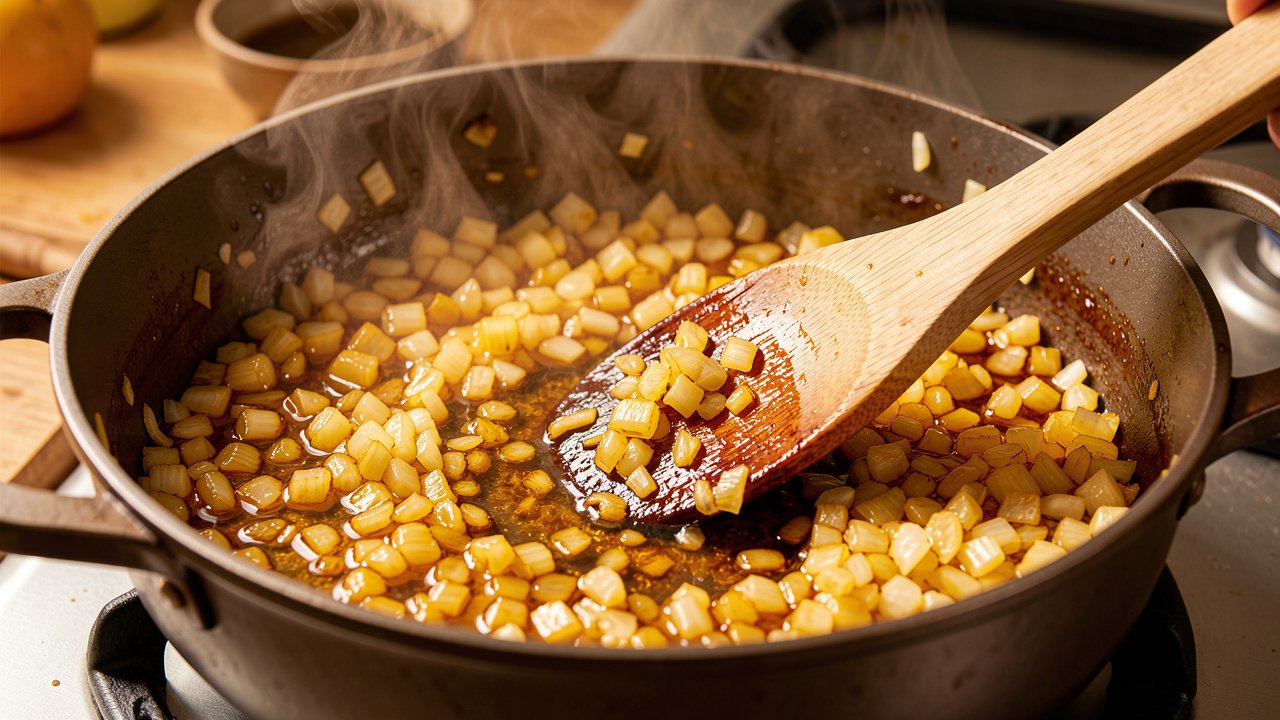
Heat the oil in a heavy pot over medium heat. Add the chopped onions and cook 8 to 10 minutes, stirring often, until deeply golden brown. This slow browning is where the sweetness and body of the gravy come from, so do not rush it or the finished curry will taste thin.
Add Ginger, Garlic, and Spices
Stir in the ginger and garlic, along with a chopped green chili if you want heat, and cook about 1 minute until fragrant. Add the ground cumin, coriander, and turmeric and stir for 30 seconds so the spices bloom in the oil. Keep the heat moderate so nothing scorches and turns bitter.
Cook the Tomatoes Down
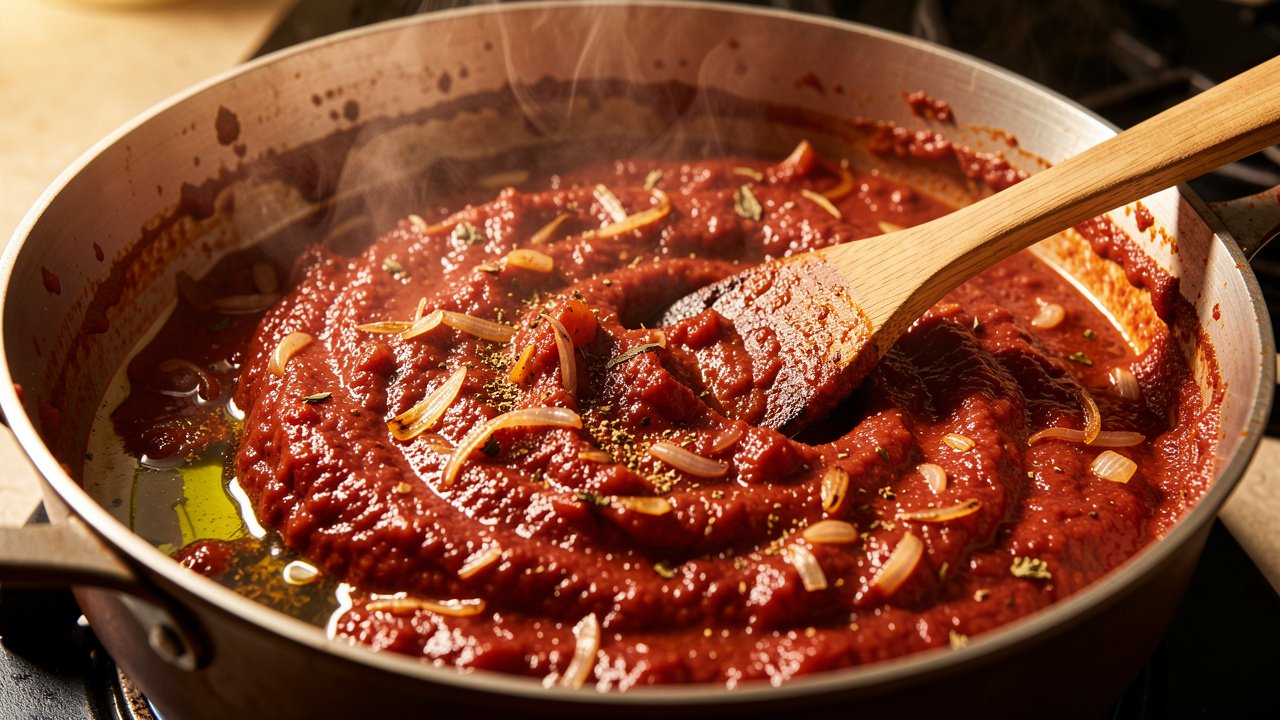
Pour in the pureed tomatoes and the salt. Cook 8 to 10 minutes, stirring, until the mixture darkens, thickens, and a thin rim of oil separates around the edges. This step is not optional; the split oil is the sign the masala is cooked through, and it is what gives the gravy its rich, jammy depth.
Simmer the Chickpeas
Add the drained chickpeas and stir to coat them in the masala. Pour in about one cup of water, adjusting for how thick you like the gravy, and bring it to a gentle simmer. Cook 10 to 12 minutes so the chickpeas soak up the sauce, gently mashing a spoonful of them against the pot to thicken the gravy.
Finish and Serve
Stir in the garam masala and the amchur and simmer 2 more minutes, then taste and adjust the salt and tang. Pull the pot off the heat, scatter plenty of chopped cilantro over the top, and add a squeeze of lemon if you like. Serve hot with steamed basmati rice, warm roti, or naan.
Chef’s Tips From Real Kitchen Testing
Brown the onions until deeply golden and cook the tomato masala until the oil separates. These two milestones are the biggest factors in a gravy that tastes rich instead of raw and flat.
Mash a spoonful of the chickpeas against the side of the pot as they simmer. The starch they release naturally thickens the gravy without any flour or cream.
Add the garam masala and amchur at the very end. Their aroma and tang fade if boiled too long, so a short final simmer keeps the finish bright and fragrant.
Recipe Variations
Serving Suggestions
- Steamed basmati rice or jeera rice
- Warm naan, roti, or puffy bhatura
- Sliced red onion, green chili, and lemon wedges
- A cooling cucumber and yogurt raita
Nutrition Facts
| Nutrient | Amount per serving |
|---|---|
| Calories | 280 |
| Protein | 11 g |
| Carbohydrates | 38 g |
| Fat | 10 g |
| Saturated Fat | 1.5 g |
| Fiber | 10 g |
| Sugar | 8 g |
| Sodium | 620 mg |
Values are estimates per serving and vary with the exact ingredients and brands you use.
Make-Ahead Tips
Chana masala tastes even better the next day, as the chickpeas keep absorbing the spiced gravy. Cook it a day ahead and refrigerate; reheat gently and finish with fresh cilantro and a squeeze of lemon before serving.
Storage, Freezing & Reheating
Common Mistakes to Avoid
Troubleshooting
Gravy too thin? Simmer uncovered a few more minutes and mash more chickpeas into the sauce. Too raw-tasting means the tomato base was undercooked.
Tastes flat or dull? It usually needs salt and acid. Add a pinch more salt and a little extra amchur or a squeeze of lemon to wake it up.
Too tangy? Balance it with a small pinch of sugar or a splash more water, and a little extra garam masala to round out the flavor.
A Note on Indian Cooking
Chana masala belongs to the everyday cooking of North India and Pakistan, where a pot of chickpeas in a spiced tomato gravy is a staple across home kitchens, roadside dhabas, and festive tables alike. It is beloved because it is affordable, filling, and entirely plant-based, which is exactly the spirit of home cooking across the region, and it pairs naturally with the simple potato-and-tomato dishes like aloo tamatar that share the same masala foundation.
The name is a plain description of the dish. In Hindi and Urdu, “chana” means chickpeas and “masala” means a blend of ground spices, so chana masala is simply chickpeas in spice; in Punjabi kitchens the very same dish is often called chole. It sits in a wider family of tomato-and-spice cooking that runs from South Indian tomato rasam to the chickpea soups of the Mediterranean, such as this chickpea, tomato, and pasta soup.
One dish chana masala is often confused with is rajma, which uses red kidney beans in a similar onion-tomato gravy; chana masala is made with chickpeas and leans tangier thanks to the amchur or pomegranate that finishes it. That bright sourness, more than any single spice, is what tells you a bowl of chana masala from the many other bean curries of the subcontinent.