Tomatoes are one of the easiest foods to add to everyday meals, but many people still want to know what they actually provide. This guide explains tomato nutrition facts in simple words, including calories, carbs, fiber, vitamins, minerals, lycopene, and how nutrition changes by type and preparation. It also compares raw, cooked, fresh, and canned tomatoes so readers can make better food choices.
Quick answer: Tomatoes are low in calories, high in water, and provide useful amounts of vitamin C, potassium, and antioxidants such as lycopene. They also contain small amounts of fiber, natural sugars, and other plant compounds. Raw tomatoes are a fresh, low-calorie option, while cooking tomatoes with a little oil makes their lycopene easier for the body to absorb.
Tomato Nutrition Calculator
Pick a tomato type and amount to see calories, vitamins, minerals, lycopene, and sodium, with % Daily Value for each nutrient that has one. Add several items to total a meal.
Values are USDA FoodData Central averages per 100 g, scaled to your amount. % Daily Value uses FDA reference amounts for adults. Your entries stay in your browser.
Nutrition by Tomato Type and Form (per 100 g)
USDA publishes one average for ripe red tomatoes, so cherry, grape, plum, and slicing tomatoes share those values. Processing concentrates everything: sauce and sun-dried tomatoes carry far more lycopene per gram, and usually more sodium.
| Tomato (100 g) | Calories | Vitamin C | Potassium | Lycopene | Sodium |
|---|---|---|---|---|---|
| Red, raw (cherry, grape, plum, slicing) | 18 | 13.7 mg | 237 mg | 2.6 mg | 5 mg |
| Red, cooked | 18 | 22.8 mg | 218 mg | 3 mg | 11 mg |
| Green (unripe), raw | 23 | 23.4 mg | 204 mg | 0 mg | 13 mg |
| Yellow, raw | 15 | 9 mg | 258 mg | not reported | 23 mg |
| Orange, raw | 16 | 16 mg | 212 mg | not reported | 42 mg |
| Canned tomatoes (in juice) | 16 | 12.6 mg | 191 mg | 2.5 mg | 115 mg |
| Canned tomato sauce | 24 | 7 mg | 297 mg | 13.9 mg | 474 mg |
| Sun-dried tomatoes | 258 | 39.2 mg | 3,427 mg | 45.9 mg | 107 mg |
Daily Value Profile of a Raw Red Tomato
| Nutrient in 100 g Raw Red Tomato | Amount | % Daily Value |
|---|---|---|
| Calories | 18 kcal | — |
| Vitamin C | 13.7 mg | 15% |
| Potassium | 237 mg | 5% |
| Fiber | 1.2 g | 4% |
| Vitamin A | 42 µg RAE | 5% |
| Vitamin K | 7.9 µg | 7% |
| Folate | 15 µg DFE | 4% |
| Vitamin E | 0.54 mg | 4% |
| Magnesium | 11 mg | 3% |
| Lycopene | 2.57 mg | No Daily Value |
Tomato Nutrition Snapshot Table
| Nutrient | Approximate Amount per 100g | Why It Matters |
|---|---|---|
| Calories | 18 | Tomatoes are a low-calorie food that fit easily into many eating plans. |
| Carbohydrates | 3.9g | They provide a small amount of carbs, mostly from natural sugars and fiber. |
| Fiber | 1.2g | Fiber supports digestion and helps make meals more filling. |
| Sugar | 2.6g | Tomatoes contain naturally occurring sugars, not added sugar. |
| Vitamin C | About 14mg | Vitamin C supports normal immune function and helps the body use iron from foods. |
| Potassium | About 237mg | Potassium supports normal fluid balance and muscle function. |
| Lycopene | Varies | Lycopene is the best-known antioxidant in tomatoes and is linked with their red color. |
| Water | About 94 to 95g | High water content helps make tomatoes light, juicy, and hydrating. |
Why Tomato Nutrition Matters
Tomatoes are not a magic food, but they are a very useful one. They are easy to eat, easy to cook, and simple to add to salads, sandwiches, soups, sauces, and rice dishes. That makes them one of the most practical ways to add nutrients and plant compounds to everyday meals.
What makes tomatoes stand out is not just one nutrient. Instead, they provide a mix of low calories, high water content, vitamin C, potassium, carotenoids, and lycopene. This combination makes them a strong choice for people who want foods that are light, versatile, and easy to include in a balanced diet.
Tomato Nutrition Facts by Serving Size
Nutrition numbers make more sense when they are tied to real serving sizes. Many readers do not think in terms of 100 grams, so it helps to compare tomatoes by everyday portions.
| Serving Size | Calories | Carbs | Fiber | Notes |
|---|---|---|---|---|
| 100g raw tomato | 18 | 3.9g | 1.2g | Useful standard amount for comparison. |
| 1 medium tomato | About 22 | About 4.8g | About 1.5g | Good everyday serving for salads and sandwiches. |
| 1 cup chopped tomato | About 30 to 35 | About 7g | About 2g | Common serving in bowls, salads, and cooking. |
| 5 cherry tomatoes | About 15 | About 3g | About 1g | Small, easy snack portion. |
These values are approximate because tomato size, variety, and ripeness can change the final numbers. Even so, the bigger picture stays the same. Tomatoes are a low-calorie food with a modest amount of carbs and a small amount of fiber.
Calories, Carbs, Fiber, and Sugar in Tomatoes
Tomatoes are naturally low in calories. A raw tomato adds flavor and volume to meals without adding many calories, which is one reason it works well in lighter meals and weight-conscious eating patterns.
How Many Calories Are in a Tomato?
A medium tomato usually contains around 20 to 25 calories. Smaller tomatoes contain less, while very large tomatoes can contain more. This makes tomatoes easy to fit into breakfast, lunch, dinner, and snacks. For a closer breakdown by size and serving, see Calories in Tomatoes.
How Many Carbs Are in Tomatoes?
Tomatoes are relatively low in carbohydrates compared with many starchy foods. A medium tomato often contains less than 5 grams of total carbs. Most of those carbs come from natural sugars and a small amount of fiber. For a detailed breakdown, read Carbs in Tomatoes and Net Carbs in Tomatoes.
Do Tomatoes Contain Fiber?
Yes, but not a very large amount per piece. Tomatoes provide a modest amount of fiber, which can still be helpful when paired with other fiber-rich foods such as beans, whole grains, greens, and seeds. Their fiber content is one reason they can feel more satisfying than many processed side foods. You can explore this more in Fiber in Tomatoes.
Are Tomatoes High in Sugar?
No. Tomatoes contain naturally occurring sugar, but the amount is fairly low. Most people do not need to worry about the natural sugar in plain tomatoes. The bigger concern is usually processed tomato products that may contain added sugar, not fresh tomatoes themselves. For more detail, visit Sugar in Tomatoes.
Are Tomatoes Low Carb or Keto-Friendly?
Tomatoes can fit into lower-carb eating patterns because their carb content is modest. Portion size still matters, especially with tomato sauces and pastes, which are more concentrated than fresh tomatoes. Many people on reduced-carb meal plans include tomatoes in moderate amounts without trouble.
Vitamins and Minerals in Tomatoes
Tomatoes are best known for vitamin C, potassium, and carotenoid compounds, but they also contain smaller amounts of several other nutrients. No single tomato serving provides everything the body needs, yet tomatoes can still make a useful contribution to overall diet quality.
Vitamin C in Tomatoes
Tomatoes provide vitamin C, which supports normal immune function, collagen production, and iron use in the body. Fresh raw tomatoes usually retain more vitamin C than heavily cooked tomato products because vitamin C can decrease with heat and storage.
Vitamin A and Carotenoids in Tomatoes
Tomatoes contain carotenoids, including beta-carotene and lycopene. These compounds give tomatoes part of their color and support the body in different ways. Tomatoes are not the richest source of vitamin A compared with foods like carrots or sweet potatoes, but they still contribute some carotenoid value. For a more specific guide, see Vitamin A in Tomatoes.
Vitamin K and Smaller Nutrients
Tomatoes also contain smaller amounts of vitamin K, folate, and a few B vitamins. These amounts are not huge, but they help round out the tomato’s overall nutrition profile. That is one reason tomatoes work well as part of a mixed and varied eating pattern. For more detail, visit Vitamin K in Tomatoes.
Potassium in Tomatoes
Potassium is one of the most useful minerals in tomatoes. It supports normal muscle function and fluid balance. Tomatoes are not as potassium-rich as some foods like potatoes or bananas, but they still add meaningful potassium to meals, especially when used often.
Other Minerals in Tomatoes
Tomatoes also provide small amounts of magnesium, phosphorus, and calcium. These are not present in large amounts in fresh tomatoes, but they still add to the food’s value. When tomatoes are part of a balanced diet, these smaller contributions can still matter over time.
Lycopene and Other Antioxidants in Tomatoes
Lycopene is the most talked-about antioxidant in tomatoes, and for good reason. It is the pigment that gives many red tomatoes their rich color. It is also the plant compound most people think of when they think about tomato health benefits.
What Is Lycopene?
Lycopene is a carotenoid, which is a type of plant pigment. Unlike some other carotenoids, lycopene is especially known for being concentrated in tomatoes and tomato-based foods. The amount can vary depending on tomato variety, ripeness, and processing method.
Why Lycopene Matters
Lycopene is known for its antioxidant role. Antioxidants help protect cells from oxidative stress as part of a balanced overall diet. Tomatoes also contain other plant compounds, so their value does not come from lycopene alone. You can go deeper in Lycopene in Tomatoes.
Do Cooked Tomatoes Have More Lycopene?
Cooking does not always mean tomatoes contain more total lycopene, but it may make lycopene easier for the body to use in some cases. Tomato paste, sauce, and other cooked tomato products often have a more concentrated tomato content, which can raise lycopene levels per spoonful or serving.
Adding a little healthy fat, such as olive oil, may also help the body absorb carotenoids more effectively. That is one reason tomato salads with olive oil and cooked tomato sauces can both be practical ways to eat tomatoes.
How Nutrition Changes by Tomato Type
Different tomatoes are more alike than different when it comes to the big nutrition picture. Most common tomato types are still low in calories, mostly water, and provide similar core nutrients. Still, some small differences can matter depending on how you use them.
Cherry Tomato Nutrition
Cherry tomatoes are small, sweet, and easy to snack on. Because they are often eaten whole and fresh, they are a convenient way to get tomato nutrients in raw form. Their nutrition per gram is similar to many other tomato types, though sweetness and texture may feel different. For a related guide, see Cherry Tomatoes Health Benefits.
Plum and Roma-Style Tomato Nutrition
Plum tomatoes tend to be firmer and meatier, with less water than some slicing tomatoes. That makes them popular for sauces and roasting. Because they have a denser texture, they are often a practical choice for cooked tomato dishes. You can compare them more closely in Plum Tomatoes Health Benefits and Nutrition Facts.
Kumato and Specialty Tomato Nutrition
Specialty tomatoes such as kumato or indigo ruby tomatoes may differ a little in sweetness, color, and plant compounds, but the overall pattern is still similar. These types can add variety without changing the core nutrition story too much. See Kumato Tomato Health Benefits and Nutrition Facts and Indigo Ruby Tomatoes Health Benefits and Nutrition Facts.
Sun-Dried Tomato Nutrition
Sun-dried tomatoes are much more concentrated than fresh tomatoes. That means they can provide more intense flavor and more concentrated nutrients per small serving, but they can also be higher in sodium depending on the product. Learn more in Sun-Dried Tomatoes Health Benefits and Nutrition Facts.
Raw vs Cooked Tomatoes Nutrition
Raw and cooked tomatoes both have value, but they offer slightly different strengths. Raw tomatoes are fresh, light, and often higher in vitamin C. Cooked tomatoes may provide more concentrated tomato solids and may make some carotenoids, including lycopene, easier to use.
| Form | Main Strength | Possible Tradeoff | Best Use |
|---|---|---|---|
| Raw tomatoes | Fresh texture and good vitamin C retention | Less concentrated lycopene per serving than some cooked products | Salads, sandwiches, snacks |
| Cooked tomatoes | More concentrated flavor and often easier lycopene use | Some vitamin C may decrease with heat | Soups, sauces, roasting |
| Tomato sauce | Convenient and concentrated | May contain added salt or sugar | Pasta, curries, stews |
| Tomato paste | Very concentrated tomato content | Easy to use too much without noticing portion size | Rich sauces and braises |
For most people, the better question is not whether raw or cooked is always healthier. The better question is how both can fit into a varied diet. Raw tomatoes are useful for freshness and hydration, while cooked tomato dishes can add deep flavor and concentrated tomato compounds. For a direct comparison, read Raw vs Cooked Tomatoes Nutrition.
Fresh vs Canned Tomatoes Nutrition
Fresh and canned tomatoes each have practical advantages. Fresh tomatoes are simple, juicy, and usually lower in sodium. Canned tomatoes are convenient, available year-round, and very useful for soups, curries, stews, and sauces.
Fresh Tomatoes
Fresh tomatoes are often the best choice when texture matters. They are useful in salads, sandwiches, and cold dishes. They also make it easier to avoid added sodium, sugar, or preservatives that may appear in some packaged products.
Canned Tomatoes
Canned tomatoes are picked and processed for shelf stability, which makes them practical and consistent. Their nutrition can still be very good, but readers should check labels for sodium and any extra ingredients. Plain canned tomatoes are often a better choice than heavily seasoned tomato products.
Which Is Better?
Neither is automatically better in every situation. Fresh tomatoes are often best for raw eating, while canned tomatoes are practical for cooking. The healthiest choice often depends on how the tomato will be used and whether the product includes too much salt, sugar, or oil.
Tomato Nutrition and Health Benefits
Tomatoes are often discussed in connection with heart health, skin health, eye health, weight-conscious eating, hydration, and antioxidant intake. No single benefit tells the whole story, but tomatoes do stand out because they are easy to eat often and fit many types of meals.
If you want to explore specific benefits in more detail, these guides may help:
- Tomatoes and Heart Health
- Tomatoes and Blood Pressure
- Tomatoes and Stroke Risk
- Tomatoes for Eye Health
- Tomatoes for Skin Health
- Tomatoes for Immune Support
- Tomatoes for Weight Loss
- Tomatoes and Gut Health
- Tomatoes and Hydration
Best Ways to Eat Tomatoes for Nutrition
There is no single perfect way to eat tomatoes. The best method depends on the meal, the tomato type, and what a person wants most from the food. In most cases, variety works better than only eating tomatoes one way.
- Raw in salads: A simple way to enjoy fresh flavor, water content, and vitamin C.
- With olive oil: Adding healthy fat may help with carotenoid absorption.
- Roasted: Roasting deepens flavor and works well for side dishes and bowls.
- In soups: Tomato soups can be a practical comfort-food option when sodium is controlled.
- In sauces: Tomato sauces are useful for concentrated flavor and can fit balanced meals well.
- As snacks: Cherry and grape tomatoes are easy low-calorie snack options.
In practical terms, the healthiest tomato choice is often the one that fits the meal without adding too much sodium, sugar, or heavy processing. Fresh tomatoes, simple roasted tomatoes, and basic tomato sauces usually work better than highly processed tomato products with long ingredient lists.
When Tomatoes May Not Be Ideal
Tomatoes work well for most people, but they are not perfect for everyone. Some people find that tomatoes trigger discomfort because of acidity, especially in cases of acid reflux or heartburn sensitivity. Others may react to specific tomato products rather than fresh tomatoes themselves.
A small number of people may also have tomato allergy or intolerance symptoms. In addition, processed tomato products such as canned pasta sauces, ketchup, and seasoned tomato mixes may contain extra sodium or added sugar. For those readers, checking the label matters more than avoiding tomatoes completely. For more detail, read Tomato Allergies: Causes, Symptoms, and Tips for Relief.
Common Misunderstandings About Tomato Nutrition
- All tomatoes have exactly the same nutrition: The overall pattern is similar, but size, type, ripeness, and preparation can change the details.
- Cooked tomatoes are always less healthy: Cooking may reduce some nutrients, but it can also make lycopene easier to use and increase concentration.
- Fresh tomatoes are always better than canned: Fresh and canned tomatoes both have value. Labels and use matter.
- Tomatoes are too sugary: Plain tomatoes are relatively low in natural sugar. Added sugar in processed products is the bigger issue.
- Tomatoes are high-calorie: They are actually low in calories and mostly made of water.
- One nutrient tells the whole story: Tomatoes are useful because of their overall mix of water, vitamins, minerals, and plant compounds.
Tomato Nutrition FAQs
Are tomatoes healthy?
Yes, tomatoes are generally considered a healthy food for most people. They are low in calories, rich in water, and provide vitamin C, potassium, and plant compounds like lycopene. Their biggest strength is that they are easy to use often in normal meals. For a full breakdown, visit Are Tomatoes Good for You?.
How many calories are in one tomato?
A medium tomato usually contains around 20 to 25 calories. Smaller tomatoes contain less, and larger tomatoes contain more. The exact number depends on the tomato’s size and type.
Are tomatoes high in carbs?
No, tomatoes are not high in carbs compared with many other foods. A medium tomato usually has less than 5 grams of total carbohydrates, which makes tomatoes manageable for many balanced and reduced-carb eating plans.
Do cooked tomatoes have more lycopene?
Cooked tomatoes may provide lycopene in a form that is easier for the body to use, especially in concentrated products like sauce and paste. That does not mean raw tomatoes are poor choices. It simply means both forms offer different benefits.
Are cherry tomatoes healthier than regular tomatoes?
Cherry tomatoes are not automatically healthier, but they are a very practical choice. They offer a similar overall nutrition pattern, and their small size makes them easy for snacks, lunches, and salads.
Are canned tomatoes as healthy as fresh tomatoes?
Canned tomatoes can still be nutritious, especially plain versions with simple ingredients. The main thing to watch is sodium and any added sugar. Fresh tomatoes are often better for raw meals, while canned tomatoes are very useful in cooked dishes.
Are tomatoes good for weight loss?
Tomatoes can be helpful in weight-conscious eating because they are low in calories and high in water. They add flavor and volume to meals without adding many calories. Still, the overall diet matters more than any one food. For more, read Tomatoes for Weight Loss.
What nutrient are tomatoes highest in?
Tomatoes are especially known for vitamin C, potassium, and lycopene rather than for being extremely high in just one nutrient. Their value comes from this combination along with their low-calorie, high-water profile.
Related Tomato Nutrition Guides
- Are Tomatoes Good for You?
- Calories in Tomatoes
- Carbs in Tomatoes
- Net Carbs in Tomatoes
- Fiber in Tomatoes
- Sugar in Tomatoes
- Vitamin A in Tomatoes
- Vitamin K in Tomatoes
- Lycopene in Tomatoes
- Raw vs Cooked Tomatoes Nutrition
- Tomato Glycemic Index
- How Tomatoes Affect Blood Sugar
- Cherry Tomatoes Health Benefits
- Plum Tomatoes Health Benefits and Nutrition Facts
- Sun-Dried Tomatoes Health Benefits and Nutrition Facts
The Bottom Line
Tomatoes are a simple but useful food that provide low calories, high water content, vitamin C, potassium, and important plant compounds such as lycopene. Their nutrition changes slightly by type and preparation, but the overall message stays clear: tomatoes are a practical, versatile food that can support a balanced diet in many forms.
Use the calculator above for your own servings, then explore the deeper guides below on calories, carbs, fiber, glycemic index, tomato types, and raw versus cooked tomato nutrition.
Explore Tomato Nutrition Guides
Every guide below goes deeper on one question. Values in these guides follow the same USDA data used in the calculator above.
Tomatoes and Health
Guides to what tomato nutrients may mean for different parts of the body, written to reflect what the research does and does not show.
 Tomatoes and Heart HealthHow the potassium, fiber, and lycopene in tomatoes fit a heart-healthy eating pattern, and what studies do and do not show.Read guide →
 Tomatoes and Blood PressureHow the potassium in tomatoes fits a blood-pressure-friendly diet, and why sodium in tomato products matters.Read guide →
 Tomatoes and Stroke RiskWhat observational studies suggest about tomato and lycopene intake and stroke risk, and the limits of that evidence.Read guide →
 Tomatoes and Eye HealthThe carotenoids in tomatoes, including lycopene and beta-carotene, and how they fit a diet that supports eye health.Read guide →
 Tomatoes and Skin HealthWhat the lycopene and vitamin C in tomatoes may mean for skin, with a realistic look at the research.Read guide →
 Tomatoes and Brain HealthWhat early research says about tomato nutrients such as lycopene and brain health, and where the evidence is limited.Read guide →
 Tomatoes and Immune HealthThe vitamin C and antioxidants in tomatoes and their place in a varied diet that supports normal immune function.Read guide →
 Tomatoes and Bone HealthThe vitamin K, potassium, and other nutrients in tomatoes, and how they fit a diet that supports healthy bones.Read guide →
 Tomatoes and Muscle RecoveryPotassium, fluids, and antioxidants in tomatoes, and how they can fit a post-exercise meal.Read guide →
 Tomatoes and Oral HealthVitamin C and acidity in tomatoes, and what they mean for gums and tooth enamel.Read guide →
 Do Tomatoes Stain Teeth?Why acidic, deeply colored foods like tomato sauce can affect tooth surfaces, and simple ways to limit staining.Read guide →
 Tomatoes for Weight Loss: Calories and FullnessWhy tomatoes are filling for so few calories, with easy ways to add them to meals.Read guide →
Nutrients and Facts
Serving-by-serving numbers for calories, carbs, sugar, fat, fiber, vitamins, and lycopene.
 Are Tomatoes Good for You? Key BenefitsTomato nutrition, the main evidence-based benefits, and possible side effects in one overview.Read guide →
 Calories in TomatoesCalories per tomato, per 100 g, and per cup, for raw, cooked, and canned tomatoes.Read guide →
 Carbs in TomatoesCarb counts per tomato, per 100 g, and per cup, by type and preparation.Read guide →
 Fiber in TomatoesHow much fiber tomatoes provide per serving and simple ways to get more from them.Read guide →
 Water Content in TomatoesTomatoes are about 94 to 95 percent water; how that adds to hydration and fullness.Read guide →
 Tomato Glycemic Index and Blood SugarWhy tomatoes have a low glycemic impact and how they fit blood-sugar-conscious meals.Read guide →
 Vitamin A in TomatoesHow much vitamin A tomatoes provide from beta-carotene, and how they compare with other foods.Read guide →
 Vitamin K in TomatoesHow much vitamin K tomatoes contain per serving and how it fits your daily needs.Read guide →
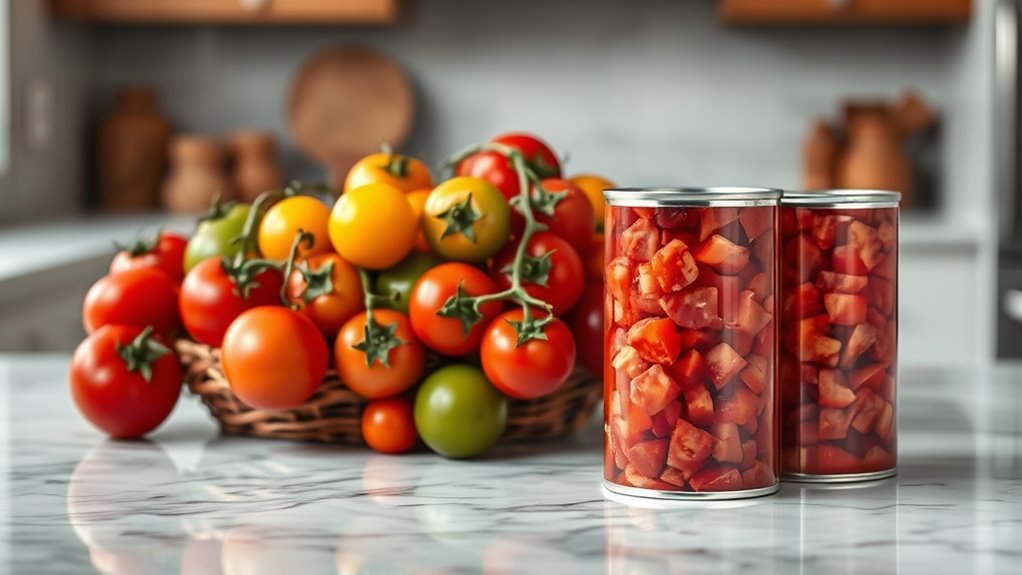 Fresh vs Canned Tomatoes: Nutrition ComparedHow fresh and canned tomatoes compare on vitamin C, lycopene, and sodium.Read guide →
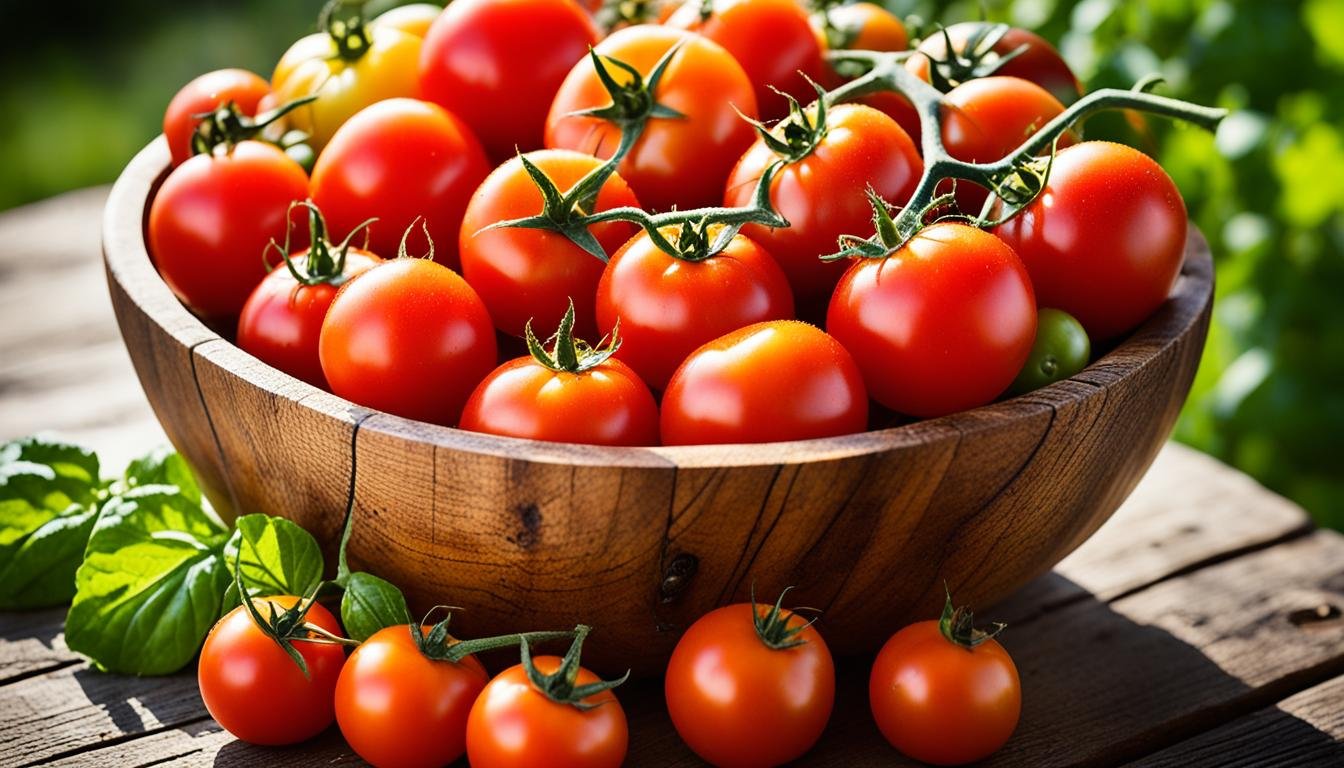 Are Organic Tomatoes Healthier?How organic and conventional tomatoes compare on nutrition, pesticide residues, and flavor.Read guide →
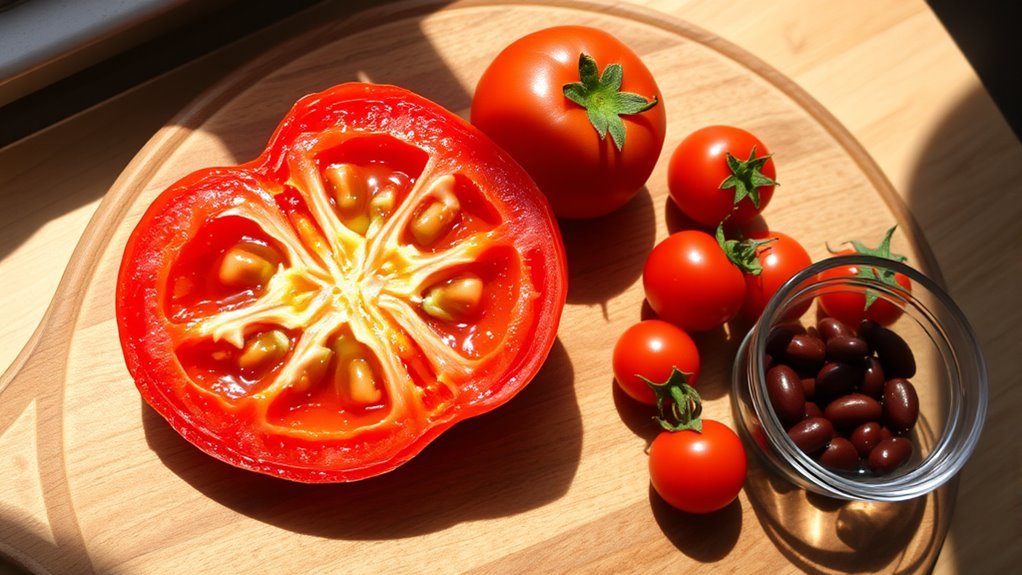 Tomato Nutrition Facts for KidsSimple tomato nutrition facts explained for children, parents, and teachers.Read guide →
 Common Tomato Myths, DebunkedPopular myths about growing, storing, and eating tomatoes, checked against research and extension advice.Read guide →
Nutrition by Variety
How specialty and processed tomatoes compare with the everyday red tomato.
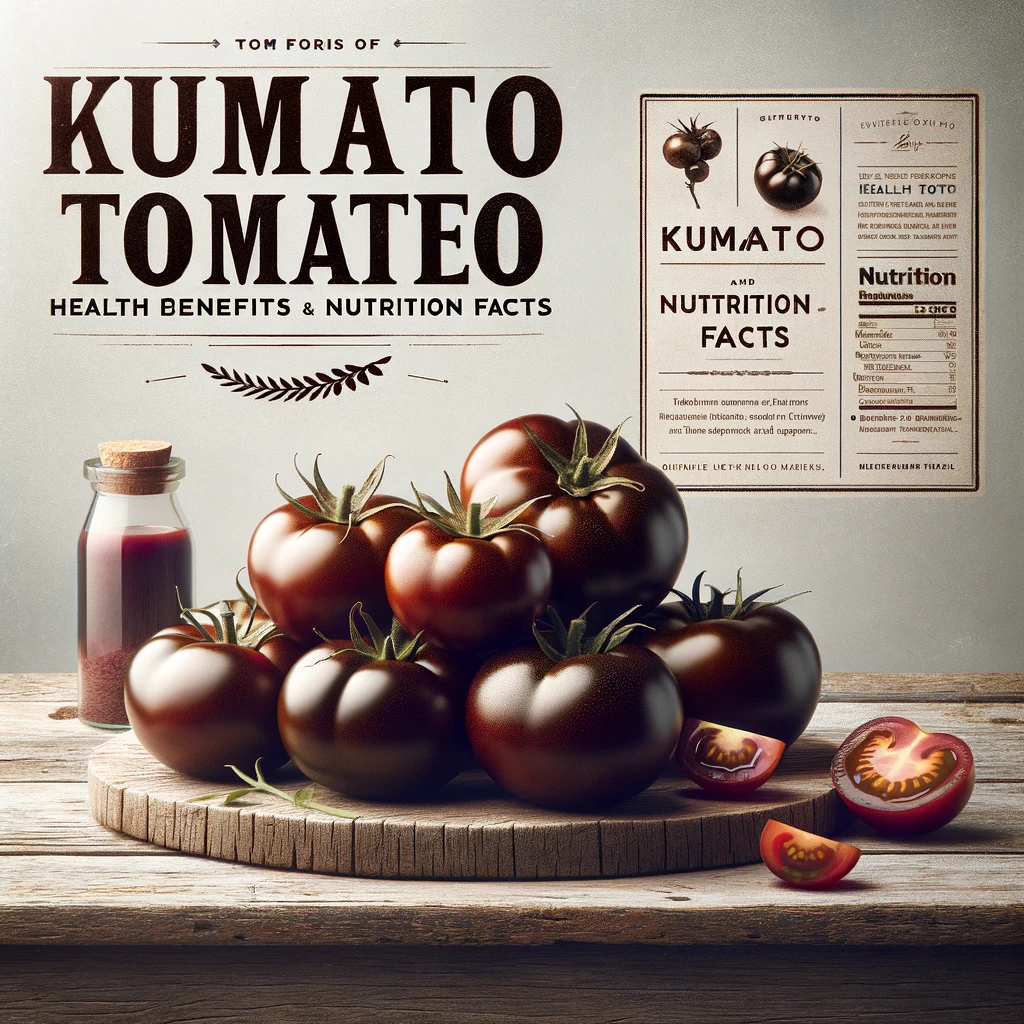 Kumato Tomato NutritionNutrition facts and eating tips for the dark, brownish-green Kumato tomato.Read guide →
 Plum Tomato NutritionNutrition facts for plum and Roma-style tomatoes and why they suit sauces.Read guide →
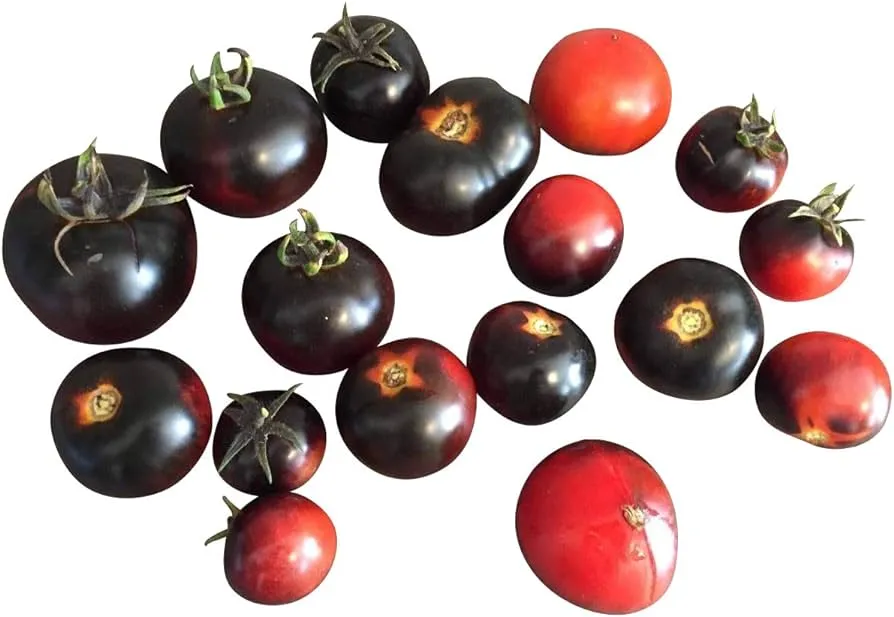 Indigo Ruby Tomato NutritionNutrition facts for purple-shouldered Indigo Ruby tomatoes and their anthocyanin pigments.Read guide →
Products and Special Diets
Label questions about tomato products, gluten, and supplements.
 Is Tomato Ketchup Good for You?Ketchup’s sugar, salt, and lycopene compared with fresh tomatoes.Read guide →
 Is Tomato Juice Gluten-Free?Plain tomato juice and gluten, and what to watch for in blends and mixes.Read guide →
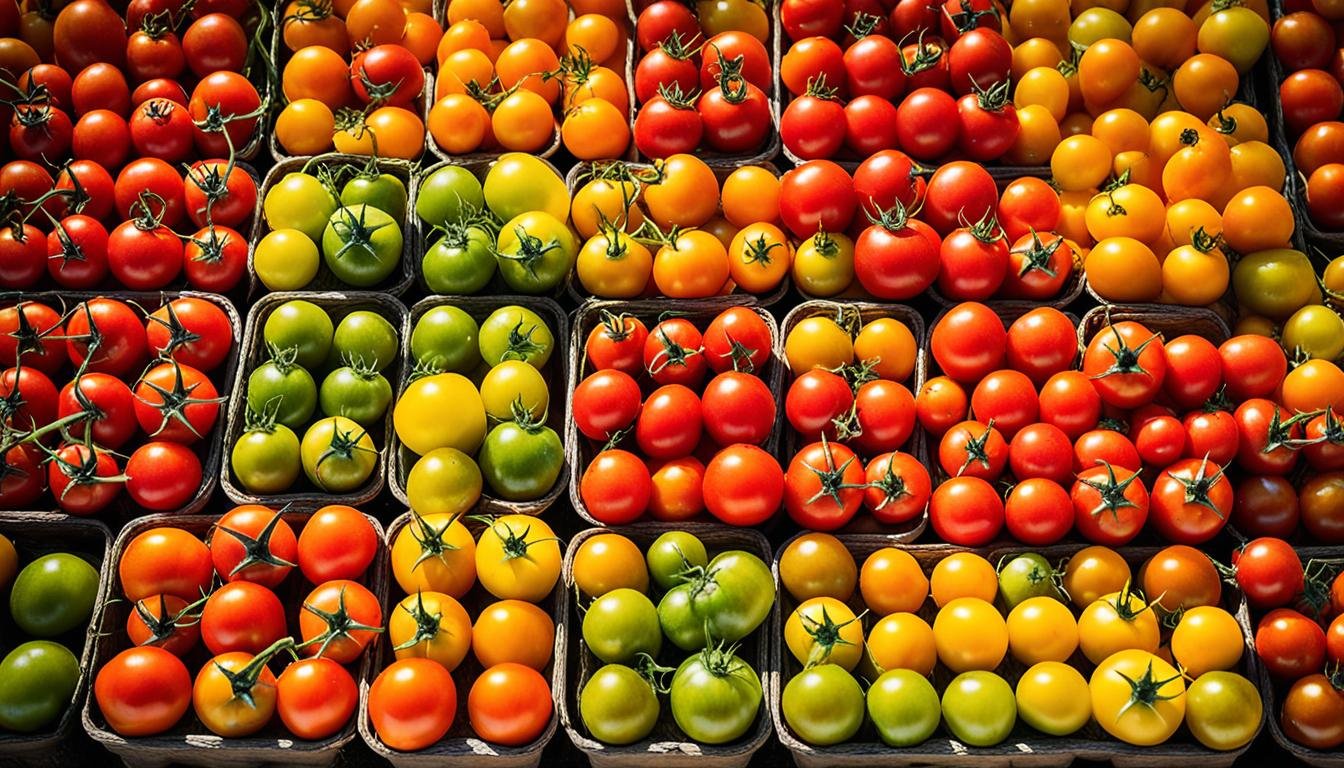 Tomato and Lycopene SupplementsWhat lycopene supplements are, how they differ from eating tomatoes, and why to check with a doctor first.Read guide →
Animals and Tomatoes
Questions about pets and farm animals now have their own hub.

Free Tomato Tools for the Kitchen
Browse all 53 free tomato tools.
About this data: Nutrition values come from USDA FoodData Central (FDC IDs 170457, 170050, 170456, 170096, 170502, 170051, 170054, 168567) and are averages that vary with tomato size, variety, ripeness, and processing. % Daily Values use the FDA reference amounts for adults and children 4 years and older.
Reviewed by Dr. Abdullah Khalil, MBBS, Medical & Nutrition Reviewer. This guide gives general nutrition information and is not medical advice; if you have a health condition or take medication, ask your doctor or a registered dietitian about your diet.
Sources: USDA FoodData Central · FDA – Daily Value on the Nutrition and Supplement Facts Labels · Linus Pauling Institute – Carotenoids
Explore more tomato guides: Recipes · Growing · Varieties · When to Plant · Preserving · Problems & Solutions · Animals & Tomatoes · Reviews & Gear · History & Culture