Have you ever wondered how natural ingredients can support your body after a strenuous workout? Imagine finishing a challenging session, feeling accomplished but also fatigued. What if there was a simple, natural way to help your body bounce back faster?
Enter the humble tomato, an everyday food with a useful nutrient profile. Tomatoes contain lycopene, an antioxidant pigment that researchers are studying for its effects on oxidative stress caused by intense physical activity. In one small randomised crossover trial in 11 well-trained male athletes, a week of tomato powder raised total antioxidant capacity by about 12% and limited the rise in lipid-peroxidation markers after exhaustive exercise; it did not measure soreness or recovery time.
This article delves into the science behind tomatoes and their functional benefits. From their nutritional profile to their role in enhancing recovery, you’ll see where this everyday ingredient can fit in your post-workout routine, and what the evidence does and does not show.
Key Takeaways
- Tomatoes are rich in lycopene, an antioxidant.
- Antioxidants help protect cells from oxidative stress during exercise.
- A small study found tomato powder raised antioxidant capacity in trained athletes.
- Incorporating tomatoes into your diet may support recovery as part of a balanced diet.
- Tomatoes are an easy addition to post-workout meals, but the human evidence is still small and preliminary.
Introduction to Tomatoes and Muscle Recovery
https://www.youtube.com/watch?v=h-dEYC7GK70
Athletes are increasingly turning to natural solutions for better performance and faster healing. The fitness world is showing growing interest in whole foods, which offer a mix of nutrients that a single isolated supplement does not. Some scientific studies have compared whole foods with isolated nutrients, including research on nutrient-rich foods like tomatoes.
Whole foods can provide a more balanced approach to recovery. For instance, tomatoes contain lycopene, an antioxidant studied for its effects on oxidative stress. Unlike single-ingredient supplements, whole foods deliver a range of nutrients that may work together to support overall health.
Tomatoes are not just a source of lycopene; they also contain vitamin C, which the body needs to make collagen, and potassium, which is needed for normal muscle and nerve function. We could not find a study showing that tomatoes cut muscle soreness or recovery time by a set percentage; the human trials so far are small and mostly measure blood markers of oxidative stress.
This article draws on the published studies and notes where the evidence is limited. In the following sections, we’ll explore the science behind oxidative stress, the role of antioxidants, and practical ways to include tomatoes in your recovery routine.
The Science Behind Exercise-Induced Oxidative Stress

Exercise isn’t just about movement; it’s a complex biochemical process. When you push your body during intense workouts, it triggers a cascade of reactions. One of these is the production of reactive oxygen species (ROS), which play a dual role in your health.
Oxidative stress occurs when there’s an imbalance between ROS and your body’s ability to neutralise them. During exercise, your metabolism speeds up, increasing ROS production. While some ROS are essential for signalling and adaptation, excessive amounts can damage cells and tissues.
This damage can affect your muscle fibres, leading to soreness and delayed recovery. However, not all oxidative stress is harmful. Controlled levels are necessary for physiological adaptations, such as improved endurance and strength. The key lies in maintaining the right balance.
Intense physical activity can raise ROS production well above resting levels. While this sounds alarming, your body has natural defence mechanisms, including antioxidant enzymes and dietary antioxidants, to counteract this.
Understanding this balance can help you optimise your exercise routine. By supporting your body’s natural defences, you can minimise the negative effects of oxidative stress while reaping the benefits of physical activity. To learn more about how natural ingredients like tomatoes can aid in recovery, explore the benefits of tomatoes for recovery.
Understanding Lipid Peroxidation and Its Impact on Muscle Recovery
When you push your body to its limits, it’s not just fatigue you’re battling—it’s a biochemical storm. One of the key processes at play is lipid peroxidation, a reaction that damages cellular membranes. This occurs when free radicals attack the lipids in your cells, leading to oxidative stress.
During strenuous exercise, your body produces more free radicals, accelerating lipid peroxidation. This can harm your cellular integrity, delaying recovery and increasing soreness. Researchers are studying whether certain bioactive compounds in food can help limit this damage.
Studies have shown that markers like malondialdehyde (MDA) and 8-isoprostane in blood samples are commonly used markers of lipid peroxidation. Elevated levels of these markers signal increased oxidative stress, which can impair recovery.
Research highlights the role of natural ingredients in moderating these effects. For instance, a study (a 2021 randomised, double-blind crossover trial in 11 well-trained male athletes) found that after a week of tomato powder providing 30 mg of lycopene a day, exhaustive exercise raised MDA by 20% versus 51% with placebo, and 8-isoprostane by 9% versus 24%; total antioxidant capacity rose by about 12%. The same dose of pure lycopene did not have these effects, which suggests other bioactive compounds in tomatoes may contribute. The study was small and short, and it did not measure muscle soreness or performance.
For athletes, understanding these processes is crucial. By incorporating nutrient-rich foods into your diet, you support your body’s normal recovery processes. It’s not just about training harder—it’s about recovering smarter.
The Role of Antioxidants in Post-Workout Recovery

After a tough workout, your body needs more than just rest—it needs the right nutrients to heal. Antioxidants play a crucial role in this process. They neutralise free radicals, which are produced during intense physical activity. Without antioxidants, these free radicals can cause oxidative stress, delaying recovery and increasing soreness.
Tomatoes are a rich source of these vital compounds. They contain not only lycopene but also other antioxidants like beta-carotene and vitamin C. Each has antioxidant activity, although whether eating more of them speeds healing is less clear.
Key Antioxidant Compounds in Tomatoes
Tomatoes contain several antioxidant compounds. Lycopene is the most well-known, alongside beta-carotene and vitamin C. The body uses beta-carotene to make vitamin A, which supports normal immune function, while vitamin C is needed for collagen production.
Tomato products such as tomato juice supply these compounds, and lycopene is absorbed better when eaten with a little fat. In the 2021 athlete study, tomato powder raised total antioxidant capacity while the same dose of pure lycopene did not.
Synergistic Benefits Beyond Lycopene
One idea researchers are testing is nutrient synergy: the combination of antioxidants, vitamins, and minerals in whole tomatoes may have effects that isolated lycopene does not, as the small 2021 study suggests. More research is needed to show whether this leads to faster recovery.
For instance, tomato juice not only provides lycopene but also other phytochemicals that work together. Whether this makes it better for recovery than other foods has not been shown. Whole tomato products, like tomato sauce or juice, are a simple way to harness these benefits.
| Tomato Powder | Pure Lycopene Supplements |
|---|---|
| Contains multiple antioxidants | Isolated lycopene only |
| Other compounds may add to lycopene’s effects | Limited to lycopene’s effects |
| Lycopene absorbed best when eaten with some fat | Absorption depends on the product |
Incorporating tomato products into your diet may offer some benefits for recovery. Whether it’s a glass of tomato juice or a bowl of tomato soup, these are easy ways to add nutrients to your recovery meals. For more on how tomatoes support overall health, explore the benefits of tomatoes for recovery.
Exploring the Nutritional Profile of Tomatoes
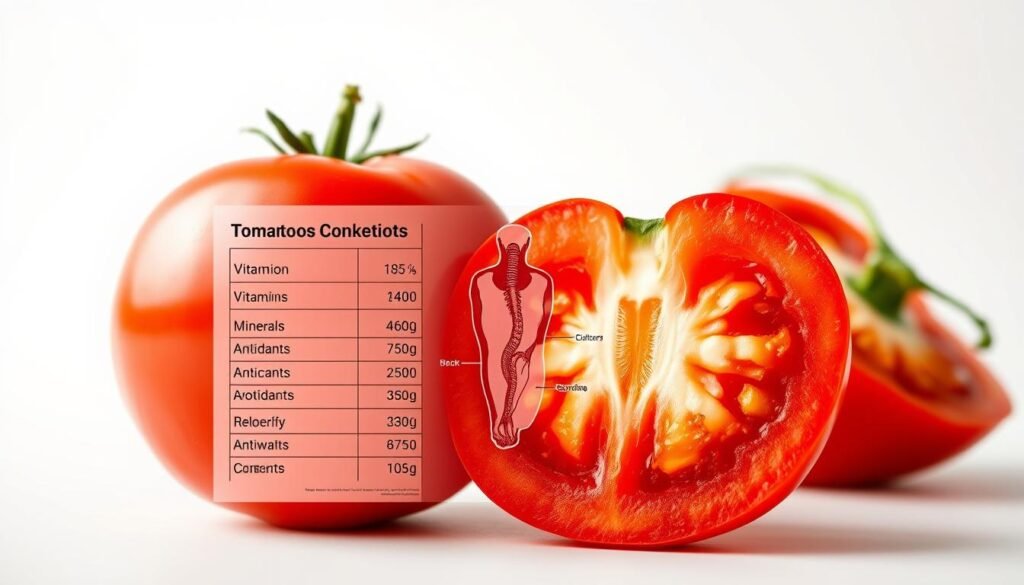
What makes tomatoes a nutritional standout? This vibrant fruit is packed with essential vitamins and minerals that support overall health. From vitamin C to potassium, each nutrient plays a unique role in keeping your body functioning at its best.
Tomatoes are rich in vitamin C, which supports normal immune function and collagen production. They also contain vitamin E, an antioxidant that helps protect your cells from damage. Potassium, another key nutrient, helps regulate blood pressure and supports muscle function. If you have kidney disease or take blood pressure medication, ask your doctor how much potassium is right for you.
Fibre is another standout component of tomatoes. It promotes digestive health and helps you feel fuller for longer. This makes tomatoes an excellent addition to a balanced diet, especially for those focused on recovery and overall wellness.
Incorporating antioxidant-rich fruit like tomatoes into your meals is a sensible habit. Diets rich in fruits and vegetables are linked with better heart health in observational studies, and lycopene, a compound found in tomatoes, is being studied for its effects on oxidative stress.
Here’s how you can make the most of tomatoes in your diet:
- Add fresh tomatoes to salads or sandwiches for a nutrient boost.
- Use tomato sauce or juice as a base for soups and stews.
- Roast tomatoes to enhance their flavour and lycopene content.
By including tomatoes in your meals, you’re not just enjoying their delicious taste—you’re also giving your body the tools it needs to thrive. Whether you’re an athlete or simply looking to improve your health, this versatile fruit is a smart choice.
How Tomato Juice Enhances Your Recovery Routine

Tomato juice is more than just a refreshing drink. Containing essential nutrients, it is a convenient way to add nutrients after intense exercise. A small 2012 study published in the Nutrition Journal found that drinking tomato juice daily blunted a marker of oxidative DNA damage after exercise, which makes it an interesting option to include after workouts.
Benefits of Consuming Tomato Juice Post-Exercise
Tomato juice is rich in lycopene, an antioxidant that can neutralise free radicals produced during exercise. It also delivers the other nutrients in tomato juice, such as vitamin C and potassium. Because lycopene is fat-soluble, it is absorbed better when eaten with some fat.
In the 2012 Nutrition Journal study, 15 untrained healthy adults cycled for 20 minutes at 80% of their maximum pulse. Without tomato juice, exercise raised the DNA-damage marker 8-oxodG by 42-84%; after five weeks of drinking 150 ml of tomato juice a day, no such rise was seen, as described in this study summary. It was a small study in untrained people and did not measure muscle soreness or recovery time.
Practical Ways to Include Tomato Juice in Your Routine
Incorporating tomato juice into your diet is simple and convenient. Here are some practical tips:
- Opt for low-sodium options to avoid unnecessary salt intake.
- Pair it with a protein-rich snack, like nuts or boiled eggs, plus a carbohydrate source such as bread or fruit to help refill glycogen stores.
- Use it as a base for smoothies or soups for added flavour and nutrients.
Tomato juice is also versatile. Whether you enjoy it straight from the glass or as part of a meal, it’s an easy way to support your body’s recovery process. For more on how tomatoes benefit overall health, explore the digestive benefits of tomatoes.
| Tomato Juice | Isolated Lycopene Supplements |
|---|---|
| Contains multiple nutrients | Limited to lycopene only |
| Other compounds may add to lycopene’s effects | Absorption depends on the product |
| Convenient and versatile | Requires additional supplementation |
By integrating tomato juice into your post-exercise routine, you add fluid and nutrients to your post-exercise routine. It is a simple option, though the evidence for a direct recovery benefit is still limited.
Tomatoes muscle recovery: Evidence from Studies

Scientific evidence continues to highlight the role of natural foods in enhancing post-exercise healing. A randomised, double-blinded study compared the effects of tomato powder and isolated lycopene supplements on markers of oxidative stress in 11 well-trained male athletes. Tomato powder raised antioxidant capacity and limited the exercise-related rise in lipid-peroxidation markers, while the same dose of pure lycopene did not.
This research did not measure muscle soreness or recovery time, so it cannot show that tomatoes speed recovery. What it does suggest is that the mix of compounds in whole tomato products may act differently from isolated lycopene.
Some researchers have also looked at blood markers of muscle damage, such as creatine kinase and myoglobin, but the evidence is limited and does not yet show that tomatoes reliably reduce muscle damage.
“The studies so far are small, but they suggest whole tomato products deserve further research for exercise recovery.”
Methodologically, these studies are small (11 and 15 participants in the two trials described above) and short, so their results should be treated as preliminary rather than as proof.
For those seeking evidence-based recommendations, incorporating tomato products like juice or sauce into your post-workout routine is a reasonable, low-risk choice. The natural synergy of antioxidants, vitamins, and minerals in whole tomatoes offers a balanced approach to recovery, supporting both short-term healing and long-term health.
Comparing Whole Foods with Supplements for Muscle Recovery

When it comes to enhancing your body’s healing process, the debate between whole foods and supplements is ongoing. While isolated compounds like lycopene are popular, a small study suggests whole tomato products may have effects that isolated lycopene lacks. This may be due to their complex nutrient matrix, though that has not been proven.
Whole Food vs. Synthetic Lycopene: What You Need to Know
Whole tomato products, such as tomato powder or juice, contain a variety of bioactive components. These include lycopene, vitamin C, and potassium, which work together to enhance antioxidant activity. In the 2021 athlete study, pure lycopene did not reduce exercise-induced lipid peroxidation, while tomato powder did.
A study found that tomato powder was more effective than pure lycopene in reducing lipid peroxidation. This highlights the importance of consuming whole foods, which provide a broader range of nutrients. For example, the combination of antioxidants in tomatoes has been linked to a reduced risk of prostate cancer in some observational studies, although the US FDA has described this evidence as very limited and preliminary.
“Whole foods provide a mix of nutrients along with lycopene, which is one reason researchers are comparing them with isolated supplements.”
Concerns have been raised about relying on isolated compounds. An FDA review found no credible evidence that lycopene on its own reduces prostate cancer risk, while it found very limited evidence for tomatoes themselves. In the US, the FDA does not approve dietary supplements before they are sold, and supplements can interact with medicines, so talk to your doctor before taking a lycopene supplement. Meanwhile, whole tomatoes address multiple aspects of health, including prostate and cardiovascular well-being.
To optimise your dietary strategy, consider incorporating whole tomato products into your routine. Whether it’s tomato juice, sauce, or fresh tomatoes, these natural sources provide a balanced approach to recovery. For more on how tomatoes support overall health, explore the benefits of tomatoes for strong bones.
| Whole Tomato Products | Synthetic Lycopene Supplements |
|---|---|
| Contains multiple nutrients | Isolated lycopene only |
| Other compounds may add to lycopene’s effects | Limited to lycopene’s effects |
| Lycopene absorbed best when eaten with some fat | Absorption depends on the product |
By prioritising whole foods, you’re not just supporting recovery—you’re also promoting long-term health. This approach ensures you receive a comprehensive range of nutrients, making it a smarter choice for your body.
Dietary Strategies for an Optimised Recovery Diet
Optimising your diet after a workout can make a significant difference in how quickly your body recovers. The right combination of nutrients helps replenish energy stores, repair tissues, and reduce fatigue. One effective way to achieve this is by incorporating tomato-based products into your meals.
Tomato sauce, for example, is a versatile addition to post-exercise meals. It can be used in pasta dishes, soups, or even as a base for protein-rich stews. Pairing it with lean proteins like chicken or tofu ensures you get a balanced mix of macronutrients. This combination not only aids recovery but also keeps you feeling full and energised.
Tomato juice is another excellent option, especially for athletes on the go. It’s rich in antioxidants and easy to consume after a workout. For added benefits, consider blending it with spinach or celery for an extra nutrient boost. Small studies suggest tomato juice may limit exercise-related oxidative stress.
Here are some practical ways to include tomato products in your recovery diet:
- Use tomato sauce as a base for whole-grain pasta or quinoa bowls.
- Add tomato juice to smoothies for a refreshing post-exercise drink.
- Roast tomatoes with olive oil and herbs for a nutrient-packed side dish.
Pairing these products with other nutrient-dense foods can further enhance their benefits. For instance, combining tomato sauce with lentils or chickpeas provides both protein and fibre, aiding in muscle repair and digestion. Similarly, adding avocado to tomato-based dishes increases healthy fat intake, which supports overall recovery.
The convenience of tomato products makes them ideal for busy athletes. Whether you’re preparing a quick meal or grabbing a drink after a workout, these options are both effective and easy to incorporate. By focusing on whole, nutrient-rich foods, you can optimise your recovery and improve your performance over time.
The Impact of Tomatoes on Inflammation and Oxidative Stress
Chronic inflammation and oxidative stress are often overlooked but play a significant role in recovery. These processes can delay healing and increase the risk of long-term health issues. Fortunately, a balanced diet that includes foods like tomatoes may help.
Inflammation and oxidative stress are closely linked. When your body experiences stress, it produces free radicals, which can damage cells and tissues. This damage often manifests as soreness and fatigue, slowing down your recovery process. Tomatoes contain antioxidants such as lycopene that can neutralise free radicals in laboratory studies; how much this matters for soreness in people is still being studied.
Research has shown that tomatoes can affect blood levels of some biomarkers. For example, one small study found that tomato powder limited the exercise-related rise in malondialdehyde (MDA) and 8-isoprostane, which indicate oxidative damage. These findings hint that tomatoes may support recovery, though larger studies are needed.
Beyond recovery, diets rich in fruits and vegetables, including tomatoes, are linked with lower rates of chronic disease in observational studies. Chronic inflammation is thought to contribute to conditions like cardiovascular disease and diabetes, and tomato antioxidants are being studied for possible benefits for your heart and overall health.
Early, small studies on oxidative markers point to the potential of tomatoes in promoting long-term health and recovery.
Incorporating tomatoes into your diet is a practical way to support your body’s natural defences. Whether through fresh tomatoes, juice, or sauce, these nutrient-rich foods provide a balanced approach to managing inflammation and oxidative stress. For more insights, explore the health benefits of tomatoes.
By prioritising whole foods like tomatoes, you’re not just aiding recovery—you’re also investing in your long-term health. This simple dietary change can make a significant difference in how your body heals and thrives.
Incorporating Tomato Products into Your Workout Routine
Looking for a natural way to round out your fitness routine? Tomato products are worth considering. With carotenoids and essential vitamins, they are a simple way to add nutrients to recovery meals. Whether you’re a seasoned athlete or just starting out, these kitchen staples are easy to use.
Why Tomatoes Work for Recovery
Tomatoes are rich in carotenoids, which are natural pigments with antioxidant properties. These compounds are studied for their effect on oxidative stress, a common issue after intense exercise. Additionally, the vitamins in tomatoes, such as vitamin C and E, support normal immune function.
One notable carotenoid is lycopene, which gives tomatoes their vibrant colour. In the small 2021 athlete study, whole tomato powder had effects on oxidative markers that the same dose of isolated lycopene did not.
Practical Tips for Using Tomato Sauce and Juice
Incorporating tomato products into your meals is easier than you might think. Here are some creative ideas:
- Use tomato sauce as a base for pasta dishes or stews. Pair it with lean proteins like chicken or tofu for a balanced meal.
- Blend tomato juice with spinach or celery for a nutrient-packed post-workout drink.
- Roast tomatoes with olive oil and herbs for a flavourful side dish that complements any meal.
There is no evidence that eating tomatoes within a specific window after exercise matters. What counts more is having a balanced meal with protein and carbohydrate reasonably soon after training.
Convenience for Busy Athletes
For those with a packed schedule, tomato products are handy. Pre-made tomato sauce or juice can be quickly added to meals or consumed on the go. This makes it easy to stay consistent with your recovery routine, even on busy days.
By integrating these products into your diet, you’re not just supporting recovery—you’re also promoting long-term health. For more insights on how tomatoes can benefit your fitness journey, explore the benefits of tomatoes for bodybuilding.
Understanding Lycopene and Its Health Benefits
Lycopene, an antioxidant found in certain foods, may help protect your body from oxidative damage. This naturally occurring pigment is responsible for the red colour in fruits and vegetables, particularly in tomatoes. In laboratory tests, lycopene is an effective quencher of some free radicals, which can cause cellular damage and are thought to contribute to chronic diseases.
Lycopene is mainly studied for its potential to reduce oxidative stress. This process occurs when free radicals overwhelm your body’s natural defences, leading to inflammation and tissue damage. By neutralising these harmful molecules, lycopene may help maintain cellular health.
Some observational studies have linked higher tomato and lycopene intake with a lower risk of cancer, particularly prostate cancer, but the results are mixed and cannot prove cause. After reviewing the evidence, the US FDA found very limited evidence for tomatoes and no credible evidence for lycopene on its own.
While lycopene supplements are available, whole foods like tomatoes provide other nutrients alongside lycopene. In the US, the FDA does not approve supplements before they are sold, and supplements can interact with medicines, so check with your doctor before taking one. The combination of lycopene with other compounds in tomatoes may matter, as the 2021 athlete study suggests.
Lycopene-rich foods can be a regular part of a healthy diet. For a look at the evidence on tomatoes and blood pressure, see how to lower blood pressure naturally. If you have high blood pressure or take medication for it, talk to your doctor before changing your treatment or diet plan.
| Natural Lycopene Sources | Lycopene Supplements |
|---|---|
| Contains multiple nutrients | Isolated lycopene only |
| Absorbed best with some fat | Absorption depends on the product |
| Synergistic health benefits | Limited to lycopene’s effects |
By prioritising whole foods, you’re not just supporting your body’s natural defences—you’re also promoting long-term health. Whether it’s through fresh tomatoes, juice, or sauce, these nutrient-rich options offer a balanced approach to wellness.
Optimising Antioxidant Intake for Exercise Recovery
Understanding how nutrients work together can transform your approach to post-exercise healing. This concept, known as nutrient synergy, describes the idea that the combined effect of multiple antioxidants may be greater than that of single compounds. By focusing on whole foods, you can harness this synergy to enhance your recovery process.
How Nutrient Synergy Enhances Muscle Healing
Nutrient synergy refers to the interaction of various compounds in food that work together to produce a more significant effect than they would individually. For example, combining lycopene, vitamin C, and potassium in tomatoes may work together; this is an active area of research and one possible factor in recovery.
Evidence on this is still limited. In the 2021 athlete study, tomato powder raised antioxidant capacity and limited lipid peroxidation while the same dose of isolated lycopene did not, which fits the synergy idea but does not prove it.
“Whole foods deliver many nutrients together, which may help explain why some studies see effects from tomato products that isolated lycopene does not show.”
A balanced, whole-food-based diet is a sensible basis for recovery. Foods like tomatoes, leafy greens, and nuts provide a spectrum of nutrients that work together to support healing. This approach not only aids in short-term recovery but also promotes long-term health.
Here’s how you can optimise your antioxidant intake:
- Include a variety of antioxidant-rich foods in your meals.
- Focus on whole foods rather than isolated supplements.
- Pair antioxidant-rich foods with lean proteins for a balanced recovery meal.
By prioritising nutrient synergy, you’re not just supporting your body’s healing process—you’re also investing in your overall well-being. This simple strategy fits well with a balanced training and recovery plan.
Research Insights: From Laboratory to the Gym
The journey from lab discoveries to gym applications is interesting but slow. For instance, a small 2012 study in the Nutrition Journal found that daily tomato juice prevented the rise in a marker of oxidative DNA damage after exercise in 15 untrained adults.
One key source of evidence comes from a randomised, double-blinded study comparing tomato powder to isolated lycopene supplements. In 11 well-trained men, tomato powder raised total antioxidant capacity by about 12% and limited the rise in lipid-peroxidation markers after exercise, while pure lycopene did not; the study did not measure recovery time.
Practical applications of these findings are straightforward. For example, incorporating tomato juice into your post-workout routine can help replenish essential nutrients. In the 2012 study, participants drank 150 ml a day for five weeks. This makes tomato juice a convenient option, although larger studies are needed.
The consistent findings across small studies point to whole tomato products as worth further research for recovery.
By translating lab insights into actionable strategies, you can optimise your recovery process. Whether it’s through tomato juice, sauce, or fresh tomatoes, these natural solutions offer a balanced approach to healing. The evidence is still early, but whole foods are a low-risk way to support your fitness goals.
Considering Other Health Benefits of Tomatoes
Tomatoes are more than just a kitchen staple; they offer a range of health benefits. Beyond recovery, they are studied for their role in long-term health. Observational studies link higher tomato intake with a lower risk of heart disease, and some trials have reported modest improvements in cholesterol or blood vessel function, but results vary and do not prove that tomatoes prevent heart disease.
Fresh tomatoes are naturally low in sodium and contain potassium, which the body needs for normal blood pressure. High sodium intake is linked to hypertension, and canned or juiced tomato products can contain a lot of added salt, so check labels. If you have high blood pressure, kidney disease, or take medication, talk to your doctor about the right diet for your heart.
Tomatoes also offer secondary benefits, such as improved skin health and immune function. The vitamins and antioxidants they contain support normal collagen production and have antioxidant activity. This makes them a valuable addition to any diet focused on long-term wellness.
Encouraging a holistic view, tomatoes are not just a recovery aid but a tool for overall health. Their range of nutrients makes them a useful part of a balanced diet. For more insights, explore the cardiovascular benefits of tomatoes.
| Whole Tomatoes | Tomato Supplements |
|---|---|
| Rich in multiple nutrients | Limited to isolated compounds |
| Other compounds may add to lycopene’s effects | Absorption depends on the product |
| Low sodium options available | May contain additives |
By prioritising whole tomatoes, you’re not just supporting recovery—you’re also promoting long-term health. Their versatility and nutrient density make them a smart choice for anyone looking to enhance their well-being.
Conclusion
Embracing natural solutions can transform your approach to post-exercise wellness. Throughout this article, we’ve explored how incorporating nutrient-rich foods into your routine can support healing and overall health. The synergy of antioxidants found in whole foods offers a balanced way to combat oxidative stress and support cellular repair.
Research highlights the practical benefits of these ingredients, from reducing inflammation to enhancing recovery. By focusing on a whole-food-based diet, you support your body’s natural defences every day.
Take the first step towards a healthier lifestyle by integrating these natural solutions into your daily routine. Whether it’s through simple dietary changes or mindful meal planning, small adjustments can add up over time.
FAQ about Tomatoes and Muscle Recovery
How do tomatoes aid in post-workout recovery?
Tomatoes contain lycopene, a powerful antioxidant that helps reduce oxidative stress caused by exercise. Small studies suggest this may limit exercise-related oxidative stress, although effects on soreness and recovery time have not been shown.
What makes tomato juice beneficial for recovery?
Tomato juice is rich in vitamins, minerals, and antioxidants like lycopene. These nutrients support your body’s normal repair processes; studies on tomato juice and exercise are small and mainly measured oxidative stress markers.
Can tomato sauce provide the same benefits as fresh tomatoes?
Yes, tomato sauce retains many of the beneficial compounds found in fresh tomatoes, including lycopene. Cooking tomatoes can even increase the availability of this antioxidant, making it a convenient option for your diet.
How does lycopene help with oxidative stress?
Lycopene neutralises free radicals, which are produced during intense exercise. By reducing oxidative stress, it may help protect your cells and support recovery.
Are whole tomatoes better than supplements for recovery?
Whole tomatoes offer a range of nutrients and antioxidants that work synergistically, which supplements may not fully replicate. Including fresh or cooked tomatoes in your diet is a sensible first choice. If you are considering a lycopene supplement, talk to your doctor, as supplements are not approved by the FDA before sale and can interact with medicines.
How can I incorporate tomatoes into my workout routine?
You can add tomato juice to your post-workout smoothie, use tomato sauce in meals, or snack on fresh tomatoes. These simple additions add nutrients to your recovery meals.
What other health benefits do tomatoes provide?
Beyond recovery, tomatoes support heart health as part of a healthy diet, are linked in observational studies with a lower risk of some cancers, and provide nutrients such as vitamin C that support normal skin.
How much tomato juice should I drink for recovery?
There is no established dose. In one small study, 15 untrained adults drank 150 ml of tomato juice a day for five weeks, which blunted a marker of oxidative DNA damage after exercise. Choose low-sodium versions, and if you have kidney disease or take blood pressure medication, check with your doctor, because tomato juice contains potassium.
Are there any risks associated with consuming too many tomatoes?
While tomatoes are generally safe, excessive consumption may lead to digestive discomfort or high sodium levels if using processed products like tomato juice with added salt. Tomatoes can also trigger heartburn in people with acid reflux. Moderation is key.
Can tomatoes help with inflammation?
Lycopene and other tomato antioxidants show anti-inflammatory effects in laboratory studies, but human evidence that tomatoes reduce exercise-induced inflammation is limited.
Source Links
- This is the #1 Carb You Could Eat For Your Body
- Top 10 Superfoods Every Man Should Eat for the Best Body
- Gut Microbiota Modulation Through Mediterranean Diet Foods: Implications for Human Health
- Greens Powder and Fitness: How it Supports Muscle Recovery
- Doctor names one fruit you should always buy organic
- Top 10 Heart-Healthy Foods You Should Include In Your Diet
- Struggling to Eat Out While on GLP-1 Meds? Expert Reveals Top 10 Tips for Success!
- What Happens to Your Body When You Stop Eating Snacks
- Is Ozempic making you forget to eat? Discover the essential foods you need to stay healthy on your weight loss journey.
- What Would Happen to Your Body if You Only Ate Eggs for 30 Days
- ‘I’m a Registered Dietitian—This Is the One Belly Fat-Related Habit I Beg My Clients to Stop Doing’
- Are you ready to shed those extra pounds? Discover Harley Pasternak’s protein-packed soup recipes for weight loss!
- High Protein Pasta Salad: The Ultimate Meal for Fitness Enthusiasts
- 10 High Protein Lunches for Energy and Weight Loss — Vita Vie Retreat
- Nutrition for Young Athletes: Smart Eating Before and After Sport – Mummy Fever
- 4 Simple Ways I Toned My Body Without Shedding a Single Pound
- ‘I’m 92 And Feel 50. Here’s The Workout Routine I Swear By, And How To Get Started In Your 60s.’