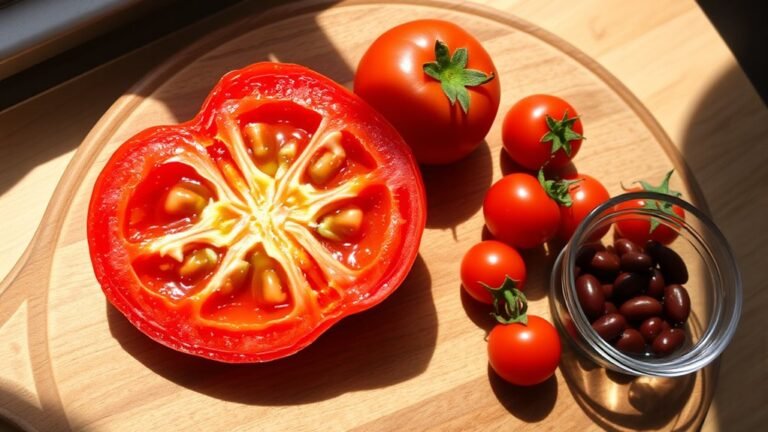
Quick Summary
Tomatoes are a nutritious, kid-friendly food that provides vitamin C, lycopene, potassium, fiber, and vitamin A precursors while being naturally low in calories.
The Direct Answer
Tomatoes can support children’s immune function, digestion, healthy vision, and normal growth. Fresh, cooked, or low-sodium tomato products can all fit into a varied, balanced diet
Tomatoes are a nutritious food for growing kids. They provide useful nutrients in a tasty, versatile package that’s easy to add to meals.
What makes tomatoes a healthy choice for kids? A medium fresh tomato (about 123 g) provides about 17 mg of vitamin C, which supports normal immune function, plus lycopene, an antioxidant pigment, potassium for normal nerve and muscle function, and fiber for digestive health, all with natural sweetness and low calories.
Key Nutrients in Tomatoes for Child Development
Tomatoes support a child’s growth by delivering a combination of crucial vitamins, minerals, and antioxidants.
Vitamin C: The Immunity Booster
Vitamin C in tomatoes supports normal immune function in children and aids in the absorption of iron from other plant foods.
Lycopene: The Cell Protector
This antioxidant pigment gives tomatoes their red color. In laboratory studies it helps protect cells from oxidative damage; research in children is limited.
Potassium for Heart and Muscles
Tomatoes contain potassium, a mineral the body needs for normal nerve and muscle function, including the heart.
Dietary Fiber for Digestive Health
The fiber in tomato skin and flesh promotes healthy digestion and a feeling of fullness.
Practical Ways to Serve Tomatoes to Kids
Incorporating tomatoes into a child’s diet can be simple and creative.
Kid-Friendly Serving Ideas
- Snacks: Cherry tomatoes with a yogurt-based dip (cut into quarters for children under 4, since whole cherry tomatoes are a choking hazard).
- Main Dishes: Diced tomatoes in pasta sauces, on homemade pizza, or in tacos.
- Sides: Fresh tomato slices or a simple salsa.
Tomato Nutrition in Context: Serving Size Matters
Understanding what’s in a typical serving helps put tomato nutrition facts for kids into perspective.
| Nutrient | Amount | Benefit for Kids |
|---|---|---|
| Vitamin C | ~17 mg | Supports immune system and skin health |
| Lycopene | ~3.2 mg | Acts as a protective antioxidant |
| Potassium | ~292 mg | Essential for muscle and nerve function |
| Dietary Fiber | ~1.5 g | Promotes digestive health |
FAQs About Tomato Nutrition for Kids
Are cooked tomatoes as healthy as fresh for kids?
Yes. Cooking, especially with a little healthy fat like olive oil, increases the availability of lycopene, making it easier for the body to absorb.
What if my child doesn’t like raw tomatoes?
Try incorporating tomatoes in cooked forms, like a smooth pasta sauce, soup, or as part of a homemade ketchup with reduced sugar.
How do tomatoes compare to other kid-friendly fruits?
Tomatoes offer a unique nutrient profile, particularly their lycopene content, which is much higher than in most common fruits like apples or bananas.
For a complete breakdown of nutrients, explore our comprehensive guide to tomato nutrition.
Why Tomatoes Are a Healthy Choice for Kids
Are Tomatoes Good for Kids?
Parents often ask if tomatoes are a healthy choice for their children. For most children, the answer is yes. Tomatoes are a nutritious, low-calorie food that fits well into meals for growing bodies.
Tomatoes are a nutritious food for most kids. They provide vitamins, minerals, and antioxidants that contribute to normal growth and immune function as part of a varied diet. Their natural sweetness and versatility make them an easy addition to family meals.
Key Nutrients in Tomatoes for Child Development
Understanding what makes tomatoes good for kids starts with their unique nutrient profile. These components work together to support growth and overall wellness.
Lycopene: The Powerful Antioxidant
Lycopene, which gives tomatoes their red color, is a standout nutrient. It acts as an antioxidant, although studies have not shown specific health benefits of lycopene for children.
Vitamin C for a Strong Immune System
A medium tomato provides about 17 mg of vitamin C. The RDA is 15 mg a day for children aged 1 to 3, 25 mg for ages 4 to 8, and 45 mg for ages 9 to 13, so one tomato covers a large share for younger children. This vitamin is vital for immune function, wound healing, and helping the body absorb iron from other foods.
Potassium for Healthy Growth
Tomatoes provide potassium, an electrolyte that supports normal nerve and muscle function.
Vitamin A and Beta-Carotene for Vision
The beta-carotene in tomatoes can be converted to vitamin A, which supports normal vision and healthy skin. Tomatoes provide only a modest amount, so foods such as carrots, sweet potatoes, eggs, and dairy supply most of a child’s vitamin A.
Practical Ways to Serve Tomatoes to Kids
The versatility of tomatoes makes them a parent’s ally. Here are easy, kid-approved serving ideas.
- Snack Slices: Cut cherry tomatoes into quarters for children under 4 (whole cherry and grape tomatoes are a choking hazard), or slice larger tomatoes into wedges.
- Blended Sauces: Incorporate tomato puree into pasta sauces, soups, or chili. The blended texture is often more appealing.
- Food Fun: Use cherry tomatoes as “wheels” on a snack plate or create mini pizza faces on whole-wheat English muffins.
- Sweet Salsas: Mix diced tomatoes with mango or peach for a fruit-based salsa served with baked chips.
- Flavor Booster: Add finely diced tomatoes to omelets, quesadillas, or lean ground meat dishes like tacos.
Nutritional Comparison: Common Kids’ Snacks vs. Tomatoes
| Snack Option | Key Benefit for Kids | Practical Note |
|---|---|---|
| Cherry Tomatoes (1 cup) | High in Vitamin C & Lycopene | Ready-to-eat, no prep needed. |
| Tomato Sauce (1/2 cup) | Concentrated Lycopene | Choose low-sodium versions. |
| Tomato Soup (1 cup, prepared) | Hydrating & Nutrient-Dense | Pair with a whole-grain grilled cheese. |
| Sliced Beefsteak Tomato (2 large slices) | Provides Potassium & Fiber | Add to sandwiches or burgers. |
Addressing Common Parent Concerns
Some parents have specific questions about feeding tomatoes to children.
Are Tomatoes a Common Allergen?
Tomato allergies are rare but possible. Introduce tomatoes as you would any new food, watching for reactions, and talk to your child’s doctor if you notice a rash, swelling, or vomiting.
Acidity and Sensitive Stomachs
The mild acidity in tomatoes is usually well tolerated. Some children with reflux or a sensitive stomach notice symptoms after tomato sauces or other tomato foods; if so, talk to your child’s doctor.
Picky Eater Strategies
Use the natural sweetness of ripe cherry or grape tomatoes (quartered for toddlers). Involve kids in washing or growing them. Pair tomatoes with familiar, liked foods like cheese or pasta.
How Tomato Nutrition Fits into a Child’s Overall Diet
Tomatoes are one part of a varied diet. For a complete look at the nutritional value of tomatoes, see our foundational guide on Tomato Nutrition Facts. That page provides detailed data on vitamins, minerals, and antioxidants to help you make informed choices.
Frequently Asked Questions
At what age can I introduce tomatoes to my baby?
Tomatoes can be introduced when your baby starts solids, typically around 6 months. Ensure they’re cooked, pureed, or offered as a soft, manageable paste to avoid choking hazards. Always consult your pediatrician.
Are canned tomatoes or tomato paste as healthy for kids?
Yes. Processed tomato products like paste and sauce provide lycopene in a form the body absorbs well. Opt for low-sodium or no-salt-added varieties when possible.
How many tomatoes should my child eat?
There’s no strict number. A good goal is to include tomatoes or tomato products in several meals throughout the week as part of a diet rich in colorful fruits and vegetables.
Do tomatoes help with hydration?
Yes. Tomatoes are over 94% water, making them a hydrating food choice, especially during warm weather or for active kids.
What’s Inside: The Big Three Tomato Nutrients
The Big Three Tomato Nutrients: Lycopene, Potassium, and Vitamin A
Tomatoes are more than just a colorful addition to your meal. Their standout nutritional value comes from three key compounds: lycopene, potassium, and vitamin A. This page details what each nutrient does and how tomatoes deliver them.
1. Lycopene: The Signature Antioxidant
Lycopene is a carotenoid pigment that gives ripe tomatoes their characteristic red color. It acts as an antioxidant, meaning it can help protect cells from damage in laboratory studies.
Key Benefits of Lycopene
- Cell Protection: Lycopene neutralizes free radicals, unstable molecules that can harm cells.
- Bioavailability: Your body absorbs lycopene more easily from cooked or processed tomato products (like sauce, paste, or soup) than from raw tomatoes.
- Tomato-Specific: While found in other red and pink fruits, tomatoes and tomato products are the most significant dietary source.
2. Potassium: The Essential Electrolyte
Potassium is a crucial mineral and electrolyte that supports several vital bodily functions. A medium tomato provides about 292 mg, roughly 6% of the Daily Value.
Key Functions of Potassium
- Nerve Signaling: It enables your nerves to send messages effectively.
- Muscle Function: Potassium aids in proper muscle contraction, including your heart muscle.
- Fluid Balance: It works with sodium to maintain healthy fluid balance within and around your cells.
3. Vitamin A (from Beta-Carotene): For Vision and Immunity
Tomatoes contain beta-carotene, which your body converts into vitamin A. This fat-soluble vitamin is fundamental for good health.
Key Roles of Vitamin A
- Eye Health: It’s a component of rhodopsin, a protein in your eyes that allows you to see in low-light conditions.
- Immune Support: Vitamin A helps maintain the health of your skin and mucous membranes, your body’s first line of defense against pathogens.
- Skin & Cell Growth: It plays a role in cellular growth and regeneration.
Putting It All Together: Nutrition in Context
To understand the combined impact, here’s a look at the approximate contribution of one medium raw tomato (about 123g) to your daily values.
| Nutrient | Amount in 1 Medium Tomato | % Daily Value (DV)* |
|---|---|---|
| Lycopene | ~3.2 mg | DV not established |
| Potassium | ~292 mg | ~6% |
| Vitamin A (RAE) | ~52 µg | ~6% |
*Based on a 2,000-calorie diet. Percent Daily Values are estimated.
For the complete nutritional profile, including calories, fiber, vitamin C, and more, see our pillar page on Tomato Nutrition Facts.
Frequently Asked Questions (FAQ)
Which tomato color has the most lycopene?
Red, ripe tomatoes have the highest lycopene content. Yellow, orange, and green varieties contain significantly less, as lycopene develops with the red pigmentation.
Do cooked tomatoes lose these nutrients?
While heat reduces some vitamins like C, it significantly increases the bioavailability of lycopene. Potassium is not destroyed by heat, and beta-carotene generally holds up well to ordinary cooking.
Are tomatoes a good source of potassium compared to bananas?
A medium tomato provides about 6% of the DV for potassium, while a medium banana provides about 9%. Tomatoes are a useful, low-calorie way to contribute to your daily potassium intake alongside other fruits and vegetables.
How can I increase absorption of these tomato nutrients?
Consuming tomatoes with a source of healthy fat (like olive oil, avocado, or cheese) improves the absorption of the fat-soluble compounds lycopene and beta-carotene.
How Vitamin C in Tomatoes Strengthens Your Immune System
The direct answer: The vitamin C in tomatoes supports your immune system by contributing to the normal function of white blood cells, acting as a protective antioxidant for immune cells, and helping maintain the integrity of your skin as a primary defense barrier.
Since the body can’t produce vitamin C and stores only limited amounts, it needs a regular supply from foods, and tomatoes are one convenient source.
The Role of Vitamin C in Immune Defense
Vitamin C, or ascorbic acid, is a water-soluble vitamin critical for several immune system processes. Unlike many animals, humans can’t synthesize vitamin C, making dietary sources like tomatoes essential.
Enhancing White Blood Cell Function
Your immune system relies on white blood cells (leukocytes) to identify and neutralize pathogens. Vitamin C in tomatoes contributes to:
- Phagocyte Function: It supports cells that engulf and destroy bacteria and other foreign particles.
- Lymphocyte Activity: It aids in the production and function of T-cells and B-cells, which are responsible for targeted immune responses.
- Chemotaxis: It helps these immune cells move more effectively toward sites of infection.
Providing Antioxidant Protection
Immune cells generate free radicals during their defensive actions. Vitamin C acts as a potent antioxidant in tomatoes, neutralizing these compounds and protecting your immune cells from oxidative damage, thereby helping them remain functional and effective.
Supporting Skin Barrier Integrity
The skin is your body’s first line of defense. Vitamin C is necessary for the synthesis of collagen, a protein that helps maintain the integrity of skin and epithelial tissues throughout the body, creating a stronger physical barrier against pathogens.
Tomatoes as a Practical Source of Vitamin C
While citrus fruits often get top billing, tomatoes are a versatile, useful source of vitamin C.
| Tomato Form | Serving Size | Vitamin C (mg) | % of Daily Value* |
|---|---|---|---|
| Raw, medium tomato | 1 tomato (123g) | ~17 mg | ~19% |
| Cooked tomato sauce | 1/2 cup (125g) | Varies by recipe and cooking time | Check the label |
| Sun-dried tomatoes | 1/4 cup (13.5g) | ~5 mg | ~6% |
| Tomato juice, canned | 1 cup (240ml) | Varies widely (some brands add vitamin C) | Check the label |
*Based on a 90 mg Daily Value for adults.
Cooking reduces some of the vitamin C in tomatoes, while it makes lycopene more bioavailable. Including both raw and cooked tomatoes in your diet ensures a good vitamin C intake.
For a full breakdown of all nutrients, see our complete Tomato Nutrition Facts pillar page.
How to Use Tomatoes for Immune Support
To leverage the vitamin C in tomatoes for your immune system, regular consumption is key. Here are effective ways to include them in your diet:
- Fresh Additions: Add sliced raw tomatoes to sandwiches, salads, and salsas.
- Cooked Concentrates: Use tomato paste, sauce, or cooked crushed tomatoes in soups, stews, and pasta dishes.
- Convenient Options: Incorporate no-sugar-added tomato juice or canned diced tomatoes into quick meals.
- Nutrient Pairing: Combine tomatoes with a source of healthy fat (like olive oil) to aid in the absorption of other fat-soluble nutrients like lycopene, creating a broader nutritional benefit.
Frequently Asked Questions (FAQ)
Do cooked tomatoes have less vitamin C for immunity?
Heat does reduce some vitamin C, and the loss depends on cooking time and temperature, but cooking increases the bioavailability of other antioxidants like lycopene.
Including both raw and cooked tomatoes in your diet ensures a good vitamin C intake.
Can I get enough vitamin C just from tomatoes?
Tomatoes are a good contributor, but it’s best to consume a variety of vitamin C-rich foods (like bell peppers, broccoli, citrus) alongside tomatoes.
Are tomato supplements as effective for immunity?
Whole tomatoes provide a complex matrix of nutrients, fiber, and antioxidants that work synergistically, which isolated supplements can’t fully replicate. Food-first is the recommended approach. In the US, the FDA does not approve dietary supplements before they are sold, and supplements can interact with medicines, so ask your doctor before giving any supplement to a child.
How does tomato vitamin C compare to oranges?
Weight-for-weight, oranges contain more vitamin C. However, tomatoes are often consumed in larger serving sizes and in more varied culinary applications, making them a practical everyday source.
Lycopene: What Makes Tomatoes Red and Healthy
Lycopene: The Antioxidant That Makes Tomatoes Red
Lycopene is the carotenoid pigment responsible for the red color in tomatoes and a key contributor to their nutritional profile.
Understanding this nutrient helps you get the most health benefits from your tomato consumption.
Direct Answer: Lycopene is a fat-soluble antioxidant compound that gives tomatoes, watermelon, and pink grapefruit their red and pink hues.
Your body absorbs it best from cooked or processed tomato products like sauce, paste, or canned tomatoes, where it helps protect cells from damage.
What Is Lycopene?
Lycopene is a type of organic pigment called a carotenoid.
It functions as a potent antioxidant in plants and, when consumed, in the human body.
Unlike some other carotenoids, lycopene doesn’t convert to vitamin A.
Its primary role is to neutralize free radicals—unstable molecules that can cause oxidative stress and damage to cells.
Lycopene as Your Body’s Cleanup Crew
Think of antioxidants like lycopene as part of your body’s maintenance team.
They seek out and stabilize free radicals before they can harm cells.
In laboratory tests, lycopene is one of the most active carotenoid antioxidants, which is one reason it’s a standout nutrient in tomato nutrition.
Why Cooked Tomatoes Are Better for Lycopene Absorption
Lycopene bioavailability increases significantly when tomatoes are heated and processed.
The cooking process breaks down plant cell walls, releasing more lycopene and making it easier for your body to absorb, especially when consumed with a small amount of healthy fat.
| Tomato Product | Lycopene Absorption Advantage |
|---|---|
| Canned Tomatoes/Tomato Sauce | High (cell walls broken down by cooking) |
| Tomato Paste | Very High (concentrated, cooked source) |
| Tomato Soup | High (cooked, often contains oil) |
| Fresh, Raw Tomatoes | Moderate (best paired with olive oil or avocado) |
| Sun-Dried Tomatoes | High (dehydration concentrates lycopene) |
Health Benefits of Lycopene from Tomatoes
The primary benefit of dietary lycopene is its role in reducing oxidative stress.
This cellular protection supports several areas of health.
- Heart Health: By protecting LDL cholesterol from oxidation, lycopene may support cardiovascular function.
- Cell Integrity: It may help limit the type of cell damage linked to various chronic conditions, although studies have not shown that lycopene prevents these conditions.
- Skin Health: Some research indicates it may help protect skin from environmental stressors.
It’s crucial to view lycopene as one component within the complete nutritional package of the tomato, which includes vitamin C, potassium, and fiber.
Other Dietary Sources of Lycopene
While tomatoes are the most common and concentrated source, lycopene is also present in other red and pink fruits.
- Watermelon
- Pink Grapefruit
- Guava
- Papaya (particularly red varieties)
- Red Bell Peppers (smaller amounts)
Tomato-based products, however, typically provide a more concentrated and bioavailable dose.
Practical Tips for Getting More Lycopene
To maximize your lycopene intake from tomatoes, incorporate these practices:
- Choose processed tomato products like canned tomatoes, passata, or paste for cooking.
- Add a teaspoon of olive oil to your tomato sauce or soup to enhance fat-soluble absorption.
- Include sun-dried tomatoes in salads, pastas, and sandwiches.
- When using raw tomatoes, pair them with an avocado or an oil-based dressing.
Frequently Asked Questions (FAQ)
Do all tomatoes have the same amount of lycopene?
No.
Lycopene concentration increases as tomatoes ripen, so fully red, ripe tomatoes have more than unripe green ones.
Levels also vary with variety and growing conditions.
Can you get too much lycopene from tomatoes?
Dietary lycopene from food sources like tomatoes is considered safe and not associated with toxicity.
Excessive consumption of tomato products may cause temporary digestive discomfort for some people, but the lycopene itself isn’t harmful.
Is lycopene destroyed by cooking?
No.
While some nutrients are heat-sensitive, lycopene holds up well to ordinary cooking.
In fact, as noted above, cooking increases its bioavailability, making it easier for your body to use.
Are tomato supplements as good as whole tomatoes?
Whole tomatoes and tomato products provide lycopene within a matrix of other beneficial nutrients and fiber.
Supplements may not offer the same synergistic benefits and are generally unnecessary if you regularly consume tomato-based foods. Ask your doctor before giving a child any supplement.
Can Tomatoes Help You See in the Dark?
Do Tomatoes Help You See in the Dark?
Many people hear that tomatoes are good for vision and wonder if they can grant night-vision superpowers.
The answer is rooted in solid nutrition science, not superhuman abilities.
This page explains exactly how tomatoes contribute to eye health and low-light vision.
Direct Answer: Tomatoes won’t give you cat-like night vision or let you see in total darkness.
However, they contain beta-carotene, which your body converts to vitamin A, which is essential for maintaining healthy eyes and supporting your natural ability to see in low-light conditions, like at dusk or in a dimly lit room.
The Science of Tomatoes and Low-Light Vision
The link between tomatoes and vision lies in a specific group of nutrients: vitamin A precursors, primarily beta-carotene.
Your body converts these into active vitamin A.
From Tomato to Rhodopsin: The Vision Pathway
Vitamin A is a crucial building block for rhodopsin, a photopigment found in the rod cells of your retina.
Rod cells are responsible for vision in low light.
- You Eat a Tomato: You consume beta-carotene and other carotenoids.
- Your Body Converts It: Mainly in the intestine, your body converts beta-carotene into retinol (vitamin A). Lycopene is not converted.
- Your Eye Uses It: The retina uses retinol to regenerate rhodopsin.
- Light is Captured: Rhodopsin absorbs photons of light, initiating the visual signal to your brain.
Think of it like a camera.
Vitamin A helps maintain the light-sensitive “sensor” (your retina).
Without adequate vitamin A, the sensor can’t function optimally in dim light, leading to slower dark adaptation.
Tomato Nutrition for Eye Health
Many foods provide vitamin A; tomatoes contribute a modest amount along with other useful compounds.
The key nutrients involved are listed below.
| Nutrient in Tomato | Role in Eye & Vision Health | Approximate Amount per 100g Raw Tomato |
|---|---|---|
| Beta-Carotene (Pro-Vitamin A) | Converted to vitamin A for rhodopsin production. | ~449 µg |
| Lycopene | An antioxidant; it is not converted to vitamin A, and its effect on eye health is still being studied. | ~2573 µg |
| Vitamin C | Needed to make collagen, including in the eye’s blood vessels, and acts as an antioxidant. | ~13.7 mg |
For a complete breakdown of tomato nutrients, see our full Tomato Nutrition Facts pillar page.
Practical Takeaways: Serving Size and Diet Context
You won’t get “X-ray vision” from a single salad.
The benefits come from consistent inclusion in a balanced diet.
- Cooking Helps: Cooking tomatoes with a little healthy fat (like olive oil) increases the bioavailability of beta-carotene and lycopene.
- Combine for Absorption: Pair tomatoes with a source of fat (e.g., in a sauce, with avocado, or drizzled with oil) for best nutrient absorption.
- Part of a Whole Diet: Tomatoes are one source.
- Dark leafy greens, orange vegetables, eggs, and liver also contribute vitamin A.
Frequently Asked Questions (FAQ)
Can eating a lot of tomatoes give me night vision?
No.
There’s a biological limit to how much vitamin A your body can use and store.
Excess beta-carotene from tomatoes may cause temporary skin yellowing (carotenodermia) but isn’t dangerous.
However, extremely high pre-formed vitamin A intake from supplements can be toxic.
Are certain tomato varieties better for eye health?
Generally, richer colors indicate higher carotenoid content.
Cooked and processed tomato products (like paste, sauce, and sun-dried tomatoes) offer a more concentrated source of beta-carotene and lycopene per serving compared to raw tomatoes.
If I’ve a vitamin A deficiency, will tomatoes cure my night blindness?
No. Foods such as tomatoes can contribute vitamin A as part of a medically guided diet, but tomatoes alone will not correct a deficiency.
However, a clinically diagnosed deficiency requires professional medical advice and treatment, which may include therapeutic doses of vitamin A.
How quickly can tomatoes improve dark adaptation?
Nutritional changes work over time, not instantly.
Consistently including foods that supply vitamin A, such as carrots, leafy greens, eggs, and tomatoes, in your diet supports the ongoing regeneration of rhodopsin.
You won’t notice an immediate effect after one meal.
Tomatoes for Strong Bones: The Role of Potassium
The Role of Potassium in Tomatoes for Bone Health
While tomatoes are famous for lycopene, their potassium content is sometimes linked to bone health. This page explains what the evidence says about potassium and skeletal strength and how to incorporate them into your diet for this benefit.
How Potassium in Tomatoes Protects Your Bones
Bone is living tissue in a constant state of remodeling—old bone is broken down and new bone is formed. This process, along with typical metabolism, can release acids into the bloodstream. A chronic state of low-grade metabolic acidity has been proposed as harmful to bone.
Potassium from fruits and vegetables, including tomatoes, comes with base-forming compounds. When you consume potassium-rich foods, it helps neutralize these dietary and metabolic acids. According to this acid-ash theory, a more balanced acid load means the body draws less on the calcium salts stored in bone.
However, a 2009 meta-analysis of calcium balance studies found no evidence that a higher dietary acid load causes bone loss, and a 2-year trial in 276 postmenopausal women found that potassium citrate or extra fruit and vegetables did not reduce bone loss. Potassium-rich foods are still worth eating, but they have not been shown to prevent osteoporosis or fractures on their own, and maintaining bone density depends on many factors.
Potassium Content in Different Tomato Forms
Not all tomato products offer potassium in the same concentration. Here’s a practical look to help you plan servings.
| Tomato Product | Approximate Potassium per Serving | Serving Size Context |
|---|---|---|
| Raw Tomato (medium) | ~290 mg | One baseball-sized tomato |
| Tomato Paste | ~670 mg (per ¼ cup, 66 g) | Concentrated; high in potassium |
| Canned Crushed Tomatoes | ~355 mg (per ½ cup, 121 g) | A common recipe base |
| Sun-Dried Tomatoes | ~460 mg (per ¼ cup, 13.5 g) | Potent, flavorful addition |
| Tomato Juice (low-sodium) | ~530 mg (per 1 cup) | A quick, liquid option |
For comparison, the common daily value (DV) for potassium is 4,700 mg. A medium raw tomato provides about 6% of the DV, while more concentrated forms like paste offer significantly more. If your child has kidney disease or has been told to limit potassium, follow the doctor’s advice on tomato products.
Integrating Tomatoes for Bone-Supportive Potassium
If you want more potassium in your diet, here are practical, tomato-specific ways to add it:
- Use Paste as a Base: Stir a tablespoon or two of tomato paste into soups, stews, and sauces. It’s a potent, flavor-rich potassium boost.
- Create a Sun-Dried Tomato Blend: Pulse sun-dried tomatoes (packed in oil or rehydrated) into pestos, salad dressings, or sprinkle on grains.
- Drink Tomato Juice: Opt for low-sodium versions. A small cup with breakfast is an easy habit.
- Add Stewed or Crushed Tomatoes: Use a cup of canned stewed or crushed tomatoes as the foundation for chili, shakshuka, or braised dishes.
Remember, bone health is multifactorial. Tomatoes contribute potassium, but a holistic approach includes weight-bearing exercise, adequate calcium and vitamin D intake, and other nutrients. You can explore the full profile of tomato nutrients on our central Tomato Nutrition Facts pillar page.
Frequently Asked Questions
Are cooked tomatoes better for potassium than raw?
Cooking doesn’t destroy potassium, but it can concentrate it. Tomato products like paste, sauce, and canned tomatoes often have more potassium per gram than a fresh tomato because the water content has been reduced. Both forms are useful.
Can tomatoes replace other potassium sources like bananas?
Tomatoes can complement them. A medium banana has about 420mg of potassium. An equivalent serving of tomato paste or a cup of tomato juice provides more, while a fresh tomato provides slightly less. Variety is key for overall nutrition.
Does the acid in tomatoes harm bones?
No. There is no good evidence that the natural citric and malic acids in tomatoes harm bones. These acids are metabolized by the body, and tomatoes are generally counted as base-forming foods, but that has not been shown to protect bones either.
Are there tomato varieties with more potassium?
Potassium levels vary somewhat between varieties and growing conditions. For the highest potassium intake, choose concentrated products like paste, puree, or sun-dried tomatoes regardless of the original tomato type.
How the Water and Fiber in Tomatoes Help Your Body
How the Water and Fiber in Tomatoes Support Digestion and Health
While tomatoes are celebrated for vitamins like C and lycopene, their foundational water and fiber content is essential for daily bodily functions. This combination directly supports digestive efficiency, hydration, and satiety in a practical, food-first way.
Direct Answer: Tomatoes are about 94.5% water and provide both soluble and insoluble fiber, primarily from the skin and seeds. This duo helps hydrate your system, promote regular bowel movements, and contribute to a feeling of fullness, supporting overall digestive health.
The Hydration Power of Tomato Water Content
With a water composition of approximately 94-95%, tomatoes are a hydrating food. Consuming water-rich foods like tomatoes contributes to your daily fluid intake, supporting cellular function, nutrient transport, and temperature regulation directly through your diet.
Serving-Size Context: Hydration from Tomatoes
One medium raw tomato (about 123g) provides roughly 115ml of water. Including a tomato in a salad or snack is a simple way to complement your fluid intake from beverages.
How Tomato Fiber Acts as a Digestive Aid
The fiber in tomatoes comes in two forms, each with a distinct role in your digestive system.
Insoluble Fiber: The “Broom” in Your Gut
Found predominantly in the skin and seeds, insoluble fiber adds bulk to stool. It helps material move more quickly through the digestive tract, which can help prevent constipation and promote regularity.
Soluble Fiber: The Supportive Gel
Present in the tomato flesh, soluble fiber dissolves in water to form a gel-like substance. This can help soften stool and may support healthy blood sugar and cholesterol levels as part of a balanced diet.
Fiber Content in Common Tomato Forms
| Tomato Type / Form | Approximate Fiber (per 100g serving) | Notes on Source |
|---|---|---|
| Raw, whole | 1.2g | Skin and seeds provide most insoluble fiber. |
| Canned, crushed | 1.9g | Process often includes skins, boosting fiber. |
| Sun-dried | 12.3g | Concentrated by weight; watch for added salt. |
| Tomato juice, no salt | 0.4g | Lower fiber due to removal of skin/seeds during juicing. |
The Combined Effect: Water + Fiber for Digestive Health
Together, water and fiber create a synergistic effect in your digestive tract. The water helps hydrate the fiber, allowing it to swell and function effectively—whether that’s insoluble fiber adding bulk or soluble fiber forming its beneficial gel. This keeps the digestive process smooth and efficient.
Practical Benefits You Might Notice
- Preventing Constipation: The insoluble fiber adds bulk, while the water content helps soften stool, making it easier to pass.
- Supporting Normal Digestion: Adequate fluid and fiber support normal, comfortable digestion.
- Promoting Satiety: The volume from water and fiber can contribute to feeling full, which may help with portion control as part of a meal or snack.
Maximizing the Water and Fiber from Your Tomatoes
To get the most from this nutrient pair, consider these practical tips tied to tomato preparation.
- Eat the Skin: Since the skin is a prime source of insoluble fiber, avoid peeling tomatoes when possible (ensure they are washed well).
- Include Seeds: Similarly, the seeds contribute fiber. Use the whole tomato in salsas, salads, and slices.
- Pair for Hydration: Add tomato slices to sandwiches or eat cherry tomatoes as a snack for a hydrating fiber boost alongside your water intake.
- Cook Concentrated Forms: Use tomato paste, canned tomatoes, or sun-dried tomatoes in cooking for a more concentrated fiber dose per tablespoon, though water content is lower.
For a complete breakdown of all nutrients, refer to our pillar page on Tomato Nutrition Facts.
FAQs: Tomato Water and Fiber
Do cooked tomatoes lose their fiber?
No, cooking does not destroy dietary fiber. Concentrated products such as tomato paste have more fiber per gram because water is removed.
Is tomato juice a good source of fiber?
Tomato juice is generally low in fiber because the juicing process typically removes the skin and seeds, where most of the insoluble fiber is found. It remains a source of hydration and other nutrients like lycopene and vitamins.
Which tomato variety has the most fiber?
Fiber content is fairly consistent across fresh tomato varieties, at about 1.2 g per 100 g for red tomatoes. Sun-dried tomatoes provide the most concentrated amount of fiber by weight.
Can the water in tomatoes count toward my daily water intake?
Yes. The water content in all fruits and vegetables contributes to your total daily fluid intake. Eating water-rich foods like tomatoes is a beneficial way to support hydration alongside drinking water and other beverages.
From Salad to Sauce: Does Cooking Change Tomato Nutrition?
Cooking Tomatoes and Nutrition Changes
Turning fresh tomatoes into a sauce alters their nutritional value. Some nutrients become more available, while others are reduced by heat. This page explains how cooking changes tomato nutrition.
Cooking tomatoes increases the bioavailability of the antioxidant lycopene but decreases heat-sensitive vitamin C. Both fresh and cooked tomatoes offer distinct nutritional benefits.
How Cooking Affects Tomato Nutrition
The heat from cooking breaks down the tomato’s thick cell walls. This process makes the antioxidant lycopene much easier for your body to absorb.
Your body can get more of this nutrient from cooked products like pasta sauce than from a fresh slice. However, the same cooking process reduces the amount of vitamin C, which is sensitive to heat.
Nutrient Concentration and Reduction
Don’t worry, you’ll still get benefits either way! A fresh tomato in your salad provides a great crunch and vitamin C boost, while a cooked one in your sauce offers a richer source of absorbable lycopene.
FAQ: Cooking Tomato Nutrition
- Does cooking destroy tomato nutrients? Cooking doesn’t destroy all nutrients. It significantly increases lycopene bioavailability while reducing vitamin C content.
- Are cooked tomatoes healthier than raw? It depends on your nutritional goal. For lycopene absorption, cooked are superior. For vitamin C, raw tomatoes are better.
- Can I get the benefits of both? Yes. Including both fresh and cooked tomatoes in your diet provides a range of nutrients.
Fun and Easy Ways to Eat More Tomatoes
Fun and Easy Ways to Eat More Tomatoes
Adding more tomatoes to your family’s diet is simple and can be enjoyable. These practical, tomato-focused ideas help increase intake for both kids and adults, leveraging their versatility and nutrition.
Why Focus on Eating More Tomatoes?
Tomatoes are a nutritious, low-calorie food: a good source of vitamin C that also provides potassium and the antioxidant lycopene.
Whether raw or cooked, they contribute to a healthy diet. For more detailed breakdowns, visit our comprehensive guide on tomato nutrition.
Interactive and Fun Tomato Ideas for Kids
Making tomatoes engaging encourages kids to try them willingly.
Create Edible Art
Turn snack time into a creative activity. Let children skewer cherry tomatoes with cheese cubes to make colorful, edible kebabs. Supervise closely, use blunt skewers, and for children under 4 cut the tomatoes into quarters and skip the skewers.
Build a Tomato Pizza Face
Use a thick tomato slice as a base. Add olive slices for eyes and a strip of cheese for a mouth to create a fun “pizza face” that’s perfect for lunches.
Simple Ways to Add Tomatoes to Everyday Meals
Tomatoes can be seamlessly integrated into common dishes for a nutritious boost.
- Blend into Sauces: Puree tomatoes and mix them into pasta sauces, chili, or soups. This adds richness, nutrients, and natural sweetness without altering the flavor profile significantly.
- Keep Them Accessible: Maintain a bowl of washed grape or cherry tomatoes on the kitchen counter for a quick, grab-and-go snack for older kids; quarter them for children under 4.
Quick Tomato Snacks and Sides
These options are perfect for busy days.
- Serve fresh tomato salsa with whole-grain chips.
- Bake halved cherry tomatoes topped with breadcrumbs and a sprinkle of cheese for a warm, savory bite.
Frequently Asked Questions
Are raw or cooked tomatoes more nutritious?
Both forms are beneficial. Cooking tomatoes can increase the bioavailability of lycopene, while raw tomatoes provide more vitamin C.
Including both in your diet is ideal.
How can I use tomatoes if my child is a picky eater?
Start by incorporating tomato purees into familiar foods like spaghetti sauce or soup. The mild, sweet flavor often goes unnoticed, providing nutrition without a battle.
What are the best tomato varieties for snacking?
Grape, cherry, and cocktail tomatoes are excellent for snacking due to their sweet flavor, small size, and low moisture content, making them less messy. For children under 4, cut them into quarters to reduce the risk of choking.
Tomato Myths vs. Facts: The Truth About This Fruity Veggie
Tomato Myths vs Facts: The Botanical and Nutritional Truth
Tomatoes are a kitchen staple, but confusion persists about their true nature and health effects. This guide separates enduring tomato myths from evidence-based facts, providing clarity on their classification, safety, and nutritional profile.
Direct Answer: Tomatoes are botanically classified as fruits because they develop from the flower’s ovary and contain seeds. However, their savory flavor profile leads to their culinary use as a vegetable. Common concerns about toxicity and acidity are largely unfounded for the vast majority of people.
Myth 1: “Tomatoes Are a Vegetable”
The Botanical Fact: Tomatoes Are Fruits
In botanical terms, a fruit is the seed-bearing structure that develops from the ovary of a flowering plant. By this definitive scientific standard, the tomato is unequivocally a fruit. This classification applies to all varieties, from large Beefsteak to small cherry tomatoes.
Why the Culinary Confusion Exists
Culinarily, ingredients are categorized by flavor and usage. Tomatoes have a savory, umami-rich taste rather than the pronounced sweetness of common fruits like apples or berries. This flavor profile, and their typical use in salads, sauces, and savory dishes, justifies their label as a “vegetable” in the kitchen and even in historical legal contexts like the 1893 U.S. Supreme Court case Nix v. Hedden.
Myth 2: “Green Tomatoes Are Poisonous”
Unripe, green tomatoes are not poisonous to humans. The concern stems from a misunderstanding related to the plant’s foliage, which contains toxic alkaloids like solanine and tomatine. Green fruit contains more tomatine than ripe fruit, but green tomatoes are commonly eaten cooked, for example as fried green tomatoes, without problems in normal amounts.
Nutritional Profile: Green vs. Red Tomatoes
The primary difference between green and ripe red tomatoes is their nutrient composition. Lycopene, the potent antioxidant that gives red tomatoes their color, develops during the ripening process. Green tomatoes are lower in lycopene but still contain other valuable nutrients like vitamin C, potassium, and fiber. They are generally safe to eat cooked, as in fried green tomatoes, or used in relishes.
Myth 3: “Tomatoes Are Too Acidic for Digestive Health”
While tomatoes have a pH of around 4.3-4.9, classifying them as acidic, they are generally well-tolerated. For most people, their acidity is not a problem.
Acidity Context and Practical Advice
The citric and malic acids in tomatoes contribute to their bright flavor. People with specific conditions like GERD (gastroesophageal reflux disease) or a known sensitivity may need to moderate intake. For the general population, tomatoes do not cause digestive problems. If you or your child has reflux, talk to your doctor about which foods to limit.
Tomato Nutrition: A Practical Breakdown
Beyond the myths, tomatoes are a low-calorie, nutrient-rich food. A one-cup serving (approx. 180g) of chopped red tomato provides:
- Calories: 32
- Vitamin C: 27% of the Daily Value (DV)
- Vitamin A: 8% of the DV
- Potassium: 9% of the DV
- Lycopene: About 4.6 mg
- Fiber: 2.2 grams
For a complete nutritional analysis, visit our central resource: Tomato Nutrition Facts and Health Benefits.
How to Incorporate More Tomatoes into Your Diet
Understanding the facts makes it easier to enjoy tomatoes regularly. Here are simple, practical ways to add them to meals:
- Fresh: Add sliced tomatoes to sandwiches, dice for salsas, or enjoy in caprese salad.
- Cooked: Use canned or fresh tomatoes as the base for pasta sauces, soups, and stews.
- Concentrated: Utilize tomato paste for a deep umami flavor, or sun-dried tomatoes for a chewy texture.
- Preserved: Explore home-canning or making your own tomato jam, following tested canning recipes, which call for added lemon juice or citric acid.
Frequently Asked Questions (FAQ)
Are tomato leaves edible?
No. Unlike the fruit, tomato leaves and stems contain alkaloids that can be toxic if ingested in large quantities. They should not be consumed.
Does cooking destroy the nutrients in tomatoes?
While heat-sensitive nutrients like vitamin C may decrease, cooking actually increases the bioavailability of the key antioxidant lycopene, making it easier for your body to absorb.
Are heirloom tomatoes more nutritious than hybrid varieties?
Nutrient content varies more by growing conditions and ripeness than by heirloom vs. hybrid classification. Both types can be excellent nutritional choices. Focus on choosing vibrant, ripe tomatoes.
Can I eat tomatoes if I have nightshade sensitivity?
Tomatoes belong to the nightshade (Solanaceae) family. Individuals with a diagnosed sensitivity or autoimmune condition who have been advised to avoid nightshades should do so. There is no need for the general population to avoid them.
Conclusion
Tomatoes: A Nutritious Choice for Growing Kids
Tomatoes are more than just a colorful addition to your child’s plate; they provide vitamins, minerals, and plant compounds that contribute to healthy growth as part of a varied diet. Understanding the specific benefits tomatoes offer can help you make informed choices about incorporating this versatile fruit into family meals.
Key Takeaways: Tomato Nutrition for Kids
- Vitamin C: One medium tomato provides about 17 mg of vitamin C, more than half of the 25 mg RDA for children aged 4 to 8. Vitamin C supports normal immune function and healthy skin.
- Lycopene: This antioxidant pigment gives tomatoes their red color.
- Fiber: Aids in healthy digestion and helps kids feel full and satisfied.
- Versatility: Nutritional benefits are available whether tomatoes are eaten raw, cooked, or in sauces, though lycopene is more easily absorbed from cooked tomato products.
Why Tomatoes Belong in Your Child’s Diet
Tomatoes provide a useful combination of nutrients for growing kids. Their sweet and tangy flavor can also help expand a child’s palate and acceptance of vegetables.
Immune Support with Vitamin C
Vitamin C supports normal immune function. It also plays a key role in the body’s ability to absorb iron from plant-based foods, supports wound healing, and helps keep gums healthy.
The Antioxidant Power of Lycopene
Lycopene is the phytonutrient responsible for a tomato’s vibrant red color. It acts as an antioxidant. Interestingly, cooking tomatoes increases the bioavailability of lycopene, making sauces, soups, and stews excellent delivery methods.
Digestive Health with Dietary Fiber
Along with water and other fiber-rich foods, the fiber in tomatoes supports healthy digestion and regular bowel movements. Constipation is common in children; if it lasts, talk to your child’s doctor. Fiber also contributes to a feeling of fullness.
Practical Ways to Add “Tomato Power” to Meals
Incorporating tomatoes into your child’s diet can be simple and creative. Here are some practical ideas:
- For Picky Eaters: Blend tomatoes into smooth pasta sauces, soups, or chili where they add nutrition without a noticeable texture.
- Quick Snacks: Offer cherry tomatoes with a healthy dip like hummus or yogurt-based ranch.
- Breakfast Boost: Add diced tomatoes to scrambled eggs or omelets.
- Fun & Interactive: Let kids build their own mini pizzas using whole-wheat English muffins, tomato sauce, cheese, and their favorite toppings.
- Simple Sides: Toss chopped tomatoes with cucumber and a little olive oil for a refreshing side salad.
Tomato Nutrition at a Glance (Per 1 Medium Raw Tomato)
| Nutrient | Amount | Key Benefit for Kids |
|---|---|---|
| Vitamin C | ~17 mg | Supports immunity & skin health |
| Vitamin A | ~52 µg RAE (about 1,025 IU) | Important for vision & growth |
| Potassium | ~292 mg | Supports nerve & muscle function |
| Fiber | ~1.5 g | Aids healthy digestion |
| Lycopene | ~3.2 mg | Provides antioxidant protection |
Frequently Asked Questions
Are raw or cooked tomatoes better for kids?
Both are good choices. Raw tomatoes keep more vitamin C, while cooking tomatoes increases the availability of the antioxidant lycopene. Including both forms in your child’s diet ensures they get a full spectrum of benefits.
My child won’t eat raw tomatoes. What can I do?
Many children prefer the smoother texture and sweeter, concentrated flavor of cooked tomatoes. Try incorporating tomato paste into meatballs, using marinara sauce for dipping, or adding tomato soup to your rotation.
How can I get my child to try tomatoes?
Involve them in the process. Let them pick out tomatoes at the grocery store or farmers market, help wash cherry tomatoes, or grow a small tomato plant together. Involvement often increases curiosity and willingness to taste.
For a complete breakdown of tomato nutrients, serving sizes, and detailed health benefits, explore our comprehensive guide to Tomato Nutrition Facts.