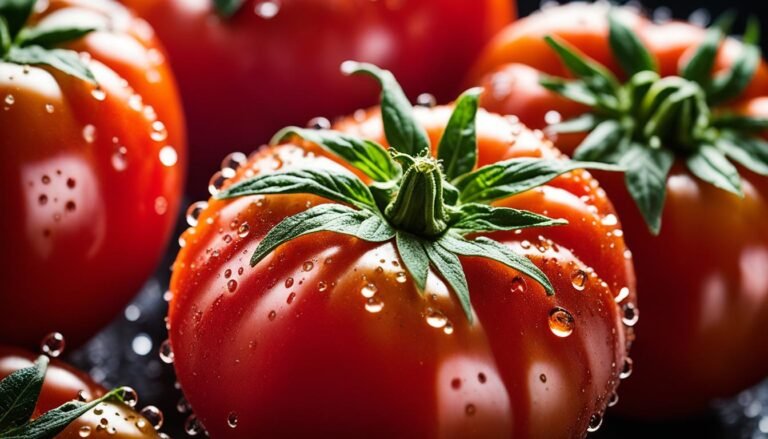
Can tomatoes help your immune system? Tomatoes provide several nutrients your immune system needs to work normally, including vitamin C, beta-carotene (which the body turns into vitamin A), and antioxidants such as lycopene. No single food boosts immunity or prevents infections, but tomatoes are an easy, affordable way to get some of the nutrients that help. This guide covers which nutrients matter and what the evidence does and does not show.
Key Takeaways
- Tomatoes are rich in the antioxidant lycopene, which helps fight free radicals and protect cells from damage.
- Tomatoes contain vitamin C, which supports normal immune function, plus vitamin K, potassium, and folate for overall health.
- Observational studies have linked tomato-rich diets with lower rates of some cancers, such as prostate cancer, but the results are mixed and do not prove that tomatoes prevent cancer.
- Lycopene in tomatoes has been linked with better heart health markers and lower stroke risk in some studies; these links are not proof of cause.
- Incorporating more tomatoes into your diet, whether fresh, cooked, or in juice form, helps supply nutrients your immune system relies on.
Introduction to Immune-Boosting Foods
Keeping our immune system strong is key for good health. Some foods are rich in vitamins, minerals, and antioxidants. They help our bodies fight off germs and viruses.
Importance of a Strong Immune System
A strong immune system guards our health. Eating foods with antioxidants is part of staying healthy. When our immune system works well, it keeps us safe from many health issues.
Overview of Tomatoes as a Nutritious Food
Tomatoes are often called a superfood but a better description is a nutritious, low-calorie food. A 2019 meta-analysis of observational studies (Cheng and colleagues, Critical Reviews in Food Science and Nutrition) found that people with the highest lycopene intake or blood levels had about a 14% lower risk of cardiovascular disease, although this shows an association, not proof that tomatoes cause the difference. They provide vitamins, minerals, and antioxidants that help our immune system. Tomatoes have vitamin C, lycopene, and other helpful elements. They’re a great food to add to a diet that supports immune health.
Observational research has linked tomato-rich diets with lower rates of several cancers, but these studies cannot prove cause and effect, and results have been inconsistent.
Eating tomatoes along with a variety of other nutrient-rich foods helps your immune system get what it needs.
https://www.youtube.com/watch?v=hebqzh_hLg4
| Immune-Boosting Nutrient | Benefits |
|---|---|
| Vitamin C | Supports normal immune function, including the work of white blood cells. |
| Lycopene | Antioxidant linked with lower risk of some chronic diseases in observational studies. |
| Antioxidants | Protect cells from damage and reduce inflammation, supporting overall immune health. |
Knowing about strong immune systems and the benefits of foods like tomatoes helps us stay healthy.
Nutritional Profile of Tomatoes
Tomatoes provide a useful mix of vitamins, minerals, and antioxidants for very few calories.
Vitamins and Minerals
According to USDA data, one medium tomato (about 123 g) has about 12 mg of calcium, 13.5 mg of magnesium, and 29.5 mg of phosphorus. It also has 292 mg of potassium, roughly two-thirds of the amount in a medium banana, and about 17 mg of vitamin C.
Antioxidants and Phytochemicals
Tomatoes are great because of lycopene, an antioxidant. It gives tomatoes their red color and helps neutralize free radicals, unstable molecules that can damage cells. Tomatoes also have flavonoids and more antioxidants that help our health.
Low-Calorie and Nutrient-Dense Properties
Tomatoes have very few calories and are full of nutrients. A medium tomato has only 22 calories and less than 1 gram of fat. This is perfect for those wanting a healthy diet. They also have fiber, which is good for your blood sugar and digestion.
Tomatoes are full of vitamins, minerals, and antioxidants for very few calories. Eating them is easy and good for your health, and their vitamin C supports normal immune function.
| Nutrient | Amount in a Medium Tomato |
|---|---|
| Calories | 22 |
| Total Fat | Less than 1 gram |
| Sodium | 6 mg |
| Potassium | 292 mg |
| Carbohydrates | About 4.8 grams |
| Fiber | 1.5 grams |
| Protein | 1.1 grams |
| Vitamin C | 17 mg |
| Lycopene | 3.2 mg |
How Tomatoes Boost the Immune System
Tomatoes do not boost the immune system beyond normal, but they supply nutrients the immune system needs. Their mix of vitamins, minerals, and antioxidants helps your body stay healthy.
Vitamin C: Strengthening Immune Function
Tomatoes are a good source of vitamin C. Research shows this vitamin supports the immune system. According to the NIH Office of Dietary Supplements, vitamin C helps maintain the skin and other barriers, supports the development of B cells and T cells, and enhances phagocytosis, the process some white blood cells use to engulf germs. Getting enough vitamin C supports normal immune function, but extra amounts do not prevent colds in most people.
Lycopene: A Key Antioxidant
Lycopene gives tomatoes their bright red color. It’s an antioxidant. Some observational studies have linked higher lycopene or tomato intake with a lower risk of certain cancers, such as prostate cancer, but the evidence is mixed and does not prove that lycopene prevents cancer. Lycopene helps neutralize free radicals and may reduce inflammation, which is one reason researchers are studying its role in immune health.
Other Immune-Boosting Nutrients in Tomatoes
Besides vitamin C and lycopene, tomatoes have more to offer. They bring vitamins A and E, plus carotenoids and flavonoids. These help keep our immune system and overall health in good shape. One medium tomato gives you about 19% of the Daily Value for vitamin C (about 17 mg of 90 mg). It also provides vitamins A and K, and potassium, all great for your health.
Adding tomatoes to your meals is a sensible choice, because they supply nutrients your immune system uses.
Incorporating Tomatoes into Your Diet
Adding fresh tomatoes to your meals is simple and tasty. One large tomato has 32.8 kcal, 1.6 grams of protein, and 7.08 grams of carbs. They are a healthy choice for any dish.
Fresh Tomatoes: Salads and Snacks
Put tomatoes in salads or eat them with some salt or olive oil. You can also slice them for a side dish. Tomatoes have a lot of potassium, which helps with hydration and blood pressure. A medium tomato gives about 8% of the Daily Value for vitamin K.
Cooked Tomatoes: Soups and Sauces
Cooking tomatoes makes some nutrients, like lycopene, easier for your body to use. Use cooked tomatoes in soups, sauces, and more for their full benefits. Tomatoes are low in protein, with under 1 gram per 100 grams.
Tomato-Based Beverages and Smoothies
Enjoy tomatoes in drinks and smoothies too. Tomato juice, gazpacho, and smoothies are great ways to get their benefits. Tomato juice contains potassium, an electrolyte, but choose low-sodium versions if you are watching your salt intake.
Creative Recipes Using Tomatoes
There are so many ways to use tomatoes in your cooking. Try different recipes like caprese salads, tomato curries, or tarts. Mix it up to find tasty, healthy ways to eat more tomatoes.
Adding tomatoes to recipes like tomato pasta, tomato soup, or tomato salsa can help diversify children’s diets and add vitamin C.

Tomatoes have 237 mg of potassium for every 100 grams, which is good for your heart and health. They also provide beta-carotene, which the body turns into vitamin A, a nutrient that supports your immune system and skin. Plus, they provide magnesium, zinc, and manganese for overall health.
Lycopene in tomatoes is being studied for lung health, but the evidence on lung cancer risk is mixed. In a Finnish study of 1,031 men aged 46 to 65 followed for about 12 years, those with the highest blood lycopene levels had a 55% lower risk of stroke than those with the lowest (Karppi and colleagues, Neurology, 2012). This was an observational study, so it shows a link, not proof that lycopene prevents stroke. Tomatoes also have vitamin C and potassium, and eating them with some fat helps the body absorb carotenoids like lycopene.
Lycopene in tomatoes has been linked with a lower risk of heart disease and certain cancers in observational studies. Tomatoes also contain small amounts of lutein and zeaxanthin, carotenoids found in the eye, though leafy greens such as kale and spinach are much richer sources.
Tomatoes are good for kids’ growth because they are full of vitamins and minerals. Making dishes with tomatoes is a tasty and healthy way to support your health, including normal immune function.
Tips for Maximizing the Health Benefits of Tomatoes
For flavor and freshness, many people choose organic or local tomatoes. Organic tomatoes are grown without most synthetic pesticides, and some studies have found slightly higher antioxidant levels in them, though the difference for health is unclear. Locally grown tomatoes are often picked riper, which can mean better flavor.
Choosing Organic and Locally Sourced Tomatoes
Organic and nearby-farm tomatoes are a good option if they suit your budget, but conventional tomatoes still provide the same key nutrients. Whatever you buy, rinse tomatoes under running water before eating.
Proper Storage and Preparation Methods
Keeping tomatoes fresh means storing and cooking them right. Keep them at room temperature and out of the fridge to keep their taste and nutrients. When you cook them, be gentle. Roasting or sautéing helps keep their healthy benefits.
Pairing Tomatoes with Other Nutritious Foods
Combine tomatoes with other nutritious foods. Mixing them with healthy fats, like avocado or olive oil, helps your body use important vitamins and antioxidants better. Foods like citrus, greens, and fish really add to tomatoes’ health efforts. These combinations add a wider range of nutrients to your diet.
https://www.youtube.com/watch?v=BVr3gLXaY9k
“Incorporating a variety of nutrient-rich foods, including tomatoes, into your diet can help strengthen your immune system and promote overall health.”
Stick to these guidelines, and you’ll get the most from your tomatoes. Their immune support and overall health benefits are worthwhile.
Potential Considerations and Precautions
Tomatoes are safe and healthy, but some people might have allergies or feel sensitive. It’s best to eat a mix of foods to help your immune system and stay healthy.
Allergies and Sensitivities to Tomatoes
Some folks could be allergic to or not handle tomatoes well. If you feel bad after eating or have autoimmune issues, you might need to eat fewer tomatoes. Always watch how your body reacts and talk to a doctor if you have troubles with tomatoes.
Moderation and Balanced Diet Considerations
Tomatoes have lots of good stuff in them, but you shouldn’t just eat tomatoes. It’s important to eat tomatoes a little along with other healthy foods. Eating a variety of foods is the best way to help your immune system and be healthy.
Tomatoes can make acid reflux worse because of their acidity. People with acid reflux should eat tomatoes less often or try different ways to enjoy them, and talk to a doctor if reflux symptoms are frequent. Tomatoes are also relatively high in potassium, so people with kidney disease should follow their doctor’s or dietitian’s advice on how much to eat.
“Moderation is key when it comes to consuming tomatoes. While they are packed with beneficial nutrients, they should be just one part of a diverse, balanced diet for optimal immune support and overall health.”
If you pay attention to how you feel about tomatoes and eat them in moderation, they can be part of a healthy diet. They can also help supply nutrients your immune system needs.
Conclusion
In summary, tomatoes are a nutritious food that supports normal immune function. They provide vitamin C, lycopene, and antioxidants. They are good for overall health.
Eating tomatoes as part of a varied diet helps give your immune system the nutrients it needs. Observational research has linked tomato and lycopene intake with lower rates of heart disease, stroke, and some cancers, but these studies cannot prove that tomatoes prevent these conditions.
The tomato is a key friend in staying healthy. You can enjoy them fresh, in cooking, or as juice. Adding this nutrient-rich food to your meals helps your immune system. It is a simple step toward a healthier diet.
FAQ
What nutrients in tomatoes make them an immune-boosting food?
Tomatoes are full of vitamin C, lycopene, and other helpful nutrients for the immune system.
How does the vitamin C in tomatoes contribute to immune function?
Vitamin C supports the normal work of immune cells, including white blood cells, and helps maintain barriers such as the skin.
What is the role of lycopene in boosting the immune system?
Lycopene helps neutralize free radicals and may reduce inflammation. Its direct effect on immune function in people is still being studied.
Are there any other immune-boosting nutrients found in tomatoes?
Yes, tomatoes also have vitamins A and E, carotenoids, and flavonoids. These support normal immune function and overall health.
How can I incorporate more tomatoes into my diet to support my immune system?
Tomatoes can be enjoyed in many ways. You can eat them fresh, cook them in dishes, or add them to drinks.
Are there any special considerations when it comes to buying and preparing tomatoes for maximum immune benefits?
Any fresh, ripe tomatoes are a good choice. Cooking them with a little olive oil makes lycopene easier to absorb, while raw tomatoes keep more vitamin C.
Are there any potential downsides or precautions to be aware of when it comes to consuming tomatoes?
Some people might be allergic to tomatoes, especially if they have issues with nightshade vegetables or autoimmune diseases. Always watch for any bad reactions.
Should tomatoes be the sole focus of an immune-boosting diet, or should they be part of a balanced approach?
Tomatoes are great for the immune system, but a mix of many nutrient-rich foods is important for good health.
Source Links
- Immune-Boosting Foods
- Are Tomatoes Good for You?
- Tomatoes: An Extensive Review of the Associated Health Impacts of Tomatoes and Factors That Can Affect Their Cultivation
- Nutritional Composition and Bioactive Compounds in Tomatoes and Their Impact on Human Health and Disease: A Review
- 6 Health Benefits of Tomatoes
- Tomatoes: Benefits, facts, and research
- 17 immune-boosting foods to get you through cold and flu season
- 8 Potential Health Benefits of Tomatoes
- The 10 Healthiest Reasons to Love Tomatoes—Both Fresh and Canned
- How Tomatoes Can Support Kids’ Immune Systems – EuroSchool
- Add Fresh Tomato Recipes to Your Diet for Better Health – The Health Insider
- 5 Benefits of Tomatoes You Can Score from Your Favorite Sauces, Salads, and Soups
- Is Tomato Juice Good for You? Benefits and Downsides
- Health Benefits of Tomatoes
- Tomato Guide: Nutrition, Benefits, Side Effects, and More
- What Happens to Your Body When You Eat Tomatoes Regularly
- Is it better for you to eat tomatoes or drink tomato juice? Dietitian explains health benefits
- Tomato Power: The Secret Ingredient in Healthy Diets
- Enhancing the Health-Promoting Effects of Tomato Fruit for Biofortified Food