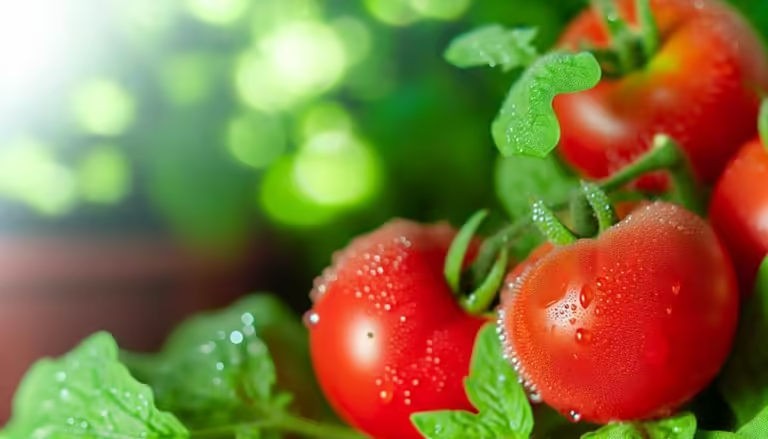
Tomatoes and skin health is a topic with some real research behind it, along with plenty of hype. Tomatoes supply vitamin C, which the body needs to make collagen, and lycopene, a red pigment that has been studied for its effect on how skin responds to sunlight. This guide looks at the benefits people claim and what the evidence actually shows for each.
In short: eating tomatoes, especially cooked tomato products with a little olive oil, may modestly support your skin’s defences against sun damage, but it does not replace sunscreen, and many claims about applying tomatoes to the skin have little or no clinical evidence.
10 Possible Benefits of Tomatoes for Your Skin Health
🍅 Key Takeaways:
- Tomatoes provide vitamin C and carotenoids such as lycopene that skin uses 🥗
- Small trials show eating tomato paste may modestly reduce sunburn redness, but it is no substitute for sunscreen 🌞
- Claims about skin texture and acne rest mostly on anecdote, not clinical trials 👩🦰
- Tomatoes are about 95% water and add to your daily fluid intake 💧
- Raw tomato can irritate sensitive skin, so patch-test before applying it ✨
The Importance of Skin Health
Our skin is the largest organ in our body, serving as a protective barrier against environmental stressors and harmful pathogens. Maintaining healthy skin is crucial not only for aesthetic reasons but also for our overall well-being.
Proper skin health can boost our confidence, improve our body’s ability to regulate temperature, and even enhance our immune system’s functionality. As we age, our skin faces numerous challenges, making it essential to adopt a comprehensive skincare approach that includes both topical treatments and a nutrient-rich diet.
Overview of Tomatoes’ Benefits for Skin
Tomatoes provide several nutrients that contribute to normal skin health, including vitamin C, beta-carotene (which the body can convert to vitamin A), and lycopene.
Below are 10 benefits commonly claimed for tomatoes and skin, with a note on how strong the evidence is for each. Some are backed by small human studies; others rely on how the nutrients work in general, or on anecdote.
Tomato Nutrition Facts
| Nutrient | Amount per Cup (180g) | % Daily Value |
|---|---|---|
| Calories | 34.5 kcal | 1.7% |
| Protein | 1.6 g | 3.2% |
| Carbohydrates | 7 g | 2.3% |
| Fiber | 2.16 g | 8.6% |
| Sugars | 4.2 g | Not established |
| Fat | 0.4 g | 0.6% |
| Water | 171 g (95%) | High hydration |
| Vitamin | Amount per Cup (180g) | % Daily Value |
|---|---|---|
| Vitamin C | 24.7 mg | 27.4% |
| Vitamin A | 1499 IU | 30% |
| Vitamin K | 14.2 mcg | 17.8% |
| Folate (B9) | 27 mcg | 6.8% |
| Vitamin E | 0.68 mg | 4.5% |
| Vitamin B6 | 0.14 mg | 7% |
| Mineral | Amount per Cup (180g) | % Daily Value |
|---|---|---|
| Potassium | 427 mg | 12.2% |
| Manganese | 0.19 mg | 9.5% |
| Magnesium | 19.8 mg | 5% |
| Phosphorus | 43.2 mg | 4.3% |
| Copper | 0.12 mg | 6% |
| Iron | 0.49 mg | 2.7% |
| Antioxidant | Amount per Cup (180g) | Benefits |
|---|---|---|
| Lycopene | 4.6 mg (raw) 25.8 mg (cooked) | Powerful antioxidant linked to reduced risk of heart disease and certain cancers |
| Beta-carotene | 449 mcg | Converts to vitamin A in the body; supports immune function and eye health |
| Lutein & Zeaxanthin | 123 mcg | Support eye health and may help prevent age-related macular degeneration |
| Vitamin C | 24.7 mg | Antioxidant that supports immune function and collagen production |
| Vitamin E | 0.68 mg | Protects cells from oxidative damage; supports immune function |
Values based on a 2,000 calorie diet. Percentages may vary based on individual needs.
1. Rich in Antioxidants
Tomatoes contain antioxidants, mainly lycopene, vitamin C, and other carotenoids. Antioxidants help limit damage from free radicals, unstable molecules that UV light and pollution generate in skin and that contribute to skin aging.
Lycopene and Its Skin Benefits
Lycopene, the antioxidant responsible for giving tomatoes their vibrant red color, is particularly beneficial for skin health. It can neutralize free radicals, which is why it has been studied for skin health.
Eating lycopene-rich tomato products may help your skin cope with sun exposure (see below). Evidence that lycopene improves skin elasticity or smoothness is limited, and there is little clinical research on applying tomato to the skin.
How Antioxidants Improve Skin Health
Antioxidants like those found in tomatoes work tirelessly to combat the effects of UV radiation, pollution, and other environmental stressors on your skin. They are one part of the skin’s own defence system against this kind of damage.
A diet rich in vegetables and fruit supplies a range of these antioxidants.
Tomatoes are one convenient source, alongside sun protection and not smoking, which have far stronger evidence for preventing premature skin aging.
2. Natural Sun Protection
The best-studied link between tomatoes and skin is sun protection from the inside. The effect is modest, and it should never replace sunscreen, shade, and protective clothing.
UV Protection
Two small randomized trials support this. In a 2001 study in the Journal of Nutrition (Stahl and colleagues), volunteers who ate 40 g of tomato paste with olive oil daily for 10 weeks had about 40% less skin reddening after UV exposure than a control group given olive oil alone (9 people versus 10). In a 2011 trial in the British Journal of Dermatology (Rizwan and colleagues), 20 women who ate 55 g of tomato paste with olive oil daily for 12 weeks showed more resistance to UV-induced reddening and less UV-related DNA damage in skin samples than women given olive oil alone. The effect is far smaller than that of sunscreen, and there is no good evidence that rubbing tomato on the skin raises its SPF.
Tomato-Based Sunscreen Benefits
Some skincare products include tomato extract or lycopene. The sun protection in a sunscreen comes from its tested UV filters and labelled SPF, not from the tomato extract itself.
The added antioxidants may be a small extra, but choose a broad-spectrum sunscreen of SPF 30 or higher based on its label, not its botanical ingredients.
3. Reduce Signs of Aging
As we age, our skin naturally loses elasticity and develops fine lines and wrinkles. Nutrients in tomatoes support the processes skin uses to maintain itself, although no food can stop skin aging.
Collagen Production
Tomatoes are a good source of vitamin C (about 17 mg in a medium tomato, according to USDA data), and the body needs vitamin C to make collagen. Collagen is the protein responsible for maintaining skin elasticity and firmness. Getting enough vitamin C from foods such as tomatoes supports normal collagen production. There is no clinical evidence that eating or applying tomatoes reduces existing wrinkles.
Reduction of Wrinkles and Fine Lines
The antioxidants in tomatoes, particularly lycopene, help protect your skin from oxidative stress that can lead to premature aging. By neutralizing free radicals, these compounds may help limit damage to skin cells. Because UV damage is a major cause of wrinkles, the modest sun-protection effect seen in trials could help over time, but this has not been proven.
4. Improve Skin Texture
Achieving smooth, even-textured skin is a common skincare goal, and tomatoes are often suggested as a home remedy. This benefit is based mostly on tradition and anecdote rather than clinical trials.
Exfoliation Properties
Tomatoes contain natural fruit acids, including citric acid and malic acid. Related acids are used as exfoliants in skincare products, but at tested, controlled strengths; the amount in fresh tomato is low and varies. If you try a tomato mask, patch-test a small area first, because the acidity can sting or irritate sensitive skin, and do not apply it to broken skin.
Smoother Skin Appearance
There are no good clinical studies showing that tomato masks improve skin texture. From the diet side, tomatoes provide beta-carotene, which the body converts to vitamin A, a nutrient needed for normal skin cell growth.
5. Reduce Acne
Acne is a common skin concern that affects people of all ages. Tomatoes are often recommended online as an acne remedy, but there is no reliable clinical evidence that they treat acne.
Anti-inflammatory and Astringent Properties
Tomatoes contain only small amounts of natural salicylates, far below the levels of salicylic acid used in acne products, so they cannot be expected to work like those products. Vitamin C has anti-inflammatory properties, but eating or applying tomatoes has not been shown to reduce acne. For persistent acne, a doctor or dermatologist can recommend proven treatments.
Impact on Acne Reduction
Oxidative stress and inflammation are involved in acne, which is why antioxidant-rich foods are sometimes suggested, but any benefit from tomatoes is theoretical. Rubbing acidic tomato on inflamed, acne-prone skin may cause irritation.
6. Brighten Skin Tone
Achieving a bright, even skin tone is a common skincare goal, and tomatoes are a popular home remedy for it, although the evidence is limited.
Natural Bleaching Agents
Tomatoes are often described as a natural skin lightener. Vitamin C can reduce melanin production, which is why stabilised vitamin C is used in some skincare serums, but the vitamin C in fresh tomato pulp is far less concentrated and less stable. There is no clinical evidence that applying tomato fades dark spots.
Even Skin Tone
The combination of antioxidants, vitamins, and natural acids in tomatoes is often said to promote an even skin tone, but there is no good evidence that tomatoes reduce redness or scars. Because sun exposure causes many dark spots, the modest sun-protection effect of eating tomato paste may help a little, but daily sunscreen is the proven way to prevent new spots.
7. Hydrate Skin
Proper hydration is crucial for maintaining healthy, glowing skin, and water-rich foods such as tomatoes contribute to your overall fluid intake.
High Water Content
Raw tomatoes are about 95% water (USDA data), so they add to your daily fluid intake. Applying tomato to the skin is not a substitute for a moisturizer, because water on its own evaporates and does not repair the skin barrier.
Benefits of Skin Hydration
Well-hydrated skin appears plumper, smoother, and more radiant. Proper hydration helps maintain skin elasticity, reduces the appearance of fine lines, and promotes a healthy skin barrier function. Drinking enough fluids and using a moisturizer suited to your skin type are the practical steps; tomatoes can be part of a hydrating diet.
8. Shrink Pores
Large, visible pores can be a source of frustration for many people, and tomatoes are a common home remedy. Evidence that they shrink pores is anecdotal.
Astringent Properties
Tomato juice is often described as astringent, meaning it can make skin feel temporarily tighter. Any effect on how pores look is short-lived, because pore size is influenced by factors such as genetics, oil production, and age.
Pore Minimizing Effects
There are no clinical studies showing that tomato treatments shrink pores. Dietary vitamin C supports normal collagen production, which helps keep skin firm, and sun protection helps prevent the loss of firmness that can make pores look larger.
9. Soothe Sunburn
While prevention is key when it comes to sun protection, tomatoes can also offer relief if you find yourself dealing with sunburn. This is a traditional remedy with little research behind it.
Cooling Effect
The high water content in tomatoes provides an immediate cooling effect when applied to sunburned skin. This can help alleviate the burning sensation and discomfort associated with sunburn. However, acidic tomato juice can sting burned skin. Cool compresses, cool showers, and a gentle moisturizer such as aloe vera gel are the usual self-care steps; seek medical care for blistering or severe sunburn.
Healing Properties
Tomatoes are rich in vitamins and antioxidants that can aid in the skin’s healing process after sun damage. The vitamin C in tomatoes supports collagen production, which is crucial for repairing damaged skin cells. There is no evidence that applying tomato to sunburn speeds healing or reduces long-term damage. Eating a nutrient-rich diet supports the skin’s normal repair.
10. Detoxify Skin
In our daily lives, our skin is exposed to various toxins and pollutants that can lead to dull, congested skin. Tomatoes are often promoted as a way to detoxify the skin. In reality, the liver and kidneys handle detoxification, and no food purifies the skin, but antioxidant-rich foods do support the skin’s normal defences.
Removing Toxins
The antioxidants in tomatoes, particularly lycopene, help neutralize free radicals and may help protect skin cells from oxidative stress. They do not flush out toxins or impurities.
Clearer Skin Benefits
Clearer skin generally comes from a consistent routine: gentle cleansing, daily sunscreen, and proven treatments for specific problems such as acne. A diet rich in vegetables and fruit, including tomatoes, supports that routine but does not replace it.
Conclusion
Tomatoes can support healthy skin, mainly as food. They supply vitamin C for collagen production, and small trials suggest that eating tomato paste regularly may modestly reduce sunburn redness. Many other popular claims, such as treating acne, shrinking pores, fading dark spots, or detoxifying the skin, are not backed by clinical evidence.
Enjoy tomatoes, especially cooked with a little olive oil, as part of a varied diet, and keep using sunscreen every day. If you apply tomato to your skin, patch-test first and stop if it stings or causes redness.
For ongoing skin problems such as acne, pigmentation, or sensitivity, a doctor or dermatologist can recommend treatments that have been properly tested.