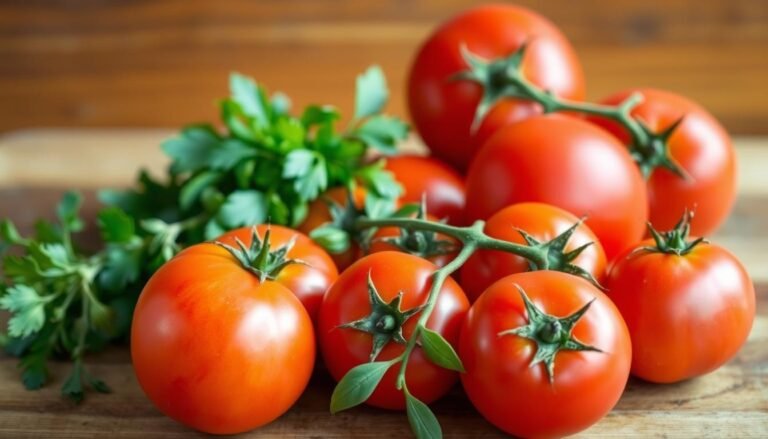
Imagine starting your day with a fresh, vibrant salad, bursting with colour and flavour. One of the key ingredients? Tomatoes. These humble fruits, often treated as vegetables, are more than just a tasty addition to your meals. They are packed with nutrients that can support your journey towards a healthier lifestyle.
Tomatoes are naturally low in calories, making them an excellent choice for those looking to manage their calorie intake. Despite their low-calorie content, they are rich in essential vitamins and minerals, such as vitamin C, potassium, and lycopene. According to USDA FoodData Central, 100 g of raw red tomato provides about 18 kcal and is about 94.5% water. Lycopene, an antioxidant pigment, has been linked in observational studies with a lower risk of cardiovascular disease and some types of cancer, although such studies cannot prove that tomatoes cause the lower risk.
Incorporating tomatoes into your diet can be simple and versatile. Whether enjoyed raw in a salad or lightly cooked in a sauce, they retain their nutritional value and can be a delicious part of any meal. Their high water content and fibre also contribute to a feeling of fullness, helping you stay satisfied longer.
Key Takeaways
- Tomatoes are naturally low in calories but high in essential nutrients.
- They are a rich source of lycopene, an antioxidant that observational studies link with lower heart disease and cancer risk (this does not prove cause).
- Their high water content (about 94.5%) and some fibre can help meals feel more filling for few calories.
- Tomatoes can be enjoyed raw or cooked, making them a versatile addition to your meals.
- Incorporating tomatoes into a balanced diet can support overall health and well-being.
Understanding the Nutritional Power of Tomatoes
Tomatoes are more than just a kitchen staple; they’re a good source of several essential nutrients. These vibrant fruits provide vitamins and minerals that support normal bodily functions, from immunity to healthy skin.
Key Vitamins and Minerals
Tomatoes provide vitamin A (mostly as carotenoids such as beta-carotene), which is needed for normal vision and immune function. They also provide vitamin C, an antioxidant that helps protect cells from damage and supports collagen production for healthy skin. Additionally, tomatoes contain potassium, a mineral the body needs for normal blood pressure and heart function.
Other nutrients found in tomatoes include small amounts of iron, which supports red blood cell production, and vitamin B6, which aids in brain development and function. Together, these nutrients make tomatoes a valuable addition to any diet.
The Role of Lycopene and Antioxidants
One of the standout components in tomatoes is lycopene, an antioxidant. In laboratory studies, lycopene helps protect cells from free-radical damage, which is thought to contribute to chronic diseases like cancer and heart disease. Observational studies have linked higher tomato intake with a lower risk of some cancers, including prostate cancer, but the US FDA has judged this evidence to be very limited and found no credible evidence that lycopene on its own lowers cancer risk.
Tomatoes also contain other antioxidants, such as beta-carotene and lutein, carotenoids that are studied for their role in eye health. These antioxidants are part of what makes tomatoes a nutritious choice.
Whether you enjoy tomatoes raw or cooked, they add useful nutrients to your diet. Cooked tomatoes, in particular, have higher lycopene bioavailability, making them an excellent choice for maximising this nutrient’s benefits. For a look at the evidence on tomatoes and blood pressure, see our guide on how to lower blood pressure naturally. If you have high blood pressure, kidney disease, or take medication, talk to your doctor before making major diet changes.
Tomatoes for weight loss: How They Help You Shed Extra Pounds
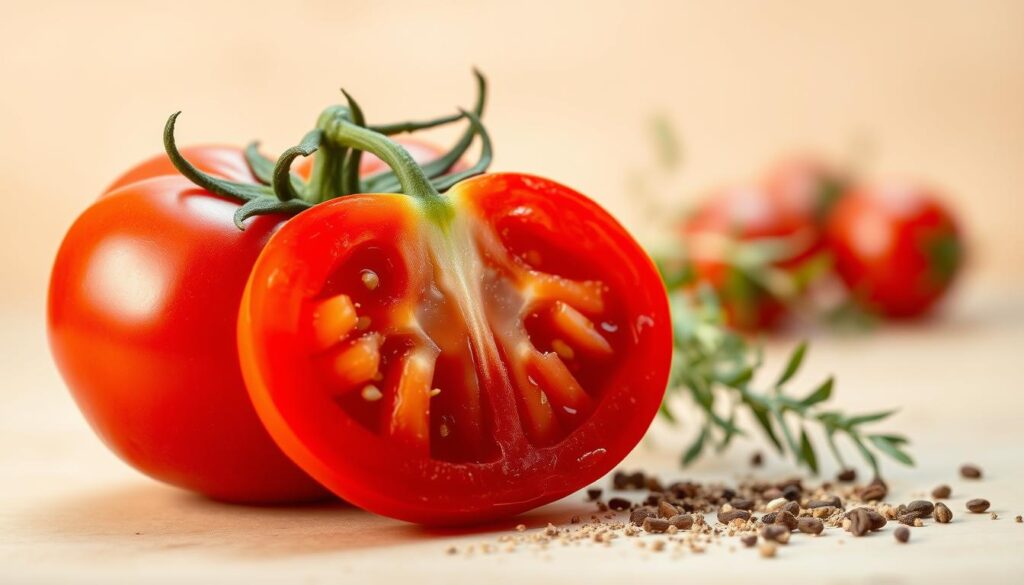
When aiming to shed extra pounds, your choice of food plays a pivotal role. Tomatoes, with their unique nutritional profile, can be a valuable addition to your diet. They are naturally low in calories and provide essential nutrients, making them a useful choice for weight management.
Low-Calorie and High-Fibre Benefits
Tomatoes are a low-calorie food: USDA data put 100 g of raw tomato at about 18 kcal. They also contain some fibre (about 1.2 g per 100 g), and filling, low-calorie foods can make it easier to eat less without feeling hungry.
Additionally, their high water content contributes to feelings of fullness, which can curb overeating. This combination of low calories and high water content makes tomatoes a sensible choice for those looking to manage their weight.
Managing Blood Sugar and Appetite
Tomatoes contain little carbohydrate (about 3.9 g per 100 g), so a normal serving has only a small effect on blood sugar. Choosing them in place of more energy-dense snacks may help some people manage cravings, although tomatoes alone do not regulate blood sugar.
Nutrient-rich, low-calorie foods like tomatoes fit well into a balanced diet, and their antioxidants, such as lycopene, add to their nutritional value.
“Tomatoes can make meals more filling for few calories, which may make it easier to manage your appetite.”
Whether you enjoy them raw in a salad or lightly cooked in a sauce, tomatoes retain their nutritional value. Consistency in a balanced diet and regular exercise is key to realising these benefits. For more insights on how tomatoes can support your health, explore this resource on low-calorie foods.
Incorporating Tomatoes into Your Diet

Adding tomatoes to your daily meals can add both flavour and nutrition to your diet. These versatile fruits can be enjoyed in countless ways, making them a staple in any kitchen. Whether you’re looking to enhance your breakfast, lunch, or dinner, tomatoes offer a simple yet effective way to boost your meals.
Creative Recipe Ideas for Every Meal
Start your day with a tomato and avocado toast, combining the richness of avocado with the freshness of tomatoes. For lunch, a tomato-based salad with mixed greens, feta, and a light vinaigrette can be both satisfying and nutritious. Dinner can feature a light tomato sauce over whole-grain pasta, providing a hearty yet healthy option.
Snacks can also benefit from tomatoes. Try stuffed cherry tomatoes with hummus or a tomato salsa with whole-grain crackers. These ideas not only add variety but also ensure you’re getting the most out of this nutrient-rich food.
Raw Versus Cooked Preparations
Raw tomatoes are perfect for salads and snacks, offering a crisp texture and fresh flavour. They retain their vitamin C content, which is sensitive to heat. However, cooking tomatoes can enhance the bioavailability of lycopene, an antioxidant studied for its links to heart health.
When cooking, consider using olive oil to boost lycopene absorption. A simple roasted tomato soup or a tomato-based stew can be both delicious and beneficial. For more insights on how tomatoes can support your health, explore this resource on nutrient-rich food.
Incorporating tomatoes into your regular meal plan can contribute to improved health and overall well-being. Whether raw or cooked, they offer a versatile and nutritious addition to any diet.
Timing Your Tomato Intake with Workouts

Timing your meals around exercise can affect your energy levels and performance. Tomatoes can fit into both pre- and post-workout meals. Whether you’re engaging in aerobic activities like cycling or anaerobic exercises such as weight training, tomatoes can play a supportive role.
Aerobic Versus Anaerobic Exercise Considerations
For aerobic exercises, which rely on sustained energy, tomatoes on their own supply very little carbohydrate, so they are not a meaningful energy source before a workout. Pairing tomatoes with a source of complex carbohydrates, such as whole-grain bread, makes a more useful pre-workout snack.
On the other hand, anaerobic exercises, like weightlifting, require quick bursts of energy. Here, tomatoes can be a valuable addition to your post-workout meal. Their low-calorie nature and antioxidant content, including lycopene, add nutritional value to a post-workout meal, although protein and total energy intake matter most for muscle recovery. Adding tomatoes to a protein-rich dish can create a balanced, lower-calorie meal.
Building tomatoes into balanced meals around your workouts can support your weight loss goals. It is a simple way to add a nutritious, low-calorie food to your routine.
Maximising Tomato Nutrients and Their Absorption

Getting the most from tomatoes involves more than just adding them to your plate. The way you prepare them affects how much of some nutrients your body absorbs.
Cooking with Healthy Fats to Enhance Lycopene
One of the most effective ways to boost the benefits of tomatoes is by cooking them with healthy fats like olive oil. Lycopene is fat-soluble: in one small study, healthy adults who ate tomatoes cooked with olive oil for five days had an 82% rise in blood trans-lycopene, while tomatoes cooked without oil gave no significant change. Lycopene is being studied for heart health and cancer risk, but it has not been proven to prevent either.
When tomatoes are cooked with fats, the bioavailability of lycopene improves. This means your body can absorb and utilise this nutrient more effectively. Simmering tomato sauces or lightly roasting tomatoes with olive oil are excellent methods to achieve this.
These techniques not only enhance flavour but also retain the low-calorie advantage of tomatoes. This makes them a smart choice for those aiming to manage their weight while maximising health benefits.
“Combining tomatoes with healthy fats like olive oil can improve lycopene absorption.”
For more insights on how tomatoes can support your health, explore this resource on nutrient absorption. Additionally, learn how tomatoes can aid in digestive health by incorporating them into your meals.
Variety and Local Sourcing of Tomatoes
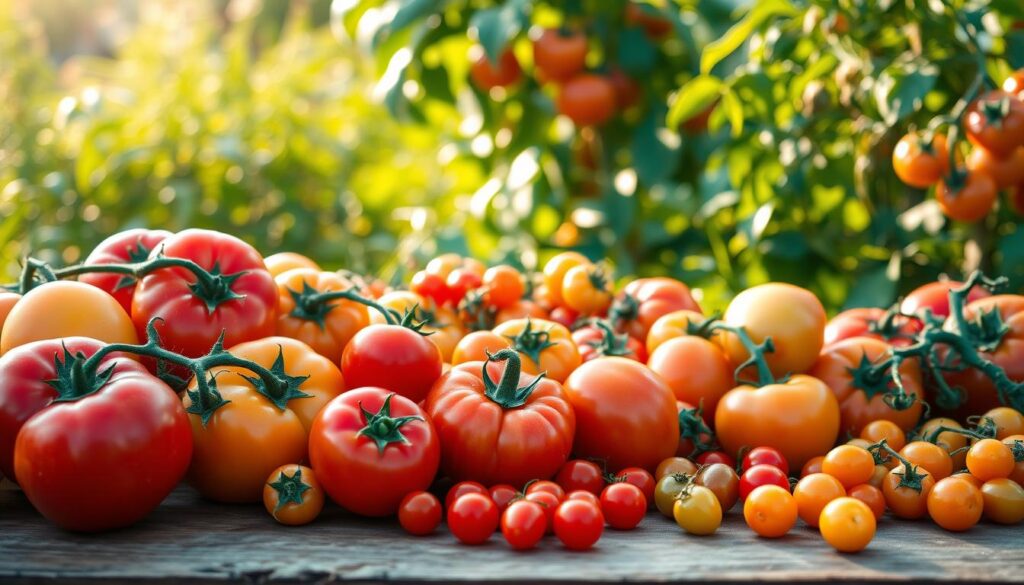
Exploring the diverse world of tomatoes can add interest to your meals. From sweet cherry tomatoes to robust beefsteak varieties, each type offers unique flavours, textures, and nutritional profiles. Understanding these differences can help you make the most of this versatile fruit in your diet.
Exploring Different Tomato Varieties
Tomatoes come in a wide range of types, each suited to different culinary uses. Cherry and grape tomatoes are perfect for salads and snacks, offering a burst of sweetness. Beefsteak tomatoes, with their meaty texture, are ideal for sandwiches and grilling. Heirloom varieties, known for their unique colours and flavours, can add a gourmet touch to any dish.
Nutrient content, including vitamin C and lycopene, varies with variety, ripeness and growing conditions. Eating a mix of types is a simple way to vary your intake.
Seasonal and Locally-Sourced Produce Benefits
Choosing seasonal and locally-grown tomatoes often means fresher fruit with better flavour, and some nutrients, such as vitamin C, decline during long storage.
Sourcing tomatoes from local farms or markets not only supports your community but also reduces the environmental impact of transportation. Locally-grown tomatoes are often fresher, although local does not automatically mean pesticide-free, so ask growers about their practices.
To identify locally-sourced and in-season tomatoes, look for labels at your market or ask vendors directly. Seasonal tomatoes often have a richer flavour and are more affordable due to their abundance.
“Incorporating a variety of tomatoes into your diet can enhance both the flavour and nutritional value of your meals.”
For more insights on sourcing and enjoying fresh tomatoes, explore this guide to local tomato sourcing.
Conclusion
Incorporating nutrient-rich foods into your routine can support your health goals. Tomatoes, with their low-calorie profile and high nutrient density, are an excellent choice for those looking to enhance their diet. Their versatility allows them to be enjoyed in countless recipes, from salads to sauces, making them a practical addition to any meal plan.
Tomatoes are a nutritious, low-calorie food, but no single food causes weight loss; overall diet, activity and sleep matter most. Including them in balanced meals and cooking them with a little healthy fat can help you get more of their lycopene.
Experimenting with different varieties of tomatoes can add variety and excitement to your meals. Whether you prefer cherry, beefsteak, or heirloom types, each offers unique flavours and nutrients. These tips can help you build tomatoes into a balanced eating plan. If you have a medical condition or take medication, talk to your doctor or a registered dietitian before making major changes to your diet. For more insights, explore this comprehensive review on the health benefits of tomatoes.
FAQ
What makes tomatoes a good choice for managing your diet?
Tomatoes are low in calories and high in fibre, making them an excellent addition to your meals. They help you feel fuller for longer, which can reduce unnecessary snacking.
How do tomatoes contribute to overall health?
They provide nutrients like vitamin C, potassium, and lycopene, an antioxidant that observational studies link with a lower risk of cardiovascular disease and some cancers, though this does not prove cause.
Can eating tomatoes help control blood sugar levels?
Tomatoes are low in carbohydrate (about 3.9 g per 100 g) and mostly water, so they have little effect on blood sugar and can fit into a diabetes-friendly eating plan. They do not treat diabetes; if you manage diabetes, follow the advice of your doctor or dietitian.
What is the best way to prepare tomatoes to maximise their benefits?
Cooking tomatoes with healthy fats, such as olive oil, enhances the absorption of lycopene. However, raw tomatoes retain more vitamin C, so both methods have unique advantages.
Are there different varieties of tomatoes, and do they vary in nutrients?
Yes, varieties like cherry, beefsteak, and heirloom tomatoes differ slightly in taste and nutrient content. Choosing seasonal and locally-sourced options often means better freshness and flavour.
Should you eat tomatoes before or after a workout?
Tomatoes can be consumed both before and after exercise. Their high water content adds to your fluid intake, and they fit well into a balanced meal that includes carbohydrate and protein.
How can you incorporate tomatoes into your daily meals?
Add them to salads, sandwiches, or soups, or use them as a base for sauces. They are versatile and can be enjoyed raw, grilled, or roasted.
Source Links
- Trying to Lose Weight? You Need This Healthy Eating Grocery List
- The Benefits of Tomatoes: A Nutrient-Packed Superfood
- Want to lose weight? Drop 10 pounds with this healthy meal plan
- I Lost 75 Pounds in 6 Months, Eating the Same Thing Every Day
- Top 10 Heart-Healthy Foods You Should Include In Your Diet
- Pants on Fire: The Battle of the Bulge Chronicles
- 10 High-Fiber Foods That Can Flatten Your Belly in 2 Weeks
- 7-Day Easy Healthy-Eating Plan for Beginners, Created by a Dietitian
- The 9 Best Canned Foods You Should Be Eating for Weight Loss, According to Dietitians
- Gut Microbiota Modulation Through Mediterranean Diet Foods: Implications for Human Health
- Dietary patterns in Tanzania’s transitioning rural and urban areas – Journal of Health, Population and Nutrition
- Understanding Hypertension: How Diet and Lifestyle Can Prevent High Bl
- This Weekly Workout Routine Can Boost Longevity By 31%