What does the research say about tomatoes and brain health? Tomatoes supply lycopene and vitamin C, antioxidants that help counter oxidative stress, a process involved in brain aging. Most of the evidence that lycopene protects brain cells comes from laboratory and animal studies, and human research is limited, so tomatoes are best seen as one part of a brain-healthy diet rather than a memory booster.
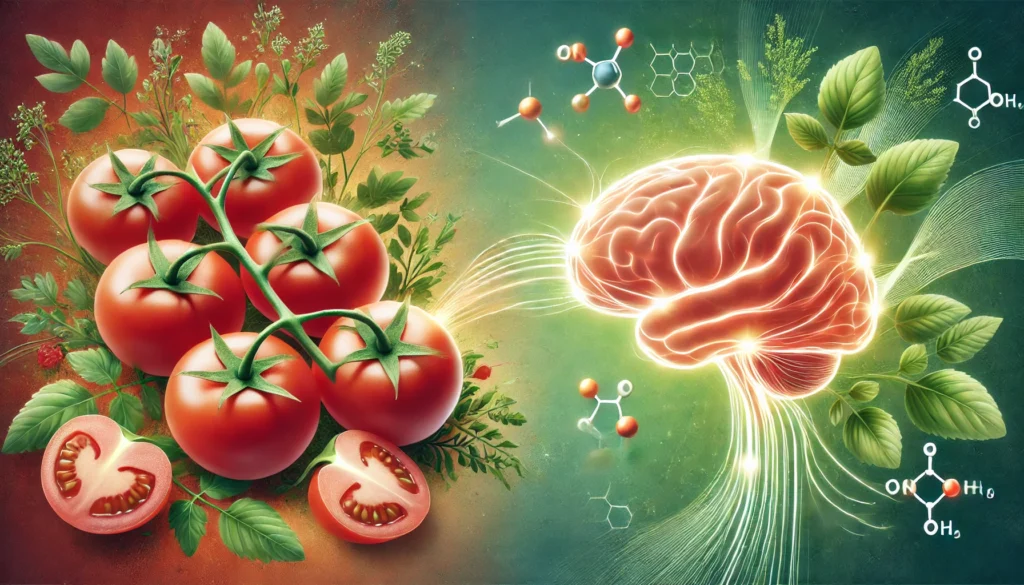
Antioxidants like those in tomatoes may help limit inflammation, and healthy blood vessels matter for cognitive function. Vitamin C is used in making some neurotransmitters and supports normal brain health. Lycopene has shown neuroprotective properties in animal studies, but it has not been shown to improve memory in people.
Below is what is known, what is not, and how to include tomatoes in a diet that supports long-term brain health.
Key Takeaways
- Tomatoes are a major dietary source of lycopene, an antioxidant that has protected brain cells in laboratory and animal studies; human evidence is limited.
- There is not yet good clinical evidence that eating tomatoes improves memory in people.
- Vitamin C, which tomatoes provide, is needed to make some neurotransmitters.
- Antioxidants in tomatoes help counter oxidative stress, which is linked with brain aging.
- Cooking tomatoes increases lycopene availability, making dishes like tomato soup a good way to get it.
Nutrients in Tomatoes
When it comes to the nutrients in tomatoes, these vibrant fruits offer a useful mix of nutrients.
You’re not just adding color to your meals; you’re enriching your diet with essential vitamins and minerals. Tomatoes are a good source of vitamin C, which supports your immune system and aids in collagen production.
They’re also a great source of vitamin K, important for bone health, and potassium, essential for proper heart function.
You’ll find folate in tomatoes too, which is necessary for DNA synthesis and repair.
Plus, tomatoes offer a healthy dose of fiber, supporting digestion and keeping you fuller for longer.
By including tomatoes in your diet, you’re nourishing your body with a range of nutrients that contribute to overall health.
They are low in calories, so they are easy to add to meals.
Antioxidants and Brain Function
You’re probably aware that antioxidants play a pivotal role in brain health, and tomatoes are a major source of lycopene, an antioxidant carotenoid.
In laboratory and animal studies, lycopene has shown neuroprotective effects by countering oxidative stress, which can damage brain cells and affect cognitive function.
Incorporating tomatoes into your diet could be a simple way to support your brain’s well-being.
Lycopene’s Neuroprotective Effects
Lycopene-rich tomatoes are a good source of antioxidants. In animal studies, lycopene has helped shield brain cells from damage, but these results have not been confirmed in human trials.
Researchers are interested in whether this could help support cognitive function in people as they age.
Here is a quick look at the effects researchers are studying, mostly in laboratory and animal models:
| Benefit | How it Helps | Why it Matters |
|---|---|---|
| Reduces Inflammation | Decreases harmful brain inflammation | Supports cognition |
| Memory | Improved learning and memory in animal studies | Not yet shown in people |
| Protects Neurons | May shield neurons from damage | May support healthy brain aging |
Tomatoes are a practical way to get lycopene while the research continues.
Combatting Oxidative Stress
In the domain of brain health, combatting oxidative stress is pivotal, as it plays an essential role in maintaining cognitive function.
You might be wondering how oxidative stress affects your brain. It’s simple: when free radicals outnumber antioxidants, they can damage cells, including those in your brain.
This damage might lead to memory decline and other cognitive issues.
Your body has its own antioxidant defences, and your diet adds more.
By incorporating antioxidant-rich foods, like tomatoes, into your diet, you can help neutralize those pesky free radicals.
Tomatoes pack a punch with antioxidants such as vitamin C and lycopene.
Lycopene’s Role in Memory
Researchers are studying whether lycopene, the antioxidant found in tomatoes, plays a role in memory.
In animal studies, lycopene has protected brain cells and improved performance on memory tasks, but it is not yet known whether it improves cognitive function or memory in people.
Including more lycopene-rich foods like tomatoes in your diet is a reasonable part of a diet aimed at keeping your mind sharp.
Lycopene’s Antioxidant Properties
Among the myriad nutrients found in tomatoes, lycopene stands out as a potent antioxidant that has drawn research interest for brain health.
You might wonder how this works. Lycopene counters oxidative stress, which is thought to contribute to cognitive decline.
By reducing oxidative damage, lycopene may help maintain brain cell health.
Proposed mechanisms include:
- Neutralizes Free Radicals: Lycopene’s antioxidant power neutralizes harmful free radicals, protecting brain cells from damage.
- Reduces Inflammation: It has lowered markers of brain inflammation in animal studies.
- Enhances Blood Flow: Lycopene may support blood vessel health, and good circulation is important for supplying the brain with oxygen and nutrients.
Incorporating lycopene-rich foods like tomatoes into your diet is a simple way to add these nutrients.
Cognitive Function Enhancement
Lycopene’s antioxidant properties are the reason researchers are studying it for cognitive function, particularly memory.
When you consume lycopene-rich foods like tomatoes, you’re not just enjoying a tasty addition to your meal; you’re supporting your brain’s health. Lycopene may reduce oxidative stress and inflammation, two processes linked with memory problems.
Whether this helps maintain cognitive abilities in people has not been established.
Consider incorporating more tomatoes into your diet.
Whether in salads, sauces, or snacks, they’re a delicious part of a balanced diet. However, there is not yet good evidence from human trials that regular lycopene intake improves memory retention and recall.
Vitamin C and Cognitive Health
Vitamin C, an essential nutrient found in tomatoes, has several roles in the brain.
Vitamin C is needed for normal brain function.
It helps in several ways:
- Neurotransmitter Production: Vitamin C is essential for the synthesis of neurotransmitters, which are fundamental for your brain’s communication system.
- Antioxidant Defense: It helps protect cells, including brain cells, from oxidative stress.
- Mood Regulation: Vitamin C is needed to convert dopamine into norepinephrine, a neurotransmitter involved in mood and alertness.
Incorporating tomatoes into your diet means you’re not just savoring their taste;
you’re also supporting your brain’s health.
Most people get enough vitamin C from a varied diet; tomatoes are one convenient source.
Tomatoes and Neuroprotection
While vitamin C offers impressive cognitive benefits, tomatoes have another trick up their sleeve when it comes to brain health: neuroprotection.
Lycopene, an antioxidant found in tomatoes, has helped defend brain cells against oxidative stress and inflammation in laboratory and animal studies. These processes are linked to neurodegenerative diseases like Alzheimer’s and Parkinson’s, but there is no evidence that eating tomatoes prevents these conditions.
By incorporating tomatoes into your diet, you’re not just enjoying a delicious addition to your meals, but you’re adding antioxidants that are part of a brain-healthy diet.
Diets rich in vegetables, such as the Mediterranean diet, which uses tomatoes often, have been linked with better cognitive function in observational studies.
Tomatoes are a simple, tasty part of that kind of eating pattern.
Research on Memory Enhancement
Research on tomatoes and memory is still at an early stage. Most studies of lycopene and the brain have been done in cells or animals, and human studies are mostly observational.
Tomatoes contain antioxidants, particularly lycopene, that researchers think could help protect against cognitive decline, but this has not been proven in people.
Here is why researchers are interested:
- Antioxidant Content: Lycopene counters oxidative stress and inflammation, both linked to memory issues.
- Nutrient-Rich: Vitamins C and K in tomatoes support brain health and cognitive function.
- Protective Effects: Some observational studies link diets rich in vegetables with slower age-related cognitive decline, but they cannot show that tomatoes themselves are responsible.
Incorporating Tomatoes in Diet
If you’re looking to boost your brain health, incorporating tomatoes into your daily meals can be a simple strategy as part of a balanced diet.
Tomatoes provide antioxidants like lycopene that help counter oxidative stress, which is linked to cognitive decline. You don’t need to overhaul your diet; just add them to your favorite dishes.
Toss cherry tomatoes into salads or blend them into a revitalizing smoothie. Cooking tomatoes releases more lycopene, so consider making tomato soup or a hearty pasta sauce. They pair well with various ingredients, making them versatile and easy to include in your meals.
Plus, they’re delicious and readily available. By consistently including tomatoes in your diet, you’re adding to a diet that supports your brain’s health, alongside sleep, exercise, and other healthy habits.
Potential Risks and Considerations
When thinking about the benefits of tomatoes, it’s also important to ponder potential risks and considerations.
While tomatoes offer numerous health benefits, some factors require your attention.
1. Allergic Reactions: Some people experience allergies to tomatoes, resulting in symptoms like rashes, itching, or digestive issues.
If you notice any adverse effects, it’s vital to consult a healthcare professional.
2. Acid Reflux: Tomatoes are acidic, and consuming them in large quantities might worsen conditions like acid reflux or heartburn.
Moderation is key, and if you have frequent reflux, talk to your doctor.
3. Pesticides: Conventionally grown tomatoes may carry pesticide residues.
Opt for organic tomatoes or wash them thoroughly to minimize exposure.
FAQs about Tomatoes and Brain Health
Are There Specific Tomato Varieties Best for Brain Health?
No variety has been shown to be better for brain health. Red varieties, including cherry and Roma tomatoes, are good sources of lycopene, and cooked tomato products such as sauce and paste provide lycopene that is easier to absorb. Enjoy them fresh or in dishes.
How Do Cooking Methods Affect Tomatoes’ Memory-Boosting Properties?
You might think cooking reduces nutrients, but it actually enhances lycopene absorption. Roasting or simmering, ideally with a little olive oil, makes lycopene easier to absorb. Cooking does reduce some vitamin C, so eating both raw and cooked tomatoes is a good balance.
Can Tomato Supplements Replace Fresh Tomatoes for Brain Benefits?
Lycopene supplements have not been shown to improve memory or prevent cognitive decline, and they lack the fiber and other nutrients in whole tomatoes. In the US, the FDA does not approve dietary supplements for safety or effectiveness before they are sold, and some supplements can interact with medications, so talk to your doctor before taking one.
Do Organic Tomatoes Offer Better Cognitive Benefits Than Conventional Ones?
Imagine biting into a sun-ripened, organic tomato, bursting with vibrant flavor. You might wonder if these offer superior cognitive benefits. Some studies have found slightly higher levels of certain antioxidants in organic tomatoes, but there is no evidence that this makes a difference to brain health. Choose whichever fresh tomatoes you can enjoy regularly.
Is There an Optimal Daily Amount of Tomatoes for Memory Improvement?
You’re wondering if eating a certain amount daily can enhance memory. There is no established amount of tomatoes for memory improvement. Including them regularly in a balanced diet, along with a variety of other vegetables, fruit, and whole grains, is a sensible approach.