Palestinian Recipes
Crushed Tomato Saute in Olive Oil
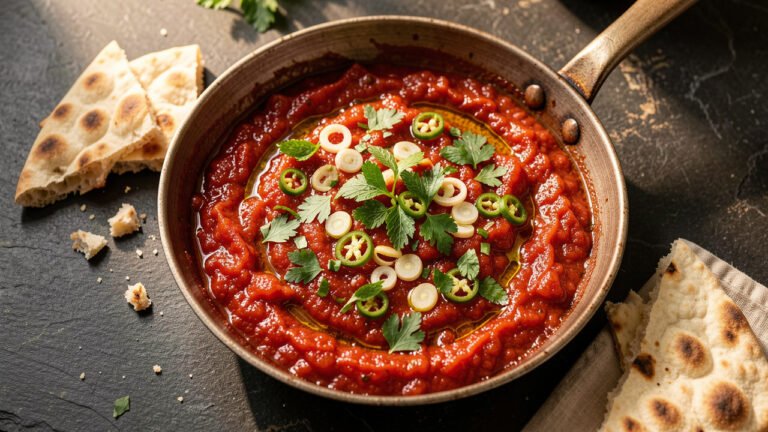
Galayet bandora is proof that a handful of ripe tomatoes and a generous pour of olive oil can become a whole meal. The name comes from the Arabic word for pan-frying, and that is exactly what happens here: tomatoes are cooked down aggressively until the water cooks off and what is left is deep, sweet, and jammy. It is the kind of dish that lives on Palestinian tables all summer long, when tomatoes are at their peak and nobody wants to spend an hour at the stove.
I learned quickly that the difference between a great galayet bandora and a watery, sad one is patience. The first time I made it I pulled the pan off too early, and I ended up with tomato soup instead of a jammy saute. Give it time and it rewards you.
Why This Galayet Bandora Works
Galayet bandora is a lesson in restraint. There is no long list of spices and no complicated technique, so every ingredient has to pull its weight. That is exactly why the quality of your tomatoes and your olive oil matters more here than in almost any other dish. When both are good, the result tastes far bigger than the sum of its parts.
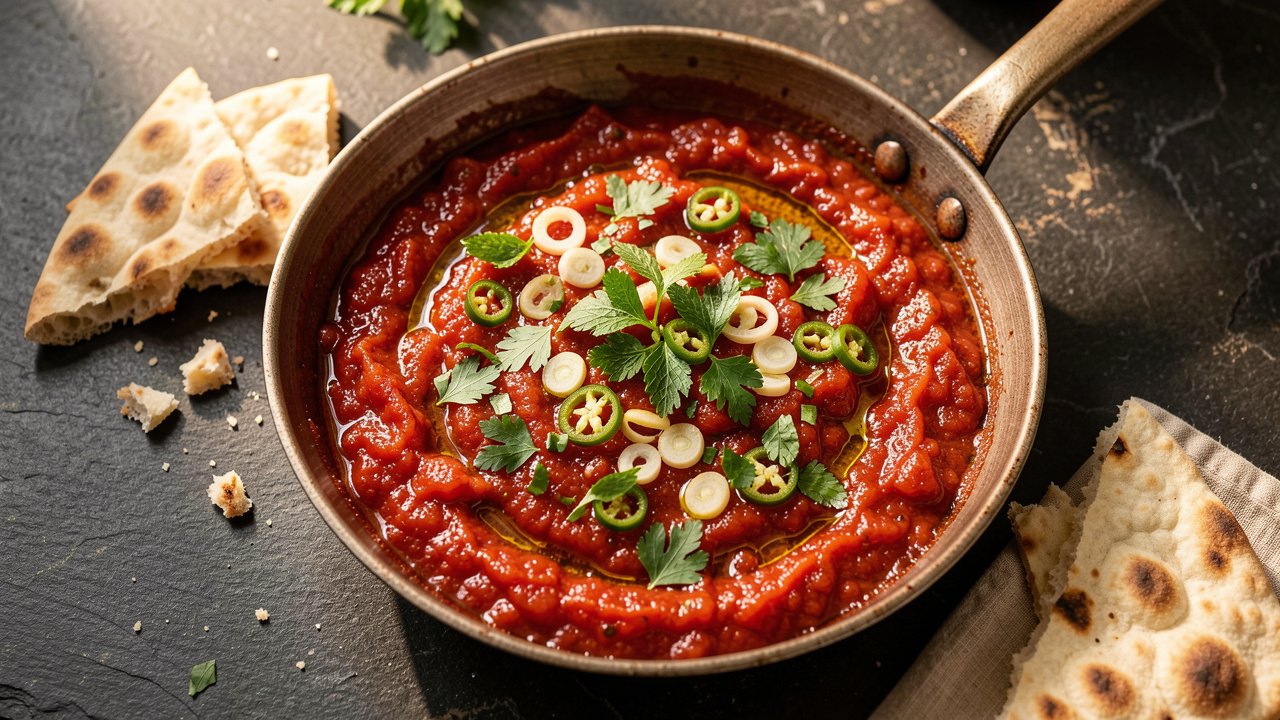
The whole method hinges on one idea: cook the tomatoes down hard. You are not making a quick sauce that still tastes raw and bright. You want the tomatoes to lose their water, concentrate their sugars, and turn into a thick, glossy jam that clings to the pan. That transformation is where the deep, almost caramelized flavor comes from.
Olive oil is not just a cooking medium here, it is a main ingredient. A generous pour lets the garlic bloom slowly, carries the flavor of the chili through the whole pan, and gives the finished dish its rich, silky body. As the tomatoes reduce, the oil separates and pools at the edges, which is the visual signal that you are almost there.
It is also endlessly forgiving and flexible. You can crack an egg into it, push the chili up or down, or finish it with a shower of dried herbs. Once you have the basic method down, galayet bandora becomes a fast, reliable dinner you can pull together from a bowl of tomatoes and a loaf of bread.
Pro observation: The tomatoes are done when the olive oil starts to separate and pool at the edges of the pan and a spoon dragged across the bottom leaves a clean trail. That sheen means the water has cooked off and the sauce is jammy.
Ingredients
Kitchen Measurement Converter
Quickly convert between common cooking measurements without leaving the recipe. Pick a category, enter a value, and the result updates instantly.
Ingredient Notes & Substitutions
Tomatoes
Ripe, deep-red summer tomatoes are the whole point. They should be soft and heavy for their size. Out of season, one large can of whole peeled tomatoes, drained and crushed, gives a better result than pale, watery fresh ones.
Olive Oil
Use a good extra virgin olive oil and do not be shy with it. It is a defining flavor, not just a cooking fat. A grassy, peppery oil stands up beautifully to the sweetness of the reduced tomatoes.
Green Chili
A mild long green chili is traditional and adds warmth without overwhelming heat. For a hotter dish use a hot green pepper; for a gentle one, scrape out the seeds first or use less.
Herbs
Fresh parsley and mint are the classic finish. Add them off the heat so they stay bright. A little chopped fresh cilantro also works if that is what you have on hand.
Equipment
- Wide, heavy skillet
- Wooden spoon
- Sharp knife and board
- Colander for washing
- Measuring spoons
- Small bowl for herbs
Before You Start
1. Wash your produce well. Rinse the tomatoes, chili, and fresh herbs under cool running water and pat them dry before you chop, especially since the herbs go in raw at the end.
2. Use a wide pan. A wide surface area lets the tomato water evaporate faster, which is the key to getting a jammy saute instead of a watery one.
3. Warm the bread last. Galayet bandora is best eaten hot from the pan, so warm your flatbread just before the dish is ready to serve.
Step-by-Step Instructions
Prep the Tomatoes and Aromatics
Wash everything well. Chop the tomatoes into rough chunks, keeping all their juice. Thinly slice the garlic and slice the green chili into rounds. Roughly chop the parsley and mint and set them aside for the finish.
Bloom the Garlic and Chili
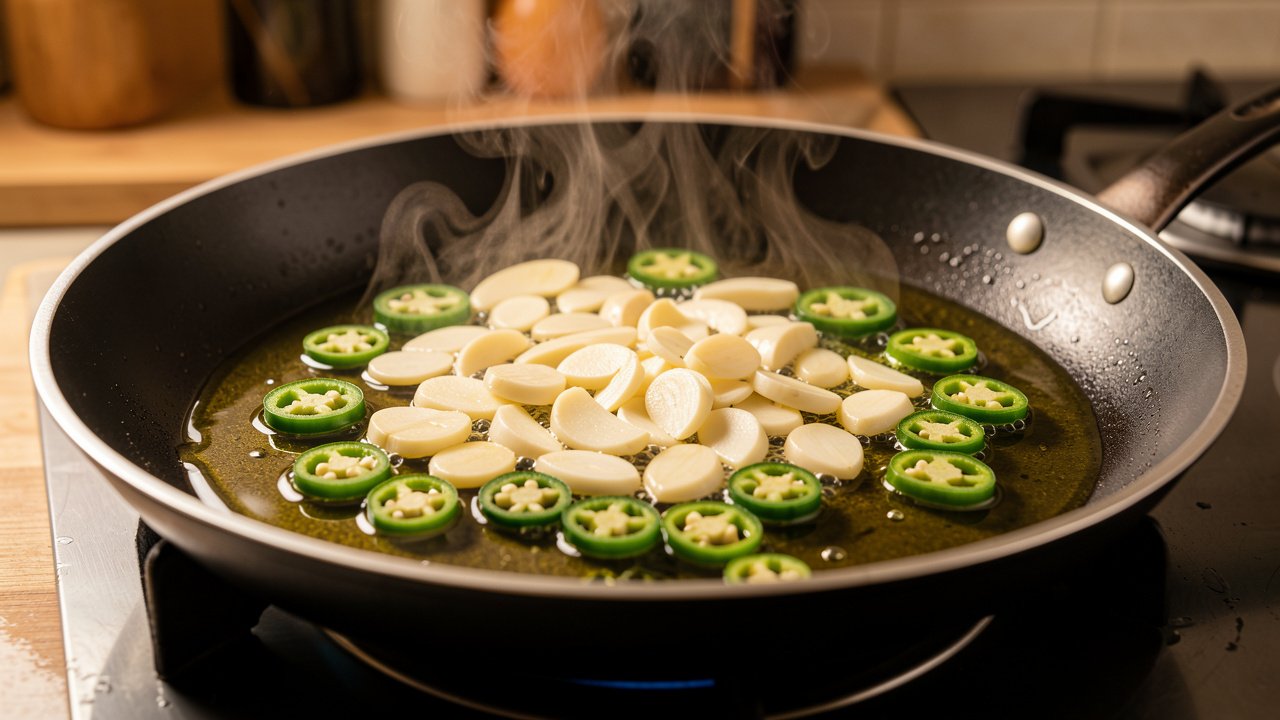
Warm the olive oil in a wide skillet over medium heat. Add the sliced garlic and green chili and cook gently for about 1 to 2 minutes, stirring, just until the garlic turns fragrant and pale gold. Do not let it brown, or it will taste bitter.
Add the Tomatoes
Tip in all the chopped tomatoes and their juice. Stir to coat everything in the oil, then let them come up to a lively bubble. As they heat, they will release a lot of liquid; that is exactly what you want to cook off in the next step.
Cook It Down Hard
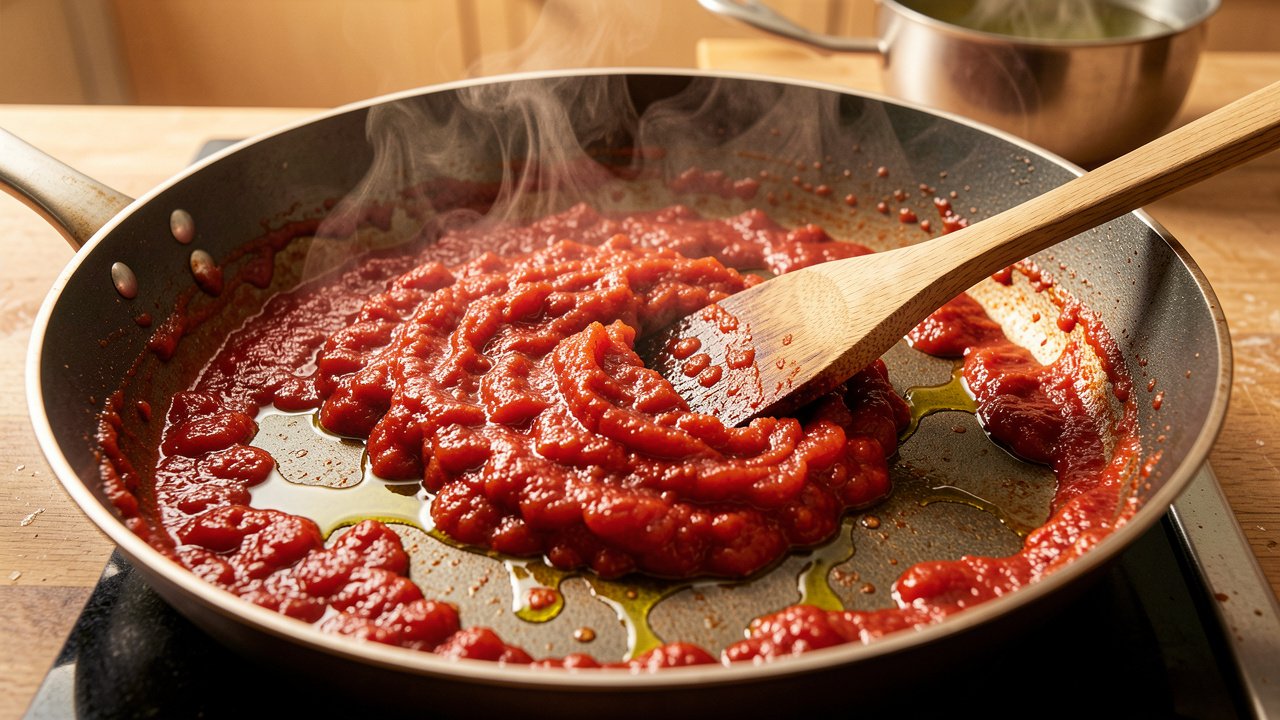
Keep the heat at medium and cook the tomatoes for 20 to 25 minutes, stirring often and crushing them against the pan with your spoon. The mixture will go from soupy to thick and jammy. It is ready when the water has cooked off, the sauce holds its shape, and the olive oil separates and pools at the edges.
Season
Stir in the salt, black pepper, and ground allspice. Taste and adjust: the sauce should taste bright, savory, and lightly warm from the chili. If your tomatoes were very tart, a tiny pinch of sugar rounds them out, but ripe summer fruit rarely needs it.
Finish with Herbs and Serve
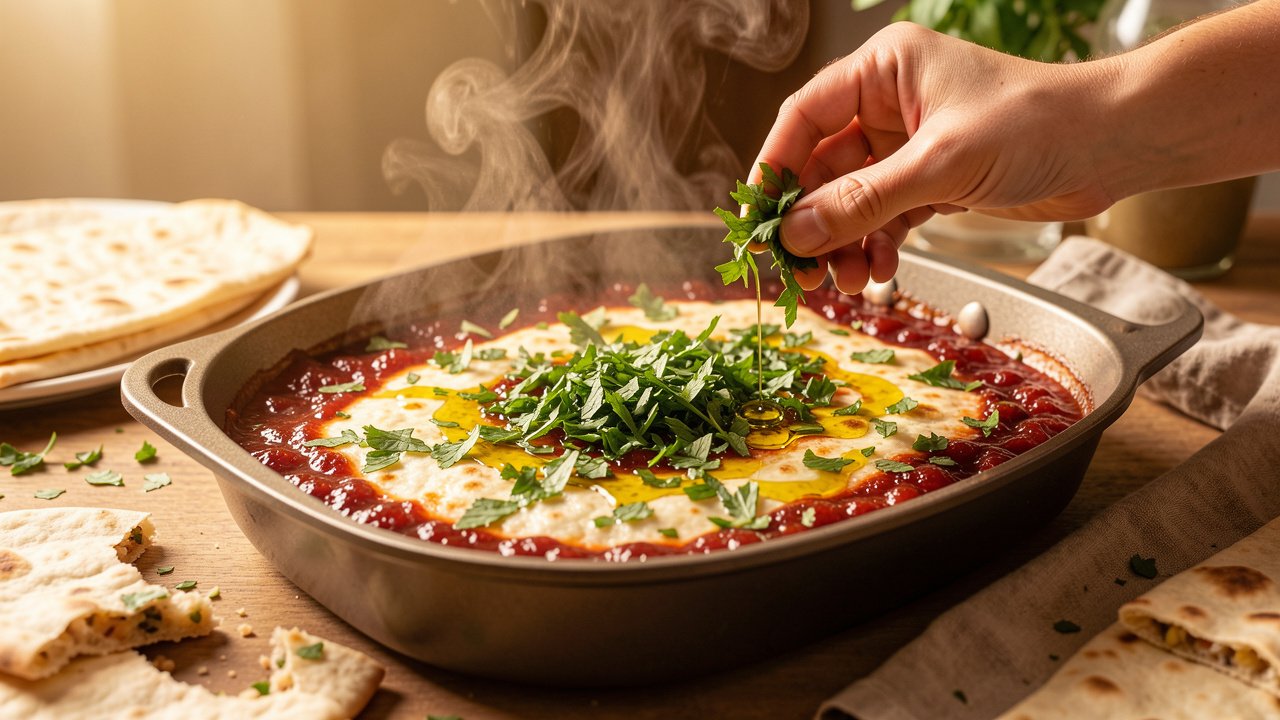
Take the pan off the heat and stir through most of the chopped parsley and mint, saving a little to scatter on top. Drizzle with a last thread of olive oil and serve the galayet bandora hot, straight from the pan, with plenty of warm flatbread for scooping.
Chef’s Tips From Real Kitchen Testing
Give it the full cooking time. The single biggest upgrade is patience; let the tomatoes reduce until jammy and the oil separates, and the flavor deepens dramatically.
Keep the garlic pale. Bloom it gently in the oil and add the tomatoes before it colors past pale gold, since scorched garlic turns the whole pan bitter.
Save some herbs for the top. Stir most of the parsley and mint in off the heat, then scatter a little more on the surface for a fresh, green finish.
Recipe Variations
Serving Suggestions
- Warm pita, taboon, or any flatbread for scooping
- A wedge of white cheese and olives on the side
- Cucumber and a simple green salad
- Hot mint tea to finish the meal
Nutrition Facts
| Nutrient | Amount per serving |
|---|---|
| Calories | 230 |
| Protein | 3 g |
| Carbohydrates | 14 g |
| Fat | 19 g |
| Saturated Fat | 3 g |
| Fiber | 4 g |
| Sugar | 8 g |
| Sodium | 480 mg |
Values are estimates per serving, without bread, and vary with the exact ingredients and brands you use.
Make-Ahead Tips
Galayet bandora actually tastes even better the next day, once the flavors have settled. Cook it through, cool it, and keep it in the fridge. When you reheat it, warm it gently and stir in a fresh drizzle of olive oil, then add fresh herbs just before serving so they stay bright and green rather than dull.
Storage, Freezing & Reheating
Common Mistakes to Avoid
Troubleshooting
Sauce is watery? It needs more time. Turn up the heat slightly and keep cooking, stirring often, until the liquid evaporates and the oil separates.
Tastes flat? It usually wants a little more salt. A final drizzle of good olive oil and a fresh handful of herbs also lift it noticeably.
Too sharp or acidic? Very tart tomatoes can be softened with a small pinch of sugar and an extra minute or two of cooking to round them out.
A Note on Palestinian Cooking
Palestinian home cooking celebrates the produce of the land, and few things are more central than olive oil and ripe tomatoes. Dishes like galayet bandora are humble by design, built to make the most of a summer harvest with almost nothing added. They are meant to be shared from a communal pan, torn into with bread, and eaten slowly. If you love simple, tomato-forward cooking, you will find the same spirit across our tomato recipes.
Frequently Asked Questions
More Tomato Recipes to Try
Last updated: September 29, 2026