Ecuadorian Recipes
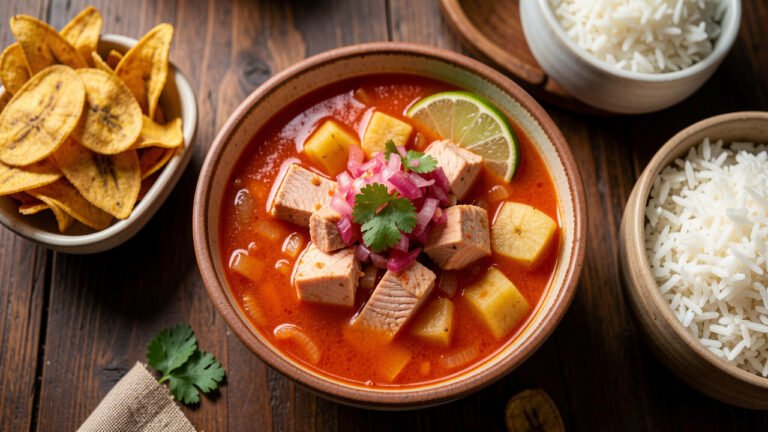
Ecuador’s Beloved Fish Soup
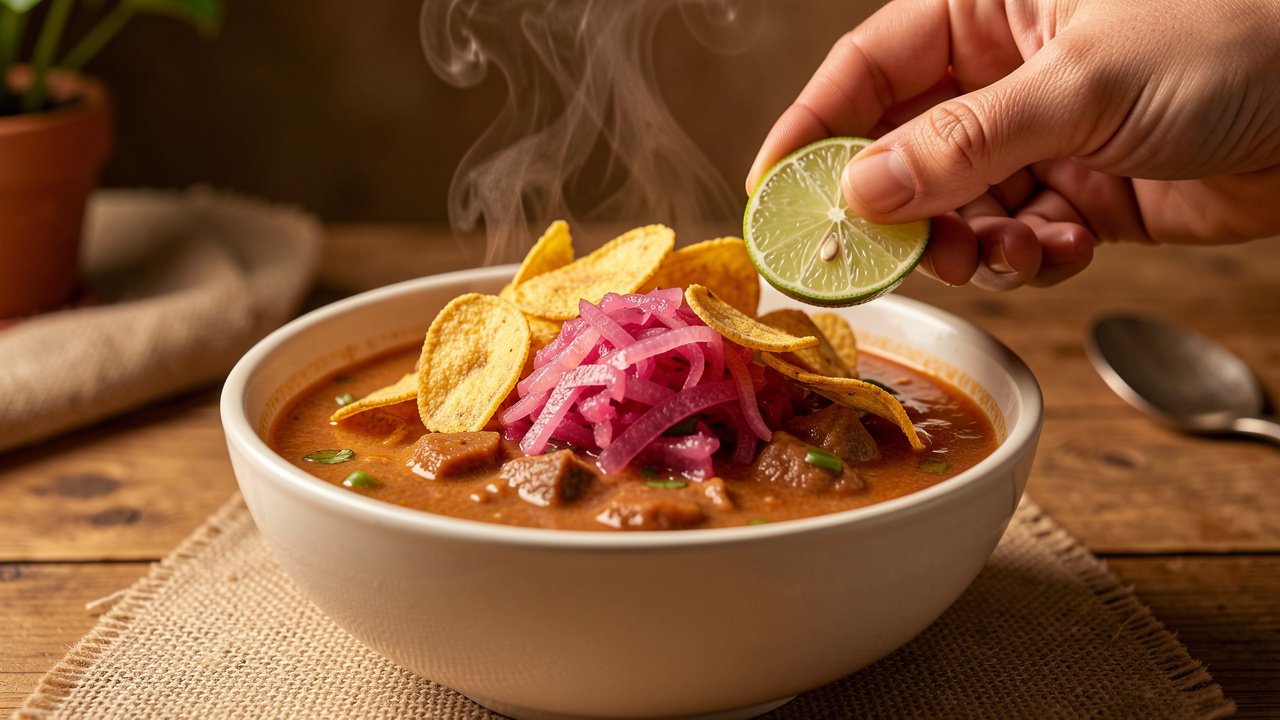
Encebollado is the kind of soup Ecuadorians reach for on a slow Sunday morning, when the broth needs to be deep, the fish needs to be tender, and the toppings need to do a lot of the talking. The name comes from the word for onion, and the onion shows up twice: cooked soft in the broth, then again raw and pickled on top as curtido. That double hit of onion is the whole personality of the dish.
The first time I made it I treated the broth as the finish line and the toppings as an afterthought. It was fine, but it was flat. The lesson landed fast: the lime, the curtido, and the plantain chips are not garnish, they are the seasoning, and you build the flavor in layers right up to the last spoonful.
Why This Encebollado Works
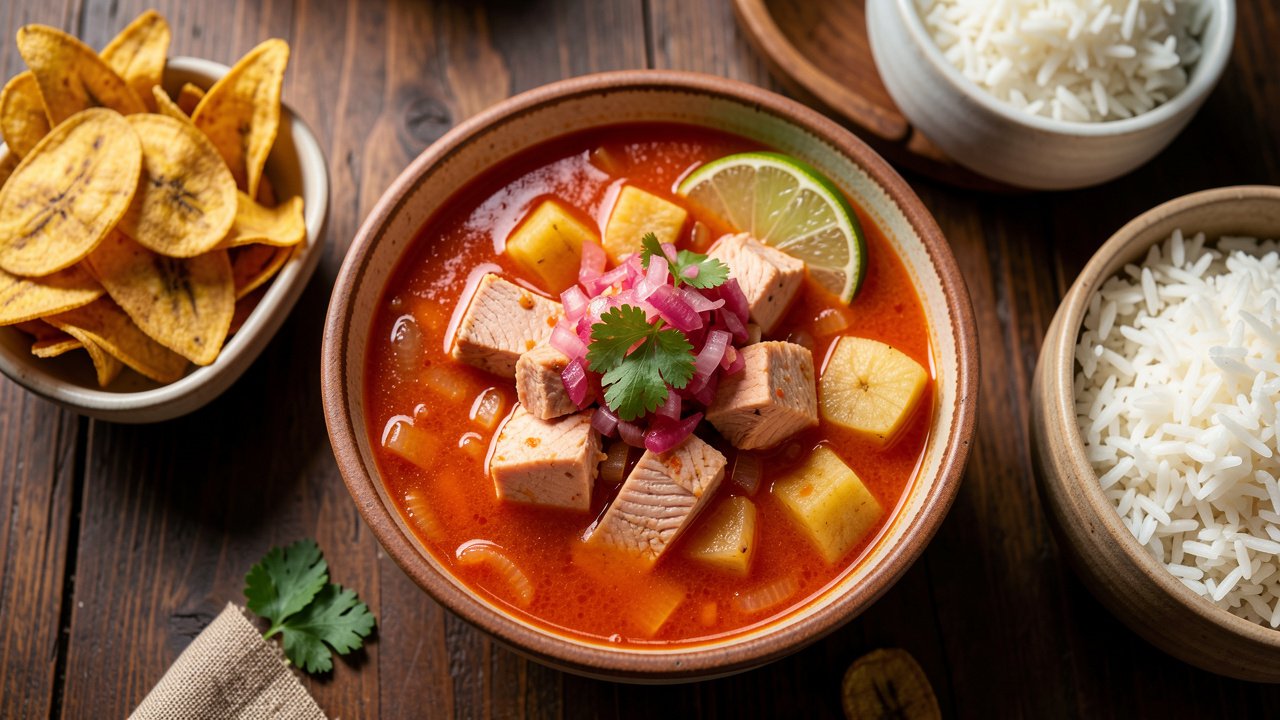
Encebollado hits a balance that few soups manage: it is rich and filling from the yuca and tuna, yet bright and almost refreshing thanks to the tomato, lime, and pickled onion. Coastal Ecuador treats it as a restorative bowl, the sort of thing you eat to feel human again, and the recipe is built to deliver comfort and freshness in the same spoonful.
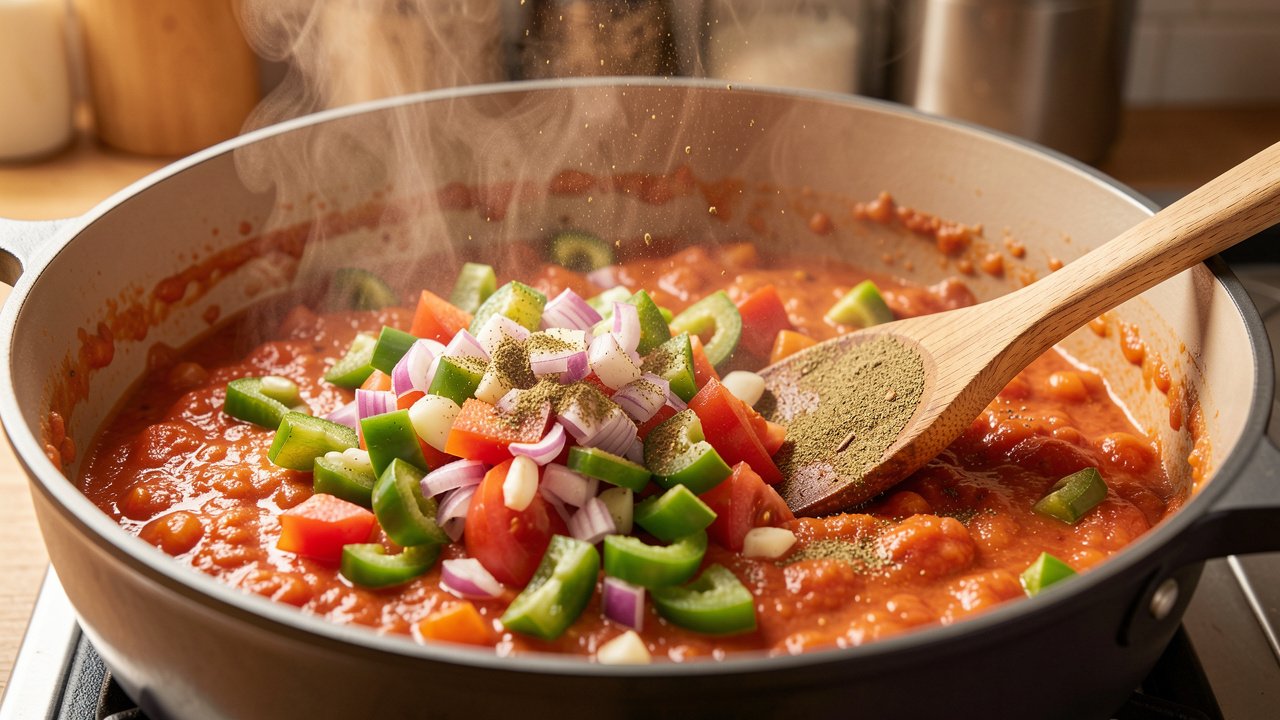
The broth is the backbone, and it starts with a simple refrito of onion, tomato, and green pepper softened in oil with plenty of cumin. That gentle base is what gives the soup its warm, savory depth before a single piece of fish goes in. Cooking those aromatics down properly, rather than rushing them, is the difference between a broth that tastes finished and one that tastes like flavored water.
Albacore tuna is the traditional choice, and it is a good one. It holds together in firm, meaty flakes instead of dissolving into the broth, so every bowl has real texture. Poaching it gently, then slicing it into chunks, keeps it moist and gives the soup its signature bite.
Yuca does the quiet work of turning soup into a meal. As it simmers it releases a little starch that lightly thickens the broth and gives it a silky, satisfying body, while the chunks themselves stay soft and slightly sweet. It is the reason a bowl of encebollado feels like lunch, not a starter.
Pro observation: The broth is ready for the fish when the tomato has completely melted into it and the raw onion smell is gone, replaced by a rounded, savory aroma. Taste it then, before the tuna goes in, and correct the salt while it is easy to adjust.
Ingredients
Kitchen Measurement Converter
Quickly convert between common cooking measurements without leaving the recipe. Pick a category, enter a value, and the result updates instantly.
Ingredient Notes & Substitutions
Albacore Tuna
Albacore, sometimes labeled white tuna, is the classic fish here because it flakes into firm, meaty chunks. Fresh tuna steaks are ideal, but good-quality frozen and thawed steaks work well too. Any firm, meaty fish that holds its shape can stand in.
Yuca (Cassava)
Fresh yuca has a tough bark-like skin you peel away before boiling. Frozen yuca chunks are a huge shortcut and cook up just as tender. Always cook yuca fully soft; it is never eaten raw or firm.
Red Onion
You need two: one to build the broth and one to slice thin for the curtido on top. Soaking the raw slices in lime juice and salt tames their bite and turns them tangy and bright.
Cumin and Cilantro
Ground cumin is the signature warm note of the broth, so do not be shy with it. Fresh cilantro goes in twice, simmered into the broth for depth and scattered on top for freshness. Achiote is optional, purely for a deeper red-orange color.
Equipment
- Large soup pot
- Slotted spoon
- Sharp knife and board
- Vegetable peeler
- Fine strainer
- Small bowl for curtido
Before You Start
1. Start the curtido first. Thinly slice one red onion, then toss it with lime juice and a pinch of salt so it has time to soften and mellow while the soup cooks.
2. Peel and chunk the yuca. Cut it into thick pieces and check for the woody core in the center, pulling out any stringy fibers before it goes into the pot.
3. Pat the tuna dry. If your fish is very wet, blot it with paper towels so it poaches cleanly and the broth stays clear rather than cloudy.
Step-by-Step Instructions
Make the Curtido
Slice one red onion as thinly as you can and place it in a small bowl. Add half the lime juice, a good pinch of salt, and a handful of chopped tomato and cilantro if you like. Toss well and set aside. Stir it now and then while you cook so the onion softens and turns bright and tangy.
Build the Refrito
Heat the oil in a large pot over medium heat. Add the remaining chopped red onion, the green pepper, and the garlic, and cook 5 to 6 minutes until soft. Stir in the cumin and the achiote if using, and let them bloom for 30 seconds until fragrant. Add the chopped tomatoes and a teaspoon of salt, and cook 6 to 8 minutes until the tomato collapses into a soft, jammy base.
Simmer the Broth and Yuca
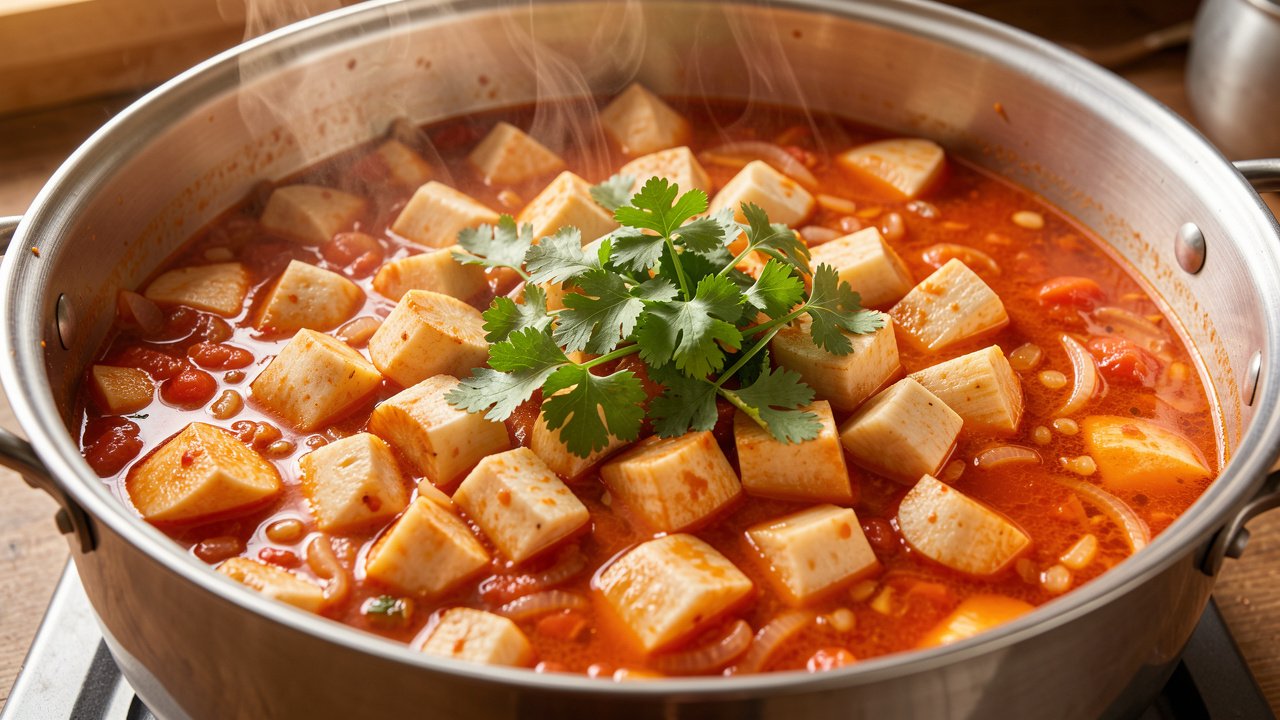
Pour in the water or fish stock and bring it to a gentle boil. Add the yuca chunks and half the chopped cilantro, then lower the heat and simmer 18 to 22 minutes until the yuca is fork-tender all the way through. The broth will thicken slightly as the yuca releases its starch.
Poach the Tuna
Lower the tuna steaks into the simmering broth and poach them gently for 8 to 10 minutes, until the fish is opaque and flakes easily. Lift the steaks out with a slotted spoon, let them cool for a minute, then break or slice them into large, bite-size chunks.
Return the Fish and Season
Slide the tuna chunks back into the pot and warm them through for a couple of minutes. Stir in the remaining lime juice and cilantro, then taste and adjust with more salt and lime until the broth is bright and well seasoned. It should taste savory, tangy, and a little punchy.
Serve With All the Toppings
Ladle the soup into bowls, making sure each gets tuna and yuca. Top generously with the curtido, then finish with plantain chips for crunch and an extra lime wedge on the side. Serve a bowl of rice alongside to stir in or eat between spoonfuls, the way it is done on the coast.
Chef’s Tips From Real Kitchen Testing
Keep the poach gentle. A hard boil toughens tuna and turns it dry and stringy, while a bare simmer keeps every flake tender and moist.
Season the broth before the fish goes back in. It is far easier to correct salt and lime while the broth is on its own than to chase the balance around chunks of tuna and yuca.
Add the plantain chips only at the very end, bowl by bowl. Stirred in too early they go soft, and their whole job is to bring crunch against the soft yuca and fish.
Recipe Variations
Serving Suggestions
- A bowl of steamed white rice to eat alongside
- Extra plantain chips or crispy fried plantain
- Lime wedges and a spoonful of aji hot sauce
- Popcorn on top, the classic Ecuadorian touch
Nutrition Facts
| Nutrient | Amount per serving |
|---|---|
| Calories | 340 |
| Protein | 32 g |
| Carbohydrates | 30 g |
| Fat | 9 g |
| Saturated Fat | 2 g |
| Fiber | 3 g |
| Sugar | 5 g |
| Sodium | 720 mg |
Values are estimates per serving and vary with the exact ingredients and brands you use.
Make-Ahead Tips
The broth actually improves with a rest, so encebollado is a smart make-ahead soup. Cook the broth and yuca a day in advance and refrigerate, then reheat gently and poach the tuna fresh just before serving so it stays tender. Make the curtido up to a day ahead as well; it only gets better as it sits in the lime. Keep the plantain chips separate and add them at the table so they stay crunchy.
Storage, Freezing & Reheating
Common Mistakes to Avoid
Troubleshooting
Broth tastes flat? It almost always needs more salt and a bigger hit of lime. Cumin also fades as it sits, so a fresh pinch can wake it back up.
Tuna came out dry? It poached too hard or too long. Next time keep the heat at a bare simmer and lift the fish out as soon as it flakes.
Broth too thin? Let it simmer uncovered a few extra minutes, or mash a couple of yuca chunks against the side of the pot to release more starch.
A Note on Ecuadorian Cooking
Ecuadorian food is shaped by geography, and encebollado belongs to the coast, where fresh fish and green plantains are everyday staples. The dish is famous as a morning meal and a gentle cure for a rough night, sold from soup counters and market stalls where cooks ladle it over rice and let each person load up their own curtido, chips, and lime. That build-your-own finish is deeply Ecuadorian: the base is savory and steady, and the brightness comes from what you add at the table. If you enjoy tomato-forward bowls like this, browse our other tomato recipes or try a fresh tomato salsa alongside.
Food safety: Cook fish until it reaches an internal temperature of 145 degrees F (63 degrees C) and flakes easily. A gentle poach for the full time in this recipe brings the tuna well past that point while keeping it tender.
Frequently Asked Questions
More Tomato Recipes to Try
Last updated: September 29, 2026