Vegetarian Recipes
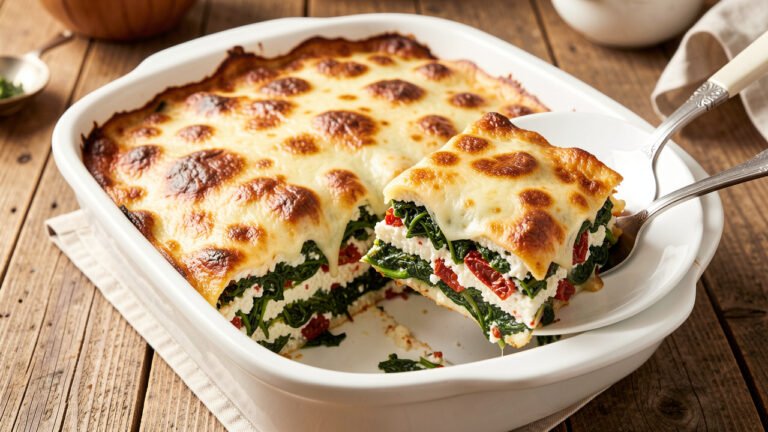
Fresh Spinach and Sun-Dried Tomato Lasagna
Last updated: July 23, 2026
Almost every problem people have with vegetable lasagna comes down to one thing: water. Fresh spinach is close to ninety percent water by weight, ricotta holds whey, and tomato sauce is thin to begin with. Stack those three in a pan and you get soup with noodles in it.
This recipe manages that water at every stage. The reward is real spinach flavor, salty-sweet bursts of sun-dried tomato, and layers that stand up on the plate.
Why This Spinach and Sun-Dried Tomato Lasagna Works
The whole dish turns on one idea: two ingredients pulling moisture in opposite directions. Fresh spinach floods the pan with liquid. Sun-dried tomatoes are parched and pull liquid back out of the sauce.
Handle both correctly and they cancel each other out. The spinach gets wrung dry so it contributes flavor without water, and the sun-dried tomatoes rehydrate gently in the sauce instead of staying leathery.
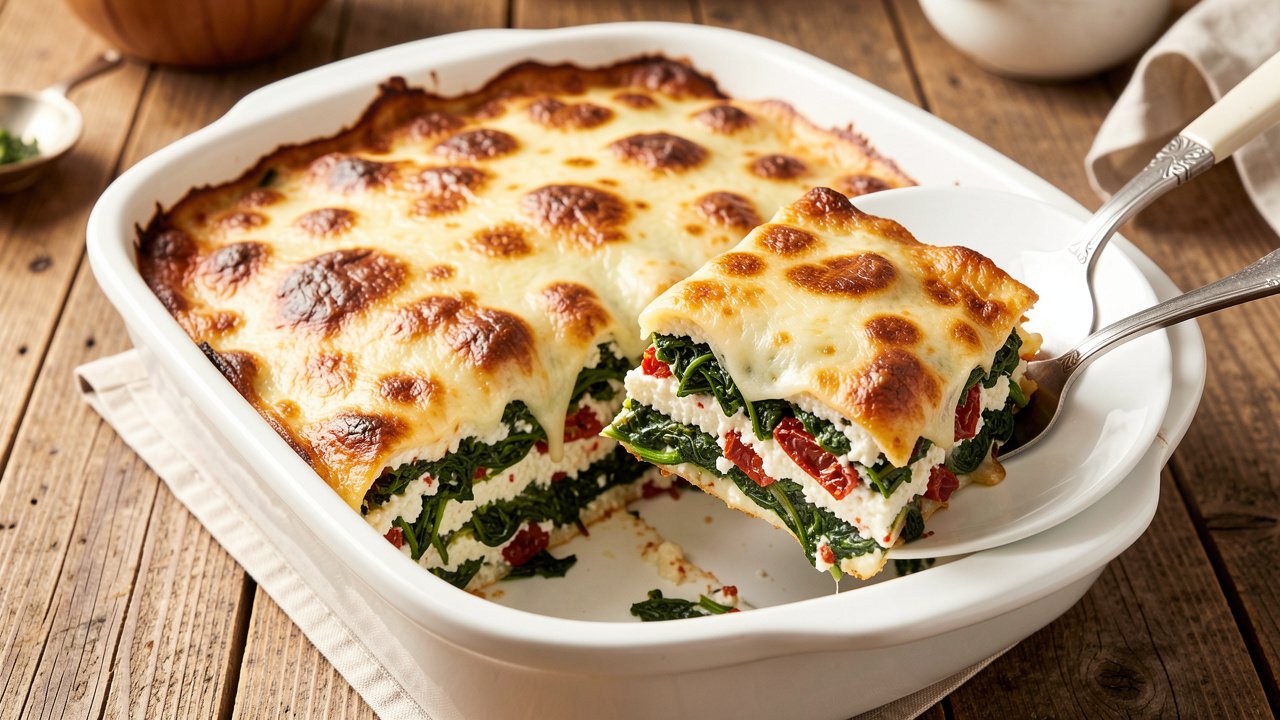
Ricotta bound with an egg gives you a layer that sets rather than oozes. That single egg is the difference between a slice that holds its shape and one that slumps the moment the spatula lifts it.
Sun-dried tomatoes bring concentrated sweetness and salt, spinach brings a mineral edge, and the cheeses smooth it into something rich without being heavy.
Kitchen test note: Two pounds of fresh spinach cooked down and squeezed released just over a cup of liquid in our pan. That is a full cup of water that would otherwise be sitting under your noodles.
Ingredients for Sun-Dried Tomato Spinach Lasagna
Kitchen Measurement Converter
Quickly convert between common cooking measurements without leaving the recipe. Pick a category, enter a value, and the result updates instantly.
Ingredient Notes & Substitutions
Fresh Spinach
Buy more than looks reasonable. Two pounds of raw leaves cook down to roughly two cups once wilted and squeezed. Frozen chopped spinach works if you thaw and wring it just as hard.
Sun-Dried Tomatoes
Oil-packed jars are the easy choice and go straight into the pan after draining. Dry-packed bags are cheaper but need a 15 minute soak in hot water first, or they stay tough and steal liquid from the sauce.
Ricotta
Whole-milk ricotta tastes better and holds together more reliably than part-skim. Brands vary a lot in wetness, so check yours before mixing.
Mozzarella
Use low-moisture shredded mozzarella, not fresh mozzarella balls. Fresh mozzarella is packed in water and will undo everything else you did to keep the pan dry.
Tomato Sauce
A simple marinara is all you need. Our no-sugar fresh tomato sauce is a good homemade base, and home-canned works well if you keep crushed tomatoes on the shelf.
Equipment
- 9×13 inch baking dish
- Large skillet or pot
- Clean kitchen towel
- Colander
- Large mixing bowl
- Aluminum foil
Before You Start
1. Heat the oven to 375F. A moderate oven cooks the noodles through without scorching the top before the middle is hot.
2. Wilt and squeeze the spinach first. It needs time to cool before you can handle it, so this is the step to do while the oven preheats.
3. Check your ricotta. If the tub has visible liquid pooled on top, set the ricotta in a fine sieve over a bowl for 20 minutes.
Step-by-Step Instructions
Wilt the Spinach
Heat a splash of olive oil in your largest skillet over medium heat and add the garlic for about 30 seconds, just until it smells sweet. Add the spinach in big handfuls, stirring as each batch collapses to make room for the next.
The whole pile is done in 4 to 5 minutes, when the leaves are dark green and limp and there is liquid pooling in the pan. Tip it all into a colander in the sink and let it cool for 10 minutes.
Squeeze the Spinach Bone-Dry
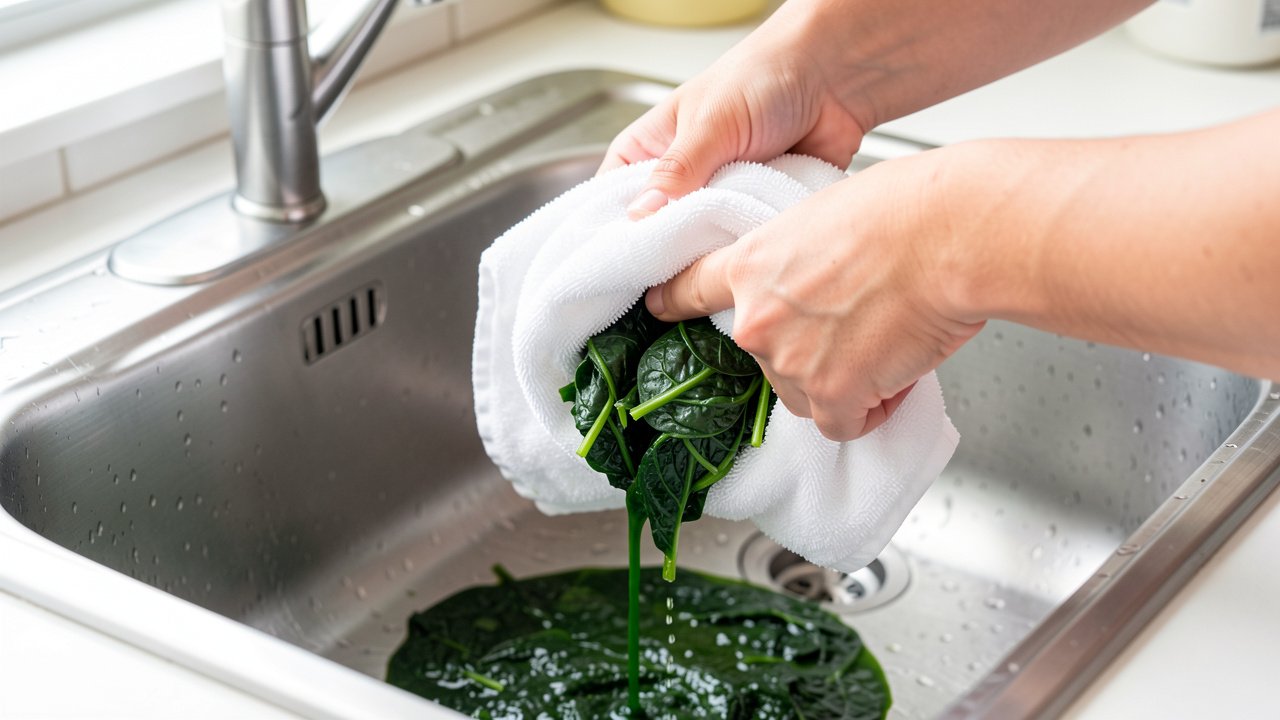
This is the step that decides whether your lasagna is sliceable. Pile the cooled spinach into the center of a clean kitchen towel, gather the corners, and twist hard over the sink.
Keep twisting until no more liquid comes out, then twist a few more times. Under-squeezed spinach is the number one cause of a soupy lasagna. Pull the compressed ball apart with your fingers so it does not bake as one dense clump.
Bind the Ricotta Filling
In a large bowl, stir together the ricotta, the egg, most of the Parmesan, the nutmeg, salt, and pepper. The egg is doing real work here: as it bakes it sets the cheese into a soft custard, so the layer slices cleanly instead of running out the side of the square.
Fold in the squeezed spinach and the chopped basil. The mixture should be thick enough to hold a spoon upright. If it looks loose or watery at this point, your ricotta or your spinach still has liquid in it.
Ready the Sun-Dried Tomatoes and Sauce
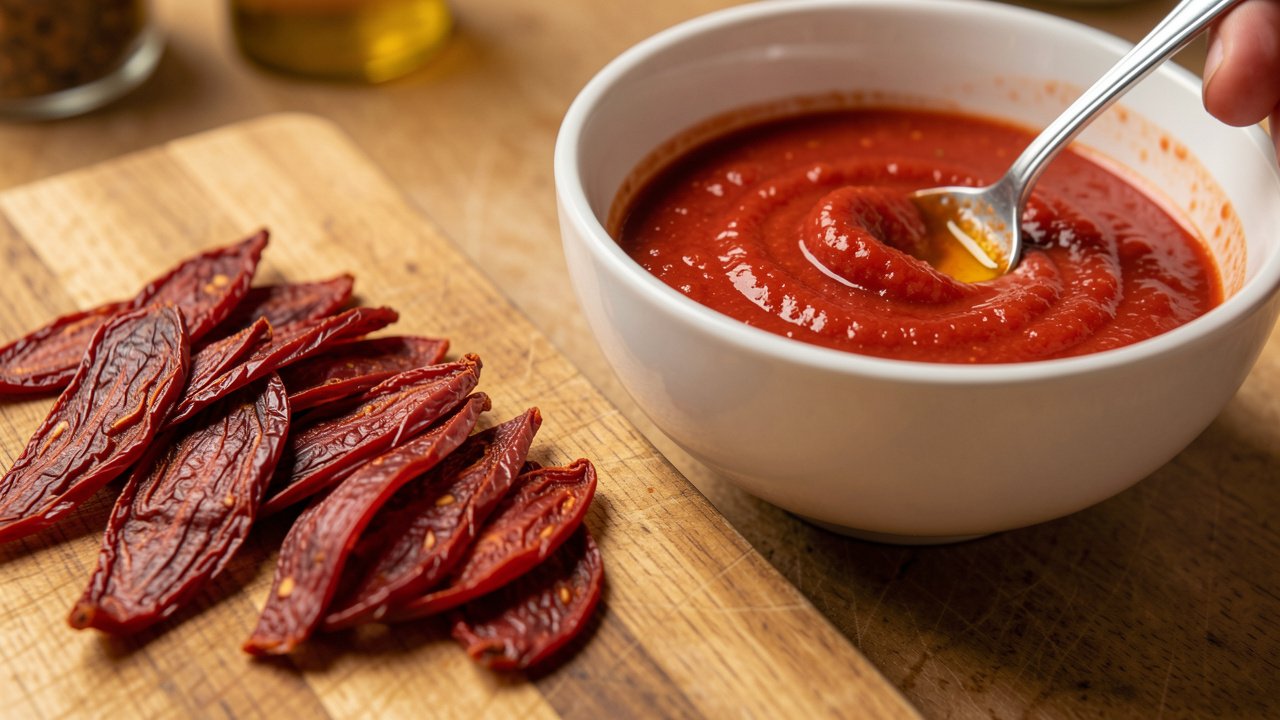
Drain oil-packed sun-dried tomatoes well and slice them into thin strips. If yours came dry-packed, cover them with hot water for 15 minutes, drain, and pat them dry before slicing.
Stir about a third of the strips into the tomato sauce and leave the rest for the layers. Because sun-dried tomatoes are thirsty, they will drink from the sauce as the lasagna bakes, which is exactly what you want them to do instead of drinking from the noodles.
Layer the Lasagna
Start with a thin coat of sauce across the bottom of the dish. That layer keeps the first sheet of pasta from gluing itself to the pan and scorching, and it gives the bottom noodles something to hydrate from.
Build in this order and repeat three times: noodles, a third of the ricotta and spinach mixture spread thin, a scatter of sun-dried tomato strips, sauce, then mozzarella. Finish with a fourth layer of noodles, the last of the sauce, and the remaining mozzarella and Parmesan on top.
Resist the urge to load each layer up. Thin, even layers heat through and set; thick ones stay cool in the middle and slump when you cut them. If a layer looks generous, spread it out further rather than piling it higher.
Using regular noodles instead? Boil them 2 minutes short of the box time, then simmer your sauce for 10 minutes to thicken it. No-boil sheets need a looser sauce because they absorb liquid as they bake, while boiled noodles have already taken on their water and need a thicker one.
Bake Covered, Then Uncovered
Grease one side of a sheet of foil, or tent it into a low dome, and cover the dish greased side down. Foil laid flat on bare cheese will bond to it and tear the top off when you pull it away.
Bake covered at 375F for 35 minutes. Trapped steam is what cooks the noodles through, especially no-boil sheets, which rely on that humid environment to soften. Then remove the foil and bake another 15 minutes to dry the surface and brown the cheese into golden, bubbling patches.
It is ready when the edges bubble slowly and a knife slides into the center with no resistance from the pasta.
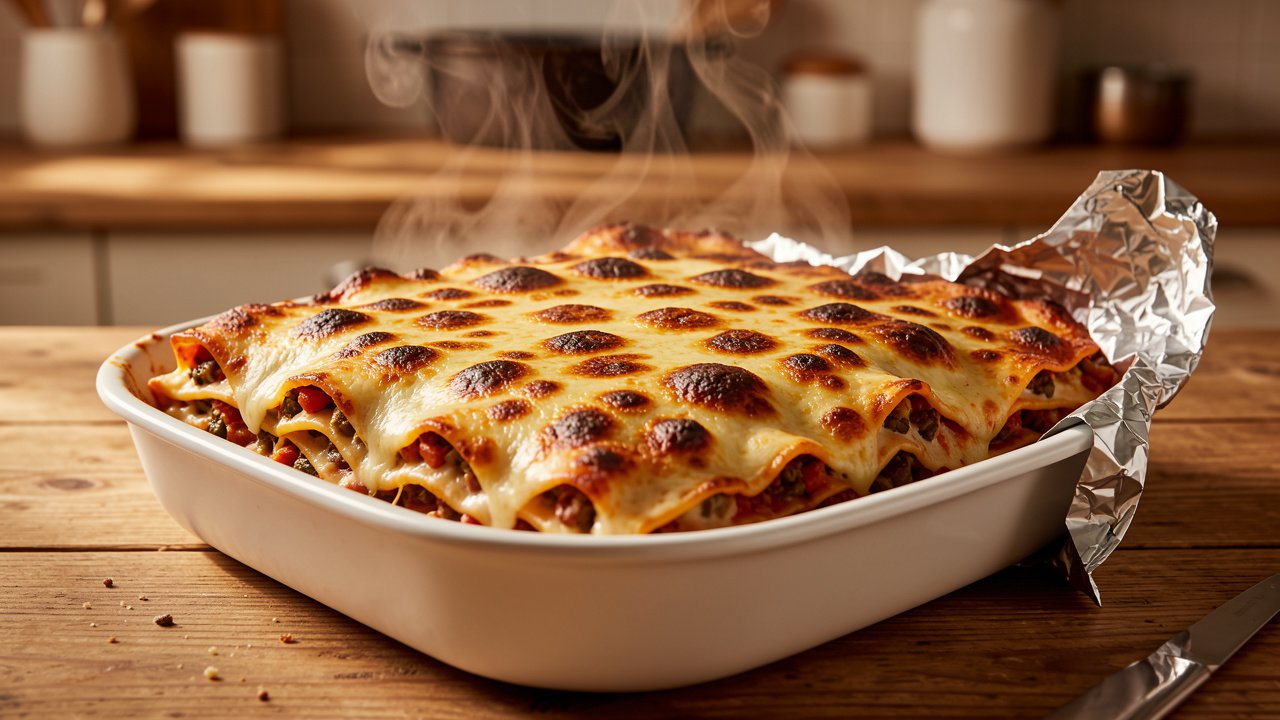
Rest It. This Is Not Optional.
Set the pan on a rack and leave it alone for 20 to 30 minutes. Lasagna cut straight from the oven collapses into a puddle no matter how carefully you built it, because the cheese is still molten and the starch has not set.
During the rest the ricotta firms, the mozzarella tightens, and the noodles finish absorbing the last of the sauce. This is the single most-skipped step in lasagna, and skipping it undoes all the water management you just did.
Chef’s Tips From Real Kitchen Testing
Season the ricotta more boldly than feels right. Pasta, cheese, and spinach are all mild, and an under-salted filling tastes flat once it is buried under sauce.
Wilt the spinach in a spoonful of oil from the sun-dried tomato jar. It is already infused with tomato and herbs, and it costs you nothing.
Shred the mozzarella yourself. Pre-shredded bags are dusted with anti-caking starch that can make the melted top look grainy rather than glossy.
Cut with a thin, sharp knife and lift with a flat spatula. A serrated knife saws and drags the layers apart even after a proper rest.
Recipe Variations
Serving Suggestions
- Green salad with lemon vinaigrette
- Garlic bread or crusty baguette
- Roasted broccolini with chili flakes
- A medium-bodied Chianti or Barbera
Nutrition Facts
Values are estimates for one of eight squares and shift with the brand of sauce and cheese you use. Spinach also contributes meaningful iron, vitamin K, and folate.
Make-Ahead Tips
You can assemble the whole pan up to 24 hours ahead, cover it, and refrigerate it unbaked. Add an extra half cup of sauce if you are using no-boil sheets, since they start pulling liquid the moment they touch it and can turn chalky overnight.
Bake it straight from the fridge and add 15 minutes to the covered time. The filling alone keeps two days in a sealed container.
Storage, Freezing & Reheating
Common Mistakes to Avoid
Troubleshooting a Watery Spinach Lasagna
Liquid pooling in the pan after baking? Tilt the dish and spoon the liquid off, then let it rest another 15 minutes. It will keep tightening as it cools.
Top browned but the center is still firm? Re-cover with foil, drop the oven to 350F, and give it another 10 to 15 minutes so the middle catches up.
Slices falling apart no matter what? Chill the whole pan overnight, cut cold squares, and reheat them individually. Cold lasagna cuts like a dream.
Frequently Asked Questions
More Tomato Recipes to Try
Culinary Reviewer: Ghazala Shakeel