Indian Recipes
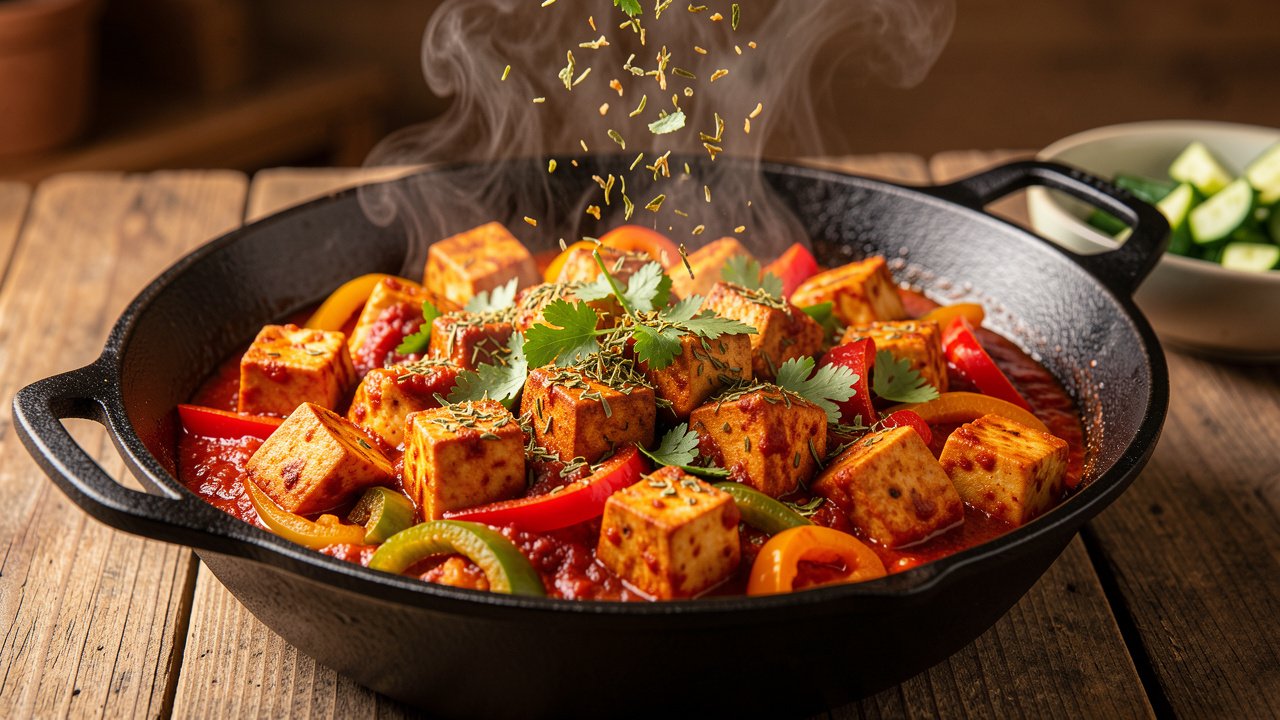
Paneer in a Spiced Tomato-Pepper Masala
Last updated: September 30, 2026
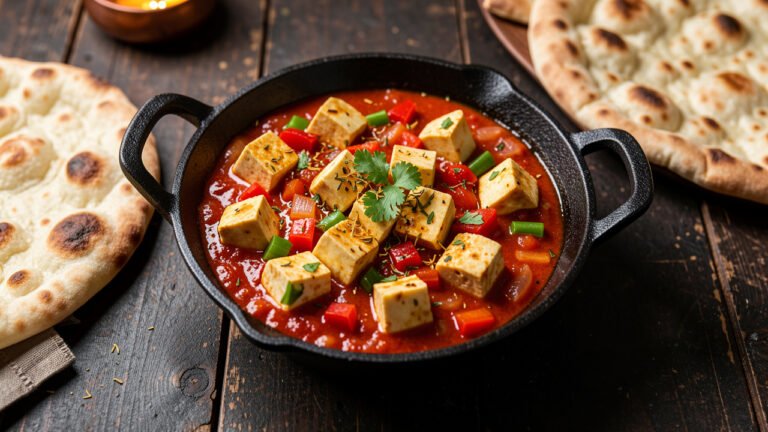
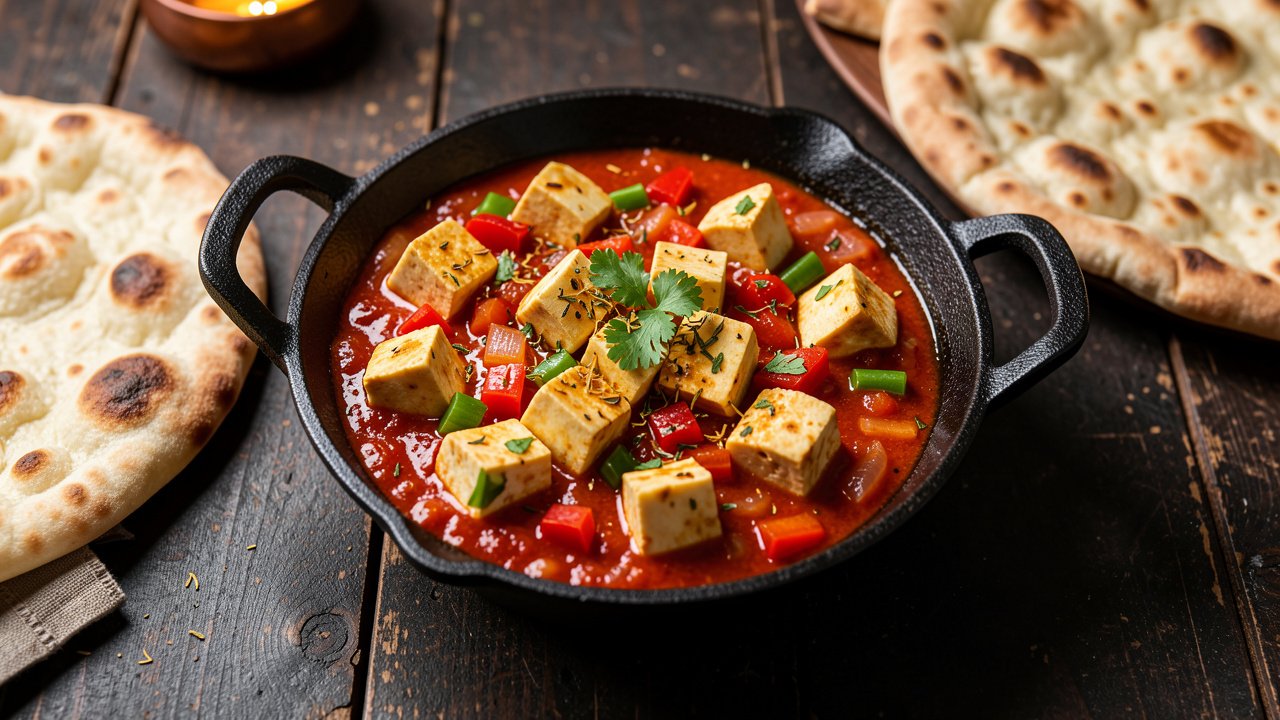
Kadai paneer is the paneer dish to make when you want big, savory flavor rather than a rich cream sauce. Soft paneer and sweet bell peppers are folded into a thick tomato-onion masala, and the whole thing is lifted by a coarse, freshly pounded blend of coriander seeds and dried red chili that gives the dish its signature aroma. It is a restaurant favorite that is surprisingly quick to build at home.
Why This Kadai Paneer Works
The heart of kadai paneer is its namesake masala. Instead of leaning on cream, this dish gets its character from whole coriander seeds and dried red chilies that are dry-roasted and then pounded into a coarse, fragrant powder. That freshly ground spice blooms in the hot oil and gives the finished masala a warm, citrusy, slightly smoky depth that a jar of pre-ground spice simply cannot match.
The second key is keeping the dish dry rather than saucy. The tomato-onion base is cooked down until the oil separates and the masala clings to a spoon, so it coats each paneer cube instead of drowning it. This is what sets kadai paneer apart from the creamy, gravy-heavy paneer dishes on the same menu, and it is why the peppers and paneer stay distinct and bright.
Timing the peppers and paneer is the third piece. The bell peppers are cooked hot and fast so they keep a little bite, and the paneer is folded in only at the end so it stays soft and springy. Overcook either one and you lose the fresh, chunky texture that makes the dish so satisfying.
Finally, the dish is endlessly adjustable. You can push it toward a saucier restaurant-style gravy, crank up the chili, or swap the paneer for tofu, and the same core method carries all of it. Once you learn the masala, kadai anything becomes possible.
Pro observation: The masala is ready for the paneer when you see little pools of oil separating at the edges of the pan and the mixture pulls away cleanly from the base. That is your cue that the tomatoes are fully cooked and the raw edge is gone.
Ingredients
Kitchen Measurement Converter
Need to convert an amount while you measure? Pick a category, enter a value, and the result updates instantly.
Ingredient Notes & Substitutions
Paneer
Use fresh, soft paneer for the best bite. If your paneer is firm or has been refrigerated, soak the cubes in warm water for 10 minutes before cooking so they turn soft and springy again. Homemade paneer works beautifully here.
Bell Peppers
Green capsicum is traditional and gives a slightly bitter, savory edge, but a mix of green, red, and yellow looks and tastes wonderful. Cut them into bite-size squares so they cook quickly and keep a little crunch.
Coriander Seeds & Chilies
Whole coriander seeds and dried red chilies pounded together are the soul of the kadai masala. Grind them coarse, not fine, so you get little flecks of spice throughout. Kashmiri chilies add color with mild heat; use hotter chilies if you want more fire.
Tomatoes & Kasuri Methi
Ripe, red tomatoes pureed smooth make a rich base; canned tomato puree works out of season. Kasuri methi, crushed in at the end, adds the distinctive restaurant aroma. Rub it between your palms first to release its scent before it goes in.
Equipment
- Kadai or heavy skillet
- Small pan for roasting
- Mortar and pestle or grinder
- Sharp knife and board
- Wooden spoon or spatula
- Measuring spoons
Before You Start
1. Roast, cool, then pound the masala first. The coriander seeds and chilies need about 2 minutes in a dry pan and a few minutes to cool. Pound them warm and they turn pasty in the mortar instead of cracking into the coarse flecks that define kadai masala.
2. Put the paneer in warm water now. Firm, fridge-cold paneer goes rubbery the moment it meets hot masala. Ten minutes in warm water while you dice the vegetables brings back its soft, springy bite. Drain and blot the cubes so they do not water down the sauce.
3. Split the diced onion into two piles. Half goes into the high-heat pepper sear, half into the slower golden base. Divide it on the board, because once the kadai is smoking you have seconds, and tipping it all in with the peppers leaves the masala with no sweet foundation.
Step-by-Step Instructions
Kadai paneer moves quickly once the pan is hot, so pound the masala, dice the vegetables, and cube the paneer before you start. Keep the heat lively; this is a dish built on bold, quick cooking rather than long simmering.
Pound the Kadai Masala
Dry-roast the coriander seeds and dried red chilies in a small pan over medium heat for about 2 minutes, until fragrant and a shade darker. Let them cool, then pound in a mortar and pestle or pulse in a grinder to a coarse powder. This freshly ground blend is what gives kadai paneer its name and its aroma, so do not skip it.
Sear the Peppers and Onion
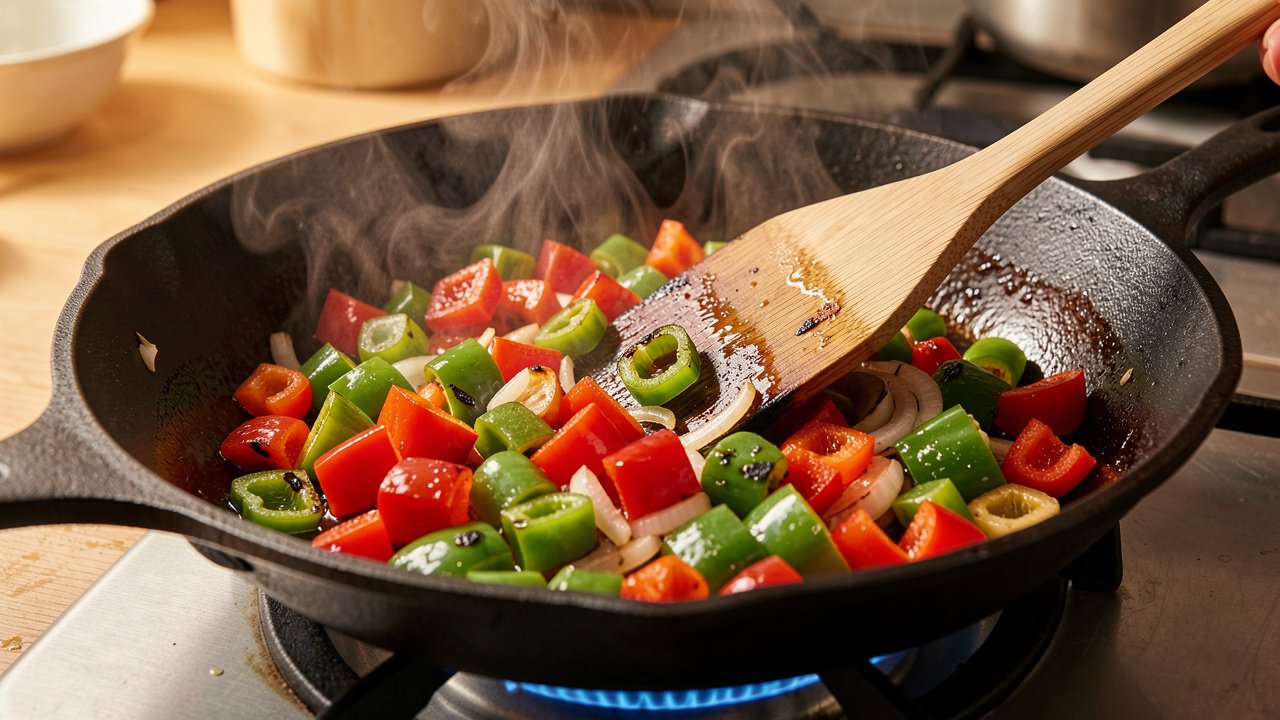
Heat 1 tablespoon of the oil in a kadai or heavy skillet over high heat. Add the diced bell peppers and half of the diced onion and stir-fry for 2 to 3 minutes, until the edges char lightly but the peppers still have crunch. Scoop them out and set aside; they go back in at the end.
Start the Onion Base
Add the remaining oil to the same pan and lower the heat to medium. Add the rest of the diced onion and cook for 4 to 5 minutes, until soft and golden. Stir in the ginger-garlic paste and cook for another minute, until the raw smell fades and the base smells sweet and toasty.
Cook Down the Tomato Masala
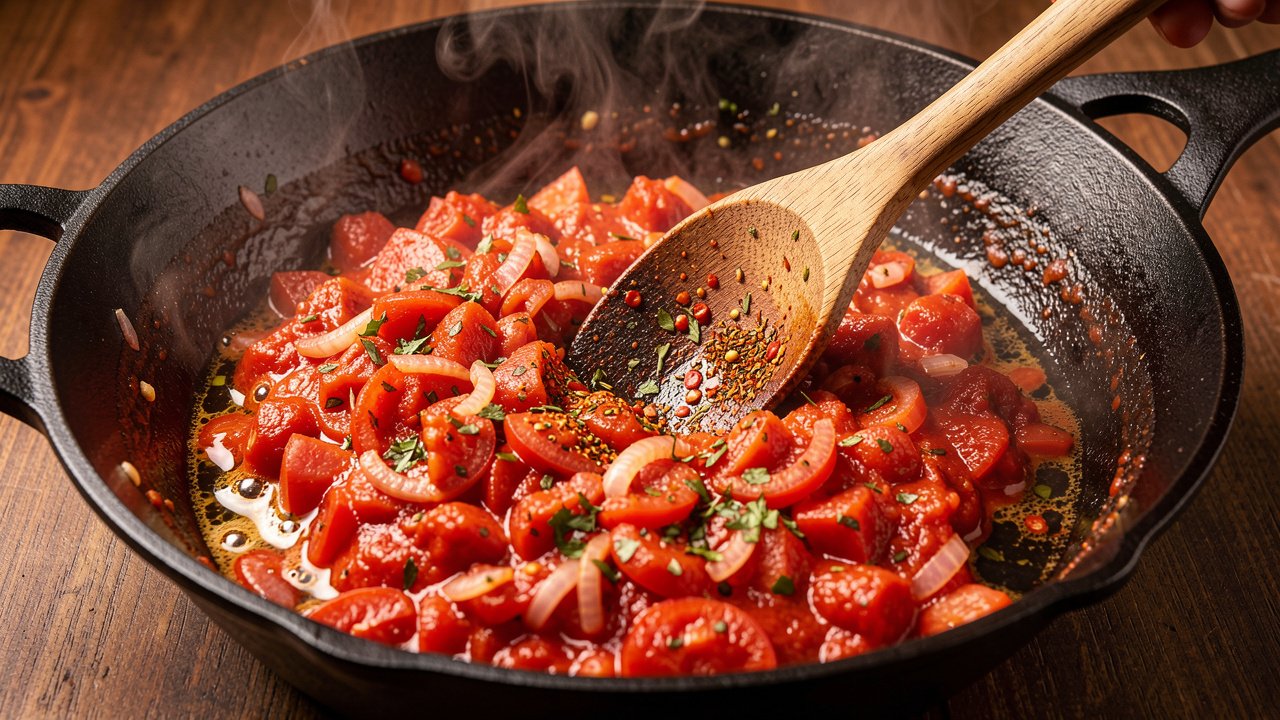
Pour in the pureed tomatoes along with the Kashmiri red chili powder and salt. Cook for 6 to 8 minutes, stirring often, until the masala thickens and you see oil separating at the edges. Stir in the pounded kadai masala and the garam masala and cook another minute so the spices bloom into the sauce.
Fold in the Paneer and Peppers
Return the seared peppers and onion to the pan and add the paneer cubes. Fold everything gently so the masala coats the paneer without breaking it. Add a splash of water only if the masala looks too dry, and simmer for 2 to 3 minutes just to warm the paneer through.
Finish with Kasuri Methi
Crush the kasuri methi between your palms and scatter it over the top, then fold it in. Taste and adjust the salt, garnish with chopped fresh coriander, and serve the kadai paneer hot with naan or roti. It is best eaten right away, while the peppers are still fresh and the paneer is soft.
Chef’s Tips From Real Kitchen Testing
Pound the coriander seeds and chilies fresh and keep the grind coarse. This single step is the difference between real kadai flavor and an ordinary tomato paneer.
Cook the tomato masala until the oil visibly separates. If you add the paneer while the base is still raw and watery, the whole dish tastes sharp and thin.
Add the paneer last and only warm it through. Long simmering makes paneer tough and rubbery, so fold it in gently at the very end.
Recipe Variations
Serving Suggestions
- Warm butter naan or plain roti to scoop it up
- Jeera rice or plain basmati on the side
- A cooling cucumber-yogurt raita
- Sliced onion, lemon wedges, and green chili
Nutrition Facts
| Nutrient | Amount per serving |
|---|---|
| Calories | 380 |
| Protein | 16 g |
| Carbohydrates | 18 g |
| Fat | 28 g |
| Saturated Fat | 12 g |
| Fiber | 4 g |
| Sugar | 9 g |
| Sodium | 640 mg |
Values are estimates per serving and vary with the exact ingredients and brands you use.
Make-Ahead Tips
Pound the kadai masala and cook the tomato-onion base up to 2 days ahead and refrigerate it. When you are ready to eat, reheat the base, sear the peppers, and fold in the paneer in just a few minutes for a fresh-tasting dish.
Storage, Freezing & Reheating
Common Mistakes to Avoid
Troubleshooting
Too dry or tight? The masala reduced too far. Loosen it with a splash of hot water and fold gently until it coats the paneer again.
Paneer turned rubbery? It cooked too long or the heat was too high. Soak firm paneer in warm water first, and add it only in the last few minutes.
Tastes flat? It likely needs salt or a squeeze of lemon. Finish with crushed kasuri methi and fresh coriander to wake up the flavor.
A Note on Indian Cooking
The dish takes its name from the pan it is cooked in. A kadai is the deep, rounded Indian wok, usually cast iron, that holds heat well and is made for the fast, high-flame cooking this recipe calls for. Any dish finished in one and built on the coarse coriander-chili masala can carry the kadai name, from kadai paneer to kadai vegetables to kadai chicken, so the word describes a style as much as a single recipe.
It is easy to confuse kadai paneer with the creamier paneer dishes it sits beside on a menu, but they are quite different. Rich, mild curries like shahi paneer and butter paneer lean on cream, cashew, and a smooth gravy, so they taste soft and gentle. Kadai paneer is deliberately drier, more tomato-and-pepper forward, and noticeably spicier, with a coarse masala you can actually see. If you enjoy the bolder, chunkier end of Indian home cooking, it belongs in the same rotation as a hearty chana masala.
What keeps kadai paneer so popular is how quickly it delivers restaurant flavor from everyday ingredients. With a hot pan, ripe tomatoes, and a freshly pounded spice blend, a weeknight dinner tastes like it came from a tandoor kitchen, which is the quiet magic of this style of cooking.