Libyan Recipes
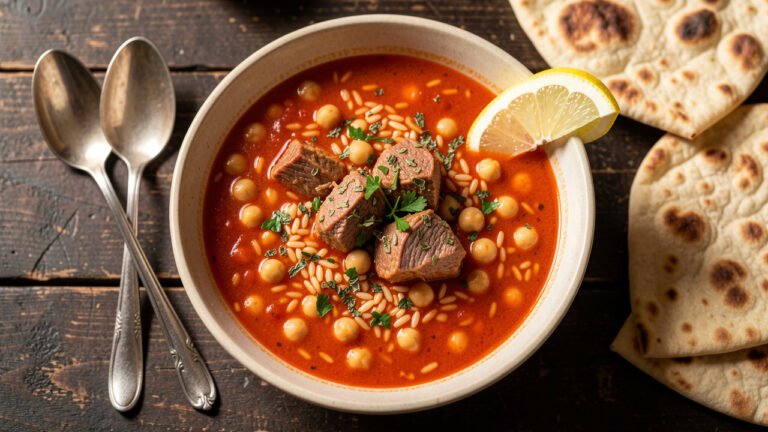
Spiced Lamb and Tomato Ramadan Soup
If there is one bowl that says Ramadan in Libya, it is Sharba. The smell of lamb, tomato, and mint drifting from the kitchen in the last hour before sunset is a memory almost every Libyan family shares. It is soothing without being plain, spiced without being fiery, and it fills the room with warmth long before the first spoonful.
What surprised me most when I started cooking it seriously was how much the finish matters. The broth can taste good and still fall flat until the dried mint and the lemon go in at the very end. That last minute is where a decent pot of soup becomes the Sharba people remember.
Why This Libyan Sharba Works
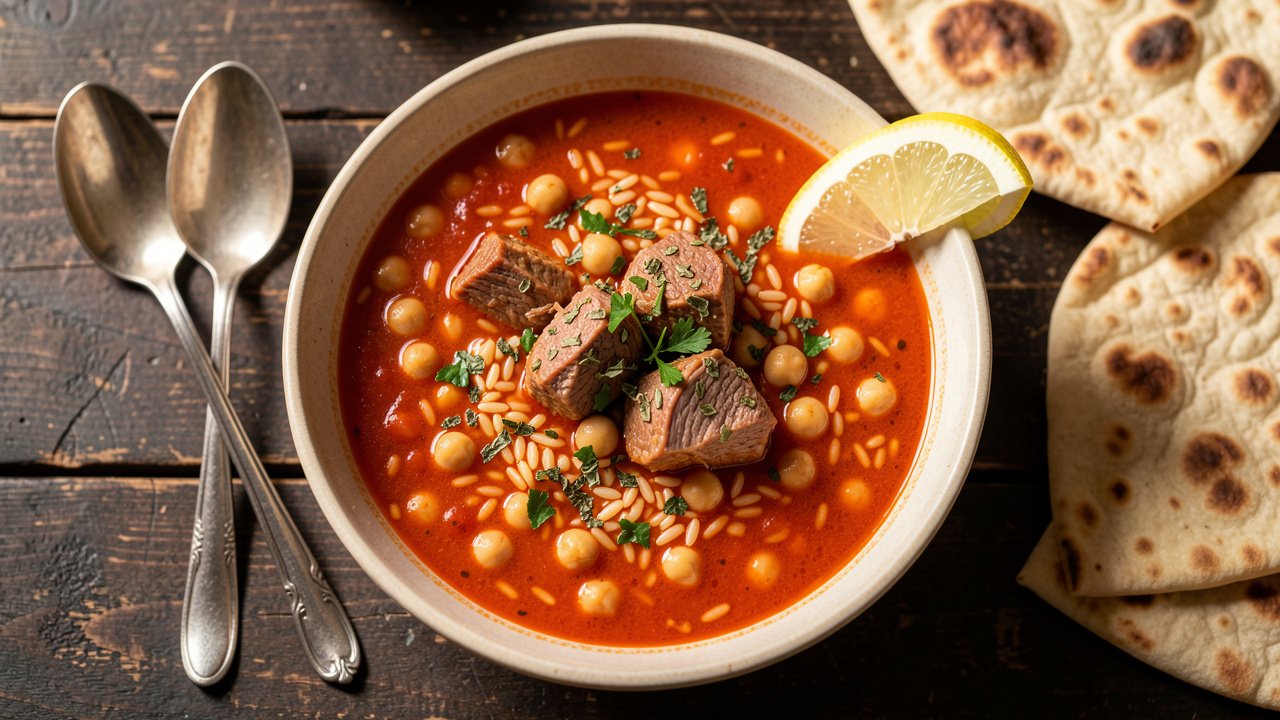
Sharba is a lesson in patience rewarded. The lamb is browned first, then coaxed slowly through a spiced tomato broth until it turns meltingly tender and gives up its flavor to the whole pot. Nothing about it is complicated, but the order of the steps is what makes it sing.
The backbone of the soup is hararat, the warm Libyan spice blend built around black pepper, cinnamon, nutmeg, and cloves. Bloomed in oil with the onion, it turns an ordinary tomato broth into something distinctly Libyan. Tomato paste alongside grated fresh tomatoes gives the broth its deep, savory color and a gentle sweetness that balances the spice.
Chickpeas add body and a nutty softness, while orzo, stirred in near the end, thickens the broth just enough to make it a proper meal rather than a thin starter. The two together are why a bowl of Sharba after a long fasting day feels so satisfying and settling.
Then comes the finish, which is the part first-timers tend to underestimate. Dried mint and fresh lemon, added off the heat, cut through the richness and wake everything up. Skip them and the soup is merely fine; add them and it becomes the bowl people ask you to make again.
Pro observation: The broth is ready for the orzo when the lamb is fork-tender and the surface carries a light sheen of orange oil. That sheen means the spices have fully cooked into the fat and the raw tomato edge is gone.
Ingredients
Kitchen Measurement Converter
Quickly convert between common cooking measurements without leaving the recipe. Pick a category, enter a value, and the result updates instantly.
Ingredient Notes & Substitutions
Halal Lamb
Shoulder or leg cut into small cubes is ideal, since the connective tissue turns silky over a slow simmer. Bone-in pieces add extra depth to the broth. Halal beef stew meat works well too if you prefer it.
Hararat
This warm Libyan blend usually mixes black pepper, cinnamon, nutmeg, cloves, and sometimes ginger. If you cannot find it ready-made, a mix of black pepper, cinnamon, and a pinch of nutmeg gets you close.
Tomatoes and Paste
Grated ripe tomatoes plus tomato paste give the broth its deep color and body. Out of season, one 14-ounce can of chopped tomatoes stands in reliably for the fresh.
Orzo or Vermicelli
Orzo is the classic thickener, but crushed vermicelli is just as traditional in many Libyan homes. Both cook fast, so add them near the end and watch the pot closely.
Equipment
- Large heavy pot or Dutch oven
- Wooden spoon
- Sharp knife and board
- Box grater
- Measuring spoons
- Ladle
Before You Start
1. Cut the lamb evenly. Small, uniform cubes cook at the same rate and turn tender in about the same time, so no piece is left chewy.
2. Measure the spices ahead. Have the hararat, turmeric, and cinnamon in a small bowl by the stove, because they go in fast once the onion softens.
3. Keep the orzo for the end. It cooks quickly and keeps drinking up broth, so add it in the last stretch, not early.
Step-by-Step Instructions
Brown the Lamb
Heat the olive oil in a large heavy pot over medium-high heat. Add the lamb cubes in a single layer and let them sear undisturbed for a couple of minutes before turning, until browned on most sides. Browning builds the deep savory base of the broth, so do not rush it or crowd the pot.
Soften the Onion and Bloom the Spices
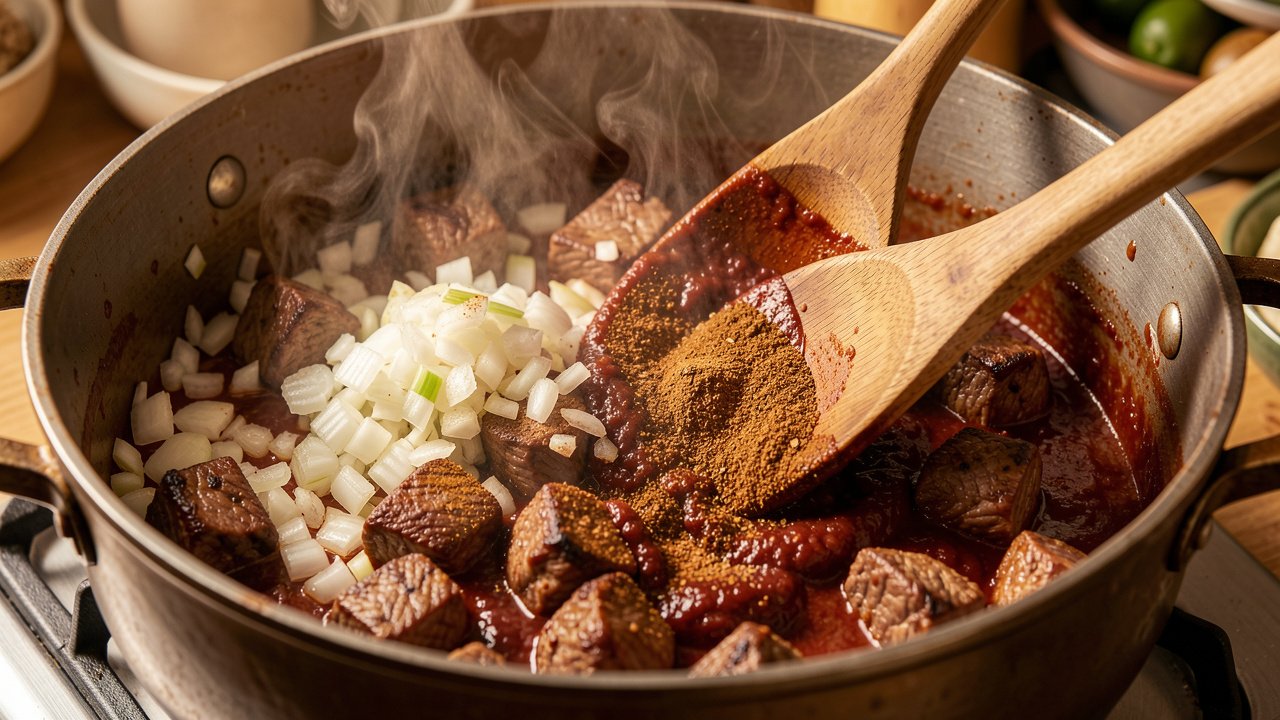
Lower the heat to medium and stir in the chopped onion. Cook 5 to 6 minutes until soft and translucent. Add the hararat, turmeric, cinnamon, black pepper, and tomato paste, and stir for about a minute until the spices smell fragrant and the paste darkens slightly. This blooming step is what gives Sharba its signature warmth.
Add the Tomatoes
Stir in the grated tomatoes and let them cook down for 4 to 5 minutes, scraping up any browned bits from the bottom of the pot. The mixture should thicken into a glossy, deep red base and the raw tomato smell should fade.
Add Liquid and Chickpeas, Then Simmer
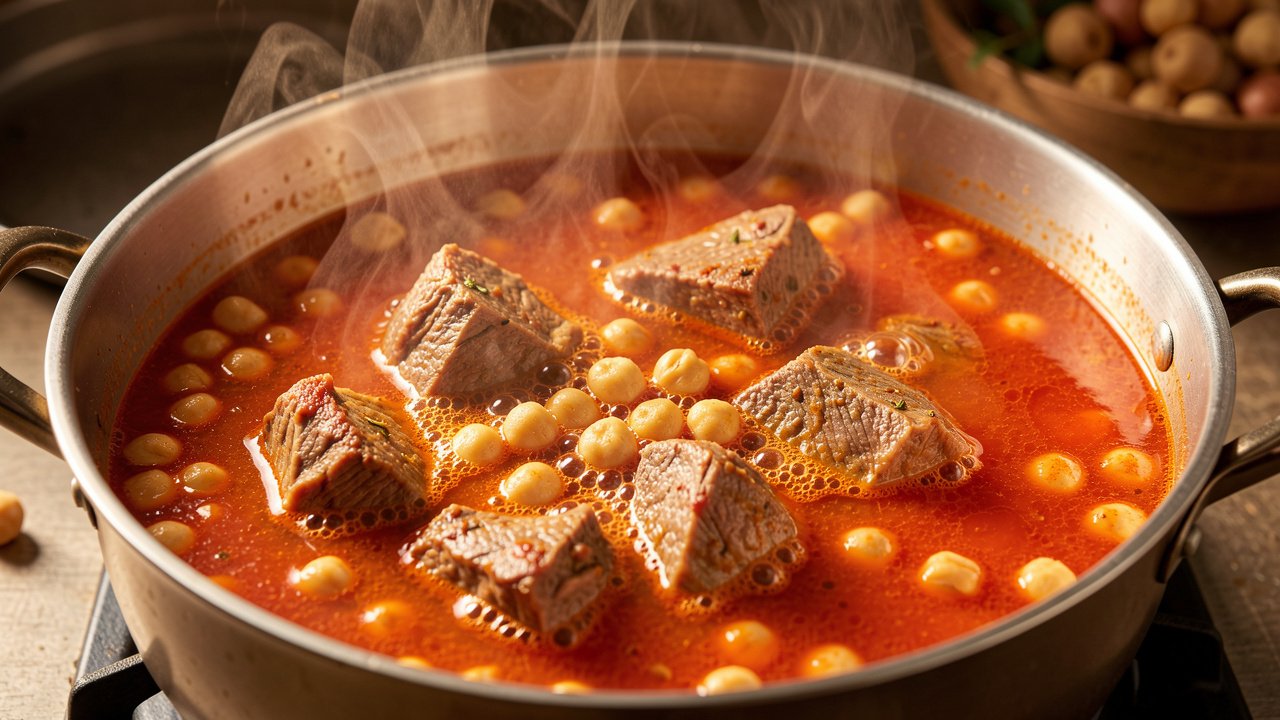
Pour in the water or lamb stock and add the chickpeas and salt. Bring to a boil, then lower the heat, cover, and simmer gently for 40 to 45 minutes, until the lamb is fork-tender. Skim off any foam that rises in the first few minutes for a clean, clear broth.
Stir in the Orzo
Add the orzo and stir well so it does not stick to the bottom. Simmer uncovered for 8 to 10 minutes, stirring now and then, until the pasta is tender and the broth has thickened. If it gets too thick for your liking, loosen it with a splash of hot water.
Finish with Mint and Lemon
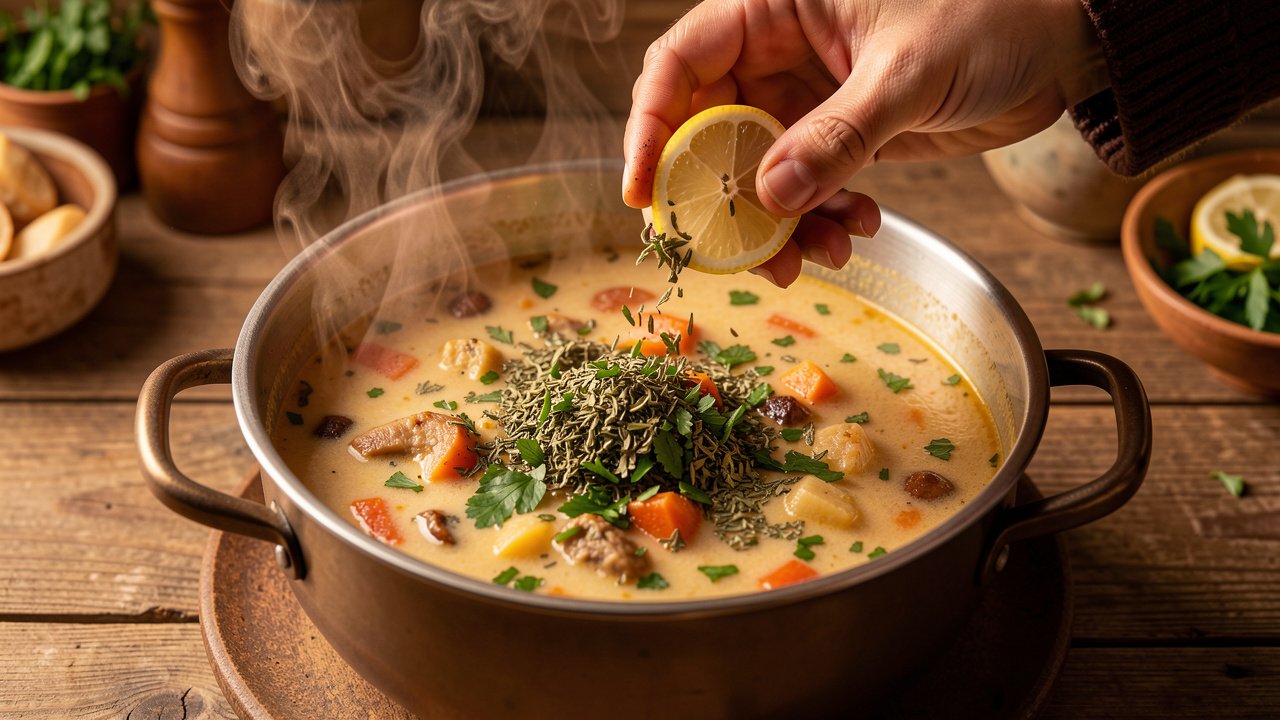
Turn off the heat and stir in the dried mint, fresh parsley, and lemon juice. Taste and adjust with more salt or lemon as needed. Let it rest a couple of minutes so the mint infuses, then ladle into bowls and serve hot with flatbread on the side.
Chef’s Tips From Real Kitchen Testing
Add the orzo only in the last ten minutes. It keeps absorbing liquid, so adding it early leaves you with mushy pasta and a soup that has turned to porridge.
Bloom the hararat in the oil with the onion and tomato paste for a full minute. Stirring it into the broth later leaves a dusty, under-spiced taste.
Save the dried mint and lemon for the very end, off the heat. Boiling them dulls the mint and makes the lemon taste bitter instead of bright.
Recipe Variations
Serving Suggestions
- Warm Libyan flatbread or crusty bread
- A plate of dates to break the fast first
- Extra lemon wedges on the side
- A simple green salad with olive oil
Nutrition Facts
| Nutrient | Amount per serving |
|---|---|
| Calories | 320 |
| Protein | 20 g |
| Carbohydrates | 26 g |
| Fat | 15 g |
| Saturated Fat | 5 g |
| Fiber | 4 g |
| Sugar | 5 g |
| Sodium | 680 mg |
Values are estimates per serving and vary with the exact ingredients and brands you use.
Make-Ahead Tips
Sharba is a natural make-ahead dish, and the broth tastes even better after the flavors settle overnight. For the best texture, cook the soup up to the point before the orzo goes in, then cool and refrigerate. Reheat gently, add the orzo fresh, and finish with mint and lemon just before serving so the pasta stays firm and the herbs stay bright.
Storage, Freezing & Reheating
Common Mistakes to Avoid
Troubleshooting
Broth tastes flat? It usually needs more salt and a good squeeze of lemon, plus a fresh pinch of dried mint stirred in at the end.
Soup too thick? The orzo has kept absorbing liquid. Loosen it with hot water or stock and check the seasoning again.
Lamb still chewy? It simply needs more time. Keep it at a low, covered simmer until the meat gives way easily to a fork.
A Note on Libyan Cooking
Sharba sits at the heart of the Libyan table, above all during Ramadan, when the fast is broken each evening with dates, then a steaming bowl of this soup. It is comfort, ritual, and nourishment in one pot, and nearly every family has its own small variations passed down through generations. The constant across them all is hararat, the warm blend of black pepper, cinnamon, nutmeg, and cloves that gives Libyan cooking its unmistakable perfume, and the dried mint and lemon that brighten the finish. If you enjoy warming, spiced tomato bowls, browse more ideas in our tomato recipes collection.
A Note on Cooking Lamb Safely
For food safety, cook lamb until it is piping hot throughout, which the long covered simmer in this recipe handles easily. Whole cuts of lamb are generally safe once the surface is well seared and the inside reaches a safe temperature, but because this stew uses small cubes simmered for the better part of an hour, the meat cooks fully through. Keep any leftovers refrigerated within two hours of cooking, store them cold, and reheat until steaming hot before serving again.
Frequently Asked Questions
More Tomato Recipes to Try
Last updated: September 29, 2026