Tomato Recipes
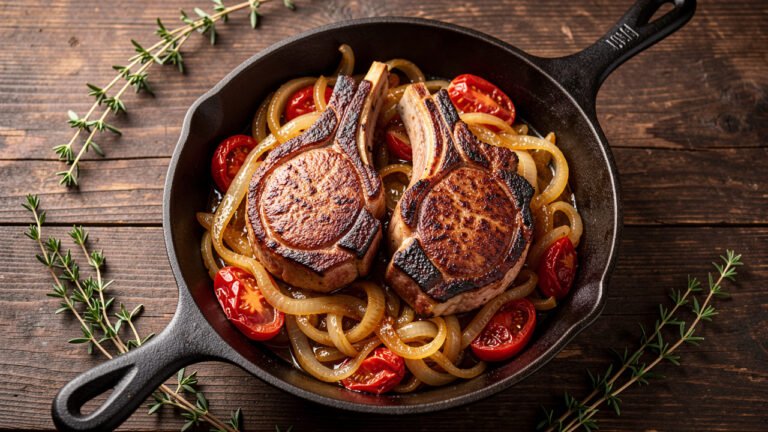
Juicy Seared Lamb Chops with Slow Golden Onions and Wilted Tomatoes
Most people who think they dislike lamb chops have only eaten them cooked grey and dry. This recipe fixes that in one pan. You sear the chops hard, pull them around 135F while they are still rosy in the center, and build a bed of jammy golden onions and softly wilted tomatoes in the flavorful bits they leave behind.
The Most Important Thing: Cook Lamb Chops to Medium
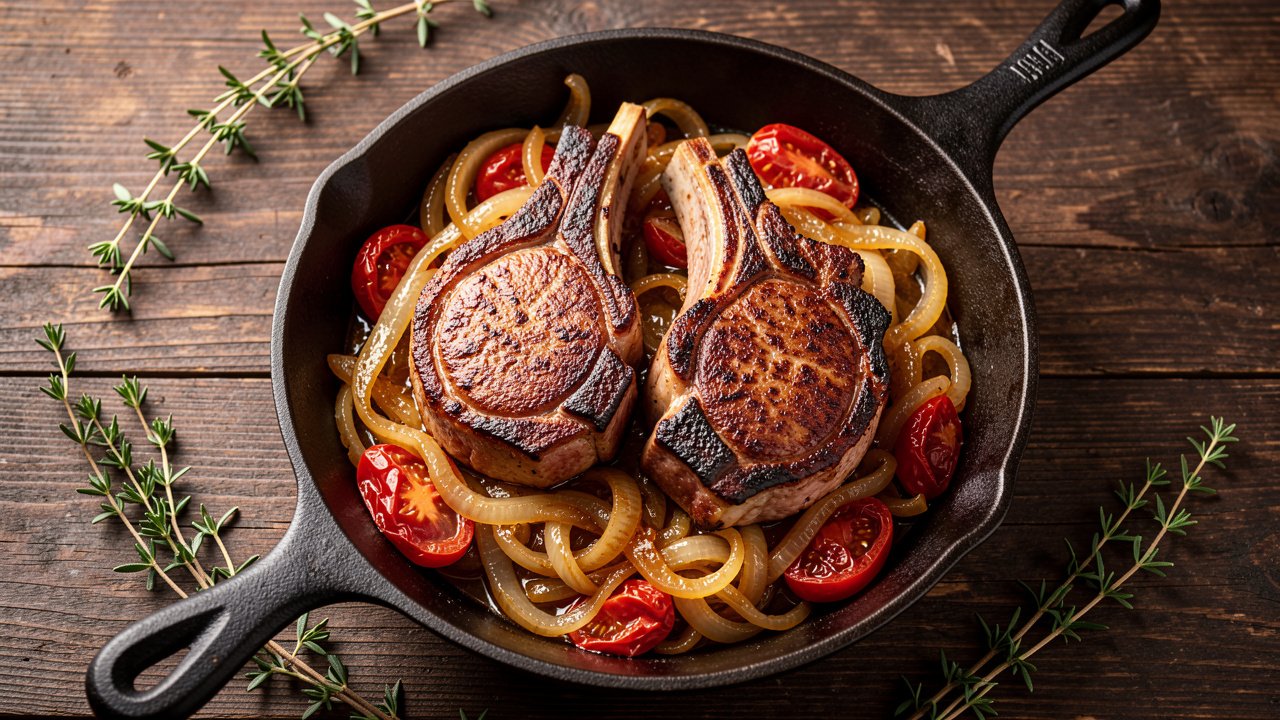
If you take one thing from this page, take this. Lamb loin chops taste best cooked to a medium doneness, an internal temperature of 135 to 140F followed by a short rest. Push them much past that and the tender, delicate meat turns dry and starts to taste strong and livery.
At 135 to 140F the chop is rosy pink in the center and still full of juice. That pink is not a flaw. It is exactly how good lamb is supposed to look, the same way a medium steak stays rosy and tender.
The habit of cooking lamb until it is grey all the way through is why so many people think they dislike it. Long past medium, the fat renders out, the fibers tighten, and each bite gets chewy. Pulling the chops at medium keeps them silky and mild instead.
Thickness matters more than the clock here. A 1 to 1.5 inch loin chop holds a rosy center far better than a thin one, which races past medium before it ever builds a crust. Choose thick chops and let the thermometer, not the timer, tell you when to stop.
Use a thermometer: An instant-read thermometer is the only reliable way to hit a medium 135 to 140F. Pull the chops at about 130 to 135F, since the temperature climbs roughly 5F while they rest. A short 3 to 5 minute rest lets the juices settle back into the meat.
Why Golden Onions and Wilted Tomatoes Make This Work
This dish is really three simple techniques stacked in one pan. A hard sear builds crust on the chops, slow onions turn sweet and jammy, and ripe tomatoes wilt into a fast sauce. None of it is fussy, but the order matters.
The chops go first so they leave behind a layer of browned bits called fond stuck to the pan. That fond is pure savory flavor. Cooking the onions and tomatoes right in it, without washing the pan, is what turns a plain side into a sauce that tastes like it took hours.
The tomatoes are added late on purpose. You want them to slump and release their juice, not cook down to mush. That fresh, barely-cooked tomato brings a bright acidity that cuts the richness of the lamb and the sweetness of the onions.
Best of all, the components rest and finish together. While the chops sit and reabsorb their juices, they perch on the warm onions and tomatoes, and everything on the plate arrives at the right temperature at the same moment.
Pro observation: When the raw lamb smell in the pan turns into a deep, nutty, toasted aroma, your sear is doing its job. That is the fond forming, and it is the flavor you do not want to rinse away.
Ingredients for Lamb Chops with Golden Onions and Tomatoes
Kitchen Measurement Converter
Quickly convert between common cooking measurements without leaving the recipe. Pick a category, enter a value, and the result updates instantly.
Ingredient Notes & Substitutions
The Lamb Chops
Choose thick loin chops, 1 to 1.5 inches, because they are far more forgiving than thin ones. Thin chops overcook before they ever build a crust. Bone-in chops insulate the meat and stay juicier than boneless.
Tomatoes
Ripe summer tomatoes or cherry tomatoes both work well here. Cherry tomatoes hold their shape and burst as they wilt, while larger tomatoes give more juice for the sauce. Cut big tomatoes into thick wedges so they do not dissolve.
Onions
Yellow onions are ideal because they turn deeply sweet as they soften. Slice them evenly so they cook at the same rate. Sweet onions like Vidalia work too and go golden a little faster.
Fat and Aromatics
A neutral high-heat oil is best for the sear, with butter added later for flavor and browning. Fresh thyme suits lamb, but rosemary or a bay leaf work. A splash of stock or water helps lift the fond.
Equipment
- Heavy skillet or cast iron pan
- Instant-read thermometer
- Tongs
- Sharp knife and board
- Plate for resting
- Wooden spoon
Before You Start
1. Dry brine the chops ahead. Salt the lamb on all sides, from 40 minutes ahead up to overnight in the fridge. This salt seasons deep into the meat and helps it hold onto moisture during the sear.
2. Slice the onions before you heat the pan. The onions cook slowly and need to go in soon after the chops come out, so have them thinly sliced and ready to go.
3. Have your thermometer within reach. You will check the chops toward the end of the sear, and a few seconds matters, so keep the thermometer on the counter beside the stove.
Step-by-Step Instructions
Season and Pat Dry
Take the dry-brined chops out of the fridge about 20 minutes before cooking so they lose their chill. Just before searing, pat every surface completely dry with paper towels and season with pepper. Wet meat steams instead of browning, so this dry surface is what gives you a real crust.
Sear the Lamb Chops Hard
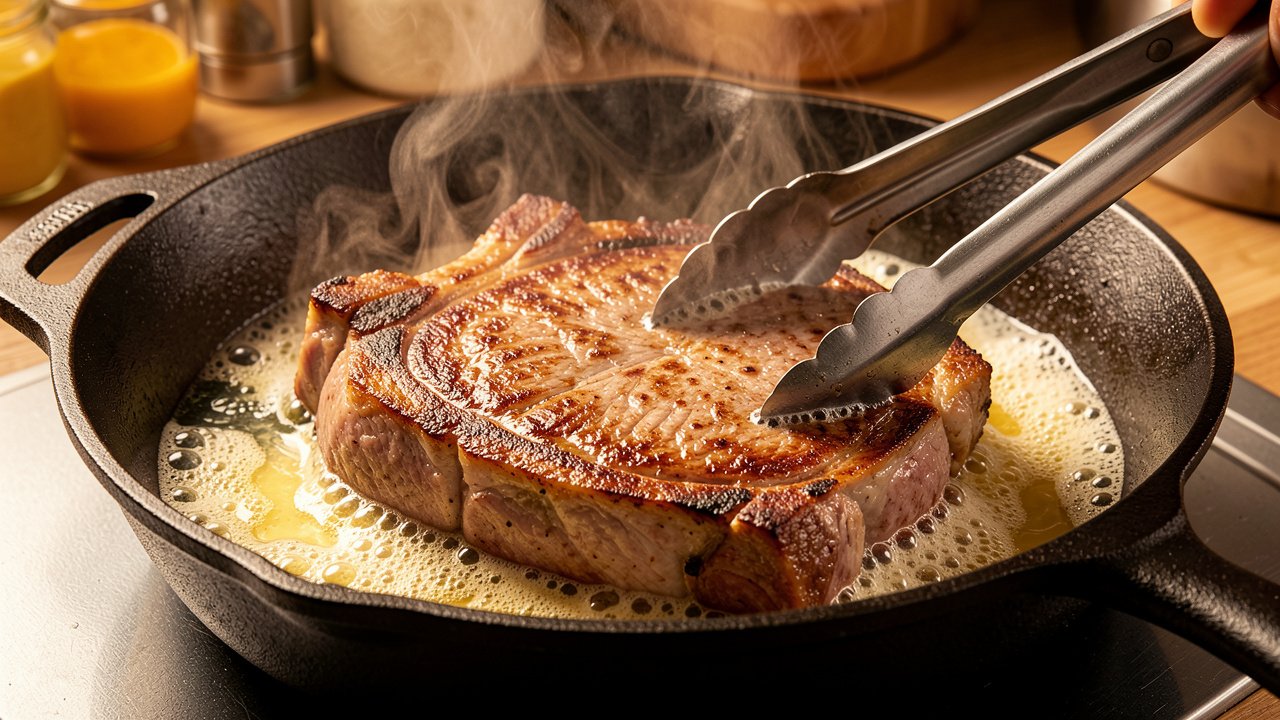
Heat the oil in a heavy skillet over medium-high until it shimmers and is just short of smoking. Lay the chops in away from you and do not move them. Sear 3 to 4 minutes per side until a deep brown crust forms, then add the butter and baste the tops for the last minute.
Check the Temperature and Rest
Slide the thermometer into the thickest part, away from the bone, and pull the chops at about 130 to 135F. Move them to a plate and rest 3 to 5 minutes. During the rest the temperature climbs to a rosy, juicy 135 to 140F and the juices settle back into the meat instead of running out.
Cook the Onions Slow and Golden
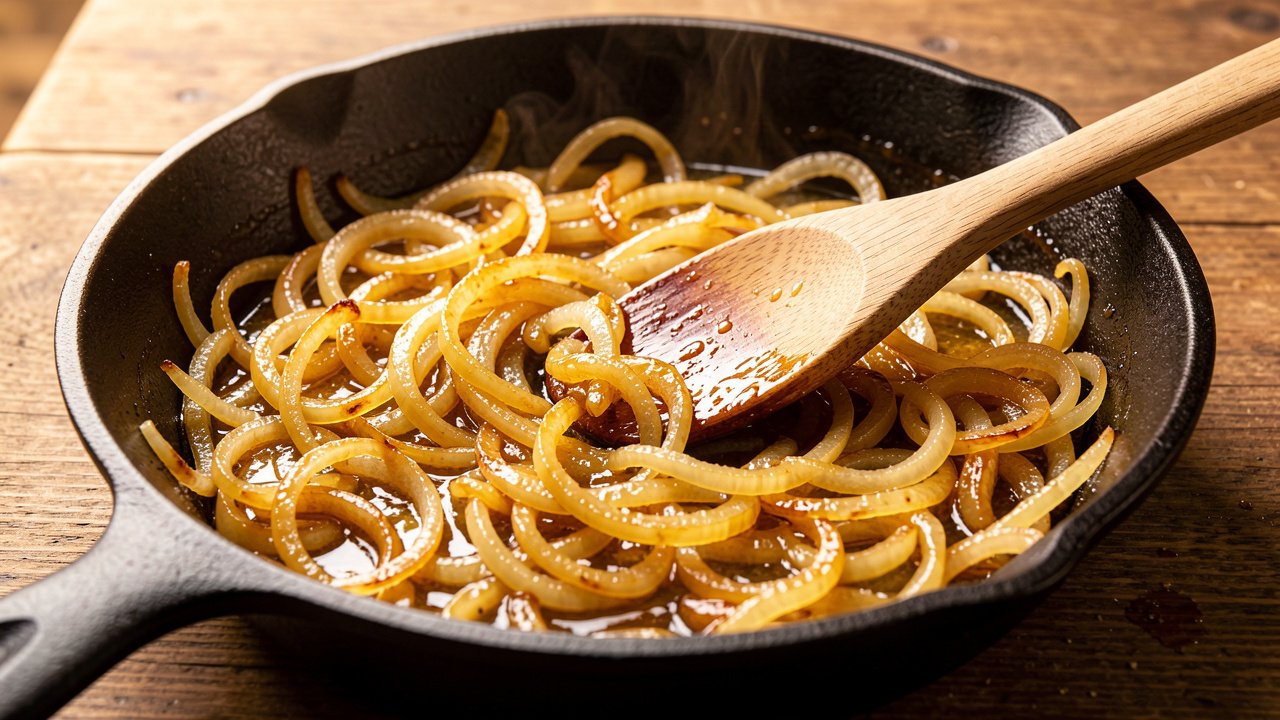
Lower the heat to medium-low and add the sliced onions to the same pan, right into the fond the chops left behind. Cook them slowly for 20 to 30 minutes, stirring now and then, until soft, sweet, and jammy-gold. This is not the 5-minute version, because rushing on high heat only burns the edges and leaves the centers raw and sharp.
Wilt the Tomatoes into a Pan Sauce
Stir in the garlic and thyme and cook 1 minute until fragrant, then add the tomatoes and the splash of stock and scrape up any browned bits from the bottom. Cook just 3 to 5 minutes, only until the tomatoes slump and release their juice into the onions. Do not cook them to mush; you want a loose, fresh pan sauce.
Bring It Together and Serve
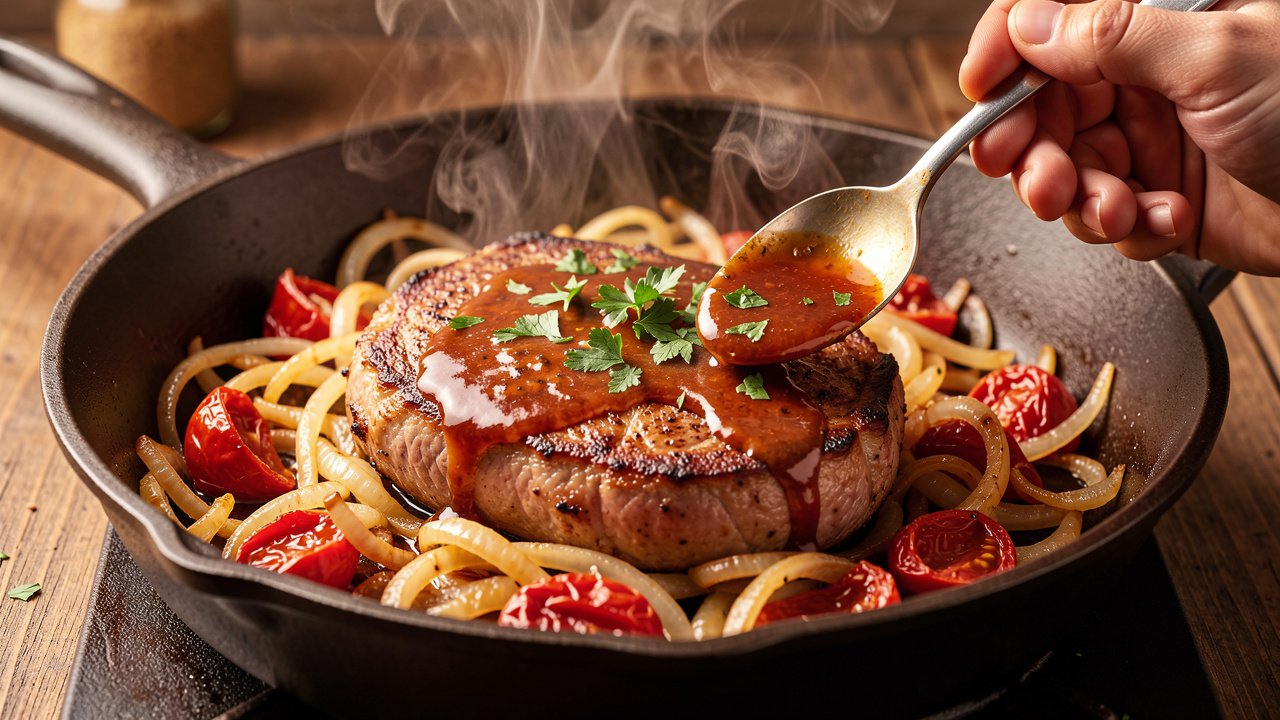
Nestle the rested chops back into the pan along with any juices from the plate. Spoon the onions and tomatoes over the top and warm for a minute. Taste the sauce and adjust with salt, then scatter fresh parsley over everything and serve right away.
Chef’s Tips From Real Kitchen Testing
Sear in two batches if your pan is crowded. Chops packed edge to edge drop the pan temperature and steam instead of browning, so give each one room.
Deglaze with a splash of stock or a teaspoon of vinegar right before the tomatoes. The acid brightens the sweet onions and lifts any stubborn fond off the pan.
Rest the chops loosely, uncovered or lightly tented. Wrapping them tightly in foil traps steam and softens the crust you worked to build.
Recipe Variations
Serving Suggestions
- Creamy mashed potatoes to catch the pan sauce
- Crusty bread for mopping the skillet
- Buttered egg noodles or soft polenta
- A sharp green salad to balance the richness
Nutrition Facts
Values are estimates per serving of one chop with onions and tomatoes, and vary with the cut and size of lamb you use.
Make-Ahead Tips
The dry brine is your best make-ahead move, since salting the chops the night before deepens both seasoning and juiciness. You can also cook the golden onions a day early and refrigerate them, because they only get sweeter overnight.
When dinner time comes, sear the chops fresh, warm the onions in the pan, and wilt the tomatoes at the last minute. The lamb is quick once the slow onions are already done, which makes this an easy weeknight plan.
Storage, Freezing & Reheating
Common Mistakes to Avoid
Troubleshooting
Chops came out dry? They went past temperature. Next time pull them at 130 to 135F and let the rest carry them to a medium 135 to 140F.
Onions scorching, not softening? The heat is too high. Drop to medium-low and add a small splash of water to loosen and cool the pan.
Sauce too thin? Simmer it an extra minute or two to reduce. If it is too dry, stir in another splash of stock.
A Note on Cooking Lamb at Home
Lamb got a reputation for being dry and strong because a whole generation was taught to cook it well past the point of pleasure. Once you cook to temperature instead of to habit, chops become one of the fastest, most rewarding weeknight dinners around.
If you enjoy building quick sauces from ripe tomatoes, our tomato basil pasta uses the same idea of barely-cooked tomatoes, and this fresh tomato sauce without sugar is a good one to keep on hand.
Frequently Asked Questions
More Tomato Recipes to Try
Culinary Reviewer: Ghazala Shakeel
Last updated: September 29, 2026