Lao Recipes
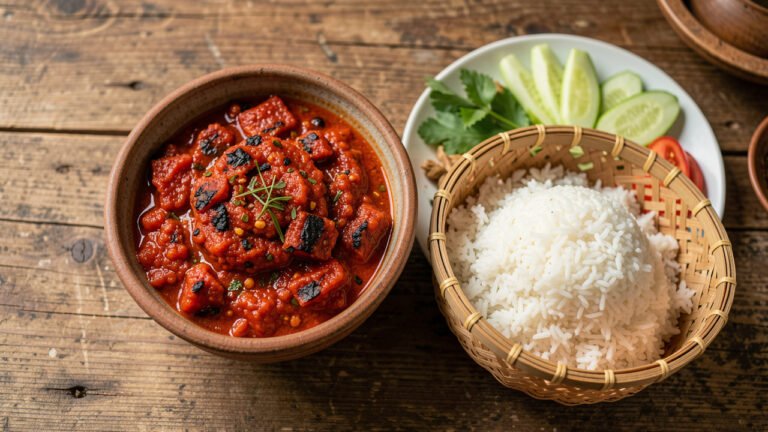
Smoky Lao Roasted Tomato Chili Dip
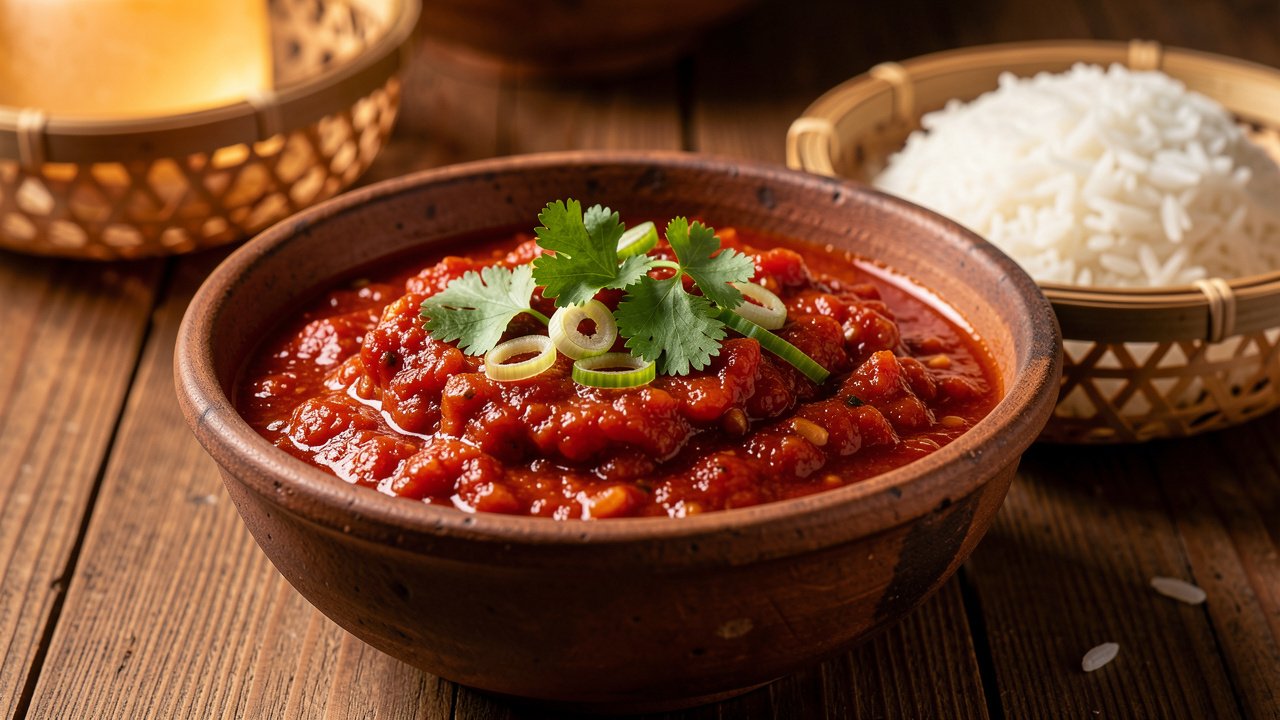
Jeow mak len is the kind of dish that proves you do not need a long list of ingredients to make something people fight over the last spoonful of. A handful of tomatoes, some shallots and garlic, a few chilies, and a hot flame do almost all the work. The char is the whole point, and the first time I made it I did not push the vegetables far enough, so the dip tasted fresh and flat instead of smoky and wild.
Why This Jeow Mak Len Works
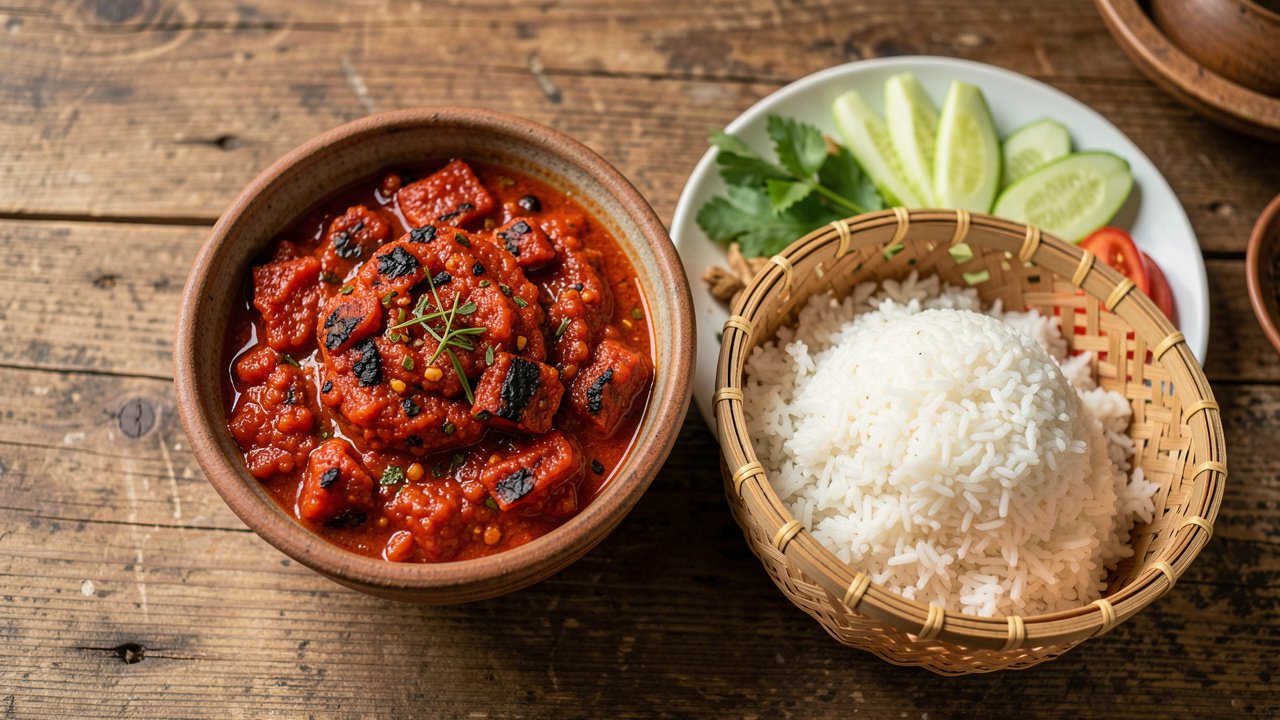
Lao cooking is built on bold, direct flavors, and jeow mak len is one of its most beloved everyday dips. The recipe balances four things: smoke from charring, sweetness from ripe tomatoes, heat from chilies, and a salty-sour lift from fish sauce and lime. When those four land together, you get a dip that tastes far more complex than its short ingredient list suggests.
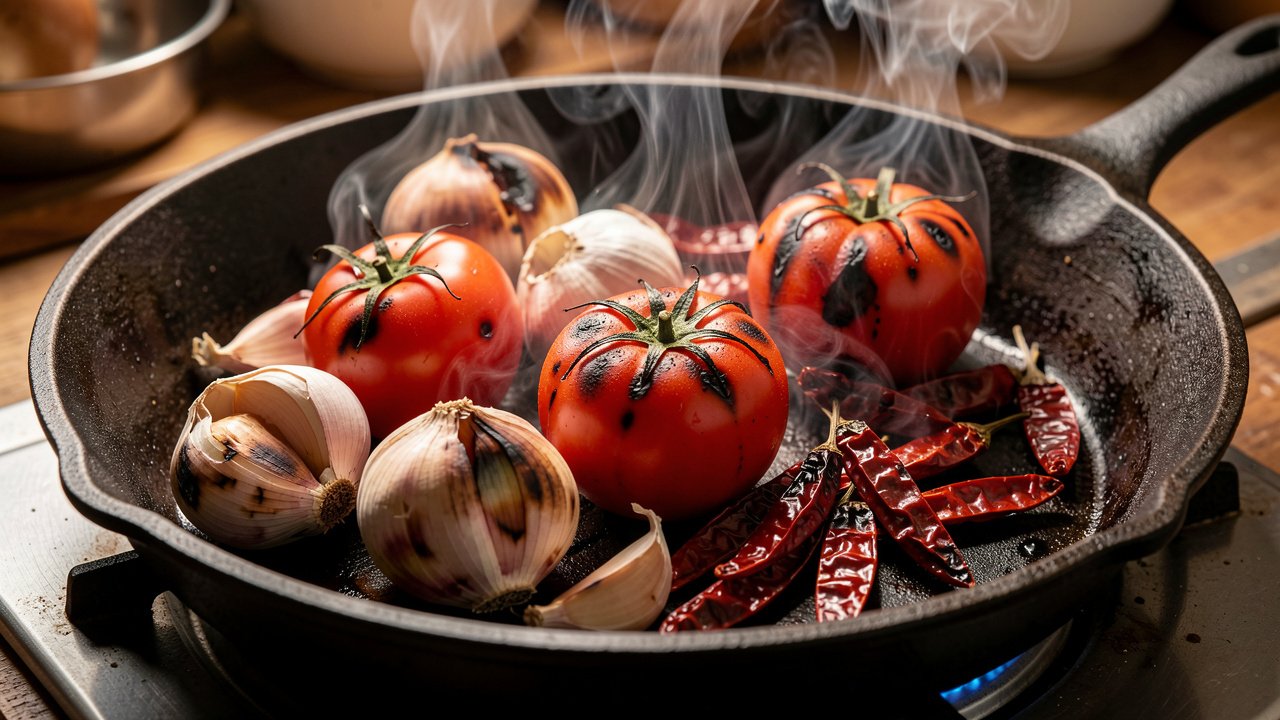
The single most important step is the char. You are not just cooking the tomatoes, shallots, and garlic; you are blistering their skins until they blacken in spots and their insides turn soft and jammy. That smoke is what separates a real jeow from a plain crushed-tomato relish. Do it over an open flame, on a dry skillet, or under a broiler, but do not skip it and do not stop early.
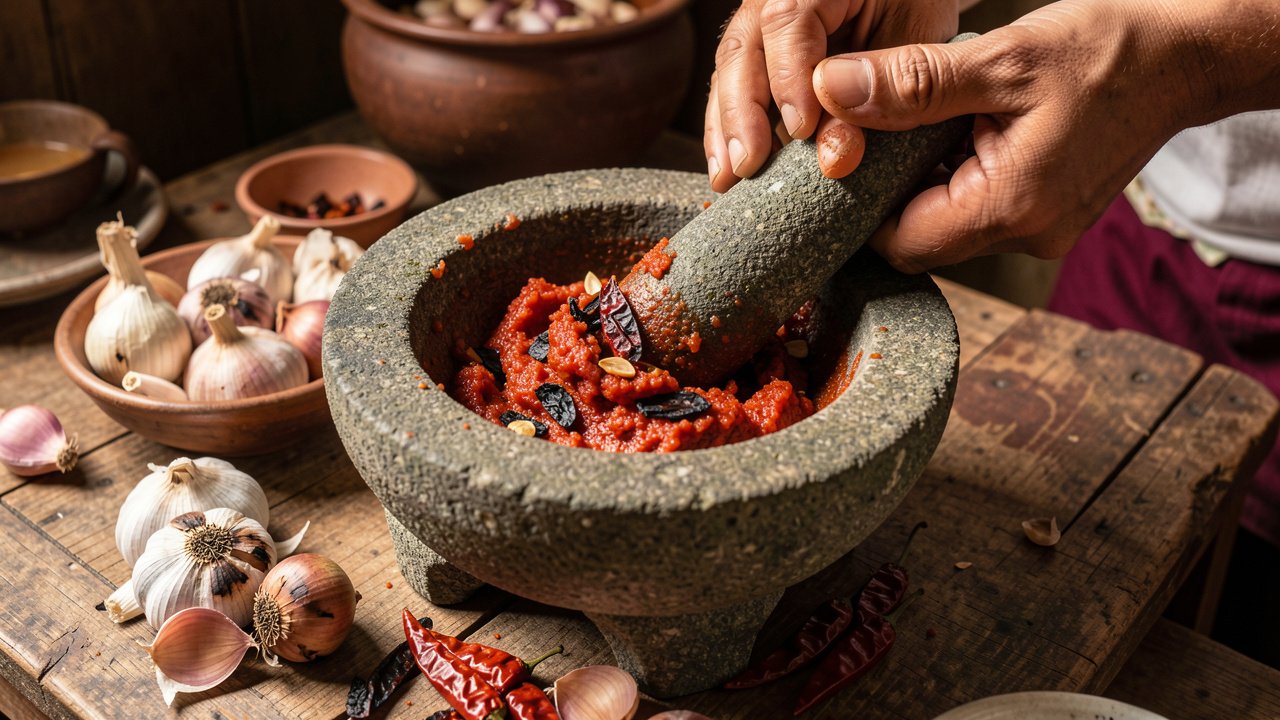
Pounding, rather than blending, is the other quiet secret. A mortar and pestle bruises the aromatics and breaks the tomatoes into a rough, spoonable dip that still has texture. A blender turns the same ingredients into a smoothie, which is not what you want. If you only have a food fork or a masher, use short bursts and stop while it is still chunky.
It is also endlessly flexible. The same method welcomes fresh or dried chilies, more or less garlic, and a swap of soy sauce and salt for a fully vegetarian version. Once you have the technique down, you can turn a few tomatoes into a smoky centerpiece for a sticky-rice spread any night of the week.
Pro observation: The tomatoes are ready to pound when their skins slip off easily and their juices have gone from watery to thick and slightly caramelized. That change in the juice is your signal that the smoke has set in.
Ingredients
Kitchen Measurement Converter
Quickly convert between common cooking measurements without leaving the recipe. Pick a category, enter a value, and the result updates instantly.
Ingredient Notes & Substitutions
Tomatoes
Ripe, firm plum or round tomatoes hold up best on the flame. You want them sweet and juicy, since their sugars are what caramelize under the char. Small tomatoes char faster and more evenly than very large, watery ones.
Chilies
Dried red chilies give a deep, toasty heat, while fresh Thai chilies give a brighter, sharper burn. Use whichever you have, and adjust the count to your spice tolerance. Toasting dried chilies briefly wakes up their aroma.
Fish Sauce and Padaek
Fish sauce brings the savory salt that makes a jeow sing, and padaek, a thick Lao fermented fish sauce, adds even more funk and depth. Both are halal. For a vegetarian dip, use light soy sauce plus a little extra salt.
Herbs and Lime
Fresh cilantro and sliced green onion are stirred in at the end for lift and color. Lime juice added off the heat keeps the dip bright. Add the lime gradually and taste, since you want tang without turning it sour.
Equipment
- Mortar and pestle
- Dry cast-iron skillet
- Tongs or long fork
- Broiler or gas flame
- Sharp knife and board
- Small mixing bowl
Before You Start
1. Leave the skins on for charring. Char the shallots and garlic in their skins so the flesh steams and softens inside while the outside blackens. You peel them after they cool.
2. Set up good ventilation. Charring chilies and tomatoes creates smoke and a sharp chili aroma. Open a window or run the exhaust fan before you start so the kitchen stays comfortable.
3. Start your sticky rice early. Sticky rice needs soaking and steaming, so get it going before you char, and it will be warm and ready when the dip is done.
Step-by-Step Instructions
Prep and Heat
Wipe the tomatoes, shallots, and garlic clean but leave them whole and unpeeled. Set a dry cast-iron skillet over medium-high heat, or turn on the broiler, or light a gas flame. Have your tongs, mortar, and a small bowl ready before anything goes on the heat, because the charring moves quickly once it starts.
Char the Vegetables
Lay the tomatoes, shallots, garlic, and dried chilies on the hot dry skillet or under the broiler. Turn them with tongs as each side blisters and blackens in spots. Pull the chilies out first, after about a minute, so they toast without burning. The garlic and shallots need 8 to 10 minutes, and the tomatoes 10 to 12, until their skins split and char and the flesh goes soft.
Peel and Rest
Move the charred vegetables to a plate and let them cool for a few minutes until you can handle them. Slip the blackened skins off the shallots and garlic, and pull away any loose, papery tomato skin. Leave a little of the char clinging to the flesh, since that is where the smoky flavor lives. Do not rinse them under water, or you will wash the smoke away.
Pound the Aromatics
Put the charred chilies into the mortar with a small pinch of salt and pound to a coarse paste. Add the peeled garlic and shallots and pound again until they break down and blend with the chilies. Working the aromatics first, before the wet tomatoes go in, gives the dip a fragrant, well-crushed base instead of loose chunks floating in juice.
Add the Tomatoes
Tear or roughly chop the charred tomatoes and add them to the mortar a few pieces at a time, pounding gently between additions. Use light, crushing strokes rather than a hard grind, so the tomatoes break down into a rough, spoonable dip that still has texture. If your mortar is small, transfer everything to a bowl and mash the last of the tomatoes in with the pestle or a fork.
Season and Finish
Stir in the fish sauce, the padaek if using, the sugar, and a little lime juice. Taste, then adjust: more fish sauce for salt, more lime for tang, more chili for heat. Fold in the chopped cilantro and sliced green onion last so they stay fresh and green. Spoon into a bowl and serve at room temperature with warm sticky rice and fresh vegetables.
Chef’s Tips From Real Kitchen Testing
Push the char further than feels comfortable. A little blackening on the skins is what gives jeow mak len its signature smoke, so let the vegetables blister properly before you pull them off.
Pound, do not puree. Use short crushing strokes and stop while the dip is still chunky. A rough texture is what makes it cling to sticky rice instead of running off.
Season at the very end and in stages. The salt from fish sauce and padaek builds fast, so add a little, taste, then add more. You can always add salt, but you cannot take it out.
Recipe Variations
Serving Suggestions
- Warm Lao sticky rice, rolled into small balls for scooping
- Fresh raw vegetables: cabbage wedges, long beans, cucumber
- Lightly steamed greens or blanched vegetables for dipping
- Grilled vegetables and extra lime wedges on the side
Nutrition Facts
| Nutrient | Amount per serving |
|---|---|
| Calories | 45 |
| Protein | 2 g |
| Carbohydrates | 8 g |
| Fat | 0.5 g |
| Saturated Fat | 0 g |
| Fiber | 2 g |
| Sugar | 5 g |
| Sodium | 380 mg |
Values are estimates per serving and vary with the exact ingredients and brands you use.
Make-Ahead Tips
Jeow mak len is a great make-ahead dip, because the smoky, tangy flavors settle and deepen after a few hours in the fridge. Char and pound the base a day ahead, then cover and chill it. Stir in the fresh cilantro and green onion just before serving, and check the seasoning again, since chilled dips often need a touch more lime or fish sauce to taste bright once they come back to room temperature.
Storage, Freezing & Reheating
Common Mistakes to Avoid
Troubleshooting
Dip tastes flat? It usually needs more char or more salt. Toast the chilies a little longer next time, and add a few extra drops of fish sauce or a pinch of salt now.
Too watery? The tomatoes were very juicy. Drain off a little of the liquid, or char the next batch longer so more moisture cooks away and the flavor concentrates.
Too spicy? Balance the heat with a little more tomato, a pinch of sugar, and an extra squeeze of lime to round out the burn.
A Note on Lao Cooking
Lao food revolves around sticky rice, and the jeow family of dips exists to be eaten with it. A jeow is a pounded relish, usually built on something charred, and there are many: jeow mak len from tomatoes, jeow mak keua from eggplant, and jeow bong made with dried chili. Charring for smoke is a defining move across the whole cuisine, and it is what gives these humble dips their unmistakable depth. If you love smoky, spicy tomato flavors, our fresh tomato salsa scratches a similar itch, and you can find more ideas in our full collection of tomato recipes.
Frequently Asked Questions
More Tomato Recipes to Try
Last updated: September 29, 2026