Japanese Recipes
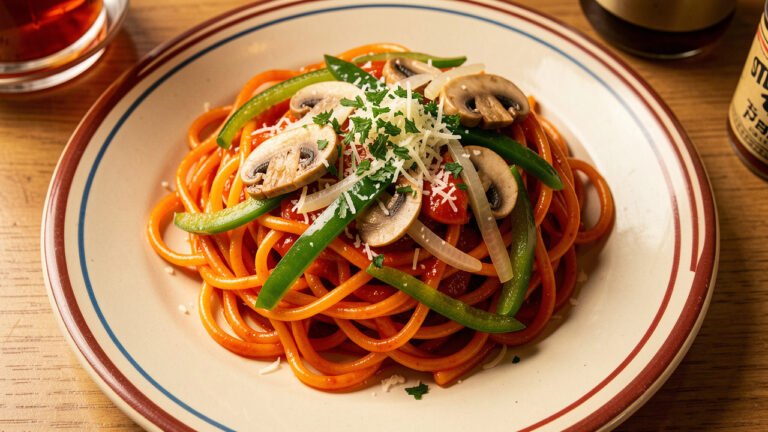
Retro Japanese Cafe Pasta
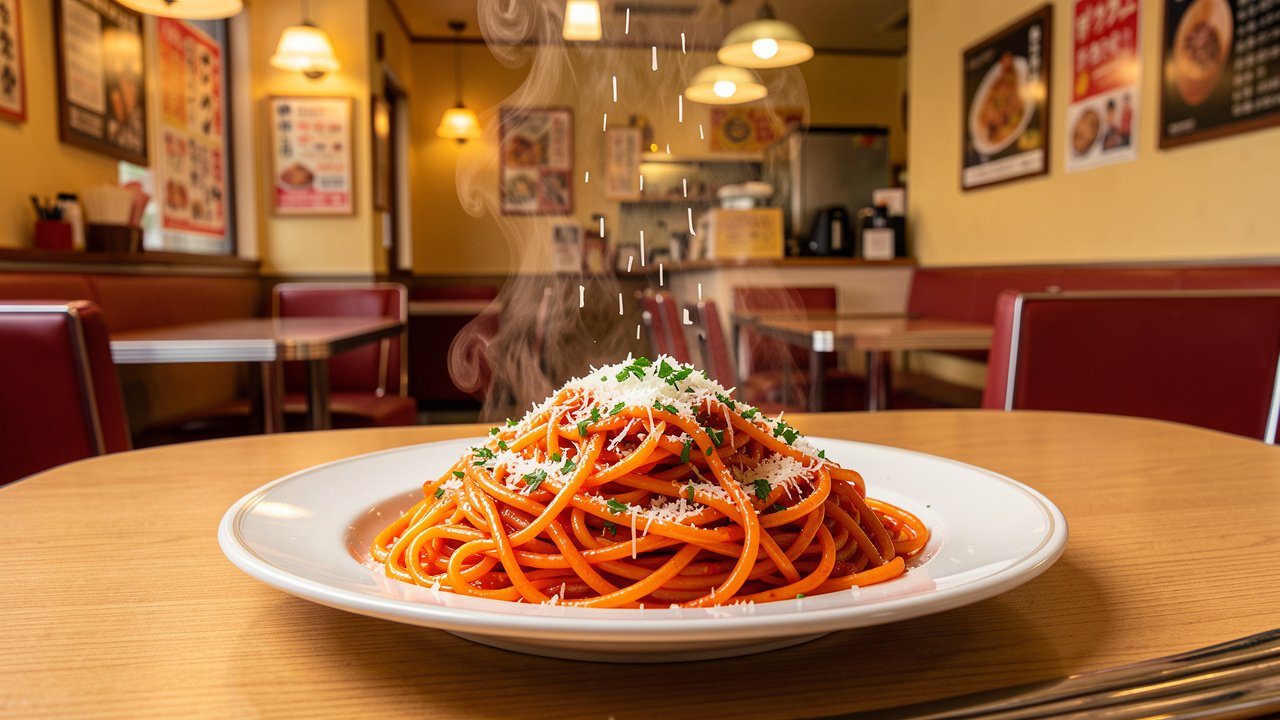
Napolitan is the kind of dish that tastes like a warm memory even the first time you make it. It is Japanese yoshoku, or western-style comfort food, and it leans into everything a purist might frown at: the pasta is cooked past al dente until it is soft and tender, and the sauce is built on ketchup rather than a slow-simmered tomato sugo. That is not a shortcut, it is the point.
I learned this the hard way the first time I made it. I cooked the spaghetti to a proper bite and stirred in the ketchup raw, and it tasted sharp and thin, like noodles dressed in cold condiment. Once I let the pasta go soft and fried the ketchup in the pan until it darkened and caramelized, it transformed into that glossy, savory-sweet coating that makes napolitan so craveable.
Why This Napolitan Works
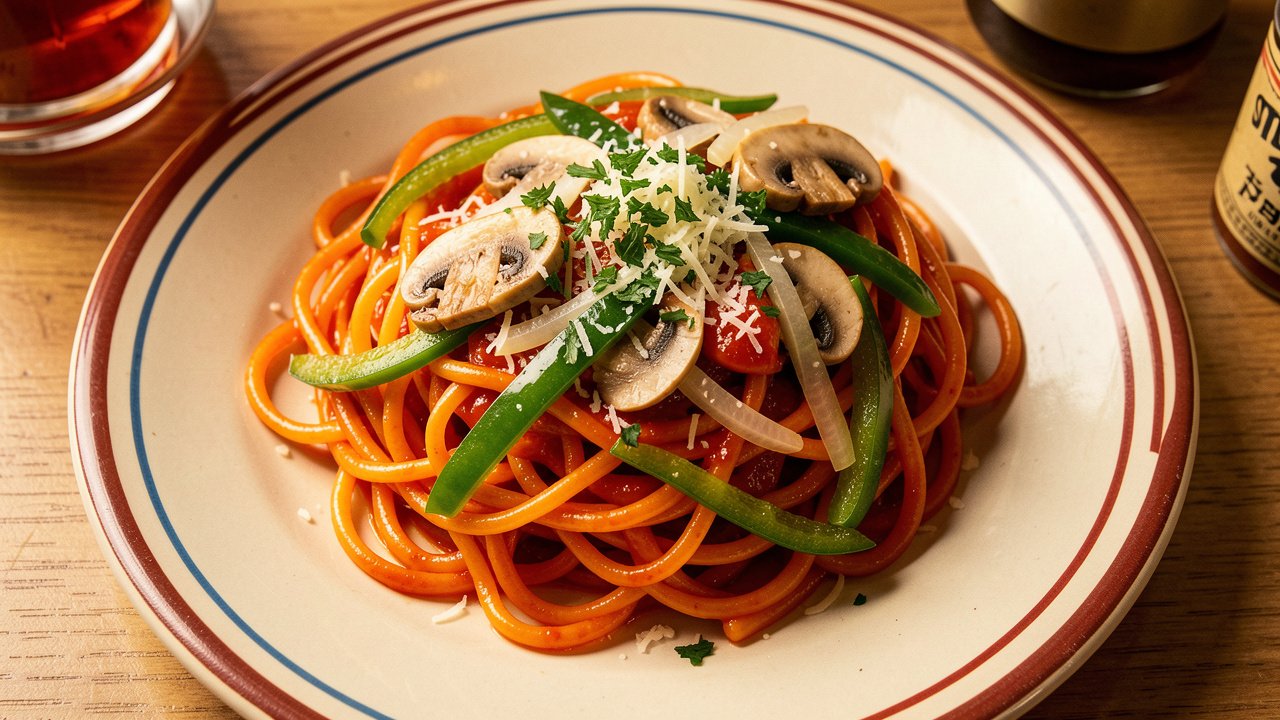
Napolitan hits a very specific comfort-food note: savory, faintly sweet, buttery, and just a little tangy, all clinging to soft noodles you can twirl without a fight. It looks humble, but there is real technique hiding in it, and once you understand the two moves that matter, it is almost impossible to get wrong.
The first move is cooking the spaghetti soft. This is deliberate, not an accident. Traditional cafe cooks often boil the pasta ahead, let it rest, and even chill it so the strands relax and turn tender. Soft noodles soak up the ketchup sauce and give the dish that yielding, nostalgic texture. If you serve it firm and toothy, it stops tasting like napolitan and starts tasting like regular pasta wearing a ketchup coat.
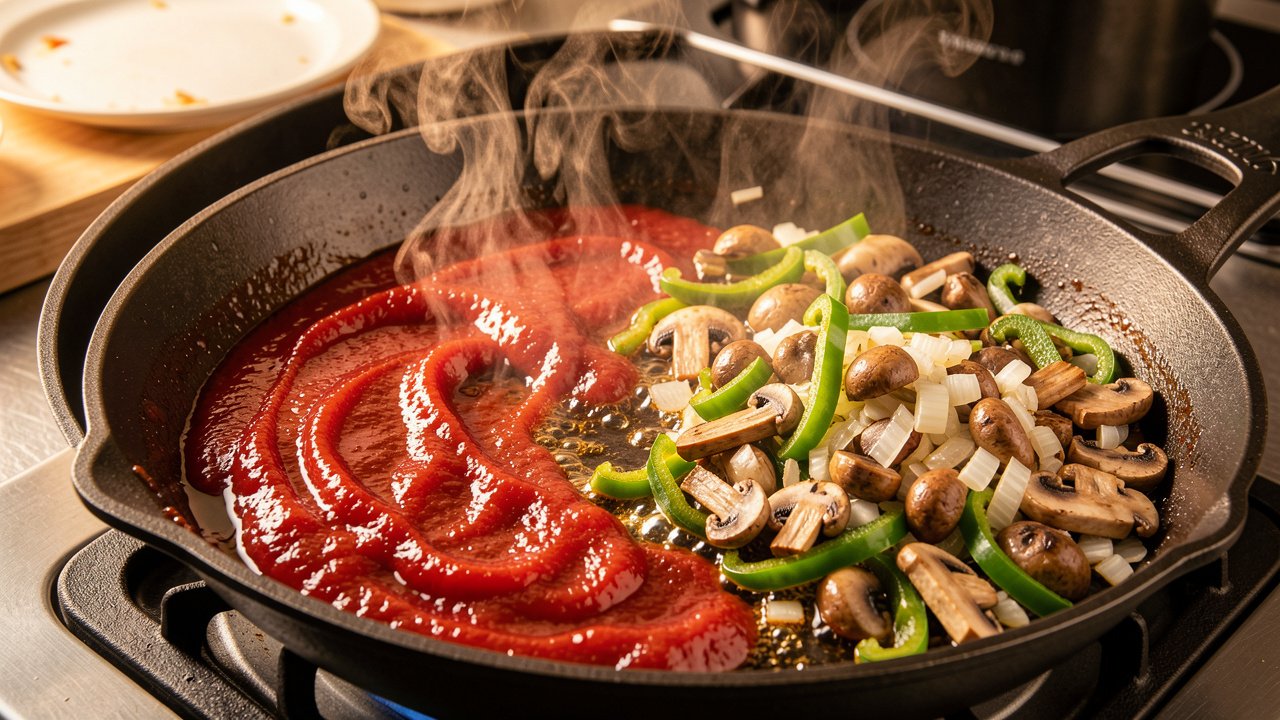
The second move is frying the ketchup. Raw ketchup is bright, sharp, and one-note. When you push it to the hot pan and let it cook down for a minute or two before the noodles go in, the sugars caramelize, the vinegar mellows, and the tomato paste deepens it into something rounder and more savory. That glossy, slightly sticky sauce is the whole personality of the dish.
It is also wonderfully forgiving and flexible. The same skillet welcomes chopped halal chicken, more mushrooms, or a purely vegetable version, so you can build a satisfying dinner out of whatever is in the fridge without ever opening a jar of pasta sauce.
Pro observation: The ketchup is ready for the noodles when it stops smelling sharp and starts smelling toasty and jammy, and it looks a shade darker and glossier in the pan. That color change is your cue.
Ingredients
Kitchen Measurement Converter
Quickly convert between common cooking measurements without leaving the recipe. Pick a category, enter a value, and the result updates instantly.
Ingredient Notes & Substitutions
Spaghetti
Standard dried spaghetti is traditional. Cook it a couple of minutes past the package time so it turns soft and tender, which is exactly what napolitan wants. A slightly thicker strand holds the sauce even better.
Ketchup and Tomato Paste
Ketchup is the star, so use a brand you like the taste of. A spoonful of tomato paste deepens the color and adds a savory backbone so the sauce is not purely sweet. Do not swap in marinara; it changes the dish entirely.
Vegetables
Onion, green bell pepper, and mushrooms are the classic trio. Green pepper gives the signature slightly bitter freshness. You can add carrot ribbons or swap in cremini mushrooms, but keep the onion and pepper.
Halal Protein
Chopped halal chicken or sliced halal chicken sausage makes it heartier, or leave the protein out entirely for a vegetable version. Skip any non-halal cured meats; the dish is fully satisfying without them.
Equipment
- Large skillet or frying pan
- Pot for boiling pasta
- Colander
- Tongs
- Sharp knife and board
- Measuring spoons
Before You Start
1. Slice everything first. Once the pan is hot the cooking moves fast, so have the onion, green pepper, mushrooms, and any halal protein sliced and ready before you begin.
2. Cook the pasta soft on purpose. Boil it a couple of minutes longer than the package suggests, then drain. If you have time, toss it with a little oil and let it rest so the strands relax and turn tender.
3. Measure the sauce. Stir the ketchup, tomato paste, sugar, and a splash of milk together in a small bowl so you can add it all at once and fry it evenly.
Step-by-Step Instructions
Cook the Spaghetti Soft
Boil the spaghetti in well-salted water a couple of minutes past the package time, until it is soft and tender rather than firm. Drain it, toss with a teaspoon of oil so it does not clump, and set it aside to rest while you cook the vegetables.
Saute the Vegetables and Protein
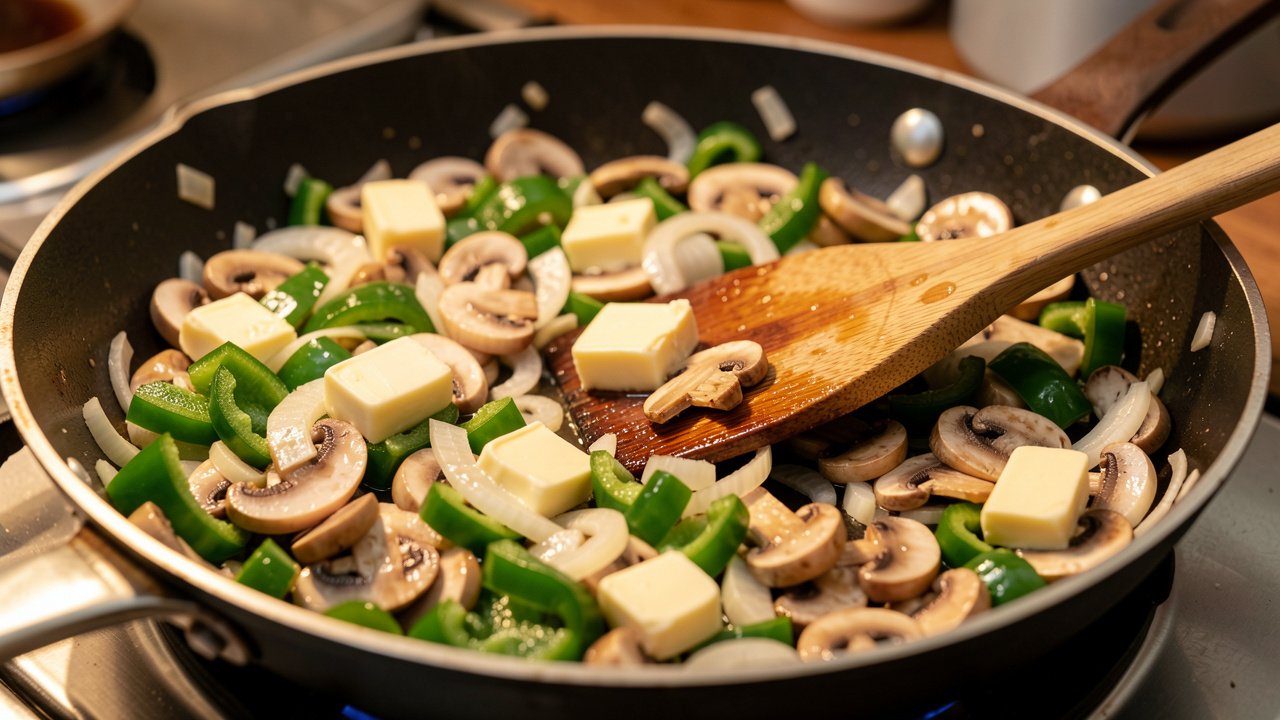
Heat the oil in a large skillet over medium heat. Add the sliced onion and cook 3 to 4 minutes until softened, then add the green pepper, mushrooms, and any halal chicken or halal chicken sausage. Stir in the garlic and cook another 3 to 4 minutes until everything is glossy and just tender.
Push Aside and Fry the Ketchup
Push the vegetables to one side of the pan and add the ketchup, tomato paste, and sugar to the empty space. Let the ketchup fry undisturbed for about a minute, then stir it around for one more minute. It will darken slightly, lose its sharp raw smell, and turn glossy and jammy. This is the most important step.
Toss in the Noodles
Add the soft spaghetti to the pan along with the butter and a splash of milk. Toss with tongs so every strand gets coated in the glossy ketchup sauce. The butter and milk soften the tang and give the sauce a rich, mellow finish that clings to the noodles.
Season and Warm Through
Season with salt and a good crack of black pepper, then keep tossing over the heat for a minute or two until everything is hot and evenly glazed. Taste and adjust; a pinch more sugar rounds it out, and a little more ketchup boosts the color and tang if you like.
Finish with Parmesan and Parsley
Slide the napolitan onto plates while it is glossy and hot. Shower each plate with grated parmesan and a scattering of chopped parsley. Serve right away, with extra parmesan at the table for anyone who wants it, which in my house is everyone.
Chef’s Tips From Real Kitchen Testing
Always fry the ketchup before the noodles go in. That minute in the hot pan is the difference between a savory, glossy sauce and a sharp, raw one.
Do not chase an al dente bite. Napolitan is meant to be soft, so boil the pasta a little longer than usual and let it rest so it turns tender and soaks up the sauce.
Keep a splash of milk and the butter for the end. They mellow the tang and loosen the sauce so it coats every strand instead of drying out and clumping.
Recipe Variations
Serving Suggestions
- A crisp green side salad with a light dressing
- A soft-cooked or fried egg placed right on top
- Extra parmesan and a shake of dried parsley
- A cup of clear soup or corn soup on the side
Nutrition Facts
| Nutrient | Amount per serving |
|---|---|
| Calories | 520 |
| Protein | 18 g |
| Carbohydrates | 68 g |
| Fat | 18 g |
| Saturated Fat | 7 g |
| Fiber | 5 g |
| Sugar | 14 g |
| Sodium | 780 mg |
Values are estimates per serving and vary with the exact ingredients and brands you use.
Make-Ahead Tips
Napolitan is best fresh off the heat, but you can prep ahead. Boil the spaghetti earlier in the day, toss it with a little oil, and refrigerate it; resting the noodles actually improves the soft texture. Slice the vegetables and stir the ketchup sauce together in advance too. When you are ready to eat, the whole dish comes together in one hot skillet in just a few minutes.
Storage, Freezing & Reheating
Common Mistakes to Avoid
Troubleshooting
Sauce tastes sharp and raw? The ketchup was not fried long enough. Push the noodles aside and let the sauce cook another minute so the tang mellows.
Napolitan came out dry? Toss in a little more butter and a splash of milk or water over the heat to loosen the sauce and bring back the shine.
Too sweet or too tangy? Balance sweetness with a pinch of salt and pepper, or brighten an overly rich plate with a tiny bit more ketchup.
A Note on Japanese Yoshoku
Napolitan belongs to yoshoku, the family of western-style dishes that Japan adopted and made completely its own. Born in the postwar years around Yokohama, it took an imported idea, spaghetti, and reimagined it with the pantry of a Japanese diner: ketchup instead of a long-simmered sauce, butter for richness, and a soft, comforting texture rather than a firm Italian bite. That is exactly why the pasta is cooked soft and the ketchup is fried until it caramelizes, two moves that give napolitan its cozy, nostalgic character. If you love easygoing tomato cooking, browse more tomato recipes or try a fresh, zippy tomato salsa for a completely different mood.
Frequently Asked Questions
More Tomato Recipes to Try
Last updated: September 29, 2026