West African Recipes
Beninese Red Cornmeal Cake with Tomato Sauce
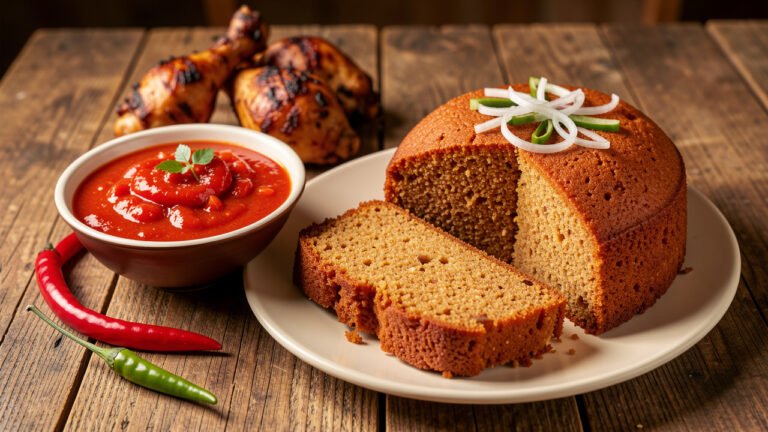
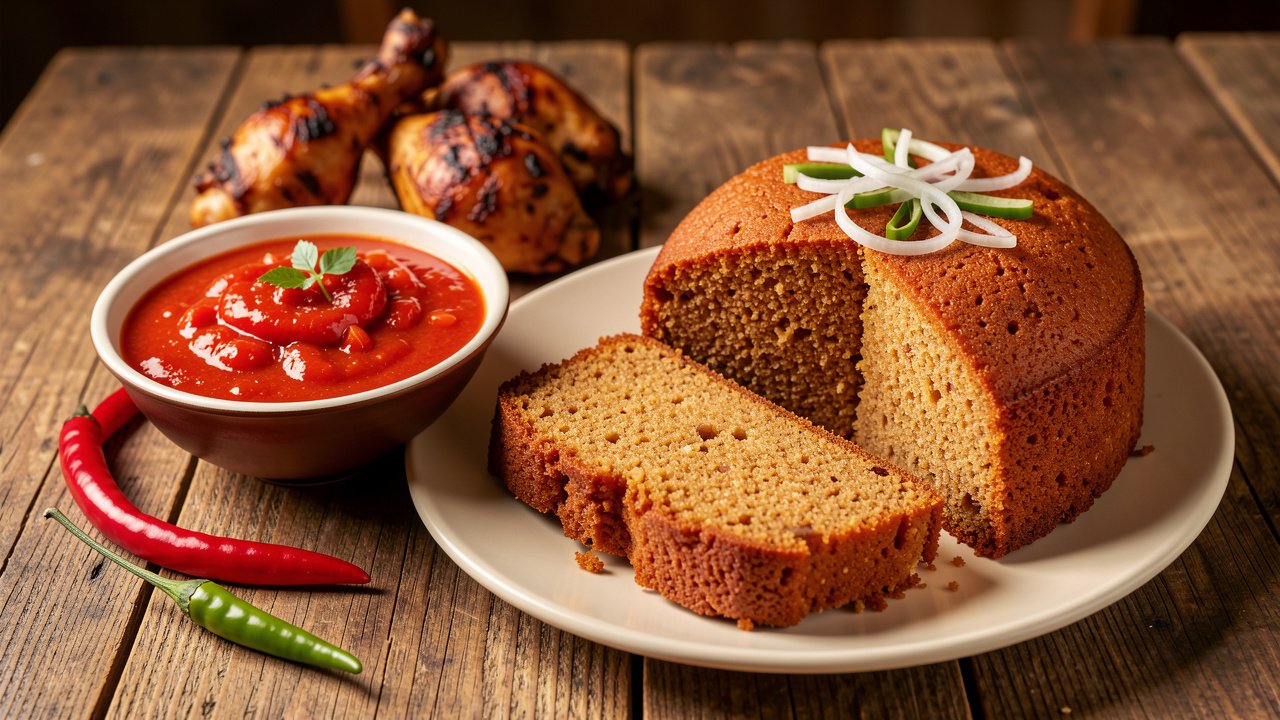
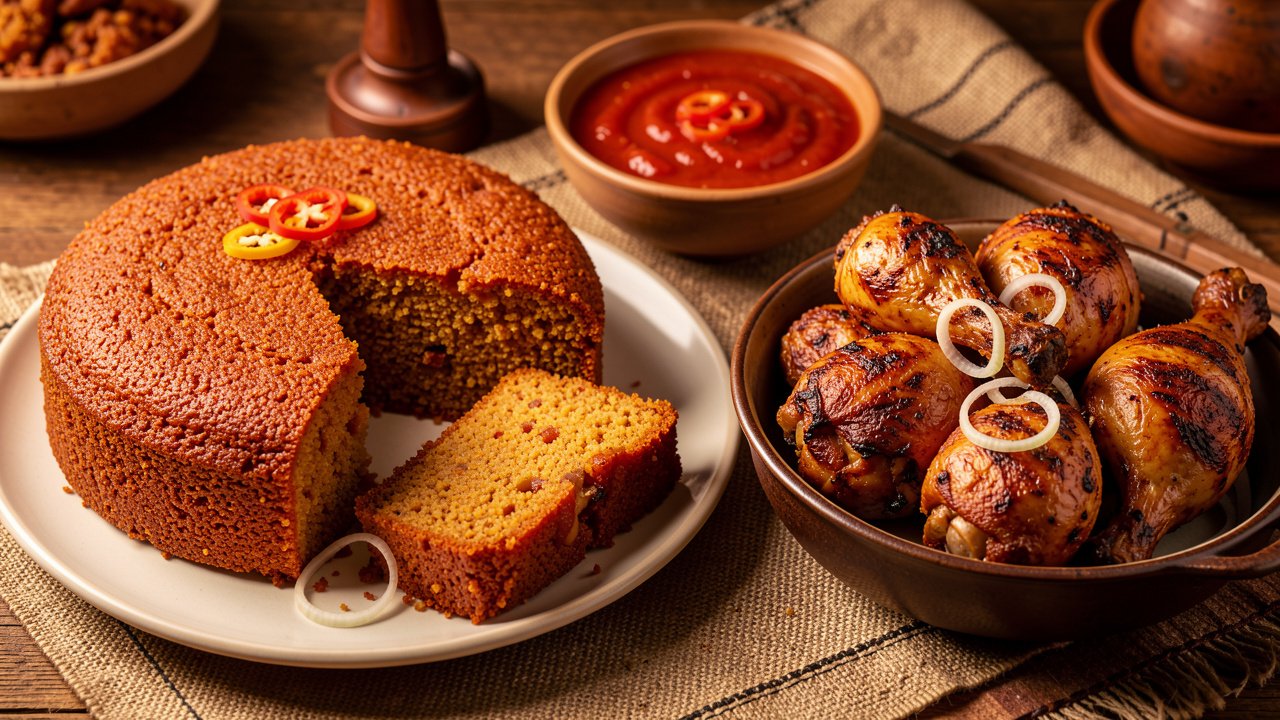
Amiwo is the dish that taught me cornmeal could taste like a full meal on its own. Instead of cooking the maize meal in plain water like a neutral porridge, you cook it directly into a seasoned tomato sauce, so every bite of the finished cake carries pepper, onion, and that deep cooked-tomato sweetness. It is the color that surprises people first: a warm brick red, not the pale yellow you expect from cornmeal.
The trick, and the thing I got wrong my first few tries, is the stirring. Amiwo asks for patience and a strong arm. Add the cornmeal too fast and you get lumps; walk away from the pot and it catches on the bottom. But get the rhythm right and you end up with a glossy, firm cake that slices clean and soaks up the extra tomato stew beautifully.
Why This Amiwo Works
Most cornmeal staples across West Africa are cooked in water and lean on the sauce beside them for flavor. Amiwo flips that idea. By cooking the maize meal straight into a seasoned tomato-pepper-onion sauce, you build flavor into the cake itself, so it never tastes like a plain starch waiting to be rescued by a stew.
The sauce does double duty here, and that is the smart part of the method. You make one generous batch of blended tomato sauce, use part of it to color and season the cornmeal, and keep the rest loose and saucy to spoon over the finished cake. One pepper blend, two textures, very little waste.
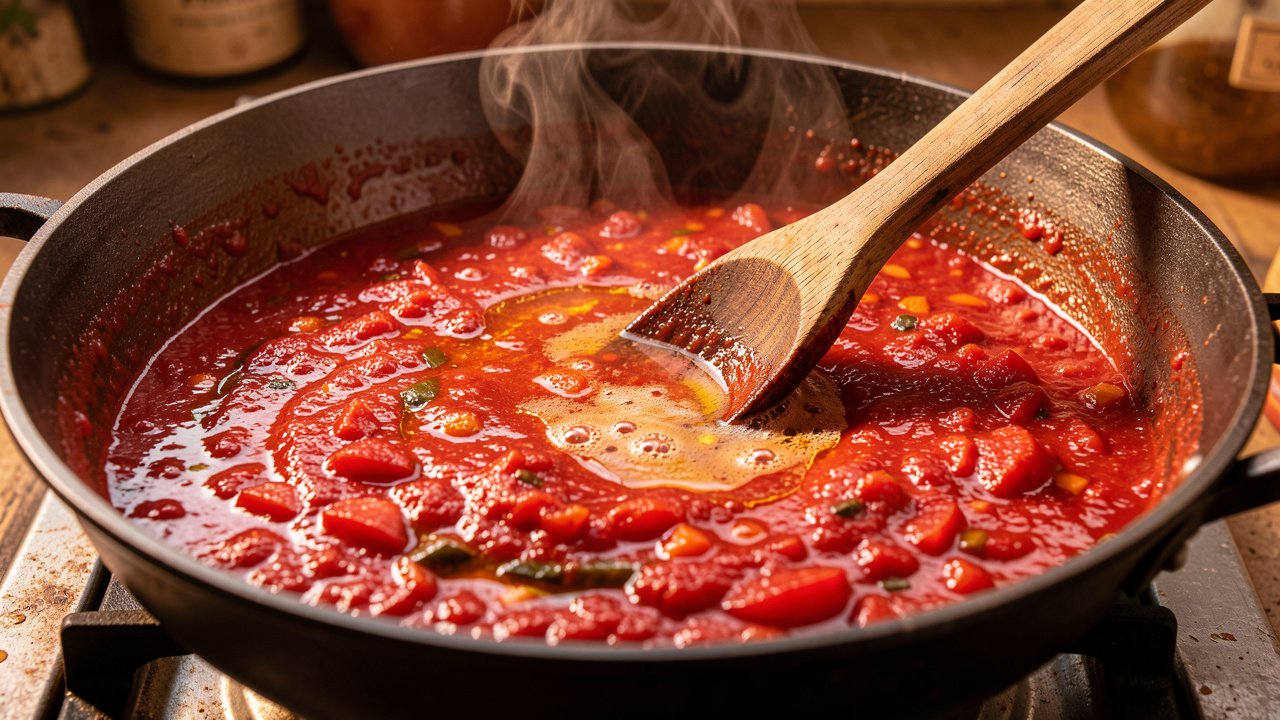
Cooking the tomato base down properly before the cornmeal goes in is what separates a good amiwo from a raw-tasting one. You want the blended tomatoes and peppers reduced until the sharpness is gone and the oil rises to the top. That deep, cooked base is what gives the cake its savory backbone.
Finally, amiwo is forgiving in the best way once you understand its texture. Firmer and it slices like a cake; a little softer and it scoops like polenta. Either way it pairs with grilled or fried halal chicken or fish and a bright tomato stew, turning humble maize meal into a centerpiece dinner.
Pro observation: The tomato base is ready for the cornmeal when it has darkened from bright red to a deeper brick shade and a thin film of oil pools at the surface. That is your cue that the raw edge has cooked out.
Ingredients
Kitchen Measurement Converter
Cornmeal recipes move between cups and grams a lot, so convert measurements without leaving the recipe. Pick a category, enter a value, and the result updates instantly.
Ingredient Notes & Substitutions
Cornmeal
Use fine white or yellow cornmeal, sometimes sold as maize meal or corn flour for cooking. Fine grind gives the smoothest cake. Coarse polenta works but stays grainier and needs more liquid and time.
Tomatoes and Peppers
Ripe red tomatoes plus one red bell pepper give the classic sweet red base. The bell pepper adds color and body without heat, so you control the spice separately with the chili.
Chili
A scotch bonnet is traditional and brings fruity heat. For a milder cake, use half a chili or a pinch of chili flakes. Blend it with the tomatoes so the heat spreads evenly.
Bouillon and Seasoning
A halal bouillon cube deepens the savory note the way it does in many West African kitchens. Check the label to be sure it is halal, or use a good vegetable stock in its place.
Equipment
- Blender or food processor
- Wide heavy pot
- Sturdy wooden spoon
- Second saucepan
- Sharp knife and board
- Measuring cups
Before You Start
1. Blend the sauce first. The whole recipe runs on one batch of blended tomato, pepper, onion, and garlic, so get that ready before anything hits the heat.
2. Have the cornmeal measured and loose. You add it in a steady stream while stirring, so keep it in an easy-to-pour bowl right next to the pot.
3. Use your widest, heaviest pot. Amiwo is stirred hard and thickens fast. A heavy base spreads the heat and stops the cake from scorching.
Step-by-Step Instructions
Blend the Tomato-Pepper Base
Roughly chop the tomatoes, red bell pepper, one and a half onions, the garlic, and the chili. Blend them into a smooth puree, adding a splash of water only if needed to get things moving. Finely dice the remaining half onion and set it aside for frying.
Cook the Tomato Sauce
Heat the oil in a wide pot over medium heat and fry the diced onion for 3 minutes until soft. Stir in the tomato paste and cook 2 minutes, then pour in the blended puree, the bay leaf, ground ginger, crumbled bouillon, and salt. Simmer 12 to 15 minutes, stirring now and then, until it darkens to a brick red and the oil rises to the top.
Divide the Sauce
Ladle out about a third of the cooked sauce into a small saucepan; this becomes the loose tomato stew you spoon over the finished cake. Keep the rest in the wide pot for the cornmeal. Stir the water or stock into the pot with the larger portion and bring it to a gentle simmer.
Stir In the Cornmeal
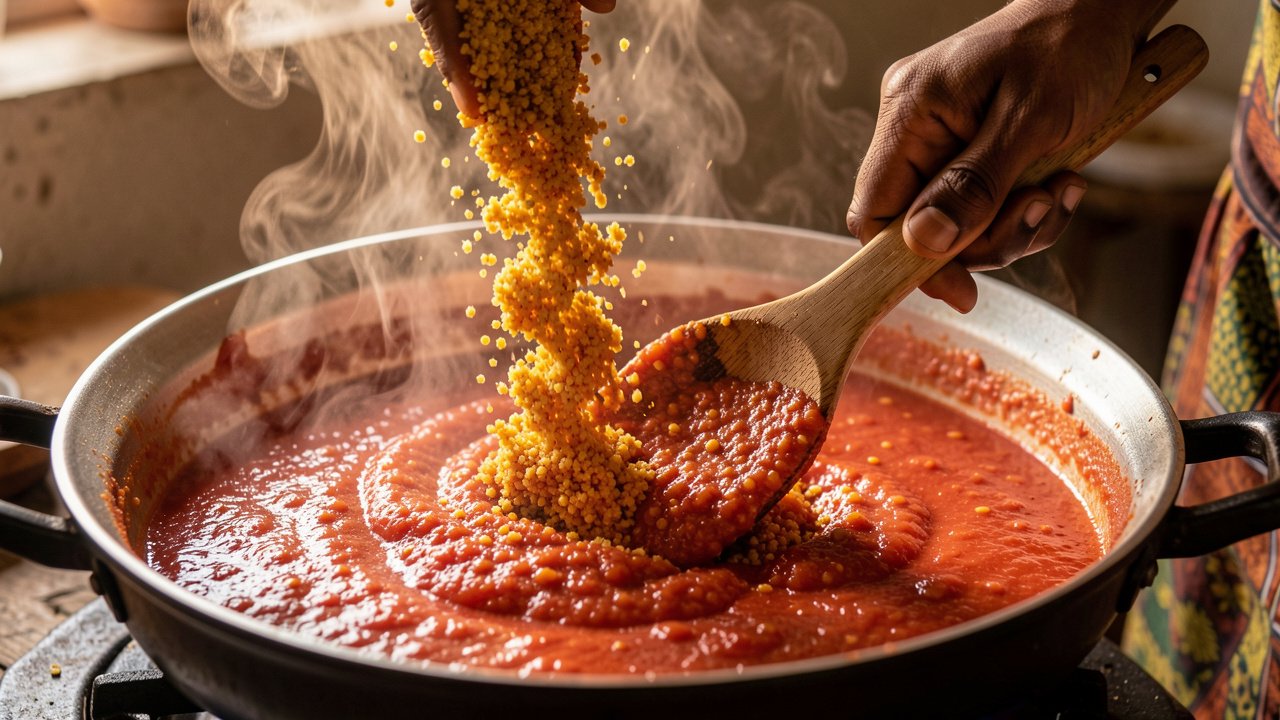
Lower the heat to medium-low. Add the cornmeal to the simmering sauce in a slow, steady stream while stirring hard and constantly with a wooden spoon. This is the key moment: pouring slowly and stirring without pause is what keeps the cake smooth instead of lumpy. Break up any clumps against the side of the pot as they form.
Cook Until Firm and Smooth
Keep stirring and folding the mixture as it thickens, scraping the bottom so nothing catches. Cook 8 to 10 minutes until it pulls away from the sides of the pot in a firm, glossy mass. If it feels too stiff, stir in a little hot water; if too soft, cook a couple minutes longer. Fold in the chopped basil near the end.
Shape, Rest, and Serve
Tip the amiwo into an oiled bowl or onto a plate and smooth the top. Let it rest 5 minutes to set, then turn it out and slice or scoop into portions. Serve with the reserved tomato stew spooned over or alongside, plus grilled or fried halal chicken or fish.
Chef’s Tips From Real Kitchen Testing
Wet the cornmeal first if you are nervous about lumps. Stirring the dry meal into a little cold water to make a loose slurry, then pouring that in, almost guarantees a smooth cake.
Do not rush the sauce. The minutes you spend cooking the blended tomatoes down are what give amiwo its savory depth, so wait for the color to darken before the cornmeal goes in.
Keep a mug of hot water beside the pot. Amiwo tightens as it cooks and again as it rests, so a splash of hot water lets you loosen it to exactly the texture you want.
Recipe Variations
Serving Suggestions
- Grilled or fried halal fish, whole or in steaks
- Grilled halal chicken with the extra tomato stew
- A fresh onion and chili relish on the side
- Sliced avocado or a simple green salad
Nutrition Facts
| Nutrient | Amount per serving |
|---|---|
| Calories | 340 |
| Protein | 6 g |
| Carbohydrates | 52 g |
| Fat | 12 g |
| Saturated Fat | 2 g |
| Fiber | 5 g |
| Sugar | 6 g |
| Sodium | 620 mg |
Values are estimates for the vegetarian cornmeal cake and sauce per serving and vary with the exact ingredients and brands you use.
Make-Ahead Tips
The blended tomato-pepper sauce is the perfect make-ahead component. Cook it a day or two in advance and keep it in the fridge, then you are only minutes from dinner. When you are ready, reheat the sauce, split it, and stir in the cornmeal fresh, since amiwo is best eaten soon after it is cooked while the cake is still soft and slices cleanly.
Storage, Freezing & Reheating
Common Mistakes to Avoid
Troubleshooting
Amiwo came out lumpy? Keep stirring hard and press the lumps against the side of the pot to break them up; a splash of hot water helps them soften and smooth out.
Cake tastes flat or raw? The sauce probably needed longer. Next time cook the blended base until it is deep red, and check the salt and bouillon before the cornmeal goes in.
Too stiff to slice nicely? Stir in hot water a little at a time to loosen it, or shape it while still warm since it firms quickly as it rests.
A Note on Beninese Cooking
Cornmeal staples run right across West Africa, and each country has its own name and texture for them. In Benin and Togo, amiwo stands out because the maize meal is cooked into a seasoned red tomato sauce rather than plain water, giving it both color and built-in flavor. Its close cousin djenkoume, popular in Togo, follows the same red-cornmeal idea, so the two names are often used for very similar dishes at family tables.
What ties amiwo to a tomato-loving kitchen is that rich blended base of tomatoes, peppers, and onion doing the heavy lifting. If you like building meals around a deep red sauce, browse more ideas in our collection of tomato recipes, or try the comforting hearty tomato lentil soup for another savory, tomato-forward bowl.
Frequently Asked Questions
More Tomato Recipes to Try
Last updated: September 29, 2026