Laotian Recipes
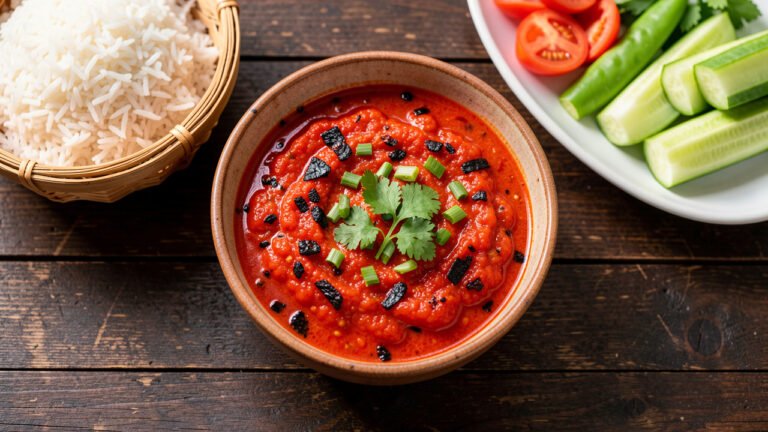
Smoky Charred Tomato Dip
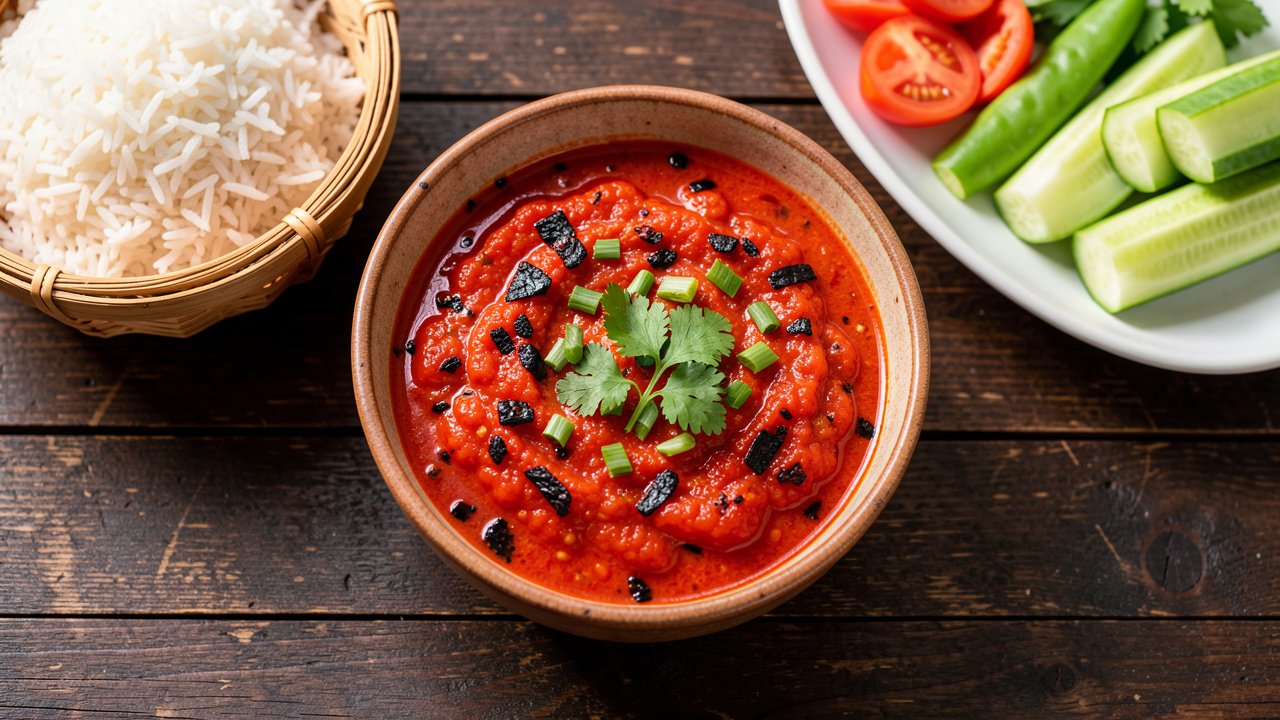
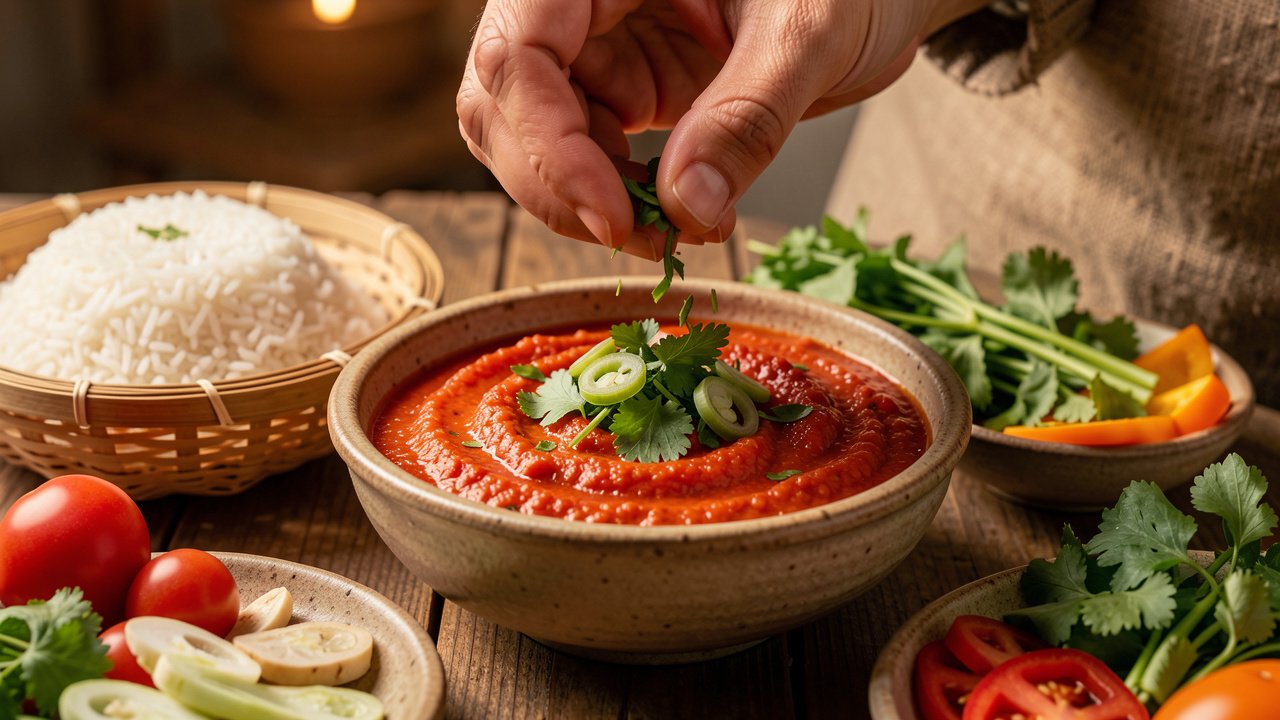
Jeow mak len is the kind of dish that proves a handful of humble ingredients can taste like far more than the sum of their parts. In Laos, a jeow is a rustic dipping relish that anchors the table, and this tomato version is one of the most loved. The magic is in the char: blistering the tomatoes, garlic, shallot, and chili over a flame builds a deep, smoky sweetness that raw ingredients simply cannot give you.
I learned quickly that patience with the charring is everything. The first time I made this I pulled the tomatoes off the heat too soon, worried about burning them, and the dip tasted flat and watery. Let those skins go properly black and blistered, and the whole bowl turns fragrant and complex.
Why This Jeow Mak Len Works
Jeow mak len is built on contrast: smoky and sweet from the char, salty and savory from the fish sauce, sharp and bright from the lime, and grassy from a fistful of fresh herbs. Because there is no long simmer to blend everything, each of those notes stays distinct and lively in the bowl. That is exactly what makes a good jeow so addictive next to plain sticky rice.
The single most important step is the charring. Direct heat blisters the tomato skins and concentrates their sugars, so what starts as a watery raw tomato turns jammy, smoky, and deep. The same flame softens the garlic and shallot and knocks the raw edge off the chili, so nothing tastes sharp or acrid in the final dip.
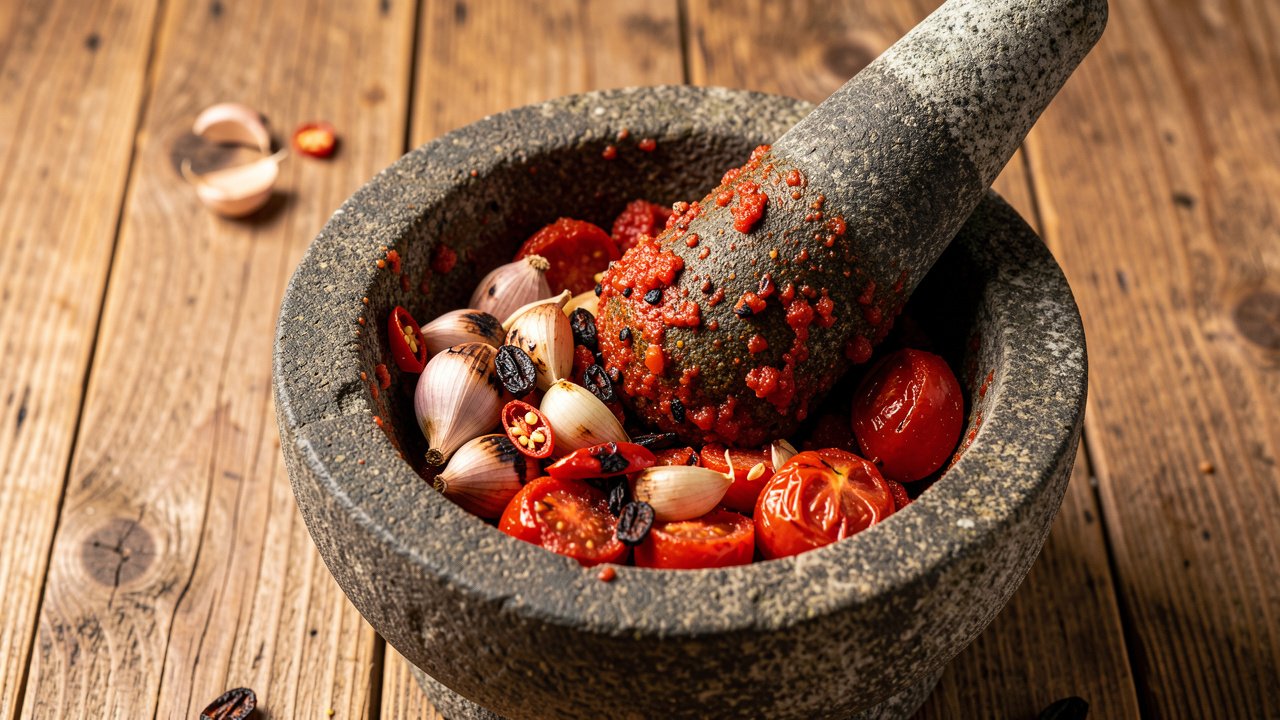
Mashing rather than blending is the second quiet secret. A traditional jeow has texture: little flecks of charred skin, soft pockets of garlic, and threads of chili. Pounding it in a mortar or mashing it with a fork keeps that rustic character, whereas a blender turns it into a smooth sauce and loses the soul of the dish.
It is also refreshingly flexible. The same method welcomes more chili for heat, an extra squeeze of lime for brightness, or a swap to a vegan seasoning, so once you know the rhythm you can tune it to whatever is on the table that night without ever following a rigid formula.
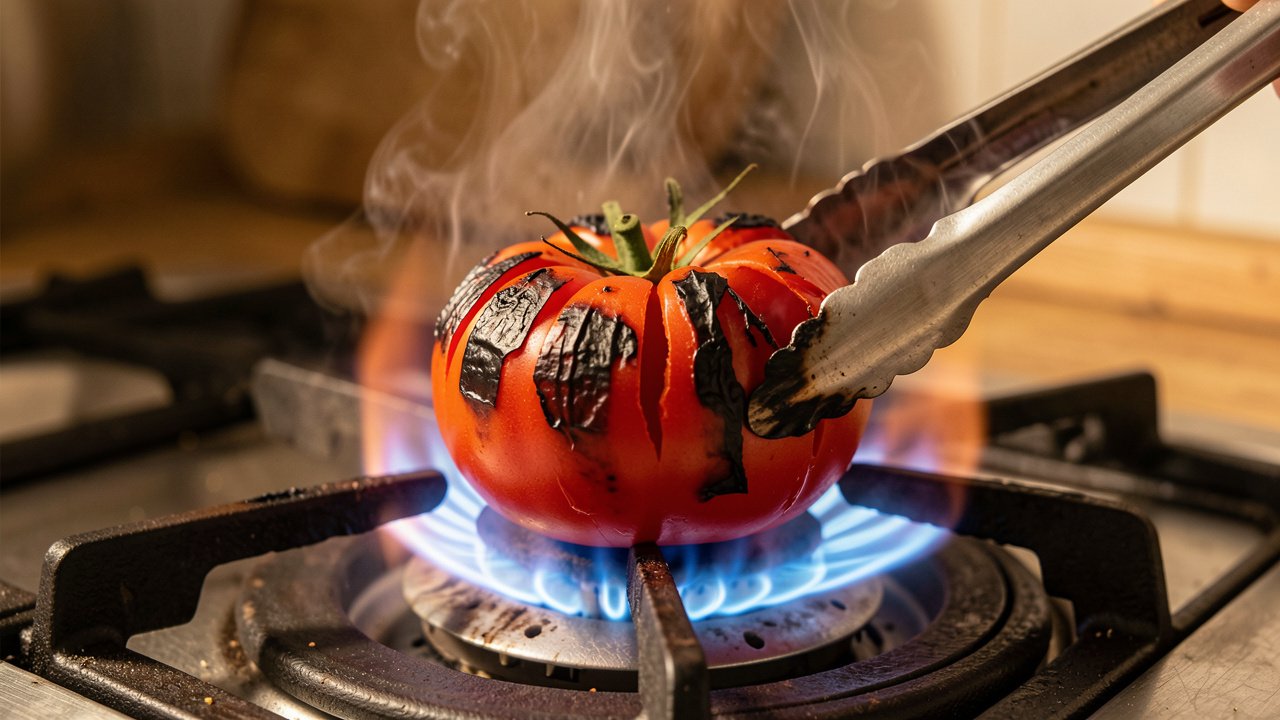
Pro observation: The tomatoes are ready when the skins are blackened and blistered all over and the flesh feels completely soft when pressed. If they still feel firm, they will taste raw and thin, no matter how good everything else is.
Ingredients
Kitchen Measurement Converter
Quickly convert between common cooking measurements without leaving the recipe. Pick a category, enter a value, and the result updates instantly.
Ingredient Notes & Substitutions
Tomatoes
Small to medium ripe tomatoes work best because they char and soften quickly. Roma or vine tomatoes are ideal. Very large or watery beefsteak tomatoes take longer and can turn soupy, so drain off any excess liquid after charring.
Garlic & Shallot
Char them in their skins so the outsides protect the insides from burning. The skins slip off easily once cool. Shallots give a sweeter, milder result than regular onion, which is the classic choice here.
Fish Sauce
Fish sauce is the backbone of the seasoning and gives that signature salty, savory depth. In many Lao kitchens padaek, a fermented fish sauce, is used for an even funkier flavor. Both are excellent; start with less and adjust to taste.
Chilies & Herbs
Fresh red chilies bring heat and color. Use fewer for a mild dip or more for a fiery one. Cilantro is traditional, but sliced green onion and a little mint or sawtooth herb are also welcome for brightness.
Equipment
- Gas flame, grill, or broiler
- Tongs
- Mortar and pestle or bowl
- Fork for mashing
- Sharp knife and board
- Small serving bowl
Before You Start
1. Wash all produce well. Rinse the tomatoes, chilies, and herbs under cool running water and pat them dry, since the tomatoes and herbs go into the dip with little further cooking.
2. Set up for charring. Have your tongs ready and clear the area around the flame or grill. Keep the garlic and shallot in their skins so they roast rather than scorch.
3. Start the sticky rice early. Sticky rice needs a soak and a steam, so get it going before you char so everything is ready to eat together.
Step-by-Step Instructions
Wash and Prep
Rinse the tomatoes, chilies, cilantro, and green onions under cool running water and pat dry. Leave the tomatoes whole. Keep the garlic cloves and shallots in their skins. Chop the cilantro and slice the green onions so they are ready to fold in at the end.
Char the Tomatoes
Set the whole tomatoes directly over a medium gas flame, on a hot grill, or under a broiler. Turn them with tongs every couple of minutes until the skins are blackened, blistered, and split all over and the flesh feels soft, about 8 to 10 minutes. Do not rush this step; the char is where the flavor lives.
Roast the Garlic, Shallot, and Chili
Add the unpeeled garlic cloves, unpeeled shallots, and the fresh chilies to the flame or grill alongside the tomatoes. Turn often and roast until the skins are charred and the insides are soft and fragrant, about 5 to 7 minutes for the chilies and a little longer for the shallots. Set everything aside to cool enough to handle.
Peel and Mash
Slip the blackened skins off the garlic, shallots, and tomatoes. You can leave a few flecks of char on the tomatoes for extra smokiness. Add the garlic, shallot, and chilies to a mortar or bowl with the salt and pound or mash to a rough paste, then work in the tomatoes until you have a chunky, textured dip.
Season with Fish Sauce and Lime
Stir in the fish sauce and the fresh lime juice. Taste, then adjust: add more fish sauce for salt and savor, more lime for brightness, or a pinch of sugar to round it out. The dip should taste boldly balanced between salty, sour, smoky, and a little sweet.
Finish with Herbs and Serve
Fold in most of the chopped cilantro and sliced green onions, then scoop the dip into a serving bowl and scatter the rest over the top. Serve at room temperature with warm sticky rice and a plate of raw or lightly steamed vegetables for dipping.
Chef’s Tips From Real Kitchen Testing
Char harder than feels comfortable. A timid char gives a watery, flat dip; blackened, blistered skins are what make it smoky and deep.
Season at room temperature and taste as you go. Fish sauce and lime read differently when warm, so adjust the balance once the dip has cooled a little.
Keep the garlic and shallot in their skins on the flame. The skins shield the flesh so it roasts sweet and soft instead of scorching bitter.
Recipe Variations
Serving Suggestions
- Warm sticky rice, rolled into small balls by hand
- Raw or steamed vegetables: cabbage, long beans, cucumber
- Grilled or steamed fish and chicken
- Lime wedges and extra fresh herbs on the side
Nutrition Facts
| Nutrient | Amount per serving |
|---|---|
| Calories | 35 |
| Protein | 2 g |
| Carbohydrates | 7 g |
| Fat | 0.5 g |
| Saturated Fat | 0 g |
| Fiber | 2 g |
| Sugar | 4 g |
| Sodium | 480 mg |
Values are estimates per roughly quarter-cup serving and vary with the exact ingredients and brands you use.
Food Safety & Hygiene
Because this dip relies on open-flame roasting and mostly raw finishing, a few habits keep it safe. Wash the tomatoes, chilies, and herbs thoroughly under running water before charring, since the herbs and any residual raw tomato go into the bowl with little further cooking. Scrub any vegetables you plan to serve raw for dipping as well.
When you work over an open flame or a grill, keep long sleeves and loose towels away from the fire, use metal tongs rather than fingers to turn the tomatoes, and let the charred pieces cool briefly before you peel them so you do not burn your hands. Keep a lid or baking sheet nearby to smother any flare-ups, and never leave the flame unattended. Serve the finished dip at room temperature and refrigerate leftovers within two hours.
Make-Ahead Tips
Jeow mak len is a good make-ahead dish, and many cooks think the flavor even improves after an hour or two as the smoke and seasonings settle. Char and mash the base up to a day ahead, then keep it covered in the fridge. Stir in the fresh cilantro, green onion, and a final squeeze of lime just before serving so the herbs stay bright and the dip tastes fresh rather than dull.
Storage, Freezing & Reheating
Common Mistakes to Avoid
Troubleshooting
Dip tastes flat? It usually needs more fish sauce for savor and a squeeze more lime to wake it up. A pinch of sugar can also pull the flavors together.
Too watery? The tomatoes released a lot of juice. Drain off some liquid, or char an extra tomato and mash it in to thicken and deepen the base.
Too sharp or sour? Balance it with a little sugar, a touch more mashed roasted shallot, or an extra charred tomato for sweetness.
A Note on Laotian Cooking
In Laos, a meal is rarely one dish alone. Sticky rice sits at the center of the table, eaten by hand and used to scoop up a spread of jeow, grilled meats or fish, soups, and fresh vegetables and herbs. A jeow, the family of rustic dipping relishes that jeow mak len belongs to, is the seasoning that ties it all together, and it can be built from charred tomatoes, eggplant, chilies, or fermented fish. The flavors lean bold and fresh, balancing smoke, salt, sour, and heat rather than richness.
That love of charred, tangy, herb-heavy flavor is exactly why tomatoes feel so at home here. If you enjoy this style of bright, punchy tomato cooking, browse more ideas in our tomato recipes collection, or try a fresher, chunkier dip in our tomato salsa.
Frequently Asked Questions
More Tomato Recipes to Try
Last updated: September 29, 2026