Nicaraguan Recipes
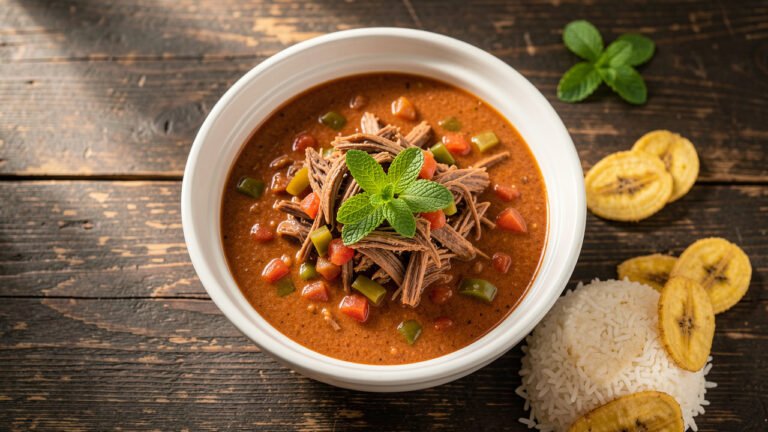
Shredded Beef in a Tomato Sofrito
Indio Viejo is the dish I reach for when I want something that tastes like it has been cooked slowly and cared for, even though most of the time is the beef quietly simmering on its own. The name translates loosely to “old Indian,” and the story behind it is as much a part of the recipe as the ingredients. It is rustic, deeply savory, and thickened not with flour or cream but with masa, the same ground corn that becomes tortillas across Central America.
The first time I made it I under-shredded the beef and rushed the masa, and the pot turned out chunky and a little pasty. Once I learned to shred the meat properly and to whisk the masa into a smooth slurry before it hit the pot, everything changed. This version is the one my family asks for, and it leans on ripe tomatoes to give the sofrito its backbone.
Why This Indio Viejo Works
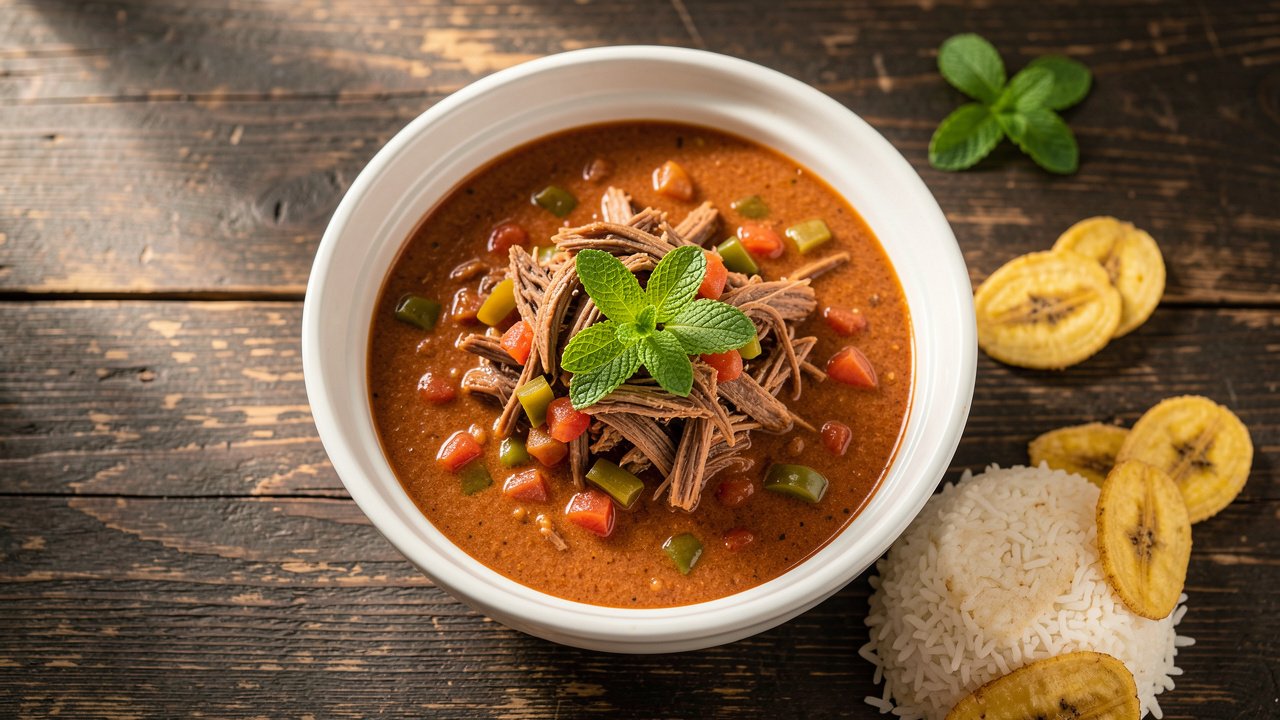
Indio Viejo is a lesson in how a short ingredient list can build enormous depth when you respect the order of operations. The dish rests on three pillars: tender shredded beef, a well-cooked tomato sofrito, and masa that thickens without turning the stew into paste. Get those three right and the rest is seasoning.
The beef comes first, and it is unhurried. Simmering a tough, flavorful cut low and slow does two jobs at once. It turns the meat meltingly soft so it shreds into the strands that define the dish, and it produces a rich broth that later becomes the base of the stew. Nothing is wasted, which is very much in the spirit of the recipe.
The sofrito is where the flavor turns from good to memorable. Cooking onion and green bell pepper down slowly, then letting ripe tomatoes collapse into them, builds a sweet-savory foundation that carries the whole pot. When the oil starts to pool at the edges, you know the sofrito has cooked out its raw edge and is ready for the beef and broth.
Masa is the signature move. Instead of reaching for a starch slurry, Nicaraguan cooks whisk corn dough into broth so it thickens the stew while adding a gentle toasted-corn flavor. Done right, it gives Indio Viejo its soft, porridge-like body without any graininess or lumps.
Finally, sour orange and fresh mint lift the whole thing. A slow-cooked beef stew can taste heavy and one-note, so a squeeze of tart citrus and a handful of torn mint at the end cut through the richness and make each bite taste bright and alive.
Pro observation: The sofrito is ready when you tilt the pan and see a thin sheen of colored oil separate at the edges. That glossy pooling means the tomatoes have cooked down and the base will taste deep rather than raw.
Ingredients
Kitchen Measurement Converter
Quickly convert between common cooking measurements without leaving the recipe. Pick a category, enter a value, and the result updates instantly.
Ingredient Notes & Substitutions
The Beef
Use a halal cut with connective tissue, such as chuck or flank, so it turns tender and shreds cleanly after a long simmer. Lean cuts stay stringy and dry. Ask your butcher for a well-marbled braising cut.
Masa Harina
Masa harina is nixtamalized corn flour, the same used for tortillas. Whisk it with a little cool broth into a smooth slurry before it goes in. Do not swap in regular cornmeal, which stays gritty.
Tomatoes
Ripe, red tomatoes give the sofrito its sweet-tart backbone. Out of season, one 14-ounce can of chopped tomatoes is more reliable than pale fresh ones and cooks down just as well.
Sour Orange & Mint
Sour orange gives the authentic tang. If you cannot find it, mix equal parts lime juice and regular orange juice. Fresh mint is not optional here; it is the herb that makes the dish taste like Indio Viejo.
Equipment
- Large heavy pot or Dutch oven
- Wide skillet for sofrito
- Whisk for the masa slurry
- Two forks for shredding
- Fine strainer or sieve
- Sharp knife and board
Before You Start
1. Give the beef time. The simmer is mostly hands-off, but it cannot be rushed. Start the meat first and use the simmering time to prep everything else.
2. Reserve the cooking broth. Do not pour it away. That flavorful liquid becomes the body of the stew and the base for the masa slurry, so strain and keep every cup.
3. Whisk the masa smooth. Combine the masa harina with cool broth and whisk until there are no lumps before it ever touches the hot pot. This one habit prevents almost every texture problem.
Step-by-Step Instructions
Simmer and Shred the Beef
Put the beef in a large pot with the water or broth, half the onion, a pinch of salt, and the black pepper. Bring to a boil, skim off any foam, then lower to a gentle simmer and cook covered for about 90 minutes, until the meat pulls apart easily. Lift out the beef, let it cool enough to handle, and shred it into fine strands with two forks. Strain the broth and set it aside; you will use it in the stew.
Make the Achiote Oil and Sofrito
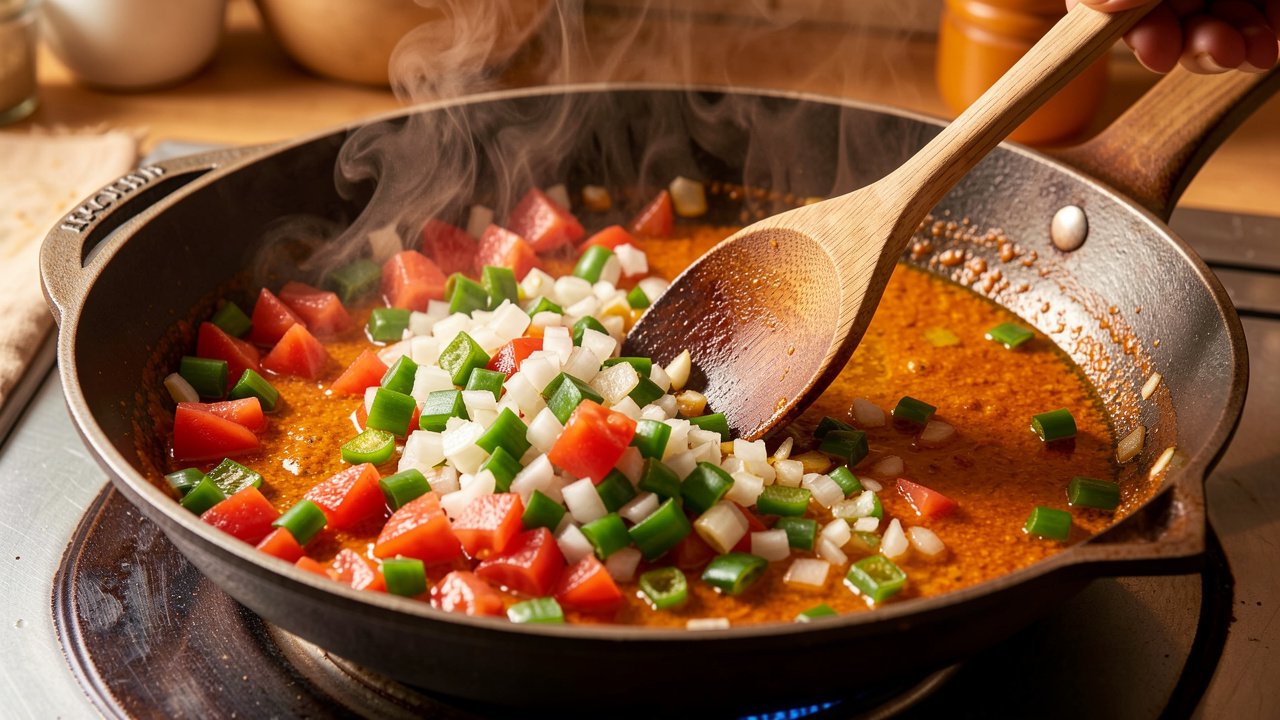
Warm the oil in a wide skillet over medium heat, add the annatto seeds, and let them steep for about a minute until the oil turns deep orange, then scoop out and discard the seeds. Add the remaining onion and the green bell pepper and cook 6 to 8 minutes until soft. Stir in the garlic and cumin for a minute, then add the tomatoes and a good pinch of salt.
Combine Beef and Sofrito
Cook the sofrito 8 to 10 minutes, stirring, until the tomatoes break down into a thick, jammy base and the oil separates at the edges. Add the shredded beef and stir to coat it in the sofrito. Pour in about 4 cups of the reserved broth, bring to a gentle simmer, and let it bubble quietly for 10 minutes so the flavors come together.
Slurry the Masa and Thicken
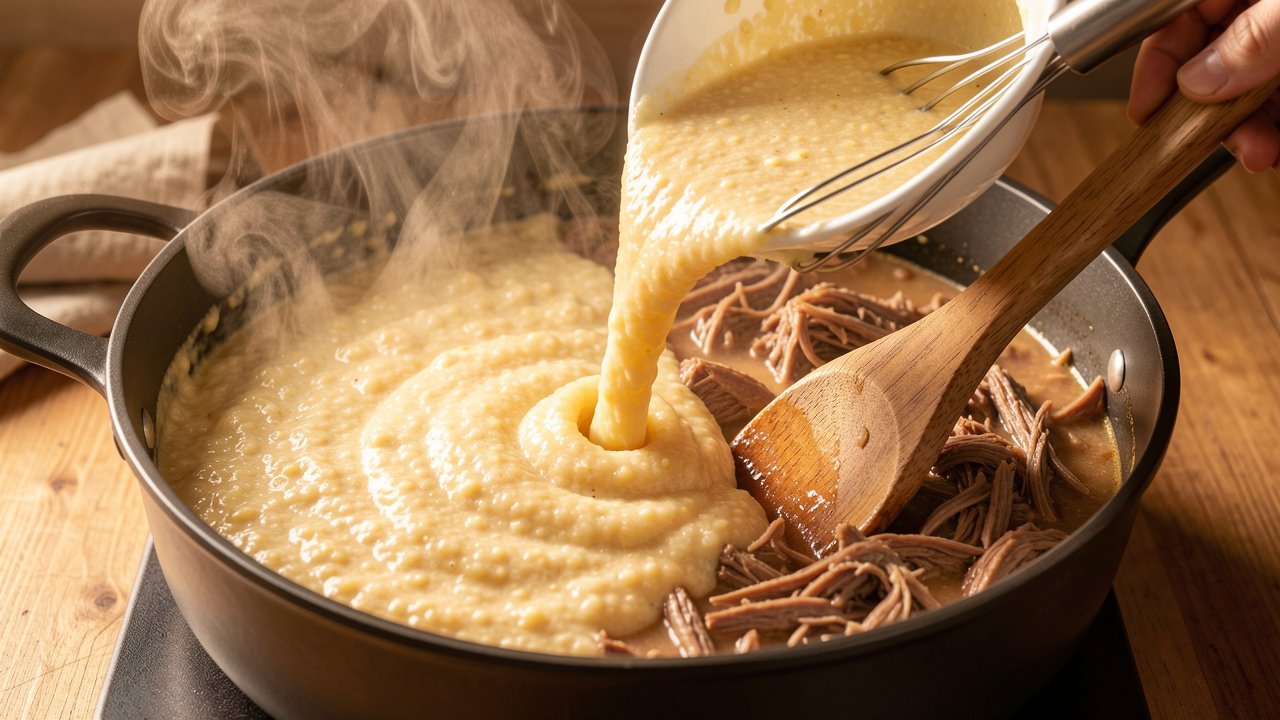
Whisk the masa harina into the remaining 2 cups of cool broth until completely smooth with no lumps. Lower the heat, then pour the slurry into the pot in a slow stream while stirring constantly. Keep stirring for 8 to 10 minutes as the stew thickens to a soft, spoonable, porridge-like body. Add a splash more broth if it gets too thick.
Brighten with Sour Orange and Mint
Stir in the sour orange juice and most of the chopped mint, then taste. Adjust with more salt or a little more citrus for tang. Let it simmer 2 to 3 minutes more so the flavors settle, keeping the heat gentle so the stew stays smooth and does not catch on the bottom.
Serve with Rice and Plantain
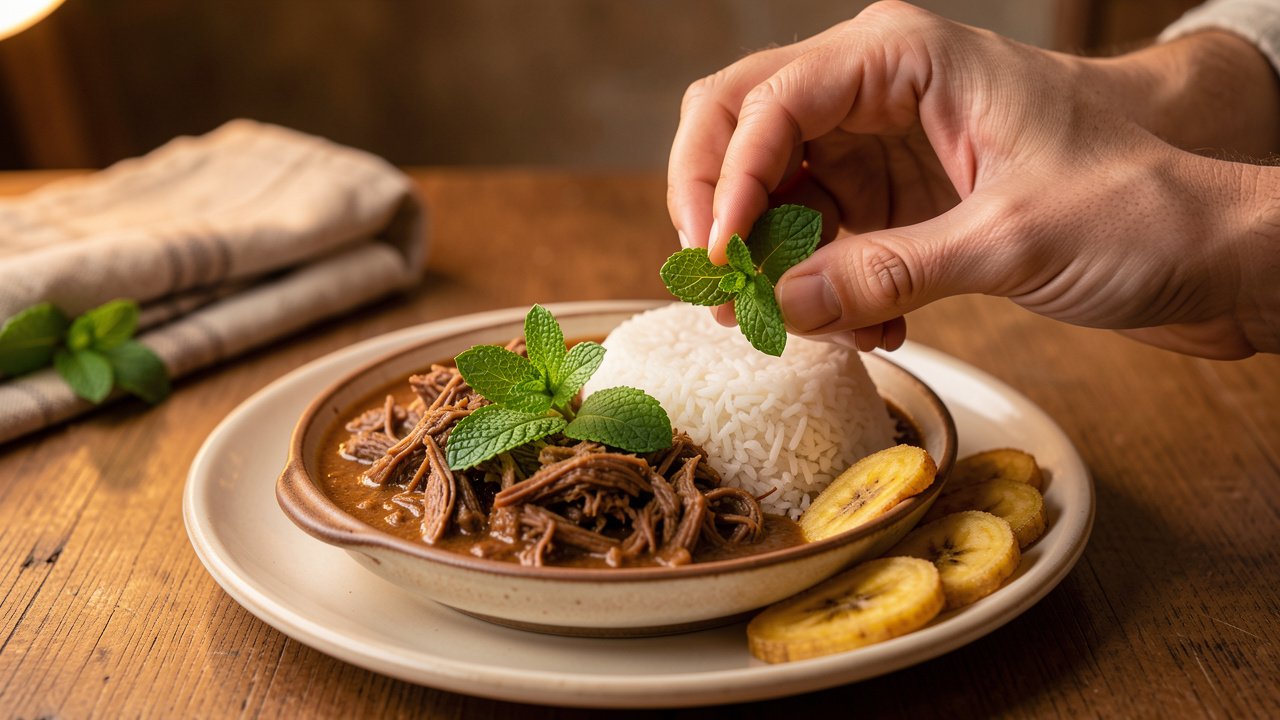
Spoon the Indio Viejo into bowls and scatter the reserved mint and the optional cilantro over the top. Serve hot alongside steamed white rice and slices of fried sweet plantain. A wedge of sour orange or lime on the side lets everyone brighten their bowl to taste.
Chef’s Tips From Real Kitchen Testing
Always whisk the masa into cool broth first. Adding dry masa straight to the hot pot is the fastest way to get stubborn lumps that never fully smooth out.
Shred the beef finely rather than leaving big chunks. Fine strands soak up the sofrito and give Indio Viejo its signature soft, cohesive texture.
Add the mint and sour orange at the very end. Both fade with long cooking, so stirring them in late keeps the finish bright and fragrant.
Recipe Variations
Serving Suggestions
- Steamed white rice or rice and beans
- Fried sweet plantain slices (maduros)
- A simple cabbage and tomato salad
- Wedges of sour orange or lime
Nutrition Facts
| Nutrient | Amount per serving |
|---|---|
| Calories | 420 |
| Protein | 32 g |
| Carbohydrates | 28 g |
| Fat | 20 g |
| Saturated Fat | 6 g |
| Fiber | 3 g |
| Sugar | 6 g |
| Sodium | 640 mg |
Values are estimates per serving and vary with the exact ingredients and brands you use.
Make-Ahead Tips
Indio Viejo is an excellent make-ahead dish, because the flavors deepen overnight in the fridge and the masa base settles into an even softer texture. Cook it a day ahead, cool it, and refrigerate. Reheat gently with a splash of broth or water stirred in to loosen it, since the masa firms up as it sits. Add the fresh mint just before serving so it stays bright.
Storage, Freezing & Reheating
Common Mistakes to Avoid
Troubleshooting
Stew too thick or pasty? The masa absorbed too much liquid. Whisk in warm broth a little at a time over low heat until it loosens to a soft, spoonable body.
Stew too thin? Let it simmer a few more minutes, or whisk a spoonful more masa into a little cool broth and stir it in, then cook until it thickens.
Tastes flat or heavy? It usually needs salt and a bit more sour orange. A final handful of fresh mint also wakes the whole pot up.
A Note on Nicaraguan Cooking
Nicaraguan cooking is built on corn, and Indio Viejo is one of its most beloved expressions. The story most often told is that the dish was created in haste from leftover meat and corn dough when an unexpected visitor arrived, a bit of improvisation that turned into a national favorite. That resourceful spirit, using every part of the pot and thickening with the same corn that makes tortillas, runs through much of the country’s home cooking.
What makes it feel distinctly Nicaraguan is the combination of achiote for color, a tomato and pepper sofrito for depth, and the surprising freshness of mint and sour orange at the finish. It is hearty and humble, meant to be shared from one pot. If you enjoy slow-built, tomato-forward dishes, browse more ideas in our tomato recipes collection, and try a bright homemade tomato salsa on the side for contrast.
A Note on Beef Food Safety
Because this dish starts with a long simmer, food safety is mostly about handling the beef before and after cooking. Keep raw beef refrigerated until you are ready to cook, and wash your hands, board, and knife after handling it. Bring the pot to a full boil, then hold it at a steady simmer so the meat cooks through completely and pulls apart tender.
Once cooked, do not leave the stew at room temperature for more than about two hours. Cool leftovers quickly, refrigerate within that window, and reheat until piping hot all the way through before serving again. When reheating, bring it back to a steady simmer rather than just warming it, and only reheat the portion you plan to eat.
Frequently Asked Questions
More Tomato Recipes to Try
Last updated: September 29, 2026