Puerto Rican Recipes
Halal Braised Beef Stew
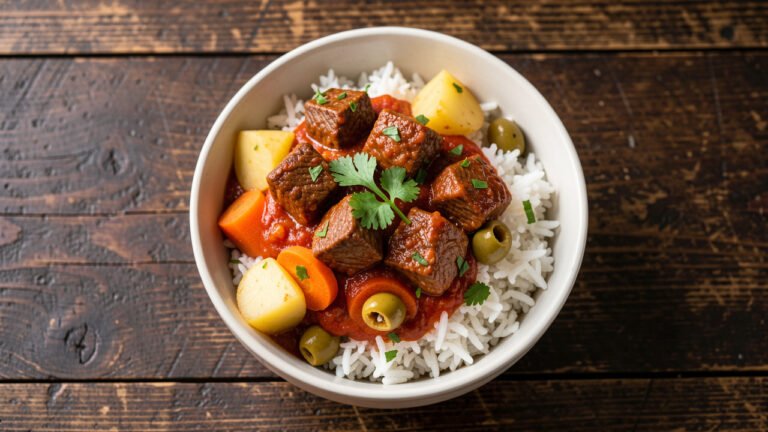
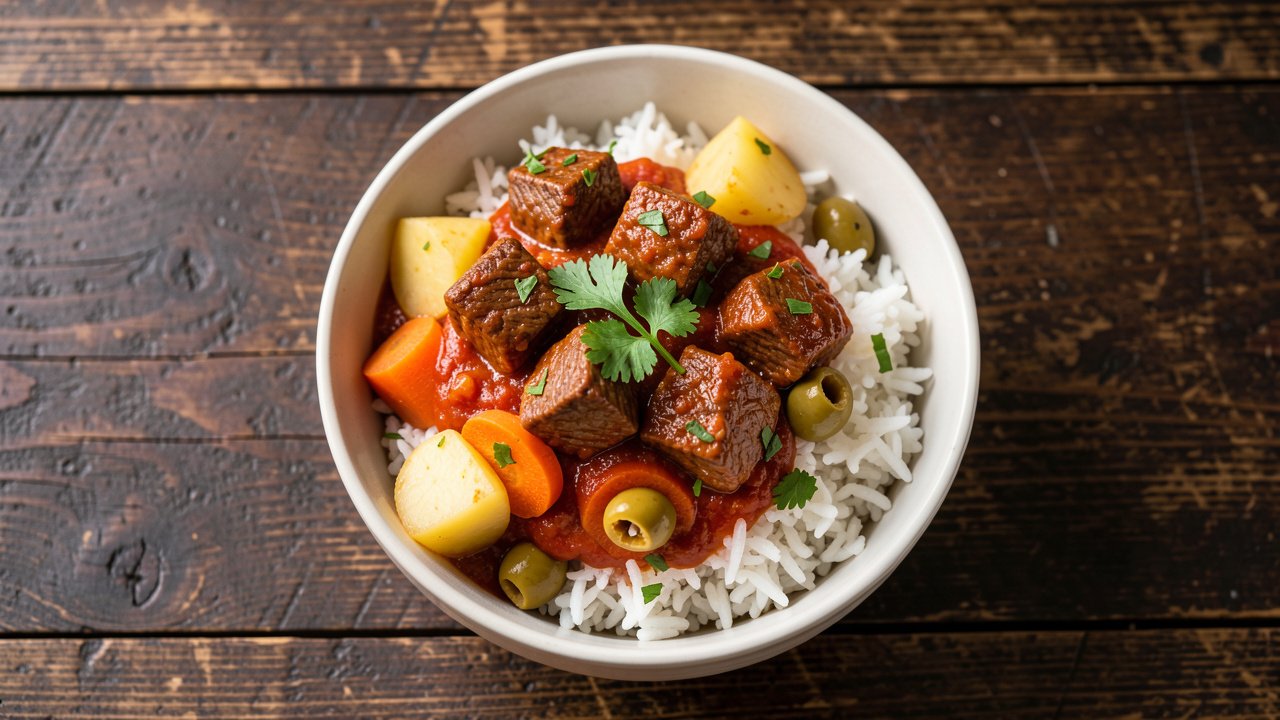
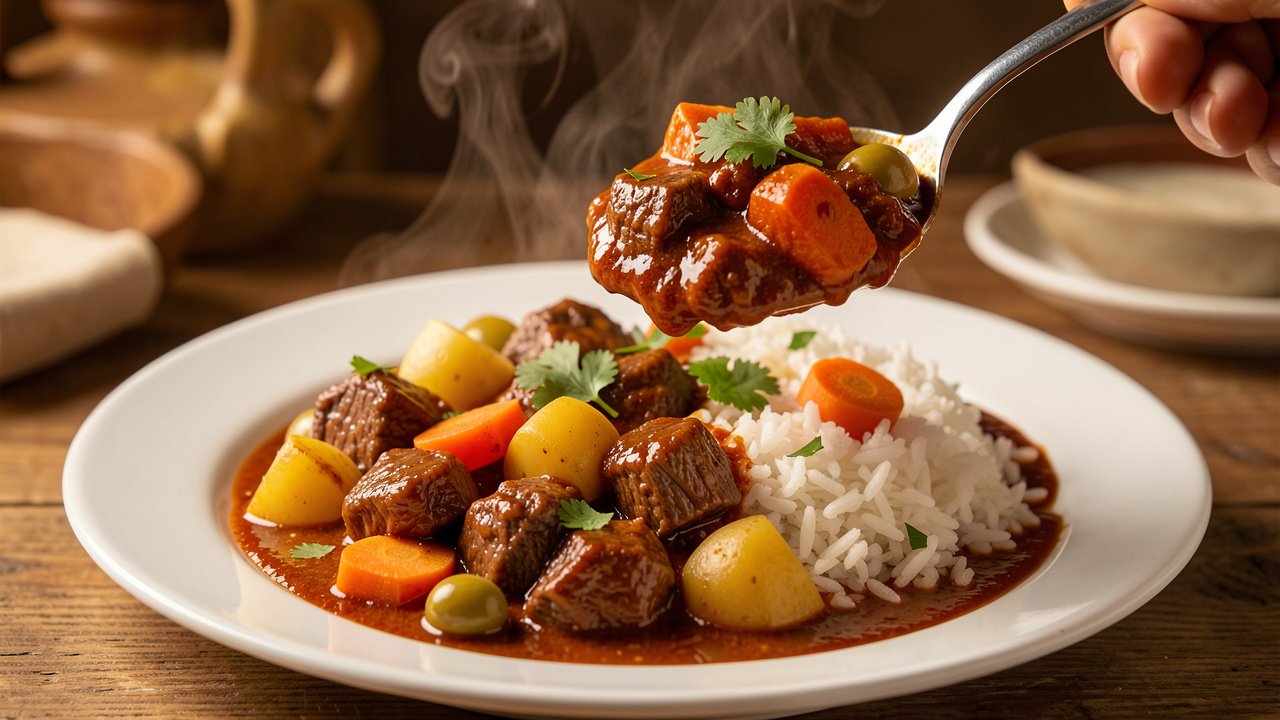
Carne guisada is the kind of stew that makes a whole kitchen smell like Sunday. It is humble weeknight food across Puerto Rican homes, built from a browned pot of beef, a spoonful of sofrito, and a can of tomato sauce, then left to braise until the meat gives way at the touch of a fork. The reward for that patience is a deeply savory gravy the color of terracotta, studded with soft potato and briny olives.
I learned quickly that this dish rewards two things: a real sear on the beef and a sofrito that actually gets cooked down rather than dumped in raw. Skip either and you get a pale, thin stew that tastes like it is missing something. Do both and you get the version people ask for seconds of.
Why This Carne Guisada Works
Great carne guisada is not complicated, but it is built on a few non-negotiable moves. The first is browning the beef in batches so each cube gets a proper crust. That crust is where the deep, roasted flavor of the gravy comes from, and you cannot fake it later by simmering harder. A crowded pot steams the meat gray, so give it room and let it be.
The second is sofrito, the aromatic blend of peppers, onion, garlic, cilantro, and culantro that forms the backbone of Puerto Rican cooking. Cooking it down in the fat left behind by the beef, until it loses its raw bite and smells sweet, is what turns a pot of meat and water into something with a soul. Raw sofrito stirred in at the end tastes exactly like what it is: raw.
The third is time. Chuck is a hardworking cut full of connective tissue, and only a long, gentle braise melts that collagen into the silky gel that gives the gravy its body. Rush it and the beef stays chewy; wait it out and the same meat turns spoon-tender.
Finally, this stew is forgiving and endlessly personal. Potato thickens it, carrot sweetens it, olives and capers brighten it. Once the method is yours, you can lean any of those dials up or down to match the night.
Pro observation: The braise is ready when a cube of beef crushes against the side of the pot with light pressure from a spoon and the gravy coats the back of that spoon. If it still resists, it simply needs more time, not more heat.
Ingredients
Kitchen Measurement Converter
Quickly convert between common cooking measurements without leaving the recipe. Pick a category, enter a value, and the result updates instantly.
Ingredient Notes & Substitutions
The Beef
Halal beef chuck is the classic choice because its marbling and connective tissue braise into tender, juicy bites. Beef shoulder or bottom round also work. Cut cubes a generous inch and a half so they hold together over the long cook.
Sofrito
Sofrito is the aromatic puree of peppers, onion, garlic, and herbs at the heart of the dish. Use homemade or a good store-bought jar. If you have none, blend a small onion, half a bell pepper, a few garlic cloves, and cilantro until smooth.
Sazon & Adobo
Sazon brings the signature warm color and savory depth, while adobo carries the garlicky salt. Both are pantry staples in Puerto Rican kitchens. If your adobo is heavily salted, hold back on extra salt until you taste at the end.
Olives & Capers
Pimento-stuffed green olives and capers give carne guisada its briny lift against the rich gravy. They are traditional and welcome here. Add them partway through so they soften without disappearing, and rinse capers if they taste very sharp.
Equipment
- Heavy Dutch oven or pot
- Wooden spoon
- Sharp knife and board
- Tongs for browning
- Measuring cups and spoons
- Ladle for serving
Before You Start
1. Pat the beef dry. Blot the cubes with paper towels before browning. A dry surface sears and colors far better than a wet one, and color is flavor here.
2. Have the sofrito ready. Measure the sofrito, tomato sauce, and seasonings before you start so you can build the pot without scrambling once the beef is browned.
3. Cut vegetables to size. Cube the potato and slice the carrot in even, sturdy pieces so they finish cooking at the same time and do not turn to mush.
Step-by-Step Instructions
Season and Sear the Beef
Pat the beef cubes dry and toss them with the adobo. Heat the olive oil in a heavy pot over medium-high heat until shimmering. Working in two or three batches so the pot is never crowded, brown the beef on at least two sides, about 6 to 8 minutes per batch. Move each finished batch to a plate.
Cook the Sofrito Base
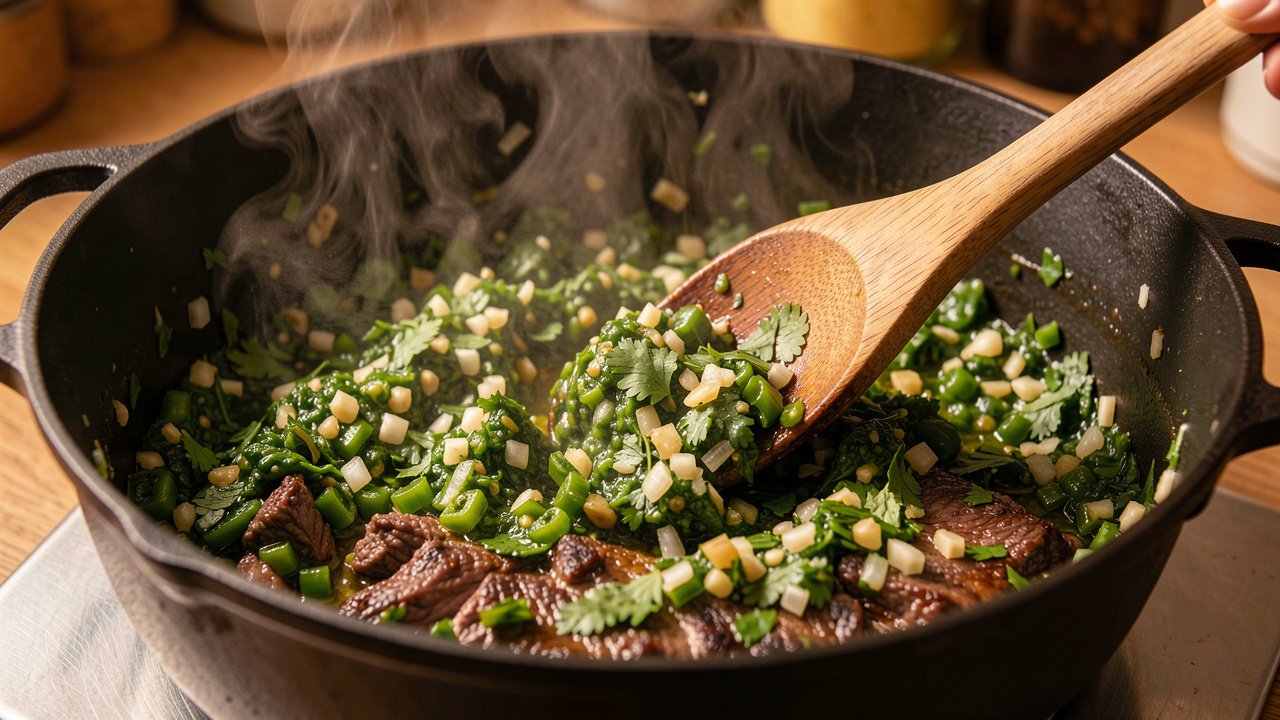
Lower the heat to medium. Add the sofrito and minced garlic to the fat and browned bits left in the pot. Cook, stirring, for 4 to 5 minutes until the raw smell is gone and the mixture turns fragrant and slightly darker. This is the flavor foundation, so do not rush it.
Build the Tomato Gravy
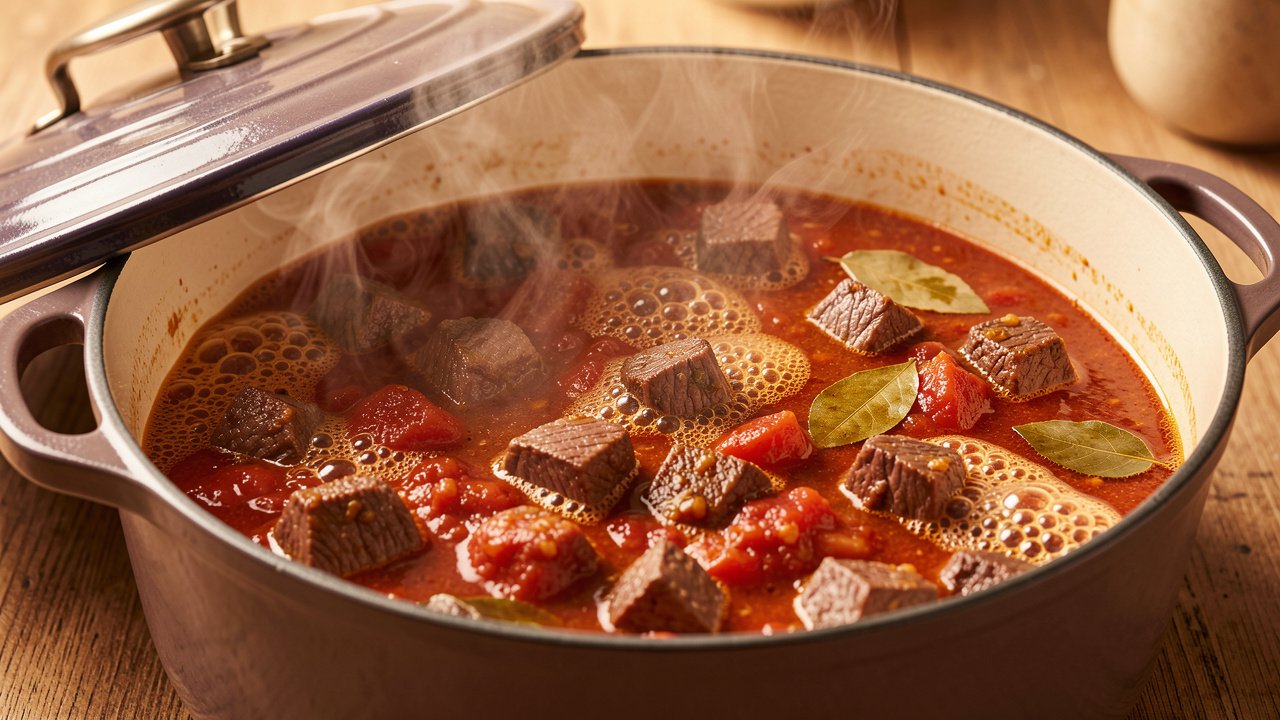
Stir in the tomato sauce, sazon, oregano, and cumin, and let them cook for 2 minutes so the tomato loses its raw tang. Return the beef and any juices to the pot, add the bay leaves, then pour in the broth until the meat is nearly covered. Scrape the bottom to lift every browned bit.
Braise Low and Slow
Bring the pot to a gentle simmer, then cover and lower the heat so it barely bubbles. Braise for 1 hour to 1 hour 15 minutes, stirring now and then, until the beef is turning tender. Keep the simmer lazy; a hard boil toughens the meat and cooks the liquid away too fast.
Add the Vegetables and Olives
Stir in the cubed potato, sliced carrot, olives, and capers. Cover again and simmer 25 to 30 minutes more, until the potato is tender and the beef is fully soft. If the gravy looks thin, uncover for the last 10 minutes to let it reduce and thicken naturally.
Finish and Serve
Fish out the bay leaves and taste the gravy, adjusting with salt or a pinch more adobo. Stir in most of the fresh cilantro and let the pot rest 5 minutes off the heat. Ladle the carne guisada over hot white rice and scatter the remaining cilantro on top.
Chef’s Tips From Real Kitchen Testing
Brown in batches and resist stirring. Let each cube sit undisturbed until it releases from the pot on its own; that is when the crust has formed and the flavor is set.
Keep the braise at a whisper, not a boil. A lazy simmer melts the connective tissue gently, while a rolling boil squeezes the beef tight and makes it stringy.
Season at the end, not just the start. Sazon, adobo, and olives all carry salt, so taste before adding more and adjust the gravy once everything has cooked together.
Recipe Variations
Serving Suggestions
- Fluffy white rice or rice and pigeon peas
- Fried sweet plantains or tostones on the side
- A simple avocado and tomato salad
- Warm crusty bread to mop the gravy
Nutrition Facts
| Nutrient | Amount per serving |
|---|---|
| Calories | 390 |
| Protein | 32 g |
| Carbohydrates | 22 g |
| Fat | 19 g |
| Saturated Fat | 6 g |
| Fiber | 3 g |
| Sugar | 5 g |
| Sodium | 820 mg |
Values are estimates per serving and vary with the exact ingredients and brands you use.
Make-Ahead Tips
Carne guisada is a rare stew that tastes even better the next day, so it is ideal to make ahead. Cook it fully, cool it, and refrigerate overnight; the gravy sets and the flavors deepen as it rests. Reheat gently on the stove with a splash of broth or water to loosen the gravy, and stir in fresh cilantro just before serving so it stays bright.
Storage, Freezing & Reheating
Common Mistakes to Avoid
Troubleshooting
Beef still tough? It simply needs more time. Connective tissue melts slowly, so keep braising gently, covered, and check again in 20 minutes rather than turning up the heat.
Gravy too thin? Uncover and simmer to reduce it, or mash one soft potato chunk against the pot and stir it in to thicken the sauce naturally.
Tastes flat? It usually wants salt and acid. Add a pinch of adobo and a few extra olives or a small splash of their brine to wake it up.
A Note on Puerto Rican Cooking
Puerto Rican home cooking runs on a small set of building blocks that show up in dish after dish. Sofrito is the first: a fragrant green puree of peppers, onion, garlic, cilantro, and culantro that many cooks keep in the freezer, ready to start any pot. Sazon is the second: a warm seasoning blend that lends the terracotta color and savory depth you see across arroz con gandules, stews, and this carne guisada. Together with adobo, these staples give the island’s food its unmistakable, comforting flavor. If you love spiced tomato bowls, browse more ideas in our tomato recipes collection, or spoon a bright tomato salsa alongside for contrast.
Frequently Asked Questions
More Tomato Recipes to Try
Last updated: September 29, 2026