Ethiopian Recipes
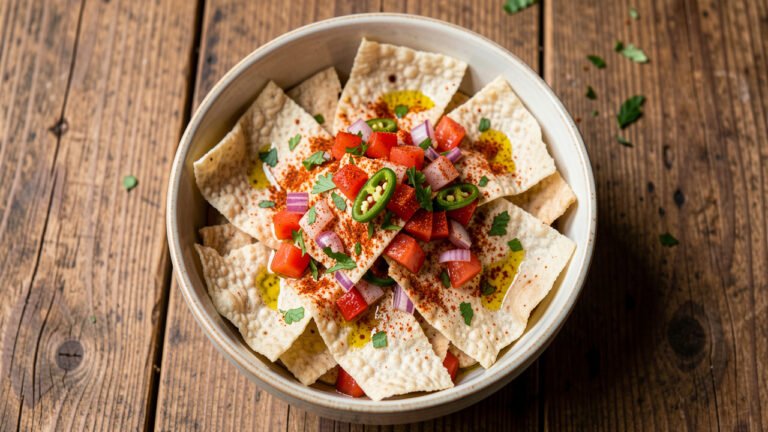
Fresh Injera Tomato Salad
Timatim fitfit is the dish I reach for when the tomatoes on the counter are perfectly ripe and turning on the stove feels like too much. The word fitfit simply means torn or shredded bread mixed with a sauce or dressing, and timatim is the Amharic word for tomato, so the name tells you exactly what you are getting: bread and tomato, tossed together. It is humble, fast, and endlessly satisfying.
Why This Timatim Fitfit Works
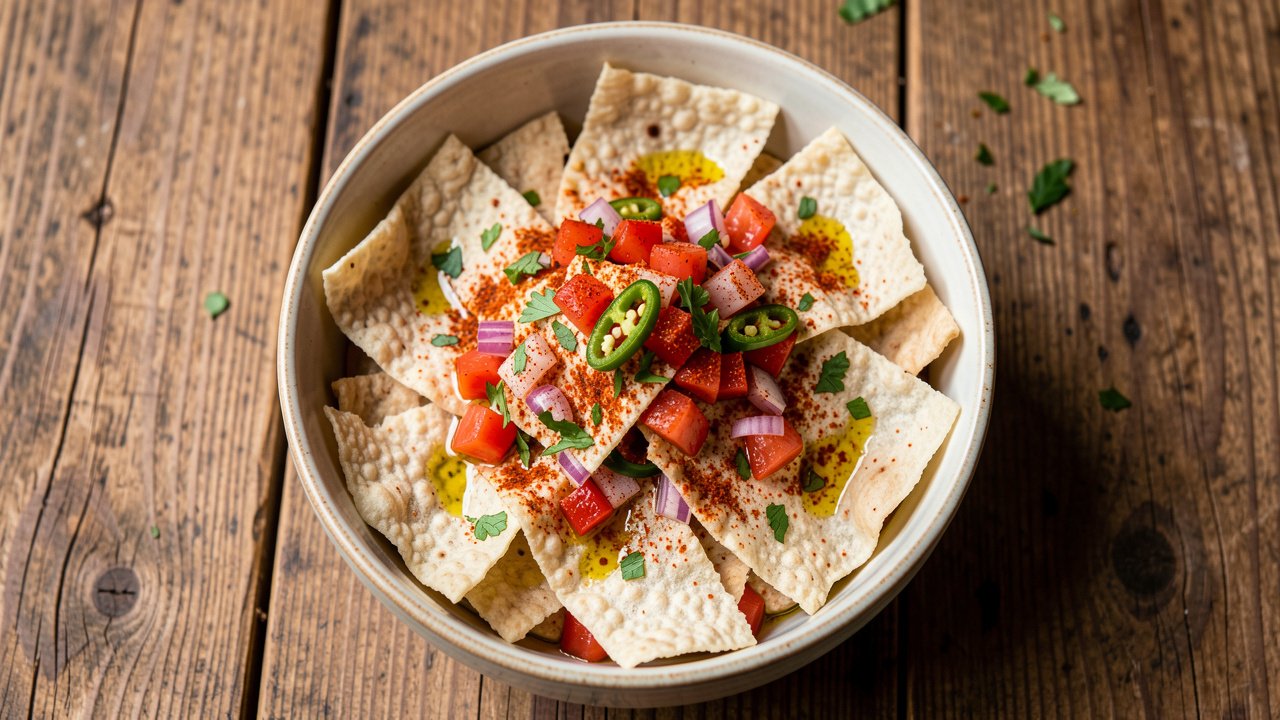
Timatim fitfit is proof that a great dish does not need heat or a long list of ingredients. It leans on contrast: cool, juicy tomato against soft, tangy injera; sharp raw onion against mellow olive oil; a whisper of berbere warmth against a bright squeeze of lemon. Every bite has a little of each, which is what keeps it from ever feeling one-note.
The magic is in how injera behaves. Because it is a spongy, slightly sour fermented flatbread, the torn pieces drink up the tomato juices and the lemony dressing without turning to mush right away. That gives you a salad with the body of a light meal, closer to an Ethiopian take on a bread salad than to a simple side of greens.
It is also a smart way to use injera that is a day or two old. Slightly dry injera actually works better here than fresh, because it holds its shape once dressed and soaks up flavor more evenly. Nothing goes to waste, and you get dinner in the time it takes to dice a few tomatoes.
Best of all, it is completely flexible. Dial the green chili and berbere up for a fiery version, or leave them out for something gentle enough for kids. Swap in whatever ripe tomatoes you have, and the dish still lands. Once you know the method, it becomes a reliable fallback whenever the kitchen is hot and the tomatoes are good.
Pro observation: Dress the tomatoes and onion first and let them sit a few minutes before the injera goes in. Salt pulls juice from the tomatoes, and that extra liquid is exactly what you want the bread to absorb.
Ingredients
Kitchen Measurement Converter
Quickly convert between common cooking measurements without leaving the recipe. Pick a category, enter a value, and the result updates instantly.
Ingredient Notes & Substitutions
Injera
Look for injera at Ethiopian or Eritrean grocers, or larger international stores. Slightly older, drier pieces hold up best. No injera on hand? See the variation below for using soft flatbread instead.
Tomatoes
Use the ripest, reddest tomatoes you can find, since they are the star. Firm-but-juicy plum or vine tomatoes dice cleanly and hold their shape. Very watery tomatoes should be seeded first.
Berbere
Berbere is the Ethiopian spice blend of chili, garlic, ginger, and warm spices. Start with a small amount, since blends vary in heat. A pinch of smoked paprika plus cayenne is a rough stand-in.
Lemon & Oil
Fresh lemon juice keeps the salad bright; lime works too. Use a good olive oil, since its flavor comes through in a no-cook dish. Balance the two by taste until the dressing tastes lively, not sharp.
Equipment
- Large mixing bowl
- Sharp knife and board
- Small bowl for dressing
- Citrus juicer or fork
- Measuring spoons
- Serving platter
Before You Start
1. Wash the produce well. Rinse the tomatoes, chili, and any fresh herbs under cool running water and pat them dry, since none of it will be cooked.
2. Taste your berbere first. Heat levels vary a lot between brands, so a quick taste tells you whether to use the full teaspoon or start with less.
3. Tear, do not cut, the injera. Tearing by hand gives ragged edges that grip the dressing far better than clean knife cuts.
Step-by-Step Instructions
Wash and Prep the Produce
Rinse the tomatoes, green chili, and cilantro under cool running water and pat them dry. Dice the tomatoes into small, even pieces, finely dice the red onion, mince the green chili, and finely chop the garlic. Because this dish is served raw, clean hands, a clean board, and dry produce all matter.
Mix the Dressing
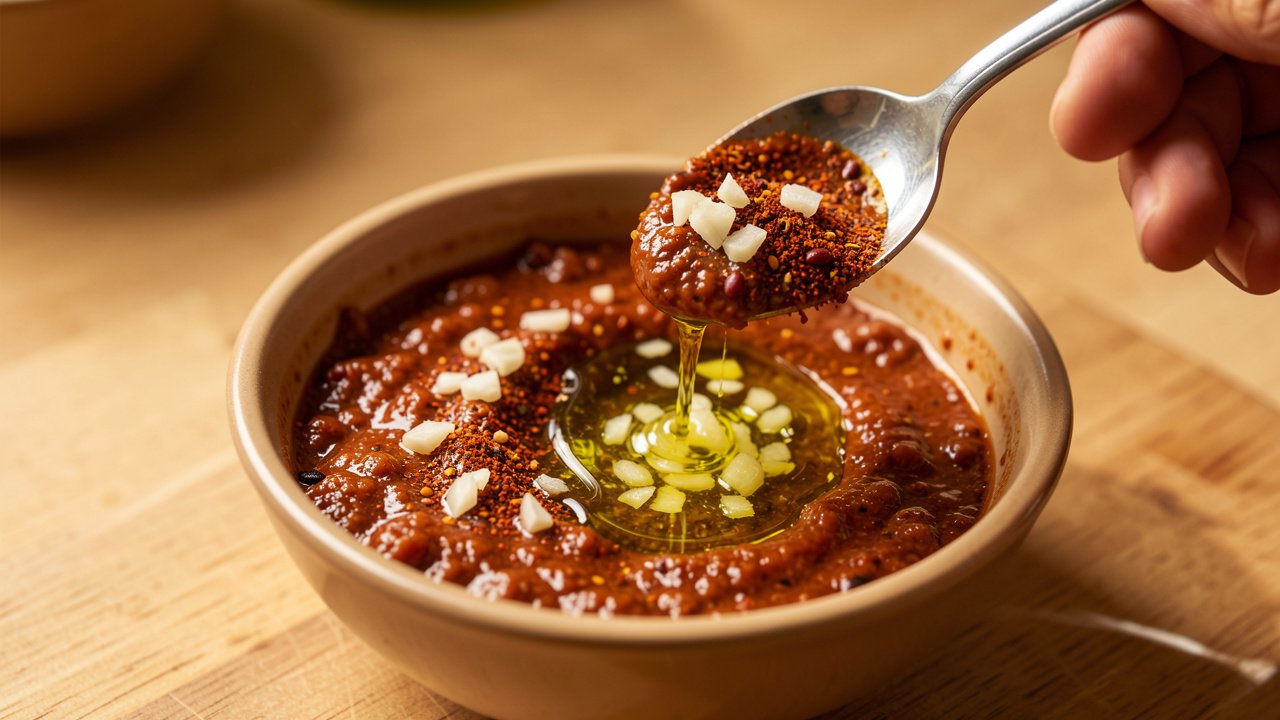
In a small bowl, whisk together the olive oil, lemon juice, minced garlic, berbere, and salt until it looks smooth and slightly rust-colored. Taste it on the tip of a spoon and adjust: more lemon for brightness, a touch more berbere for heat, or a pinch more salt for balance.
Dress the Tomatoes and Onion
Add the diced tomatoes, red onion, and green chili to a large bowl. Pour over the dressing and toss gently. Let this sit for about 5 minutes so the salt draws juice from the tomatoes and the onion softens slightly. This resting juice is what the injera will soak up in the next step.
Tear the Injera
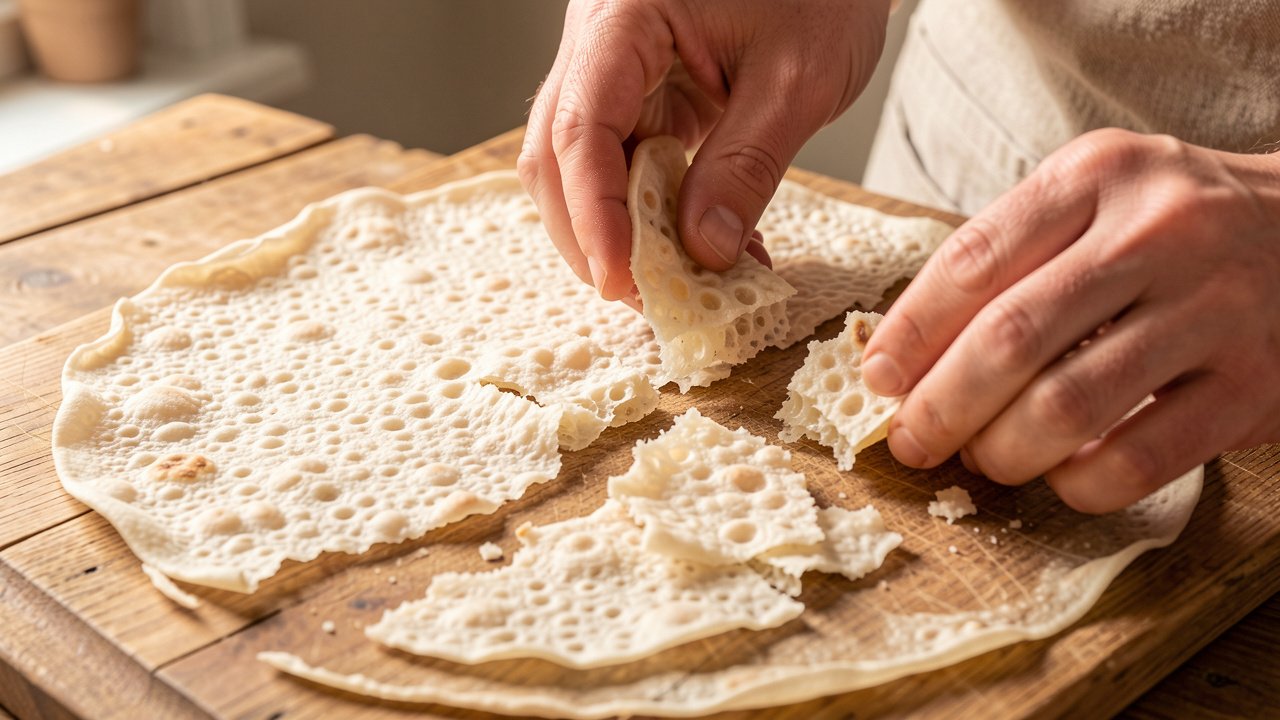
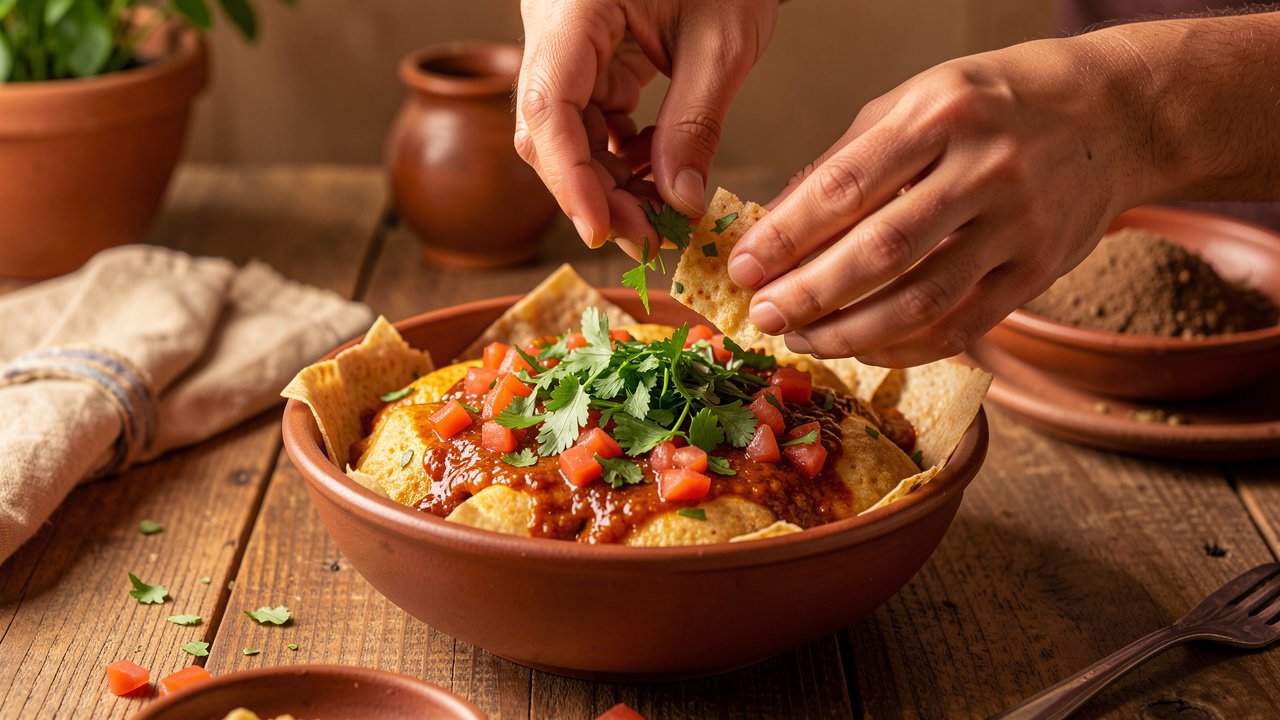
While the tomatoes rest, tear the injera into rough, bite-size pieces with your hands. Aim for shreds a little bigger than a bottle cap, so they stay distinct once dressed. Ragged, uneven edges are ideal, because they trap the tomato juices and dressing.
Toss Everything Together
Add the torn injera to the bowl of dressed tomatoes. Fold gently with your hands or two spoons until every piece is lightly coated and glistening. Work quickly and with a light touch, so the injera softens and takes on flavor without breaking down into paste.
Rest Briefly and Serve
Let the fitfit sit for 2 to 3 minutes so the flavors settle and the bread absorbs the last of the juices. Taste and adjust with a little more salt or lemon. Scatter the chopped cilantro over the top and serve right away, while the injera still has a little bite.
Chef’s Tips From Real Kitchen Testing
Add the injera last and toss just before serving. Mix it in too early and it turns soft and heavy instead of light and springy.
Let the salted tomatoes rest for a few minutes first. That released juice is the flavor the bread soaks up, so do not drain it away.
Season berbere gradually. Blends range from mild to fiery, so stir in half, taste, and add the rest only if it needs more warmth.
Recipe Variations
Serving Suggestions
- As a light lunch on its own
- Alongside lentil stew or spiced greens
- As a fresh side with grilled vegetables
- With extra injera and lemon wedges
Nutrition Facts
| Nutrient | Amount per serving |
|---|---|
| Calories | 190 |
| Protein | 4 g |
| Carbohydrates | 24 g |
| Fat | 10 g |
| Saturated Fat | 1.5 g |
| Fiber | 4 g |
| Sugar | 5 g |
| Sodium | 320 mg |
Values are estimates per serving and vary with the exact ingredients and brands you use.
Make-Ahead Tips
Timatim fitfit is at its best fresh, but you can prep ahead. Dice the tomatoes, onion, and chili and whisk the dressing up to a few hours in advance, keeping them separate and chilled. Tear the injera and toss everything together only when you are ready to serve, so the bread stays springy rather than soggy. If you must make the whole bowl ahead, expect a softer, more relaxed salad.
Storage, Freezing & Reheating
Common Mistakes to Avoid
Troubleshooting
Salad tastes flat? It usually needs more salt and a brighter squeeze of lemon to wake everything up, plus a little more berbere for depth.
Injera turned mushy? It sat too long or was mixed in too early. Fold in a handful of fresh torn injera to bring back some texture.
Too spicy? Stir in a few more diced tomatoes and a drizzle of olive oil to soften the heat, and go lighter on the berbere next time.
A Note on Ethiopian Cooking
Ethiopian food is built around injera, the tangy fermented flatbread that acts as plate, utensil, and staple all at once. Meals are shared from a communal platter, with stews and salads spooned onto a bed of injera and scooped up by hand. Fitfit, or fetfet, grew out of this tradition as a thrifty, everyday way to use injera that is a day or two old, mixing it with a sauce or, as here, with fresh tomatoes and a lively dressing. It is home cooking rather than restaurant food: quick, flexible, and shaped by whatever is in season. Treating berbere and injera with a light hand, and letting the tomatoes lead, is the surest way to keep this dish tasting the way it should.
Food Safety & Hygiene
Because timatim fitfit is served raw, a few basic habits keep it safe as well as delicious. Wash the tomatoes, green chili, and herbs thoroughly under cool running water and pat them dry before cutting. Use a clean board and knife, and wash your hands well, since you will be tearing the injera and tossing the salad by hand. Keep the finished bowl out of the danger zone by serving it soon after mixing and refrigerating any leftovers promptly rather than leaving them at room temperature.
Frequently Asked Questions
More Tomato Recipes to Try
Last updated: September 29, 2026