Italian Recipes
Pillowy Naked Ravioli
Last updated: September 29, 2026
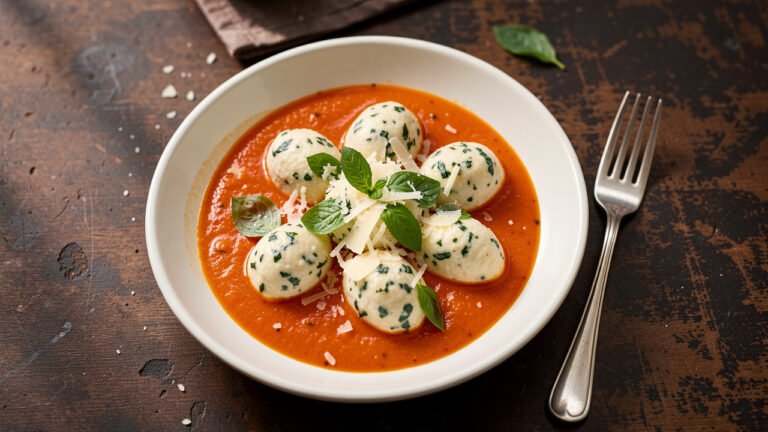
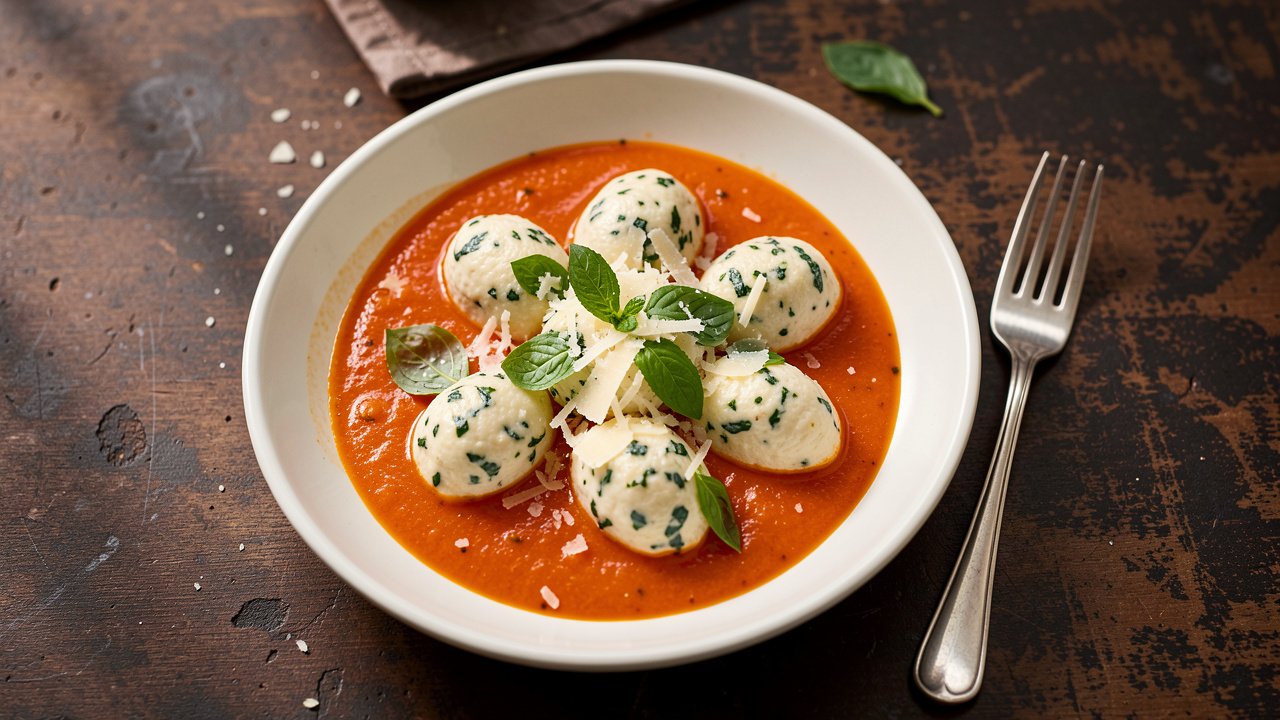
Gnudi means naked, and that is exactly what these are: the ricotta-and-spinach heart of a ravioli, served without its clothes. The first batch I ever made dissolved into cloudy shreds in the pot, because I had used wet ricotta and then tried to rescue it with flour. Both mistakes trace back to one thing, and this recipe is built around fixing it.
Why This Spinach Ricotta Gnudi Recipe Works
Everything here comes down to moisture control. Ricotta straight from the tub is holding whey, and spinach holds even more water. Every drop of that water has to be balanced with flour, and flour is what turns a light dumpling into a rubbery one. Take the water out first and you need barely any flour at all.
That is why the ricotta drains overnight in cheesecloth and the spinach gets squeezed until it squeaks. It feels fussy, but it is passive time, and it is the difference between gnudi that float up soft and gnudi that sit in your stomach like erasers.
The poaching is the second half of the equation. A hard boil batters the dumplings and tears them open, because there is no pasta shell holding them together. Barely trembling water sets the outside gently while the center stays custardy.
The sauce is deliberately plain, because gnudi are delicate and a heavy ragu would flatten them. Cooked-down tomato plus cold butter whisked in off the heat makes an emulsion that clings in a thin, shiny coat instead of pooling underneath. Tomato helps you here: it carries enough acid and pulp to hold butterfat in suspension, which is why this sauce is more forgiving than a plain butter emulsion.
Pro observation: Squeeze a handful of your ricotta over the sink. If more than a few drops run out, it is not ready. Properly drained ricotta holds its shape when you scoop it and looks matte rather than wet.
Ingredients
Kitchen Measurement Converter
Quickly convert between common cooking measurements without leaving the recipe. Pick a category, enter a value, and the result updates instantly.
Ingredient Notes & Substitutions
Ricotta
Buy whole-milk ricotta, ideally the kind sold in a basket rather than a sealed tub of stabilized curd. Skim versions are wetter and blander, and gums in cheap ricotta stop it from draining properly no matter how long you wait.
Spinach
Frozen chopped spinach is genuinely better here than fresh. It is already blanched, it costs less, and one thawed block squeezes down to a tight puck with far less effort than a mountain of fresh leaves.
Tomatoes
Canned whole peeled tomatoes crushed by hand give a rounder sauce than pre-crushed, which often tastes tinny. In peak season, four ripe fresh tomatoes, peeled and chopped, work beautifully.
Butter
It must be cold and cubed, straight from the fridge. Cold butter melts slowly enough to emulsify into the tomato. Softened butter breaks instantly and leaves a greasy slick on the surface. Cut the cubes before you start the sauce, since the swirling happens fast.
Equipment
- Cheesecloth or thin towel
- Fine sieve over a bowl
- Wide pot for poaching
- Slotted spoon
- Rimmed tray
- Wide skillet for sauce
Before You Start
1. Drain the ricotta the night before. Line a sieve with cheesecloth, set it over a bowl, spoon in the ricotta, cover, and refrigerate for at least 8 hours. You should pour off a surprising amount of whey.
2. Dust a tray with semolina. Shaped gnudi stick to anything else. Semolina keeps them loose and also gives them a faint, pleasant grit.
3. Chill everything you can. A cold mix is firmer and easier to shape, and cold butter is required for the sauce, so keep both in the fridge until the moment you need them.
Step-by-Step Instructions
Dry the Spinach Completely
Thaw the spinach, then wrap it in a clean towel and twist hard over the sink. Keep twisting past the point where you think it is done; a well-squeezed block gives up a startling amount of green water. Pull the puck apart with your fingers so it does not stay in clumps, and chop it fine.
Mix with a Light Hand
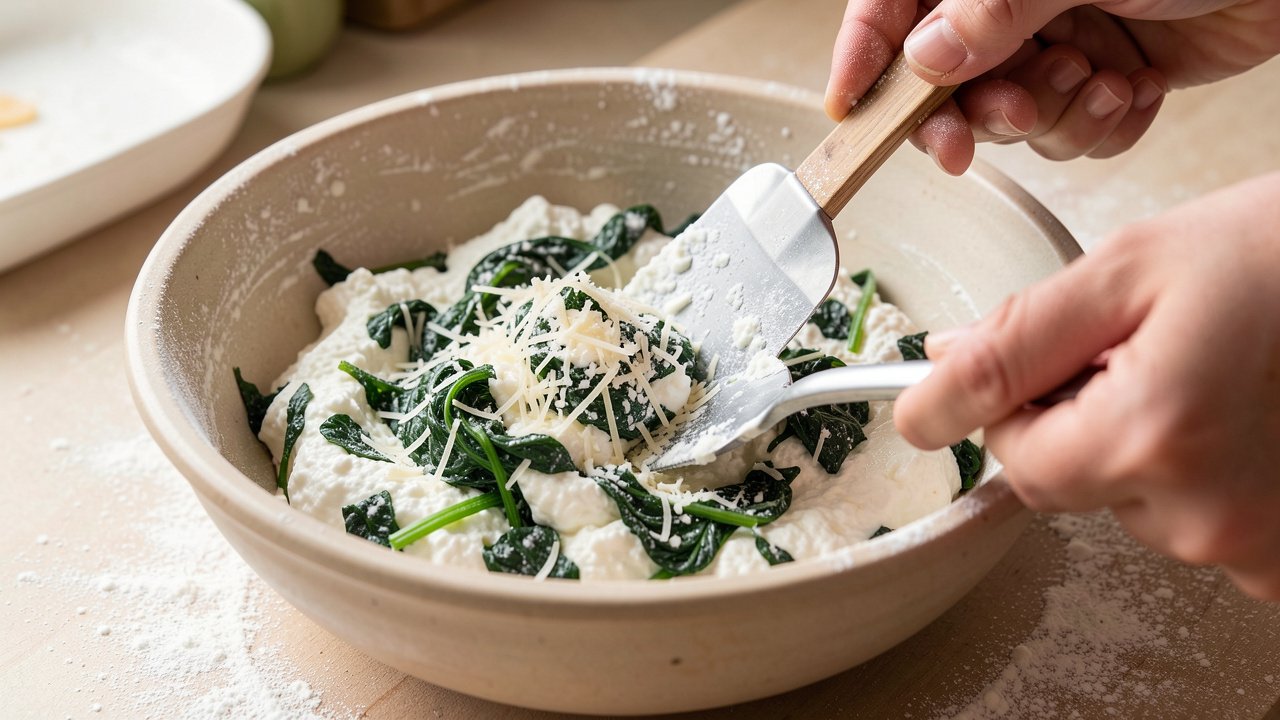
Combine the drained ricotta, spinach, parmesan, egg yolks, nutmeg, salt, and pepper in a bowl. Fold with a spatula just until no dry pockets remain. Sprinkle the flour over the top and fold again, maybe ten strokes. The more you work it, the tighter the gnudi get, so stop early. The mix should hold a soft mound on a spoon.
Poach a Test Gnudo First
Bring a wide pot of well-salted water to a bare simmer. Roll one walnut-sized ball, drop it in, and watch. If it holds together and floats up within about three minutes, your mix is right. If it starts shedding or falls apart, fold in another tablespoon of flour and test again. One test dumpling saves the whole batch, which is why it is worth the three minutes.
Ricotta varies more than almost any other ingredient in this recipe, so no flour amount printed on a page can be exactly right for the tub in your fridge. The test tells you the truth about the mix in front of you. Eat the test gnudo too: it tells you whether the salt and nutmeg are where you want them, and seasoning is much easier to fix now than after everything is rolled.
Shape and Rest on Semolina
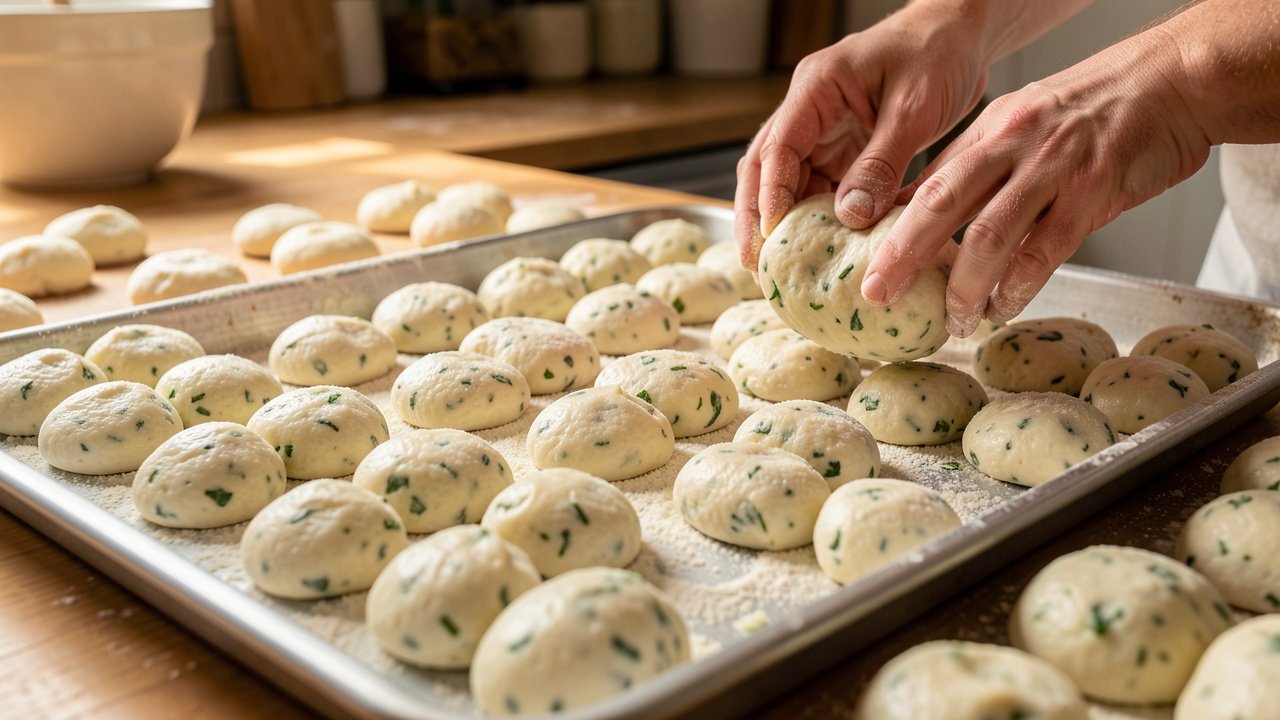
Scoop tablespoon-sized portions and roll them between lightly floured palms into loose balls about an inch and a half across. Do not compress them; you are coaxing a shape, not packing a snowball. Set each one on the semolina tray and refrigerate for at least 20 minutes so they firm up before poaching.
Build the Tomato Base
Warm the olive oil in a wide skillet over medium heat and cook the sliced garlic for a minute, just until it smells sweet and turns pale gold. Pull it before it browns; scorched garlic turns bitter and there is nowhere for that bitterness to hide in a sauce this simple. Crush the tomatoes in with your hands, add the sugar and a pinch of salt, and simmer 10 to 12 minutes until it thickens enough to leave a clear trail when you drag a spoon through it. Season it now, while you still can. Then take the pan off the heat entirely.
Poach the Gnudi and Mount the Butter
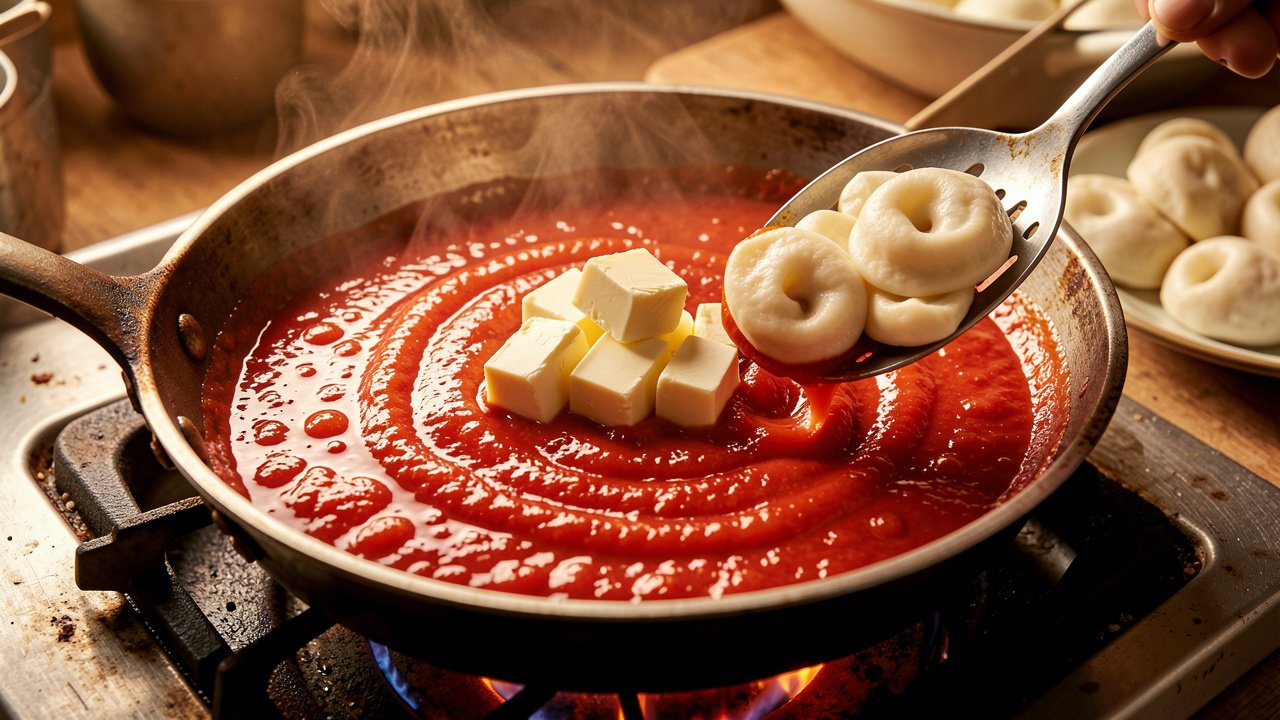
Slide the gnudi into the barely simmering water in batches and cook 3 to 4 minutes, until they bob to the surface and hold there for 30 seconds. Lift them out with a slotted spoon. Meanwhile, drop the cold butter into the off-heat tomato a few cubes at a time, swirling the pan constantly until the sauce turns glossy and slightly pale. If it stops looking shiny, it has split. Add the gnudi, a spoonful of the poaching water, basil, and serve at once.
Chef’s Tips From Real Kitchen Testing
Weigh your ricotta after draining, not before. Two pounds of wet ricotta commonly loses a quarter of its weight in whey, and knowing the real number tells you whether your flour amount is honest.
Use egg yolks only, never whole eggs. The whites are mostly water and they set rubbery, which is precisely the texture you are trying to avoid.
Salt the poaching water like pasta water. The gnudi season from the outside in during those few minutes, and unsalted water leaves them tasting oddly blank in the middle.
Recipe Variations
Serving Suggestions
- Warm shallow bowls, never plates, so the sauce pools
- A shower of parmesan and torn basil at the table
- A sharp green salad with lemon to cut the butter
- Crusty bread for the sauce left in the bowl
Nutrition Facts
Values are estimates per serving and vary with the ricotta and the amount of salt in the poaching water.
Make-Ahead Tips
The mix can be made a day ahead and kept covered in the fridge, where it actually firms up and becomes easier to shape. Shaped gnudi hold on their semolina tray, uncovered, for about four hours. The tomato base can also sit ready in the pan, but do not add the butter until the gnudi are poached and you are seconds from serving, because a mounted sauce will not survive reheating.
Storage, Freezing & Reheating
Common Mistakes to Avoid
Troubleshooting
Gnudi falling apart in the pot? The mix is too wet. Fold in a tablespoon of flour, chill 15 minutes, and test one before committing the rest.
Gnudi tough and bouncy? Too much flour or too much mixing. Next batch, drain longer and fold fewer strokes rather than adding more flour.
Sauce split into oil and pulp? It got too hot. Pull it off the burner, add a splash of poaching water, and whisk hard until it pulls back together.
A Note on Gnudi and Tuscan Cooking
Gnudi come from Tuscany, where cooks have long treated the ravioli filling as good enough to stand alone. The name is a wink at that: a ravioli that forgot its clothes. Tuscan cooking rewards restraint, and the tomato butter sauce here follows the same logic. If you like that spare approach, our tomato basil pasta and fresh tomato sauce without sugar come from the same school.