Mexican Recipes
Pasta with Tomato Lime Sauce Recipe Creamy Tex-Mex Pasta
Last updated: September 29, 2026
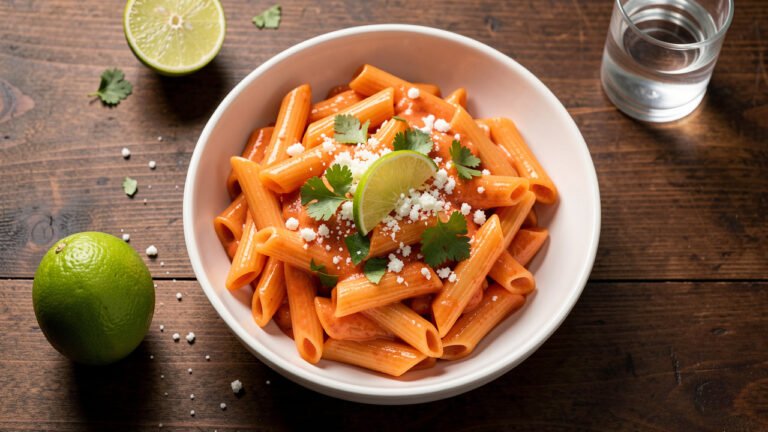
The first time I made this I rushed the tomato paste and drowned everything in cream a minute later. It tasted flat and heavy, like a sauce that had skipped a step. The sauce is genuinely excellent, but only if you respect two rules: let the tomato paste caramelize until it turns brick red, and give it real time to simmer with a splash of broth before the cream goes in.
Why Lime and Jalapeno Make This Sauce
The flavor here does not come from one loud ingredient. It comes from layering. Tomato paste fried until it darkens gives the sauce a deep, roasted backbone that plain canned tomatoes never reach on their own. That caramelized base is what makes the finished plate taste like it simmered for an hour when it only took twenty minutes.
A splash of vegetable broth loosens the paste and lets it spread evenly through the pan, so every ridge of penne picks up that concentrated tomato flavor instead of a few pasty clumps. Simmering the broth down also seasons the whole sauce from the inside, which is why it tastes rounder than a sauce built on water alone.
Cream is what pulls it all together. A little fat softens the acidity of the tomato and gives the sauce that glossy blush color, and it clings to penne ridges the way a thin tomato sauce never quite does. The trick is adding it gently over low heat so it folds in smoothly instead of splitting.
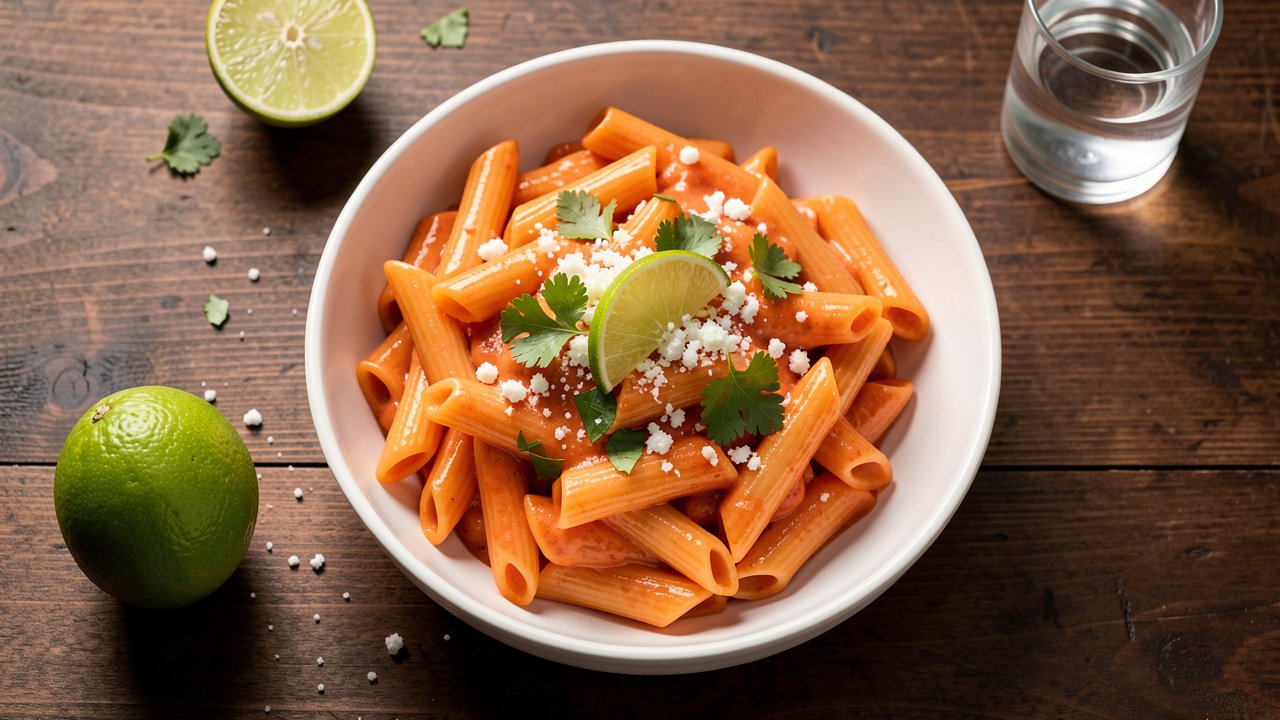
Lime is the counterweight. Cream and tomato together get heavy fast, and a sharp acidic finish cuts straight through the fat so the last bite tastes as bright as the first. Cilantro and jalapeno are what pull the whole thing across the border from Italy into Tex-Mex territory.
Pro observation: Lean over the pan right after the tomato paste goes in, then again two minutes later. The first smell is sharp and tinny. The second is tomato, deep and sweet. That change is your signal that the paste has caramelized and the sauce is ready for broth and cream.
Ingredients
Kitchen Measurement Converter
Quickly convert between common cooking measurements without leaving the recipe. Pick a category, enter a value, and the result updates instantly.
Ingredient Notes & Substitutions
Vegetable Broth
Use a low-sodium vegetable broth so you can control the seasoning yourself. A splash loosens the tomato paste and carries its roasted flavor through the pan. Warm broth blends in faster than cold, and a good broth adds a savory depth that plain water cannot. Mushroom broth works too if you want the base even deeper.
Tomatoes
Canned crushed tomatoes give the most consistent body here. San Marzano style are less acidic and need less balancing. Whole peeled tomatoes crushed by hand also work and give a slightly chunkier sauce.
Cream and Cheese
Heavy cream holds up to the acid without curdling. Half-and-half is thinner and riskier. Cotija adds a salty, crumbly Mexican edge; parmesan is the easy swap and melts more smoothly into the sauce.
Lime and Jalapeno
Fresh limes only. Bottled juice tastes flat and slightly bitter, which is the opposite of what this sauce needs. Seed the jalapeno for gentle warmth, or leave a few seeds in if you want the heat to show up.
Equipment
- Large pot for pasta
- Wide deep skillet
- Microplane or zester
- Sharp knife and board
- Measuring cup for pasta water
- Tongs
Before You Start
1. Measure the broth into a cup first. Having it ready by the stove means you can add it the moment the tomato paste darkens, before the paste has any chance to scorch on the hot pan.
2. Zest the limes before juicing them. Zesting a squeezed lime half is miserable. Take the zest off while the fruit is still firm and round.
3. Salt the pasta water properly. About a tablespoon per four quarts. You will use that starchy water to finish the sauce, so it needs to taste seasoned.
Step-by-Step Instructions
Get the Pasta Water Going
Bring a large pot of well-salted water to a boil. Do not add the pasta yet. The sauce takes about 20 minutes and the pasta takes about 11, so you want the water hot and waiting rather than the pasta sitting cooked and gluing itself together.
While it heats, mince the shallots, garlic, and jalapeno, zest and juice the limes, and measure the broth into a small cup. Everything after this moves quickly.
Build the Aromatic Base
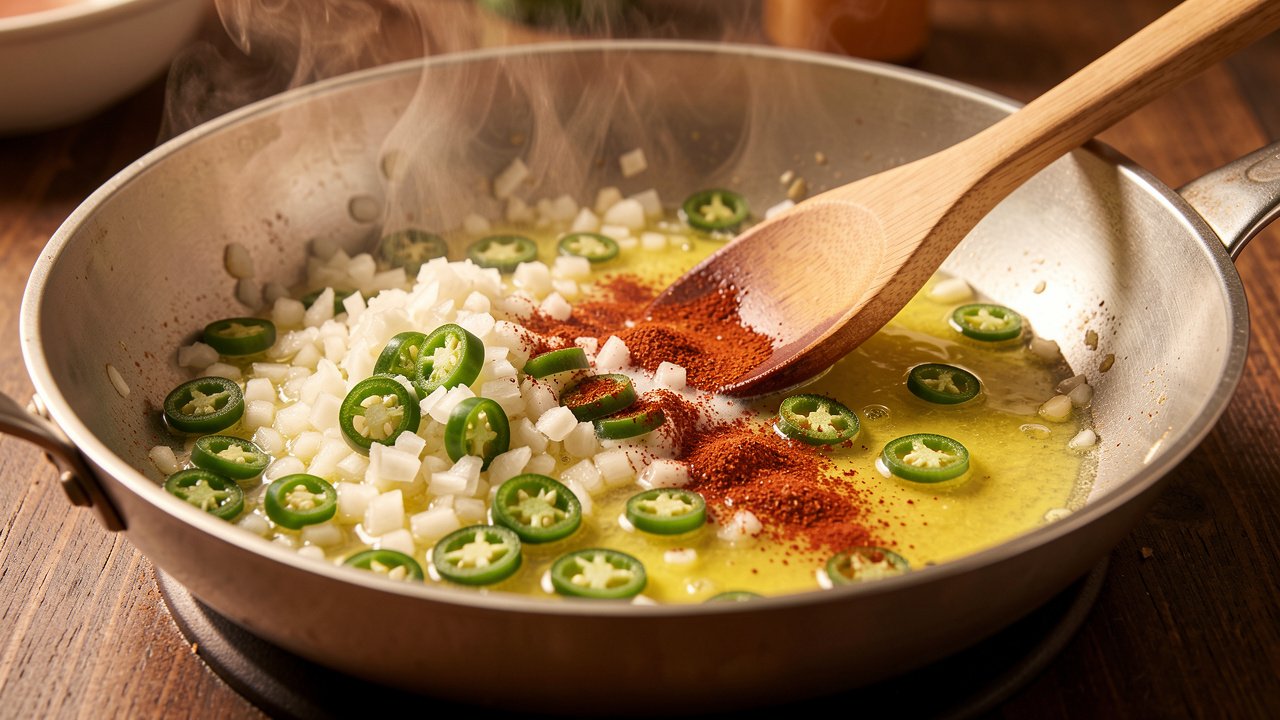
Warm the olive oil and butter in a wide skillet over medium heat until the butter foams and settles. Add the shallots and jalapeno with a pinch of salt and cook 4 to 5 minutes, stirring, until the shallots are translucent and slipping apart. Add the garlic and smoked paprika and cook 45 seconds more, just until the garlic smells sweet instead of raw.
Cook Out the Tomato Paste
Add the tomato paste and stir it around the hot pan for a full 2 minutes. Watch the color: it starts bright red and turns to a deeper brick shade, and the smell shifts from tinny to sweet and roasted. That darkening is the sugars caramelizing, and it is where the sauce gets its backbone.
Pour in the crushed tomatoes, add the salt and black pepper, and let it bubble gently for 5 minutes until it thickens enough that a spoon dragged across the pan leaves a track for a second or two.
Add the Broth and Simmer
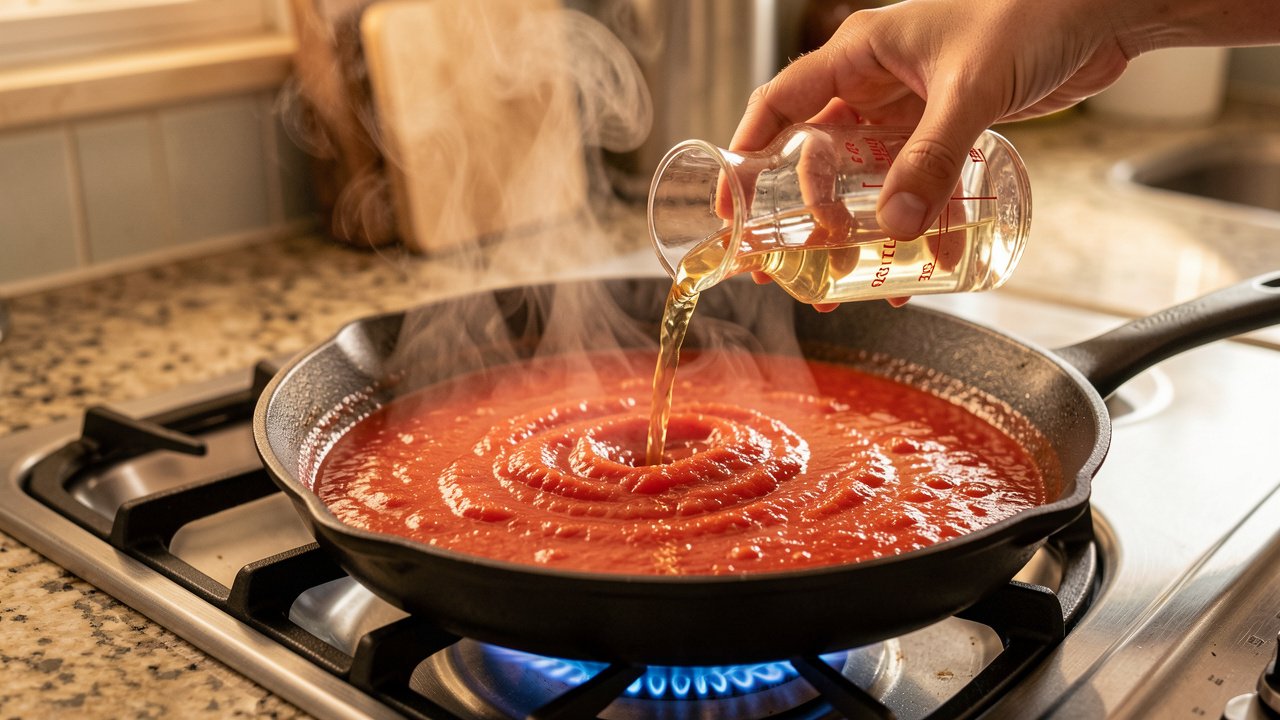
This is the step that builds the depth of the sauce. Pour the broth in from your measured cup and stir it through, scraping up any caramelized tomato paste stuck to the bottom of the pan. Those browned bits are pure flavor, and the broth lifts them back into the sauce.
Keep the pan at medium heat and simmer for a full 2 to 3 minutes, stirring. You are letting the broth reduce so the sauce concentrates rather than staying watery. The sauce will look slightly thinner and looser as the broth goes in, then tighten back up as it cooks down and gets ready for the cream.
Cream In, Pasta In
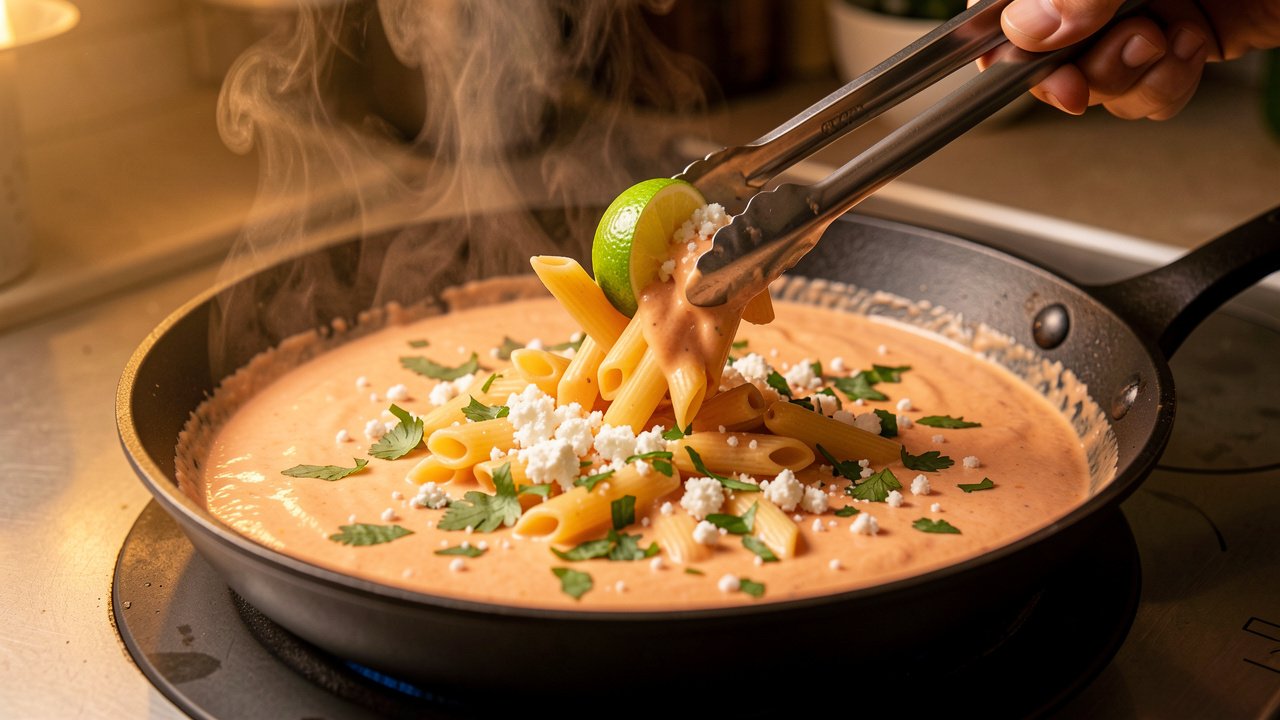
Drop the pasta into the boiling water now and cook it 1 minute short of the package time. Meanwhile, lower the skillet to medium-low and pour in the cream, stirring as it goes. The sauce turns a pale blush orange within seconds. Let it barely bubble for 3 to 4 minutes to come together.
Scoop out a mug of pasta water before you drain. Move the drained pasta straight into the skillet with a splash of that water and toss hard for a minute. The starch and the sauce grab each other and the pasta goes from sitting in sauce to wearing it. Add more water a spoonful at a time if it looks tight.
Lime and Cilantro, Off the Heat
Kill the heat. Now add the lime juice, the zest, most of the cilantro, and the cheese, and toss. Lime goes in last for a reason: simmer it and the aromatic oils cook away while the remaining acid turns dull and faintly bitter. Added at the end, it stays sharp and green.
Taste and adjust. It usually wants a little more salt and a little more lime than you expect. Serve straight away with the rest of the cilantro and extra cheese on top.
Chef’s Tips From Real Kitchen Testing
Taste the sauce right before the cream goes in. If it tastes thin or sharp, the broth has not reduced enough yet. Give it another minute at a simmer so the tomato flavor concentrates before the cream softens it.
Pick a ridged shape. Penne rigate, rigatoni, and mezze maniche hold this sauce far better than smooth penne lisce or long strands, which let it slide straight to the bottom of the bowl.
Bring the cream closer to room temperature while you cook. Fridge-cold cream dropped into an acidic tomato pan is the most common cause of a grainy, broken sauce.
Save more pasta water than you think you need. The sauce keeps drinking it as it sits, and a splash at the table brings a stiff bowl right back to glossy.
Recipe Variations
Serving Suggestions
- Charred corn with lime and chili salt
- A crisp romaine salad with cotija
- Warm bread or bolillo rolls for the sauce
- Cold Mexican lager or sparkling limeade
Nutrition Facts
Values are estimates per serving and vary with the pasta, cream, and cheese you use. Using low-fat cream or less cheese lowers the calories and fat noticeably.
Make-Ahead Tips
The sauce is the make-ahead part; the pasta is not. Cook the sauce through the cream stage, cool it, and refrigerate up to 3 days. Hold back the lime, zest, cilantro, and cheese entirely.
At dinner time, warm the sauce gently while the pasta boils, toss the two together with pasta water, then add the lime and herbs off the heat. A sauce finished with lime on Monday tastes tired by Wednesday, which is exactly why you leave it out.
Storage, Freezing & Reheating
Common Mistakes to Avoid
Troubleshooting
Sauce tastes thin or watery? The broth did not reduce enough. Return the pan to a simmer for a few minutes to concentrate it before the cream goes in.
Sauce broke or looks grainy? The cream was too cold or the pan too hot. Off the heat, whisk in a splash of warm pasta water to bring it back.
Tastes bitter rather than bright? The lime went in too early. Balance it with a pinch of sugar and a fresh squeeze of juice off the heat.
Sauce slides off the pasta? It needs more starchy water and a harder toss, and the shape may be too smooth to grip.
A Note on Tex-Mex Pasta
This dish is a mashup and does not pretend otherwise. The bones are a creamy Italian-American tomato pasta; the accent is Tex-Mex. Building the base on roasted tomato paste and vegetable broth, then finishing with lime, jalapeno, and cilantro, is the kind of border cooking that happens whenever two pantries share a kitchen. It is a pasta, not a soup, and it sits in a different place on the table than our fresh tomato salsa. If you want more tomato pasta in this family, try our tomato basil pasta for something lighter, our spicy tomato shrimp pasta for heat with seafood, or browse the full set of tomato sauce recipes.