Seychellois Recipes
Creole Coconut Fish Curry (Kari Pwason)
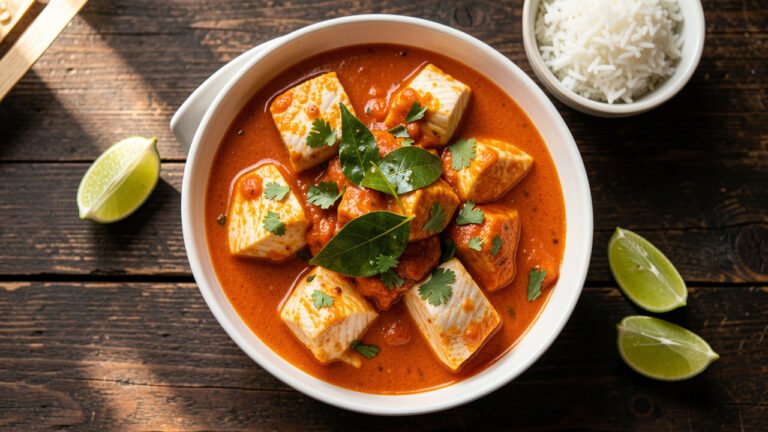
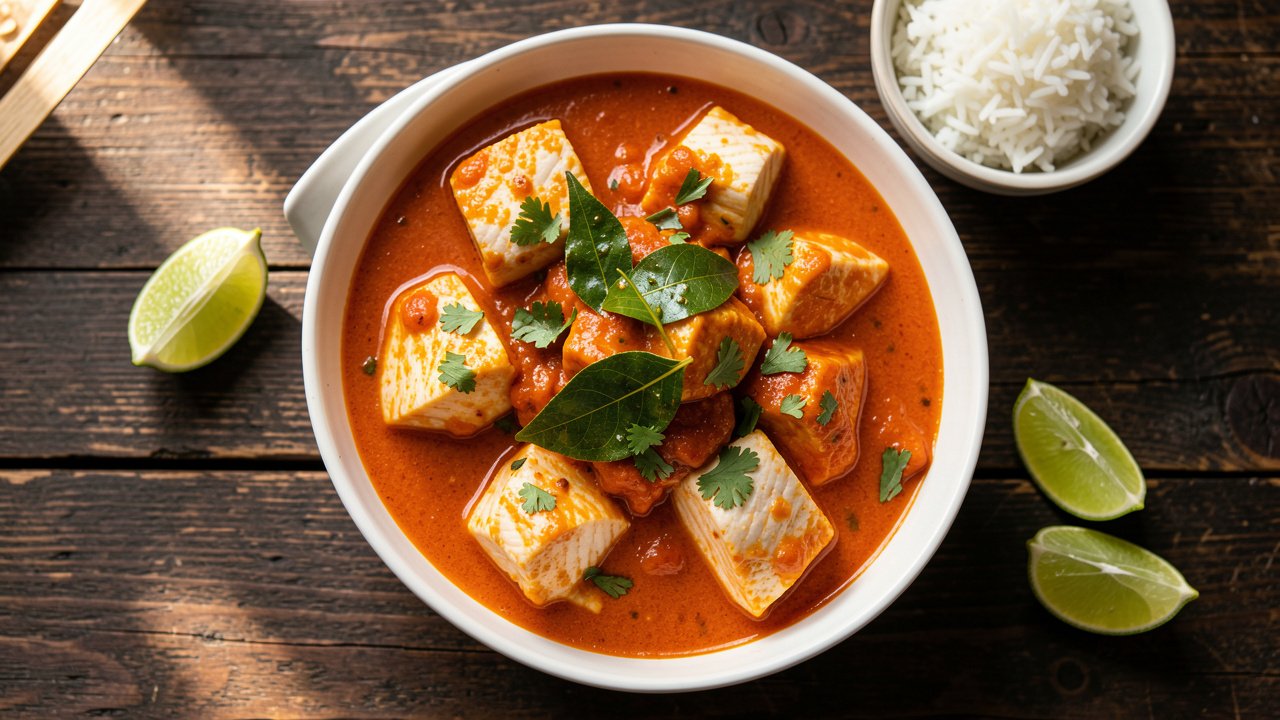
This is the kind of curry that tastes like a warm coastal kitchen. The tomato base is bright and savory, the coconut milk softens the edges, and the tamarind keeps every spoonful lively so it never turns heavy. The fish stays in tender flakes because it barely cooks at all, poached in a sauce you have already built to taste. I learned early that the fish goes in last and cooks the least; the first time I let it bubble too long, the pieces broke apart into mush and lost that clean, just-set texture.
Why This Seychellois Fish Curry Works
Seychellois Creole cooking is built on a quiet balance of savory, sweet, sour, and fragrant, and this curry hits all four without a long shopping list. The tomatoes and onion give a deep savory base, the coconut milk lends a gentle sweetness and body, the tamarind brings the sour lift, and the curry leaves with the mild masala carry the fragrance. Nothing shouts over anything else, which is exactly why it tastes so at home on an island table.
The single most important idea is restraint with the fish. You build and season the sauce fully before the fish ever touches the pan, then slide the pieces in and let them poach in the barely-simmering liquid. Firm white fish only needs a few minutes to turn opaque and flaky, so the sauce does the heavy lifting and the fish stays clean and tender rather than dry or rubbery.
Cooking the tomatoes down properly before the coconut milk goes in is the other quiet secret. You want them collapsed and jammy so the base tastes deep and rounded, not raw and watery. Turmeric and the mild masala bloom in the oil first, so their warmth is cooked through by the time the sauce comes together, and a small pour of coconut milk is enough to turn the whole thing silky without drowning the tomato flavor.
It is also forgiving and flexible. The same base happily takes snapper, kingfish, mackerel, or any firm halal white fish, and it scales up easily for a crowd. Once you have the method in your hands, you can turn a few pantry staples and whatever fresh fish you find into a bright, comforting dinner any night of the week.
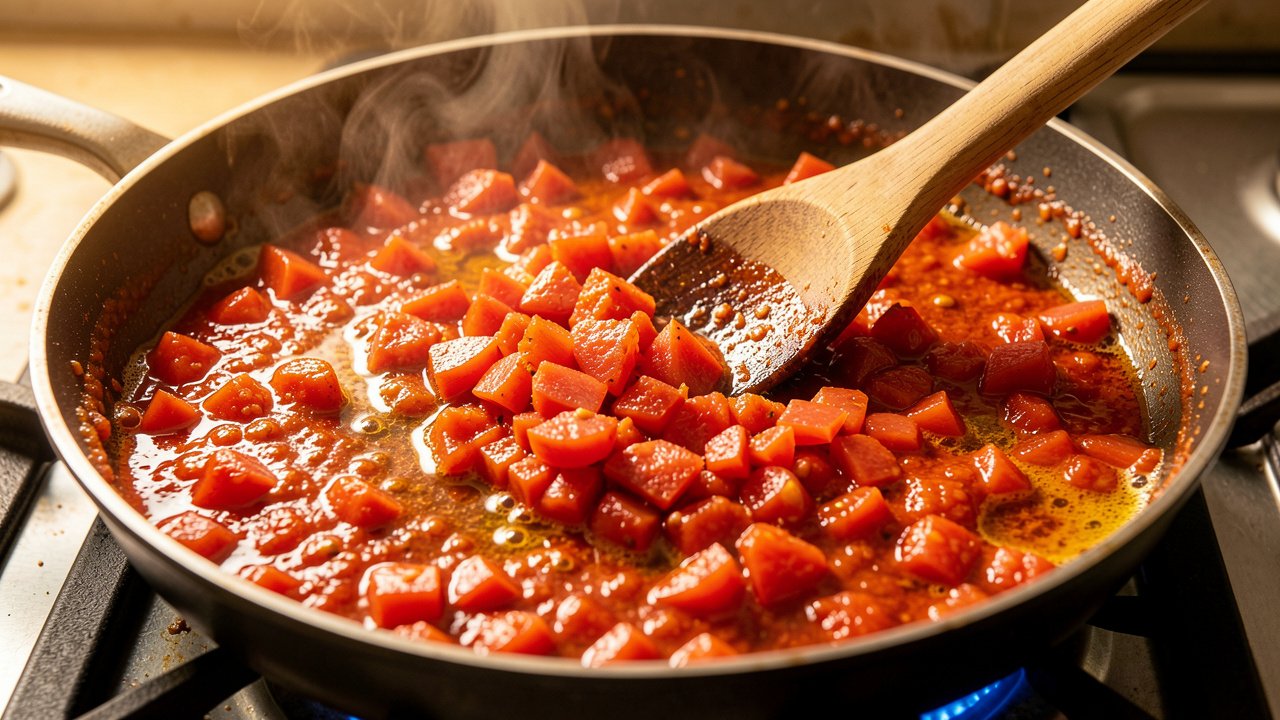
Pro observation: The tomato base is ready for the coconut milk when the oil starts to separate and pool at the edges of the pan. That glossy sheen means the spices have cooked through and the raw, sharp edge is gone.
Ingredients
Kitchen Measurement Converter
Quickly convert between common cooking measurements without leaving the recipe. Pick a category, enter a value, and the result updates instantly.
Ingredient Notes & Substitutions
Fish
Use a firm halal white fish that holds together in a sauce, such as snapper, kingfish, grouper, or cod. Cut it into large chunks so the pieces stay intact. Frozen fillets work well when thawed and patted dry first.
Tomatoes
Ripe, red tomatoes give the best sweet-tart base. Out of season, one 14-ounce can of chopped tomatoes is often more reliable than pale fresh ones and keeps the sauce deep in color.
Coconut Milk
A small pour of full-fat coconut milk is all you need for richness without hiding the tomato. Shake the can well before measuring, and freeze the rest in a small tub for the next batch.
Tamarind
Tamarind paste gives the authentic island tang. If you do not have it, a squeeze of fresh lime juice at the end is the closest easy swap. Add it gradually and taste as you go.
Equipment
- Wide, heavy pan or saute pan
- Wooden spoon
- Sharp knife and board
- Fine grater or microplane
- Measuring spoons
- Small bowl for spices
Before You Start
1. Pat the fish dry and cut it evenly. Blot the fillets with paper towels and cut them into large, even chunks so they cook at the same rate and hold their shape in the sauce.
2. Measure the spices first. Turmeric, mild masala, cumin, and coriander bloom fast, so have them ready in a small bowl by the stove before the base is going.
3. Cook your rice alongside. This curry is built to be served over steamed white rice, so start the rice before you begin the sauce and it will be ready together.
Step-by-Step Instructions
Prep the Fish and Aromatics
Pat the fish chunks dry and season them lightly with a little salt and a pinch of the turmeric, then set aside. Finely chop the onions, mince the garlic, grate the ginger, and chop the tomatoes and any green chili. Measure the ground spices into a small bowl so they are ready to add together.
Build the Aromatic Base
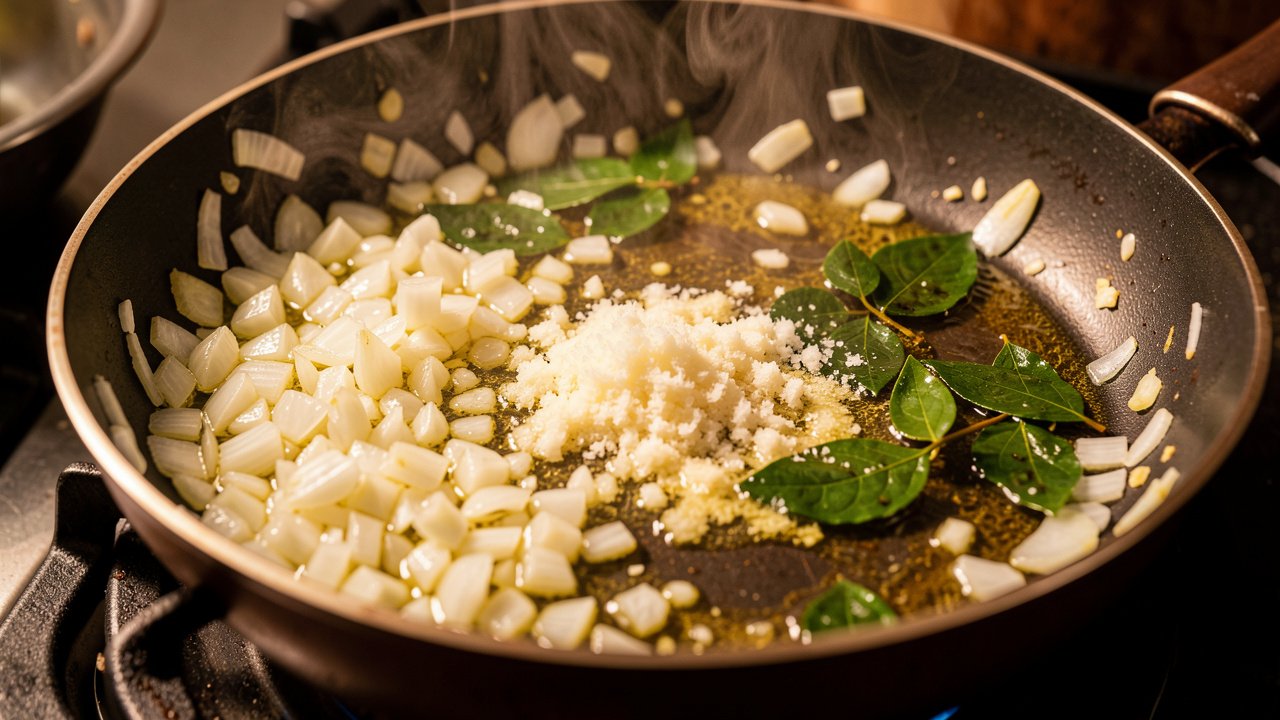
Heat the coconut oil in a wide pan over medium heat. Add the curry leaves and let them sizzle for about 10 seconds until fragrant, then add the chopped onion and cook 6 to 7 minutes until soft and golden at the edges. Stir in the garlic and ginger and cook 1 minute more, until the raw smell disappears and the mixture smells sweet and fragrant.
Bloom the Spices
Add the ground turmeric, mild masala, cumin, and coriander to the pan and stir for about 30 seconds, until the spices smell toasted and coat the onions. Keep the heat moderate so they bloom in the oil rather than scorch; if the pan looks dry, add a small splash of the water or stock to keep things moving.
Cook the Tomato Base
Add the chopped tomatoes, the green chili if using, and the salt. Cook 8 to 10 minutes, stirring, until the tomatoes collapse into a thick, jammy sauce and the oil starts to separate at the edges. This is the flavor foundation, so give it the time it needs rather than rushing to the next step.
Add Coconut Milk and Tamarind
Pour in the coconut milk and the water or stock and stir into a smooth, orange-red sauce. Stir in the tamarind paste, bring it to a gentle simmer, then taste and adjust with more salt or tamarind for balance. You want a loose, spoonable sauce, so add a splash more water if it looks too thick before the fish goes in.
Poach the Fish and Serve
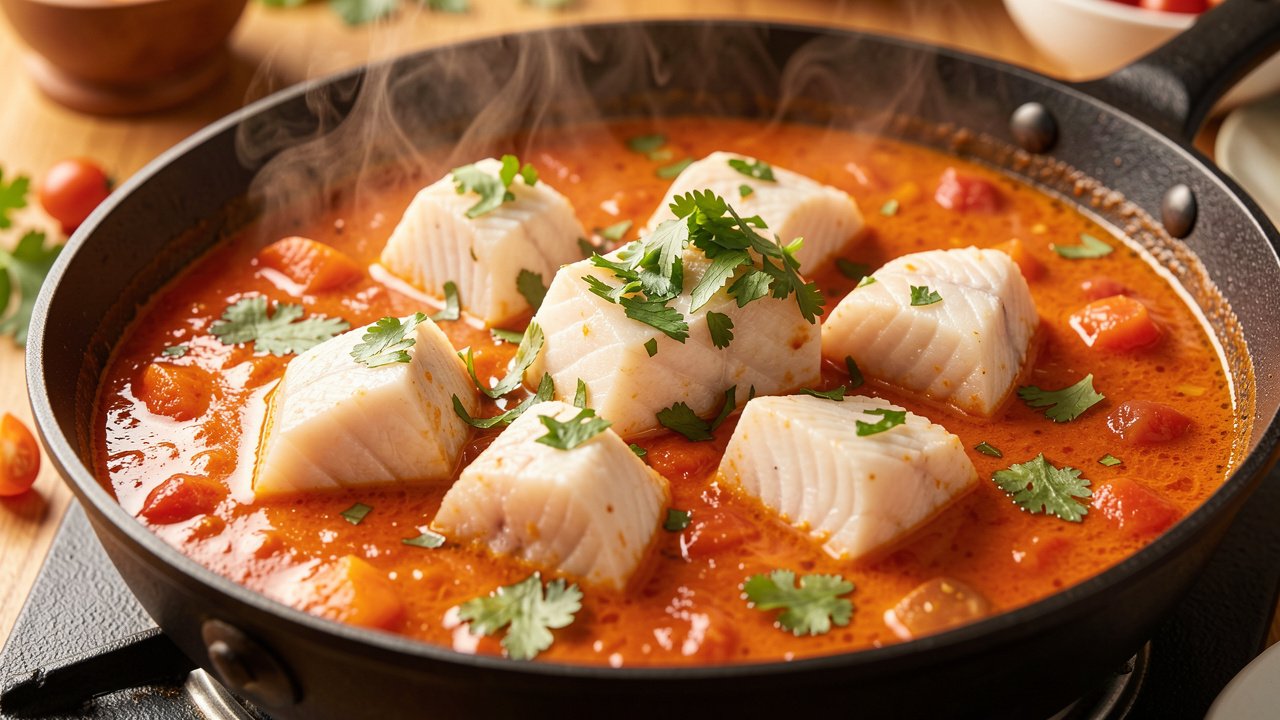
Slide the fish chunks into the barely simmering sauce in a single layer and spoon a little sauce over the top. Cover and cook gently for 6 to 8 minutes, until the fish is opaque and flakes easily, reaching an internal temperature of 145 degrees F (63 degrees C). Do not stir hard, or the pieces will break. Scatter the fresh cilantro over the top and serve hot over steamed rice, with lime wedges on the side.
Chef’s Tips From Real Kitchen Testing
Add the fish last and keep the sauce at a bare simmer. Firm white fish only needs a few minutes to turn opaque, and a hard boil is what breaks the pieces apart.
Bloom the ground spices in the oil for half a minute before the tomatoes go in. It deepens their flavor and removes any dusty, raw taste from the masala.
Add tamarind at the end and in stages. It is easy to overdo the sourness, and you can always add more but you cannot take it back out.
Recipe Variations
Serving Suggestions
- Steamed white rice or coconut rice
- A simple lentil dal or steamed greens on the side
- A cooling cucumber and tomato salad
- Lime wedges and extra fresh cilantro
Nutrition Facts
| Nutrient | Amount per serving |
|---|---|
| Calories | 340 |
| Protein | 32 g |
| Carbohydrates | 12 g |
| Fat | 18 g |
| Saturated Fat | 9 g |
| Fiber | 3 g |
| Sugar | 6 g |
| Sodium | 640 mg |
Values are estimates per serving and vary with the exact ingredients and brands you use.
Fish Food-Safety Note
For safe eating, cook the fish until it reaches an internal temperature of 145 degrees F (63 degrees C), which is when it turns opaque and flakes easily with a fork. Start with the freshest fish you can find, keep it chilled until you cook, and if you are using frozen fillets, thaw them in the fridge and pat them dry before adding to the sauce. Leftovers should be cooled quickly and refrigerated within two hours.
Make-Ahead Tips
The sauce is the perfect thing to make ahead, and it actually improves as the flavors settle. Build the tomato coconut base through the tamarind step, then cool and refrigerate it for up to two days. When you are ready to eat, bring the sauce back to a gentle simmer, loosen it with a splash of water, and poach the fresh fish in it just before serving. Cooking the fish to order keeps every piece tender rather than overdone from reheating.
Storage, Freezing & Reheating
Common Mistakes to Avoid
Troubleshooting
Curry tastes flat? It usually needs salt and a touch more tamarind or a squeeze of lime to wake up the flavors.
Fish fell apart? The sauce was too hot or stirred too much. Next time keep it at a bare simmer and spoon sauce over the fish instead of stirring.
Too sour or too thick? Balance sourness with a small pinch of sugar or an extra splash of coconut milk, and loosen a thick sauce with a little warm water.
A Note on Seychellois Cooking
Seychellois Creole food grew out of the islands’ place in the Indian Ocean, where African, Indian, French, and island cooks met and shared their kitchens. That is why a single pot can carry curry leaves and masala alongside tomatoes, garlic, and coconut, all pointed toward the sea and the day’s catch. Tamarind, lime, and other sour notes are a signature, brightening the richness of coconut and the fresh fish that anchors so many island meals. If you enjoy building bright, tomato-forward dishes, browse more ideas in our tomato recipes collection or try a fresh, zippy tomato salsa to serve on the side.
Frequently Asked Questions
More Recipes to Try
Last updated: September 29, 2026