Hawaiian Recipes
Chilled Hawaiian Tomato and Salmon Side
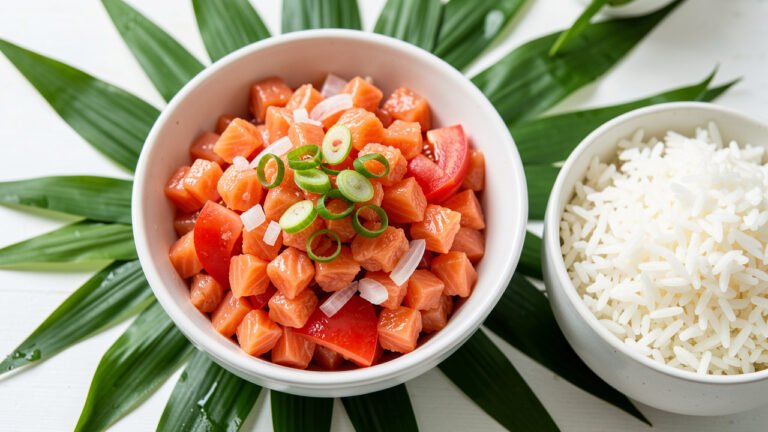
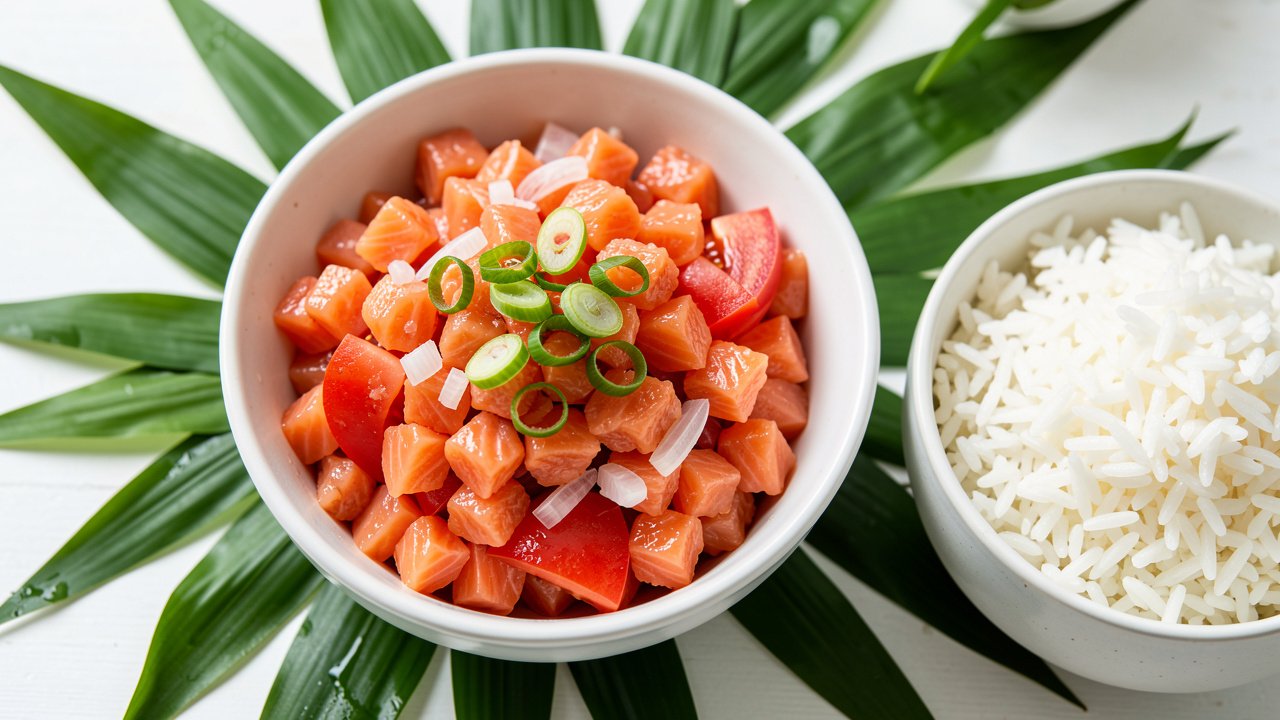
If you have ever been to a Hawaiian luau, you have almost certainly had a small scoop of lomi lomi salmon tucked next to the kalua and the poi. It is bright, cold, and salty in the best way, a little relish of cured salmon and tomato that cuts through everything richer on the plate. The word lomi means to massage, and that is exactly how it is made: you gently work the salmon, tomato, and onion together with your hands until it becomes one glossy, savory mixture.
The first time I made it, I was too gentle with the cure and too heavy with the mixing, so it came out bland and mushy. The fix was simple: cure the salmon with real intent, rinse it well, and toss just enough to combine. Get those two things right and this is one of the easiest, most refreshing sides you can put on a summer table.
Why This Lomi Lomi Salmon Works
Lomi lomi salmon is proof that a handful of humble ingredients can turn into something you cannot stop eating. There is no cooking, no sauce, and no long list of seasonings. The flavor comes entirely from the contrast between salty cured salmon, sweet ripe tomato, and sharp fresh onion, all softened and married by a chill in the fridge.
The salt cure is the heart of it. A light cure firms the salmon, seasons it through, and gives it that signature savory bite without any heat. Because you rinse and soak the salmon after curing, you control exactly how salty the finished dish is, which is the difference between a scoop you crave and one that makes you reach for water.
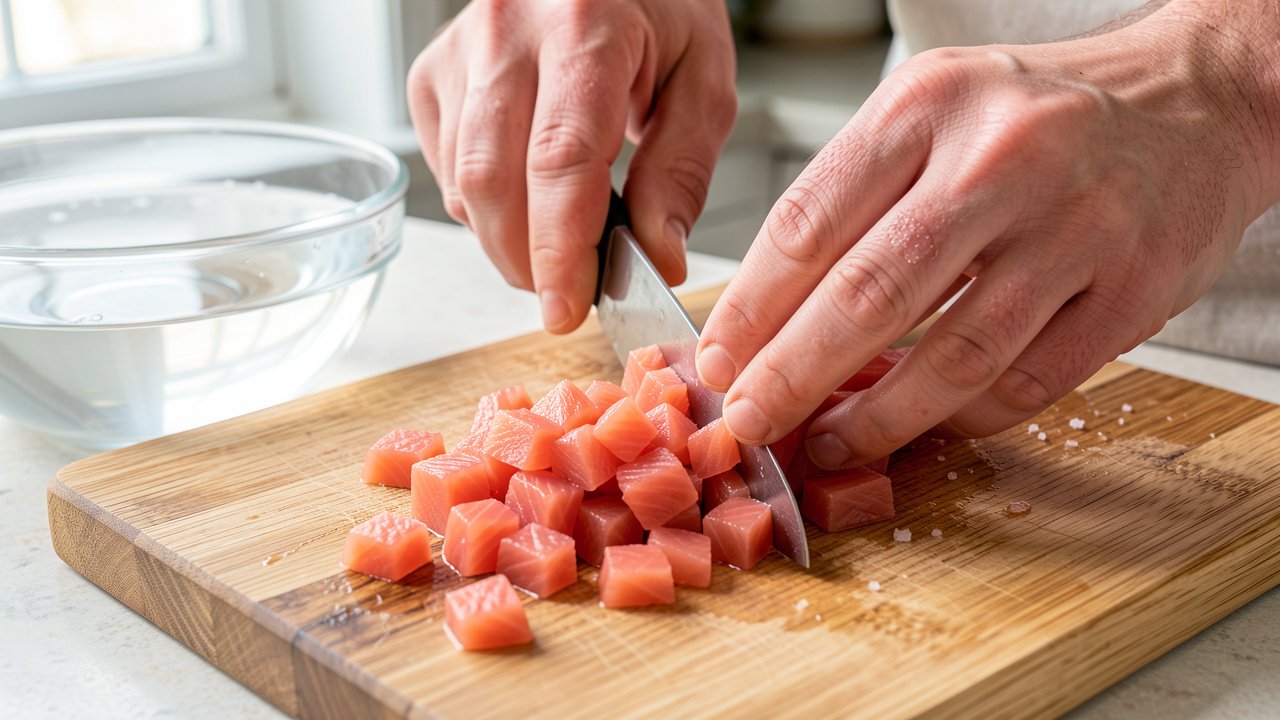
Dicing everything small and evenly matters more than people expect. When the salmon, tomato, and onion are cut to about the same tiny size, every forkful carries all three flavors at once, and that balance is the whole point of the dish.
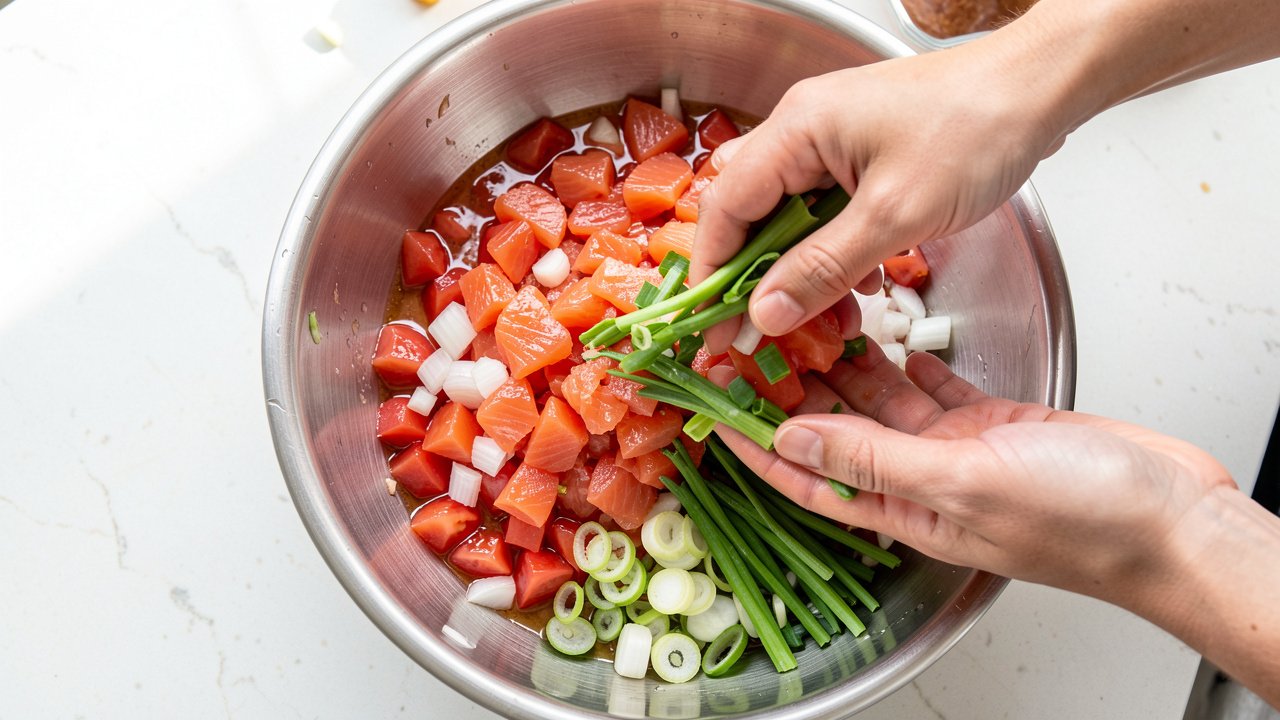
Finally, the gentle lomi, the hand massage that gives the dish its name, is what pulls it together. You are not mashing anything into a paste; you are coaxing the tomato juices and the salt from the salmon to coat every piece, so the mixture tastes unified rather than like a chopped salad.
Pro observation: The dish is ready when the tomatoes have released a little juice at the bottom of the bowl and everything looks glossy and coated. If it still looks dry and separate, give it another gentle toss and a few more minutes in the cold.
Food Safety With Cured Salmon
Cold is your friend throughout this recipe. Work with chilled salmon, keep the bowl over ice if your kitchen is warm, and return the mixture to the fridge the moment it is combined. Do not leave it out at room temperature for more than about two hours.
Ingredients
Kitchen Measurement Converter
Quickly convert between common cooking measurements without leaving the recipe. Pick a category, enter a value, and the result updates instantly.
Ingredient Notes & Substitutions
Salmon
Use very fresh, high-quality skinless salmon, ideally sushi-grade if you plan to keep the cure light. A firm, deeply colored fillet holds its shape when diced. Frozen-then-thawed salmon that was flash-frozen at sea also works well and is a practical choice.
Tomatoes
Ripe, meaty tomatoes are essential since they carry the freshness. Firm slicing tomatoes or Roma give you neat dice and less watery pulp. Scoop out the seedy centers so the mixture does not turn soupy.
Onions
Sweet Maui onion is traditional and mild. If you cannot find it, a Vidalia or other sweet onion is the closest match. A sharp yellow onion works too, but soak the dice in cold water for a few minutes to tame its bite.
Salt
Coarse sea salt or Hawaiian salt is best for the cure because it draws moisture gently. Kosher salt also works. Avoid fine table salt for curing, as it packs tightly and can over-salt the fish quickly.
Equipment
- Sharp knife and board
- Large mixing bowl
- Shallow dish for curing
- Colander or strainer
- Paper towels
- Airtight container
Before You Start
1. Chill everything. Cold salmon dices cleanly and stays safe. Keep the fillet in the fridge until the moment you cure it, and chill your serving bowl too.
2. Taste as you rinse. After curing, rinse and soak the salmon and taste a small piece. It should be pleasantly salty, not harsh. Soak longer if it is too strong.
3. Drain your tomatoes. Dice the tomatoes, then let them drain in a colander while the salmon cures. This is the single best way to keep the finished dish from turning watery.
Step-by-Step Instructions
Salt-Cure the Salmon
Pat the salmon dry and lay it in a shallow dish. Rub the coarse salt over all surfaces, cover, and refrigerate for 2 to 3 hours. The salt will firm the flesh and draw out moisture, seasoning the salmon through. For a firmer, more traditional cure, you can leave it up to overnight, which makes it saltier and denser.
Rinse, Soak, and Dice
Rinse the cured salmon well under cold running water to wash off the surface salt. Soak it in a bowl of cold water for 10 to 20 minutes, then taste a small piece; it should be savory, not sharp. If it is still too salty, soak a little longer. Pat completely dry and dice into small, even cubes, roughly a quarter inch.
Prep the Tomatoes and Onions
Finely dice the tomatoes, scooping out the watery seed cores, and let them drain in a colander. Finely dice the sweet onion to match the tomato, and thinly slice the green onions. If your onion is sharp, soak the dice in cold water for a few minutes, then drain well so it does not overpower the salmon.
Lomi Everything Together
Add the diced salmon, drained tomatoes, sweet onion, and green onions to a large chilled bowl. Using clean hands, gently massage, or lomi, the mixture, squeezing lightly so the tomato juices and the salt from the salmon coat every piece. Do not mash it; you want distinct pieces bound by a glossy, savory juice. Season with a little black pepper and taste.
Chill Thoroughly
Cover the bowl and refrigerate for at least 1 hour so the flavors marry and the dish gets properly cold. This rest is not optional; it is when the mixture goes from a chopped salad to true lomi lomi salmon. If your kitchen is warm, set the bowl over a larger bowl of ice while it chills.
Serve Cold
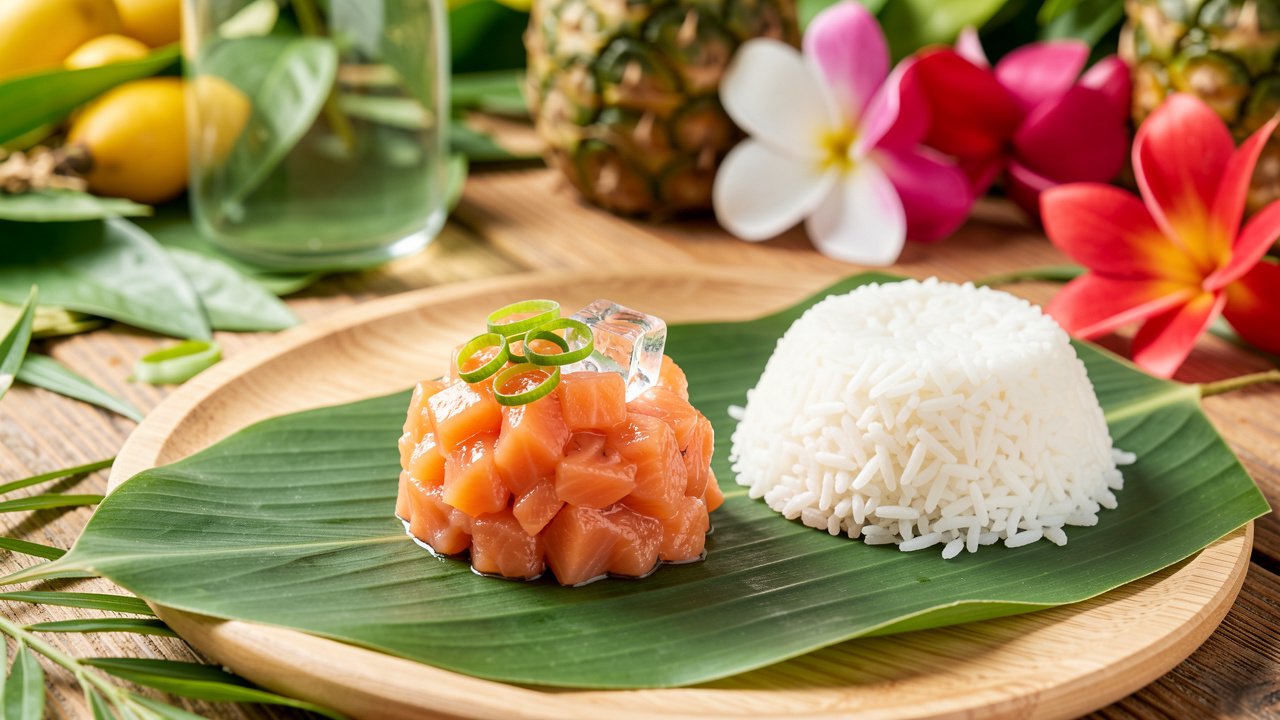
Just before serving, give it a final gentle toss and taste for seasoning. Spoon over a couple of ice cubes if you want it extra cold and glistening, the traditional touch. Serve it well chilled in small scoops as a side or relish, with steamed rice and any richer mains alongside.
Chef’s Tips From Real Kitchen Testing
Always taste the salmon after soaking, before you mix. The salt level of the finished dish is set right here, and you cannot pull salt back out once everything is combined.
Drain the tomatoes and the onion. Excess liquid is the main reason lomi lomi salmon turns watery instead of glossy, so take the extra few minutes to let them shed moisture.
Cut everything to the same small size. Even, tiny dice means every bite has salmon, tomato, and onion at once, which is exactly the balance this dish is famous for.
Recipe Variations
Serving Suggestions
- A scoop over warm steamed white rice
- Alongside a plate of poke and greens
- As a cold relish with grilled fish or chicken
- Spooned onto crisp lettuce cups for a light bite
Nutrition Facts
| Nutrient | Amount per serving |
|---|---|
| Calories | 120 |
| Protein | 13 g |
| Carbohydrates | 5 g |
| Fat | 5 g |
| Saturated Fat | 1 g |
| Fiber | 1 g |
| Sugar | 3 g |
| Sodium | 820 mg |
Values are estimates per serving. Sodium is notably high because of the salt cure and varies a lot with how long you rinse and soak the salmon.
Make-Ahead Tips
Lomi lomi salmon is a natural make-ahead dish, which is why it is a luau favorite. You can cure the salmon a day in advance, then rinse, dice, and mix everything a few hours before serving so the flavors have time to marry in the cold. Keep it tightly covered in the fridge and give it a gentle toss just before it goes to the table. Because the tomatoes keep releasing juice, drain off any excess liquid before serving and add the ice cubes only at the last minute.
Storage & Food-Safety Window
Common Mistakes to Avoid
Troubleshooting
Too salty? The salmon was under-soaked. For the next batch, soak longer and taste before mixing. To rescue this batch, stir in more diced tomato and onion to dilute the saltiness.
Watery and loose? The tomatoes or onion were not drained. Tip the bowl and pour off the excess liquid, then chill again to firm it up.
Onion too sharp? Soak the diced onion in cold water for a few minutes and drain well, or use a milder sweet onion next time.
A Note on Hawaiian Cooking
Lomi lomi salmon carries a lot of history in a small scoop. Salmon is not native to Hawaii; it arrived through trade in the 1800s as a salt-preserved fish, and island cooks folded it into their own tradition of eating raw and cured seafood. The result is a dish that feels both foreign and completely local, a staple at any luau next to kalua and poi. The name comes from lomi, the Hawaiian word for the hand massage that binds the salmon, tomato, and onion into one glossy mixture.
Salt-cured fish shows up all across the Pacific and beyond, because salt was the great preserver long before refrigeration. What makes the Hawaiian version special is that fresh, ripe tomato and sweet onion, so it eats like a bright relish rather than a heavy preserve. If you love that fresh tomato-and-onion flavor, our tomato salsa is built on the same idea, and you will find plenty more ideas in our full collection of tomato recipes.
Frequently Asked Questions
More Tomato Recipes to Try
Last updated: September 29, 2026