Egyptian Recipes
Egypt’s National Street-Food Bowl
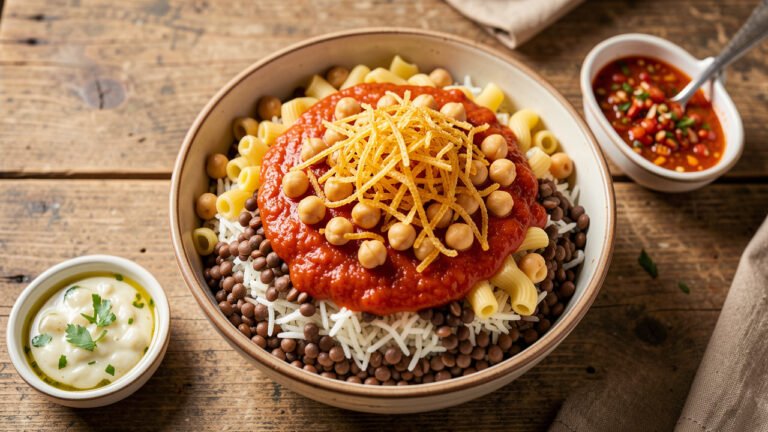
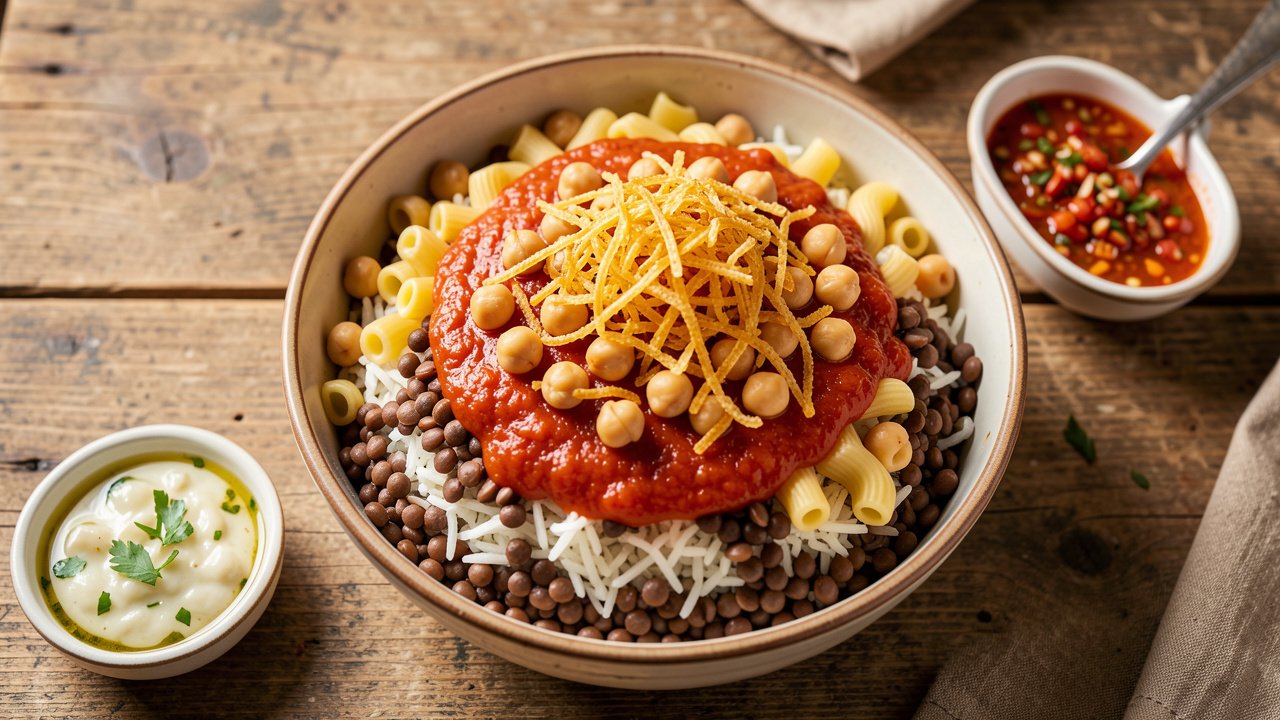
Koshari is the great equalizer of Egyptian food. You will find it ladled out of huge steaming trays at street carts in Cairo, plated in tiled shops that have sold nothing else for a century, and cooked at home from whatever grains are in the cupboard. It sounds unlikely on paper, rice and lentils and pasta in one bowl, but the tangy tomato sauce and the crunchy onions pull the whole thing together into something genuinely addictive.
Why This Egyptian Koshari Works
Koshari looks like chaos and tastes like a plan. Four starchy elements, rice, lentils, macaroni, and chickpeas, could easily be dull on their own, but stacked together they give you soft, chewy, and creamy textures in every spoonful. The dish is built on contrast, and once you taste it you understand why Egyptians eat it several times a week without ever getting bored.
The tomato sauce is the engine. It is not a slow-simmered ragu; it is a bright, fast sauce loaded with garlic, cumin, and coriander and cut through with white vinegar so it stays sharp against all that starch. Without the vinegar the bowl tastes heavy. With it, the whole thing wakes up.
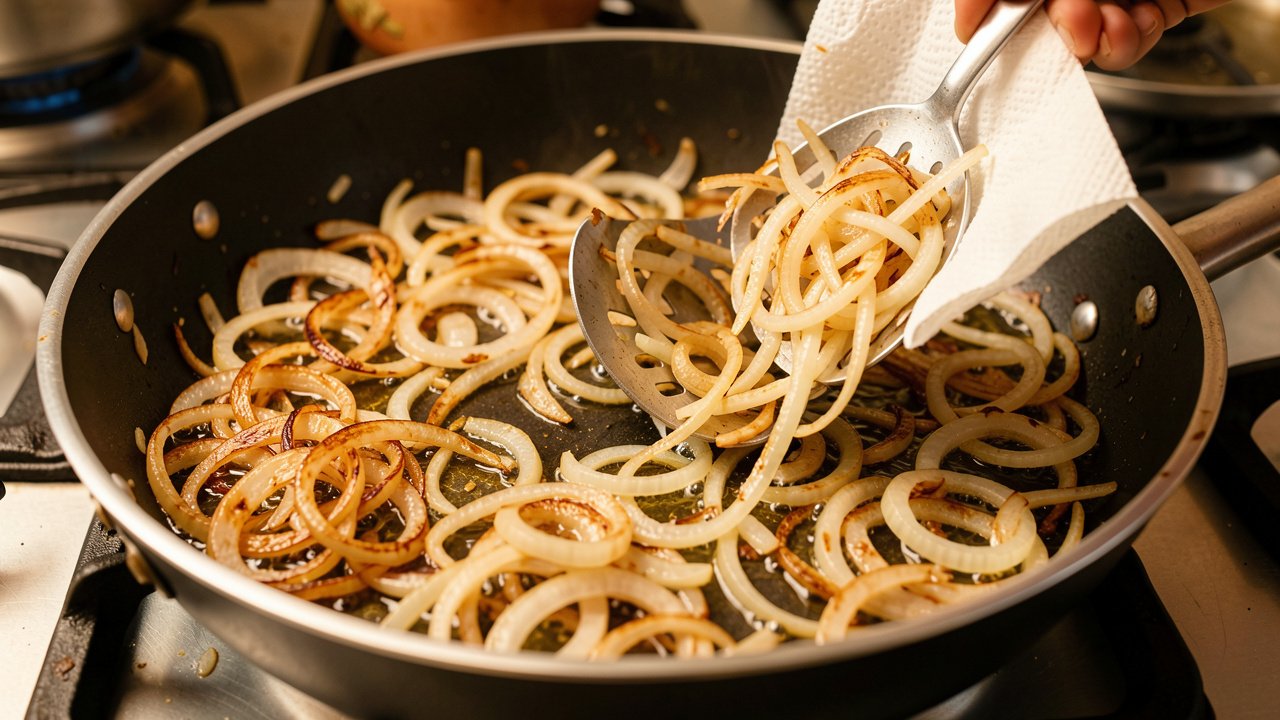
Then there are the onions. Frying sliced onions slowly until they are deep brown and shatter-crisp gives koshari its signature sweetness and crunch, and it is the one step you should never rush. A handful of properly caramelized onions on top is the difference between good koshari and the kind people line up for.
Best of all, it is honest pantry food. Everything here keeps in a cupboard, it is cheap to make in bulk, and it happens to be completely plant-based. You can cook every component ahead and assemble bowls to order all week.
Pro observation: Koshari is really an assembly job, not a single recipe. Cook the four bases, the sauce, and the onions in parallel, and the only skill that matters is patience with the frying onions.
Ingredients
Kitchen Measurement Converter
Koshari scales beautifully for a crowd, so use this quick converter to move between cups, grams, milliliters, and more without leaving the recipe. Pick a category, enter a value, and the result updates instantly.
Ingredient Notes & Substitutions
Lentils
Use brown or green lentils that hold their shape; do not use red lentils, which dissolve into mush. Rinse them well and cook them just until tender so they stay distinct in the bowl.
Rice and Pasta
Egyptian koshari uses plain long-grain white rice, often mixed with the lentils. Small elbow macaroni is traditional, but ditalini or broken spaghetti work too. Cook the pasta a touch past al dente so it feels tender under the sauce.
Tomato Sauce
Passata or good crushed tomatoes plus a spoon of tomato paste give the deepest color. The white vinegar is non-negotiable; it is what makes koshari sauce taste like koshari rather than pasta sauce.
Crispy Onions
Slice the onions thin and even, and fry them low and slow until deep golden brown. Store-bought fried onions are a shortcut in a pinch, but homemade have far better flavor and crunch.
Equipment
- Large pot for rice and lentils
- Saucepan for pasta
- Deep frying pan for onions
- Small saucepan for sauce
- Fine mesh strainer
- Sharp knife and board
Before You Start
1. Fry the onions first. They take the longest and can hold at room temperature while everything else cooks, so start them before anything else and let them go low and slow.
2. Cook the four bases in parallel. Lentils, rice, and pasta each need their own pot. Line them up so they finish around the same time and stay warm.
3. Reserve the onion oil. The fragrant oil left from frying the onions is liquid gold; use a little of it to start the tomato sauce for extra depth.
Step-by-Step Instructions
Cook the Lentils
Rinse the brown or green lentils and add them to a large pot with plenty of water. Bring to a boil, then lower to a simmer and cook 20 to 25 minutes until just tender but not falling apart. Drain, season with a little salt, and set aside. Keep the pot; you will build the rice on top of the lentils.
Fry the Crispy Onions
Heat the vegetable oil in a deep pan over medium heat and add the thinly sliced onions. Fry, stirring often, for 15 to 20 minutes until deep golden brown and crisp. Watch them closely near the end, as they turn from brown to burnt quickly. Lift them out with a slotted spoon onto paper towels and reserve the fragrant oil.
Cook the Rice and Macaroni
Add the rinsed rice to the pot with the cooked lentils, along with a little of the reserved onion oil and salt. Pour in enough water to cover by an inch, bring to a boil, then cover and cook on low for about 15 minutes until the rice is fluffy and the water is absorbed. Meanwhile, boil the elbow macaroni in a separate pot until tender, then drain. Warm the drained chickpeas through in their own liquid or a splash of water.
Make the Spiced Tomato Sauce
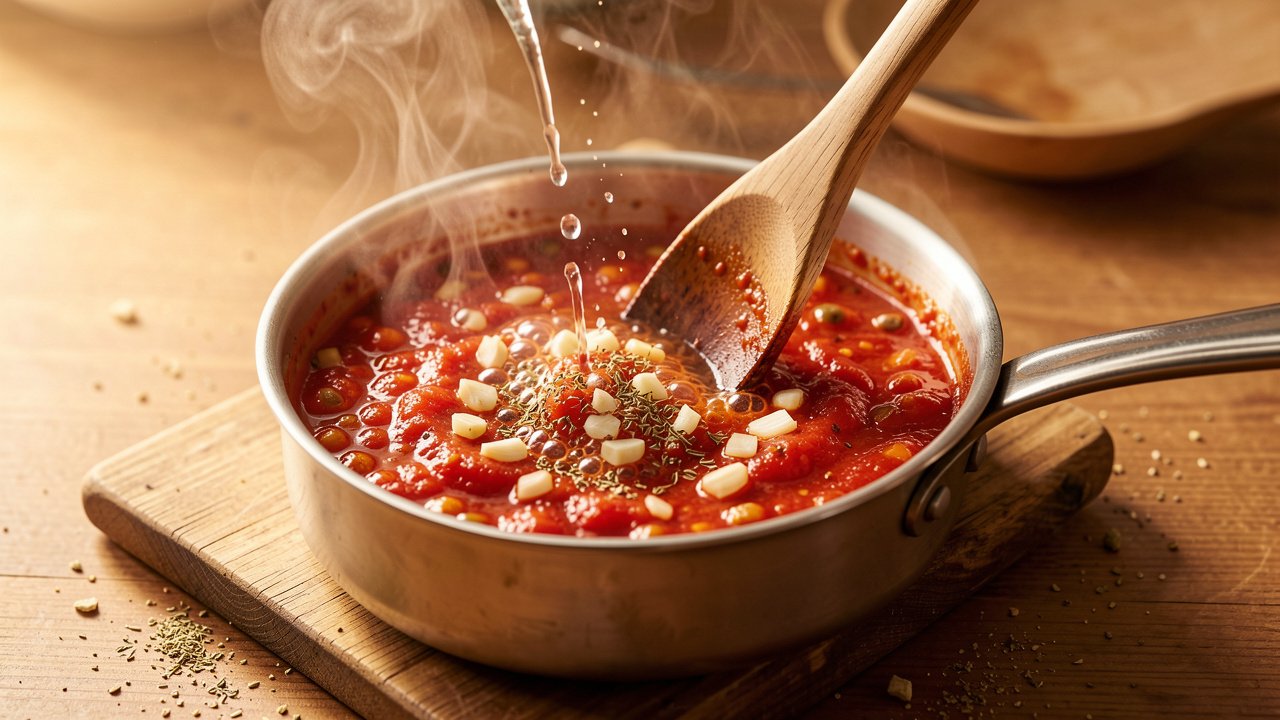
In a small saucepan, heat a tablespoon of the reserved onion oil over medium heat and add the minced garlic. Cook 30 seconds until fragrant, then stir in the cumin, coriander, and chili flakes and bloom for 20 seconds. Add the tomato paste, passata, and salt, and simmer 10 to 12 minutes until thickened and deep red. Stir in the white vinegar off the heat and taste; it should be tangy and bold.
Make the Daqqa and Shatta
For the daqqa garlic-vinegar sauce, crush the remaining garlic cloves with a pinch of salt, then whisk them into the quarter cup of white vinegar with a splash of water; this thin, sharp sauce is drizzled over each bowl at the table. If you want heat, set out the shatta chili paste alongside so everyone can spoon on as much as they like.
Layer and Serve
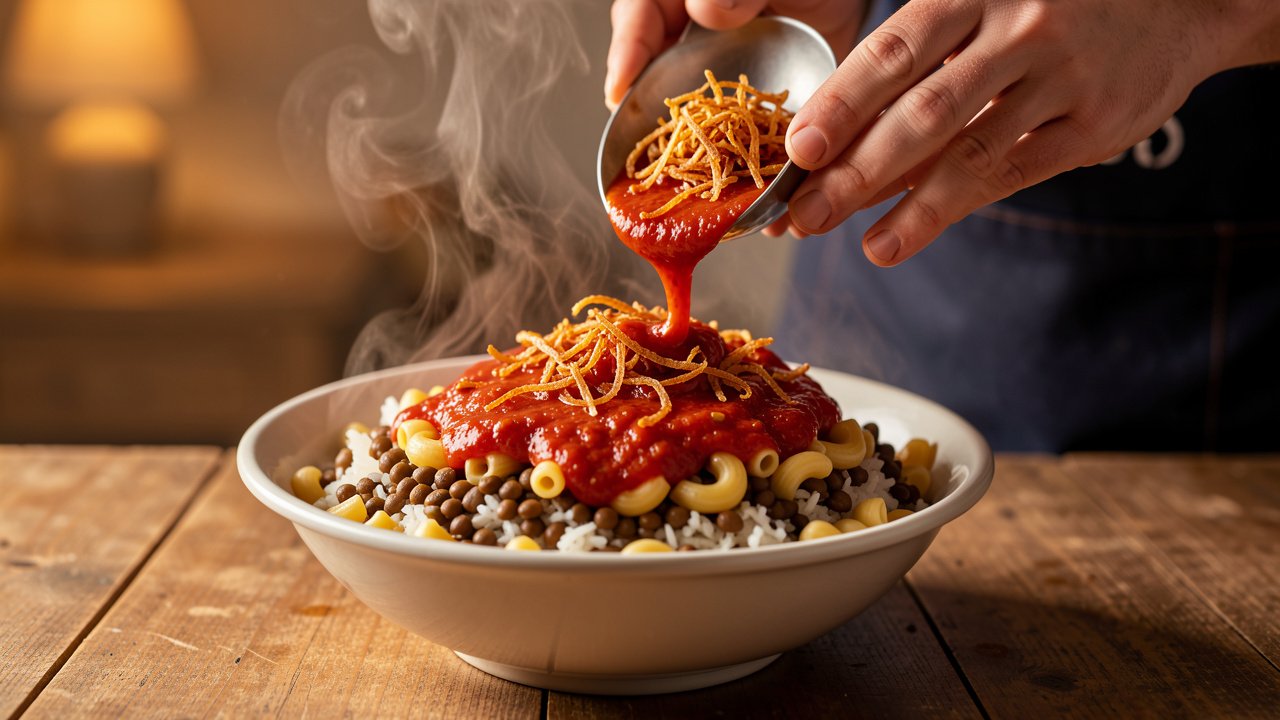
Build each bowl from the bottom up: a bed of the rice and lentils, then a layer of macaroni, then a scatter of warm chickpeas. Ladle the hot spiced tomato sauce generously over the top, crown it with a big handful of crispy fried onions, and finish with the garlic-vinegar daqqa and shatta to taste. Serve immediately while the onions are still crisp.
Chef’s Tips From Real Kitchen Testing
Fry the onions on medium, not high. Low and slow renders out the water so they crisp evenly; high heat scorches the edges while the centers stay soft.
Add the vinegar to the tomato sauce off the heat. Boiling it away dulls the tang, and that fresh, sharp bite is exactly what koshari sauce needs.
Keep the onions separate until serving. Piling them on early makes them go soft. Add them at the very last second for maximum crunch.
Recipe Variations
Serving Suggestions
- Extra shatta chili paste on the side
- A simple green salad with lemon
- Pickled vegetables or torshi
- Warm flatbread to scoop up sauce
Nutrition Facts
| Nutrient | Amount per serving |
|---|---|
| Calories | 470 |
| Protein | 15 g |
| Carbohydrates | 78 g |
| Fat | 11 g |
| Saturated Fat | 1.5 g |
| Fiber | 12 g |
| Sugar | 7 g |
| Sodium | 620 mg |
Values are estimates per serving and vary with the exact ingredients and brands you use.
Make-Ahead Tips
Koshari is built for making ahead, because every component keeps well on its own. Cook the lentils, rice, and pasta, and simmer the sauce, then store them separately in the fridge. Fry a big batch of onions and keep them in an airtight jar at room temperature so they stay crisp. When it is time to eat, warm the bases and sauce, assemble bowls, and top with onions just before serving.
Storage, Freezing & Reheating
Common Mistakes to Avoid
Troubleshooting
Bowl tastes bland? It almost always needs more of the garlic-vinegar daqqa or a pinch more salt in the tomato sauce.
Onions went soft? They were fried too fast or added too early. Fry slower next time and top the bowls only at the moment of serving.
Everything clumped together? The rice or pasta was overcooked. Cook each base separately and drain the pasta well so the layers stay distinct.
A Note on Koshari
Koshari is a genuinely modern dish, born in the crowded streets of nineteenth-century Egypt where Indian, Italian, and local influences all landed in the same pot. The rice and lentils echo Indian khichri, the macaroni arrived with Italian traders, and the chickpeas and fried onions are pure Egyptian street cooking. It grew into the country’s unofficial national dish, sold from specialist shops and copper-tray carts to workers who wanted something filling, cheap, and meatless. Today koshari is a point of pride, endlessly argued over, and always vegan. If you love hearty tomato-and-legume bowls, our hearty tomato lentil soup shares the same comforting, warming character, and you can browse more ideas in our full collection of tomato recipes.
Frequently Asked Questions
More Tomato Recipes to Try
Last updated: September 29, 2026