American Recipes
Creamy & Golden
Last updated: September 29, 2026
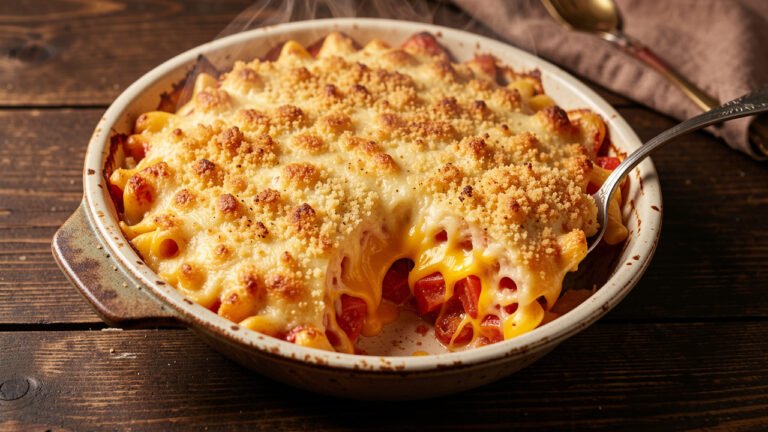
Plain mac and cheese is wonderful, but it can be one rich note from start to finish. Folding tomatoes into the mix was a trick my aunt swore by, and she was right. The acidity wakes the whole dish up, and roasted or baked, the tomatoes turn sweet and jammy against the sharp cheddar.
Why This Baked Tomato Mac and Cheese Works
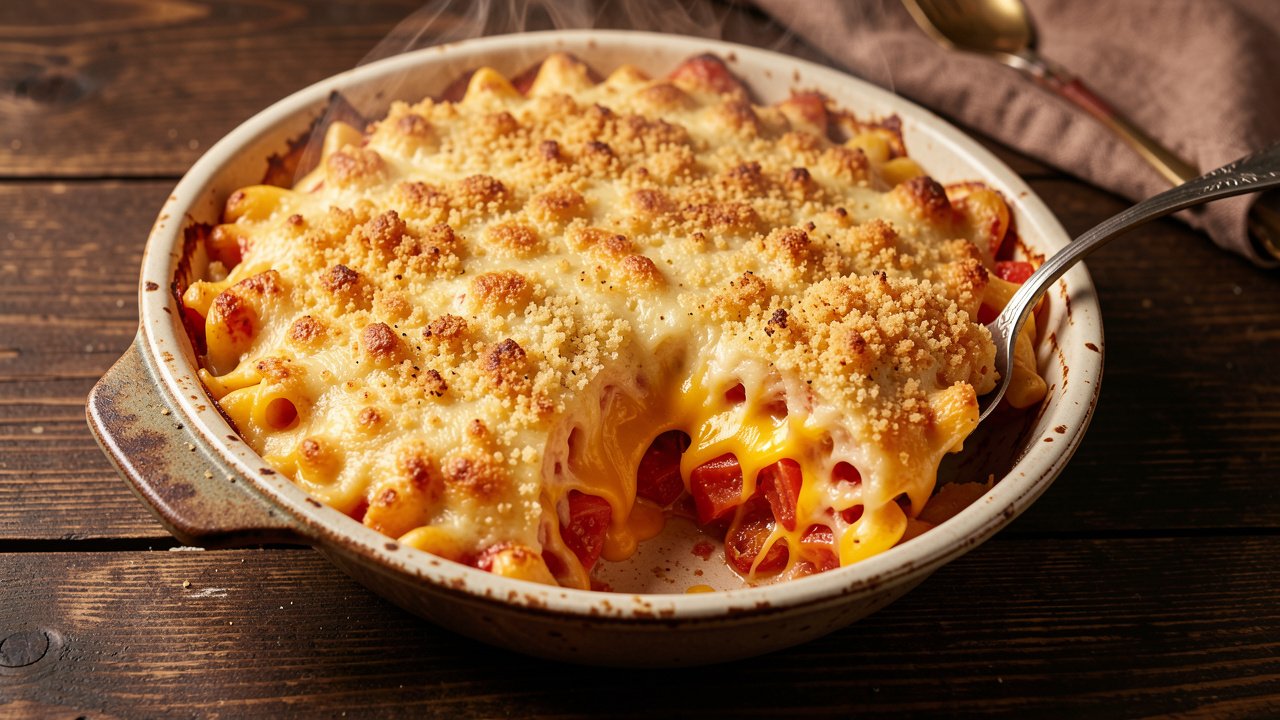
The magic here is balance. A classic mac and cheese leans entirely on fat and salt, which is delicious for three bites and heavy by the tenth. Tomatoes fix that. Their gentle acidity slices through the cheese sauce, so the casserole tastes rich and bright at the same time.
Building the sauce properly is what keeps it creamy rather than grainy. A quick butter-and-flour roux thickens the milk into a smooth base, and stirring the cheese in off the heat stops it from splitting into oily curds. The result clings to every piece of macaroni.
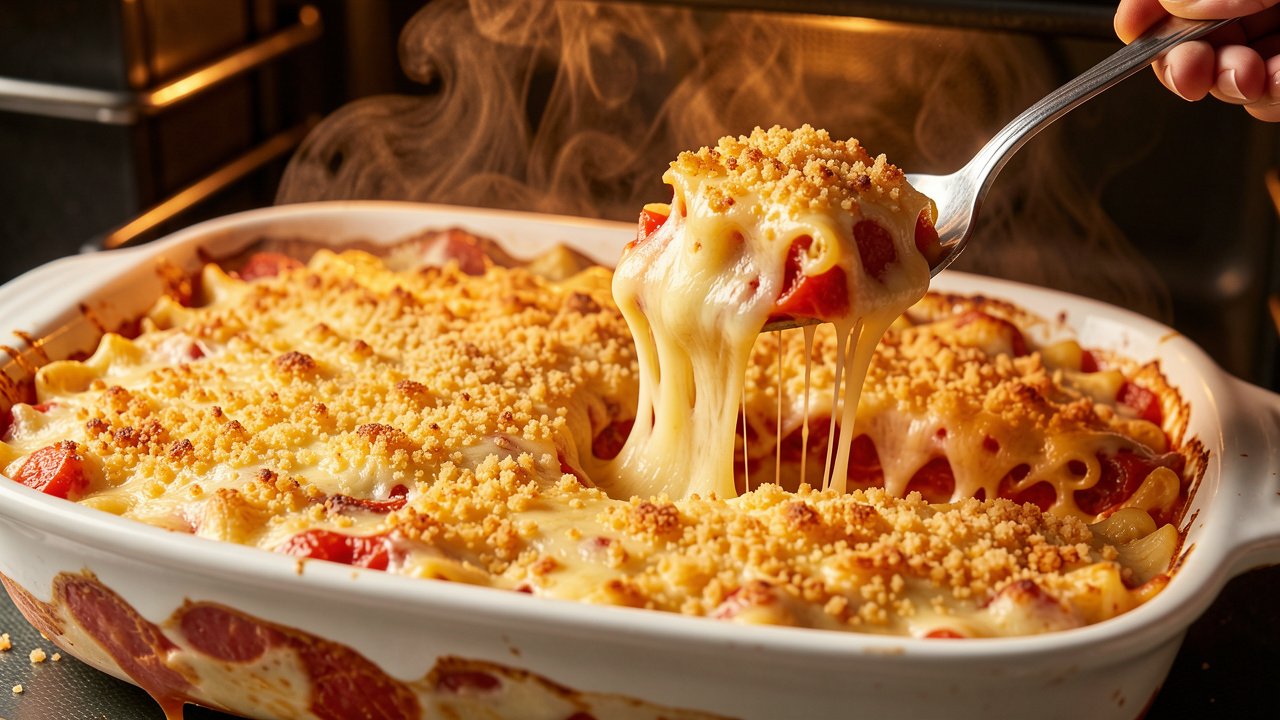
Baking then does two things at once. The top layer of cheese and buttered breadcrumbs turns deep golden and crunchy, while underneath the tomatoes soften and release their sweetness into the sauce. You get contrast in every spoonful, from crisp crust to molten middle.
Pro observation: Pull the pasta from the water a full two minutes before the box says it is done. It will finish cooking in the hot sauce and the oven, and undercooked pasta is the single best insurance against a mushy casserole.
Ingredients
Kitchen Measurement Converter
Quickly convert between common cooking measurements without leaving the recipe. Pick a category, enter a value, and the result updates instantly.
Ingredient Notes & Substitutions
Cheese
Sharp cheddar gives the best flavor and pull. Shred it yourself from a block; pre-shredded cheese is coated in starch that keeps it from melting smoothly. A handful of Gruyere or Parmesan mixed in adds depth.
Tomatoes
Ripe fresh tomatoes are lovely in summer; the rest of the year use a can of diced tomatoes, well drained. Draining is essential, because extra liquid makes the casserole watery instead of creamy.
Pasta
Elbow macaroni is classic, but any short, ridged shape like cavatappi or shells works and grabs more sauce. Whatever you use, cook it a couple of minutes short of al dente.
Topping
Panko breadcrumbs tossed in melted butter give the crunchiest top. For extra flavor, mix in a little grated Parmesan or a pinch of smoked paprika before scattering it over the casserole.
Equipment
- Large pot for the pasta
- Medium saucepan for the sauce
- Whisk
- Box grater
- 9×13 inch baking dish
- Colander
Before You Start
1. Shred the cheese first. The cheese sauce comes together fast, and you want the cheddar ready to melt in the moment the pan comes off the heat.
2. Drain the tomatoes well. If using canned, tip them into a sieve and press gently. Too much liquid is the number-one cause of a soupy casserole.
3. Heat the oven early. Set it to 375 F (190 C) before you start so the casserole can go straight in once assembled and the top browns quickly.
Step-by-Step Instructions
Cook the Macaroni
Bring a large pot of salted water to a boil and cook the macaroni about 2 minutes less than the package says, so it is firm and just under al dente. Drain it well and set it aside. Do not rinse it; the surface starch helps the sauce cling.
Make the Roux
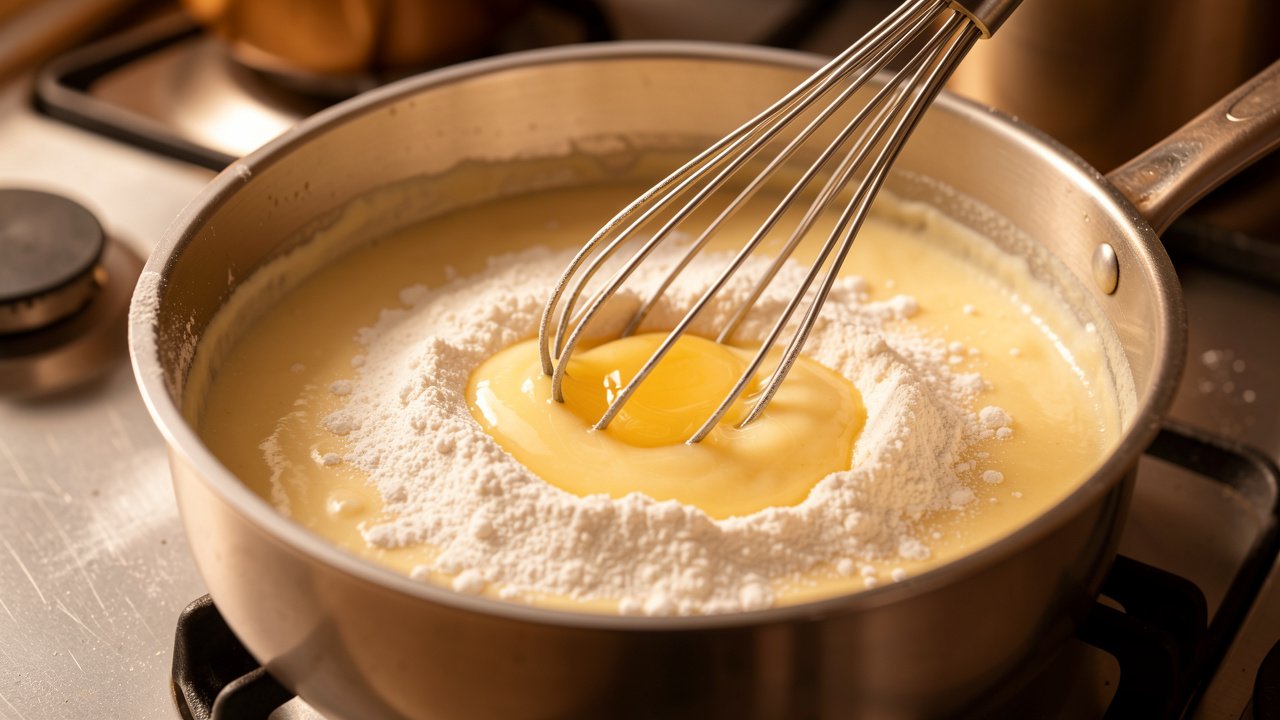
Melt the butter in a saucepan over medium heat, then whisk in the flour. Cook, whisking constantly, for about 1 to 2 minutes until it smells nutty and turns pale golden. This cooked paste is what thickens the milk into a silky sauce without any raw flour taste.
Build the Cheese Sauce
Pour in the milk in a slow stream, whisking the whole time. Bring it to a gentle simmer and cook 3 to 4 minutes until it thickens enough to coat the back of a spoon. Take the pan off the heat, then stir in the mustard powder, salt, pepper, and most of the cheddar until melted and glossy.
Fold in Pasta and Tomatoes
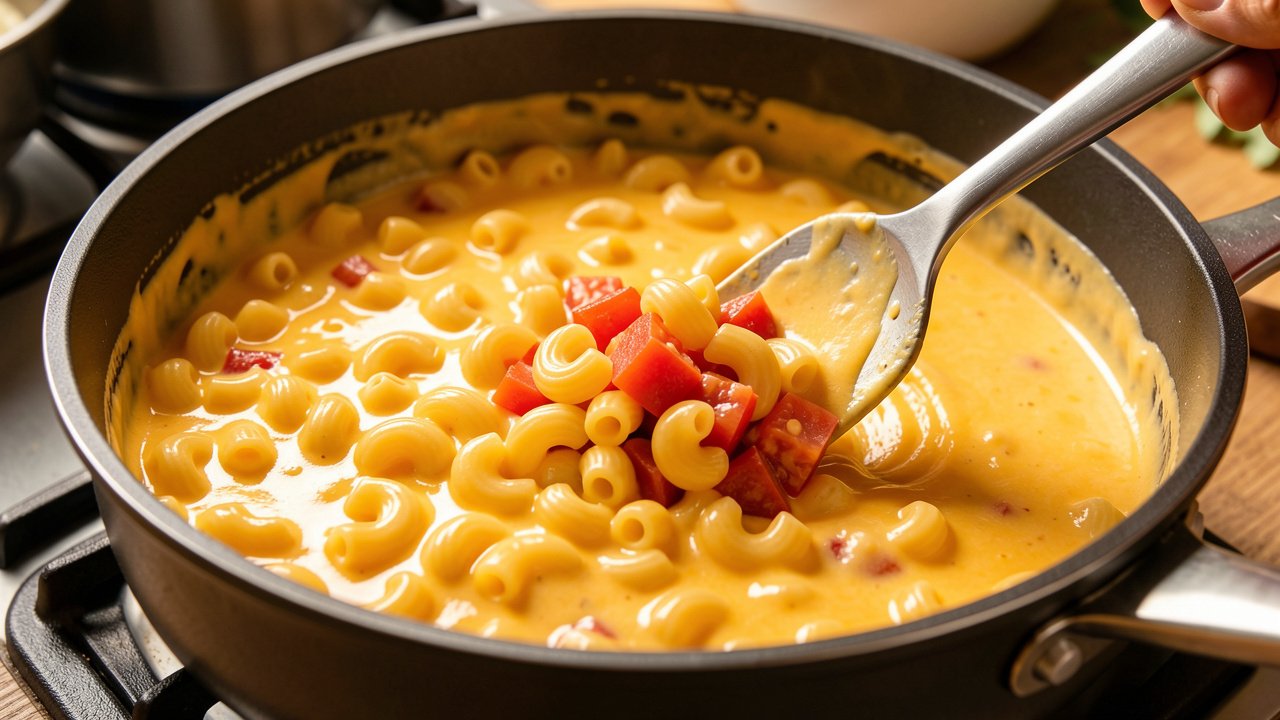
Add the cooked macaroni and the well-drained tomatoes to the cheese sauce and fold gently until everything is coated. Taste and adjust the salt. The mixture should look loose and saucy, because it firms up as it bakes.
Top and Assemble
Scrape the mixture into a buttered 9×13 baking dish and spread it level. Scatter the reserved cheddar over the top, then the breadcrumbs that you have tossed in melted butter. The buttered crumbs are what turn deep golden and crisp in the oven.
Bake Until Golden
Bake at 375 F (190 C) for 20 to 25 minutes, until the edges bubble and the top is deep golden brown. For an extra-crisp top, run it under the broiler for the last minute, watching closely. Let it rest 5 minutes before serving so it sets slightly.
Chef’s Tips From Real Kitchen Testing
Always melt the cheese off the heat. Direct heat makes cheddar seize and turn oily and grainy; the residual warmth of the sauce is more than enough to melt it smoothly.
Shred from a block, never the bag. Pre-shredded cheese is dusted with anti-caking starch that keeps it from melting into a glossy sauce. Two minutes of grating pays off hugely.
If it looks thick before baking, loosen it with a splash of warm milk. Pasta drinks up sauce as it sits, and a slightly loose mixture bakes into a creamy rather than dry casserole.
Recipe Variations
Serving Suggestions
- A crisp green salad with a sharp vinaigrette to cut the richness
- Roasted broccoli or garlicky greens on the side
- As a hearty side to grilled chicken or sausages
- A few dashes of hot sauce for anyone who likes a kick
Nutrition Facts
Values are estimates per serving and vary with the cheese, milk, and breadcrumbs you use.
Make-Ahead Tips
You can assemble the whole casserole up to a day ahead. Fold together the pasta, sauce, and tomatoes, spread it in the dish, cover, and refrigerate; add the cheese and breadcrumb topping just before baking. A chilled casserole needs an extra 10 to 15 minutes in the oven, so bake until the center is hot and the top is golden.
Storage, Freezing & Reheating
Common Mistakes to Avoid
Troubleshooting
Sauce turned grainy? The cheese got too hot. Next time add it off the heat; to rescue this batch, whisk in a splash of warm milk.
Casserole is watery? The tomatoes were not drained enough, or the sauce was too thin. Drain well and cook the sauce until it coats a spoon.
Top not browning? Move it higher in the oven or finish under the broiler for a minute, watching so it does not burn.
A Note on Mac and Cheese
Macaroni and cheese has been a comfort staple for centuries, from grand baked versions in old cookbooks to the boxed kind many of us grew up on. Adding tomatoes is a classic Southern and Midwestern move that turns a simple side into a fuller, brighter meal. If you love easy cheesy tomato dishes, our tomato and cheese pizza and tomato basil pasta come from the same comforting family.