Malaysian Recipes
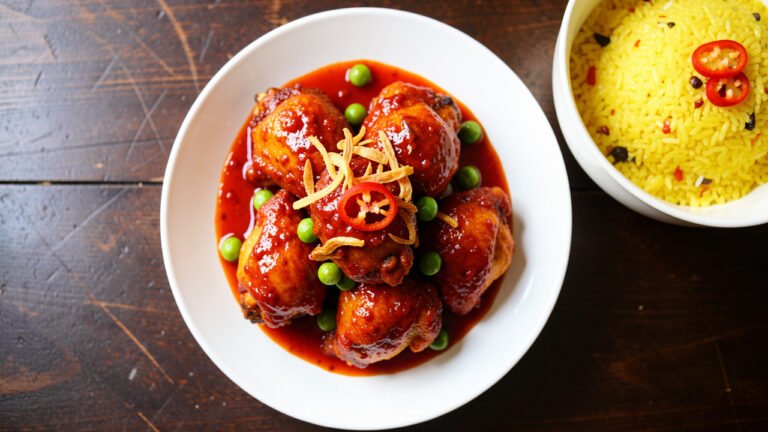
Ayam Masak Merah Malaysian Spicy Tomato Chicken
This is wedding food in Malaysia, the dish that shows up next to nasi minyak when the occasion matters. It looks simple, a red gravy on fried chicken, but the difference between a good one and a dull one comes down to a single decision: how long you are willing to stand at the stove frying the rempah. Most people stop too early. The gravy still tastes like raw chili paste, and no amount of tomato later will fix it.
Why This Ayam Masak Merah Works
The whole dish is built on one technique: frying the rempah until pecah minyak, the point where the oil separates and rises out of the paste. That is not a cosmetic detail. Chili and shallots hold a lot of water, and while that water is still there the paste is steaming, not frying. Only once it cooks off can the aromatics actually brown, and browning is where the sweetness and depth come from.
Frying the chicken first is the second half of the logic. Bone-in pieces go into hot oil until the skin is deep golden, which sets the surface so the meat does not shred apart during the braise. It also leaves fond and rendered chicken fat you can build the rempah in, so the gravy tastes of chicken rather than sitting on top of it.
Tomato does the balancing. Dried chilies bring a deep, raisin-like heat but almost no acid, so on their own the gravy tastes heavy. Fresh tomato and tomato paste add brightness and body, and a couple of teaspoons of sugar round off the chili’s rough edge. That sweet-sour-spicy triangle is what makes people go back for a second piece.
Dried chilies are soaked rather than used dry for a practical reason. Rehydrating them softens the skins so they blend into a smooth paste instead of leaving gritty flecks, and it pulls out color without the raw bite of fresh chili. Soaking also lets you control heat by discarding some seeds.
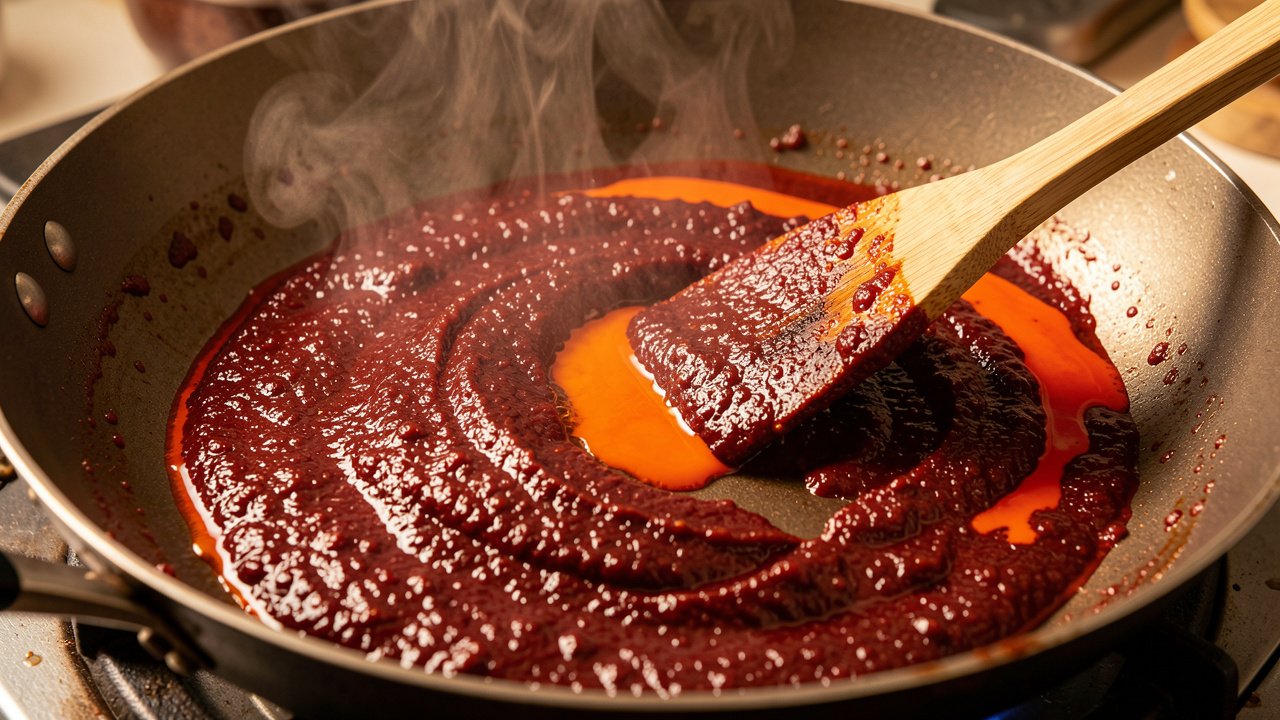
Pro observation: The rempah is ready when a clear red-orange oil pools at the edges of the pan and the paste pulls away from the sides in one mass. If you tilt the pan and see only wet paste, keep going. It usually takes longer than you expect.
Ingredients
Kitchen Measurement Converter
Quickly convert between common cooking measurements without leaving the recipe. Pick a category, enter a value, and the result updates instantly.
Ingredient Notes & Substitutions
Dried Chilies
Long dried red chilies give color more than fire. Soak them in hot water 20 minutes until floppy. Shake out most seeds for a milder gravy, or leave them in for real heat. Kashmiri chilies are a good stand-in.
Tomatoes
Use ripe fresh tomatoes for the body and tomato paste for concentrated color. Many home cooks in Malaysia use bottled chili sauce here; if you do, cut the sugar back, since it is already sweet.
Lemongrass
Use the pale bottom third only and slice it thin before blending, or it will stay stringy. Frozen lemongrass works. Dried lemongrass powder does not; it tastes like hay.
Chicken
Bone-in, skin-on thighs and drumsticks hold up best in the braise. Breast dries out. If you must use it, cut it into large chunks and add it for only the last 8 minutes.
Equipment
- Blender or food processor
- Wide, heavy pan or wok
- Deep pan for frying
- Slotted spoon
- Sharp knife and board
- Paper towels and a rack
Before You Start
1. Soak the chilies first. They need 20 minutes in hot water, so start them before you touch anything else. Everything downstream waits on this.
2. Dry the chicken well. Pat every piece with paper towels before it hits the oil. Wet skin steams, spits, and never browns properly.
3. Give yourself time for the rempah. Frying the paste takes 15 to 20 minutes of low, patient stirring. Do not schedule it against a rice timer that is about to go off.
Step-by-Step Instructions
Soak the Chilies and Blend the Rempah
Cover the dried chilies with just-boiled water and soak 20 minutes until soft and pliable. Drain, saving a few tablespoons of the soaking liquid. Blend the chilies with the shallots, garlic, ginger, and sliced lemongrass into a thick, smooth paste, adding the reserved water only as needed to keep the blades moving. You want a paste, not a puree; too much water and it will take forever to fry down.
Season and Fry the Chicken
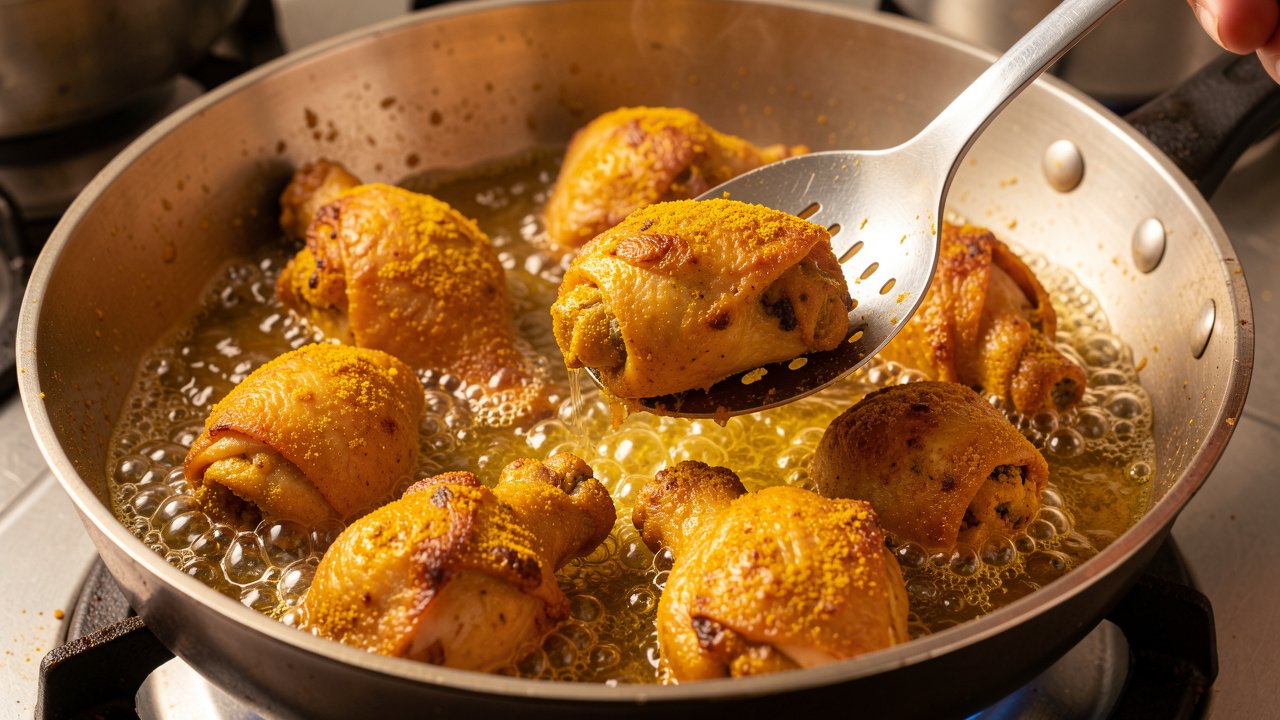
Rub the chicken pieces with the turmeric and half the salt and let them sit 10 minutes. Heat about an inch of oil in a deep pan over medium-high heat. Fry the chicken in batches, 5 to 6 minutes per side, until the skin is deep golden and crisp at the edges. The chicken does not need to be cooked through; it will finish in the gravy. Drain on a rack, not paper, so the crust stays intact.
Start the Rempah
Pour off all but about 4 tablespoons of the frying oil, leaving the browned bits behind. Lower the heat to medium-low, add the cinnamon stick and star anise, and let them sizzle 20 seconds until the kitchen smells warm and sweet. Add the blended rempah and stir to coat it in the oil. It will hiss and loosen immediately.
Fry Until the Oil Splits
Now be patient. Stir the paste every minute or so over medium-low heat for 15 to 20 minutes. It will go from bright red and wet, to dull and thick, to darkened and glossy. The finish line is pecah minyak: clear red oil separating out at the edges, the paste holding together in one mass, and the smell turning from sharp and raw to deep and toasted. Scrape the bottom often so it does not catch.
Build the Tomato Gravy
Stir in the tomato paste and cook 2 minutes to darken it, then add the chopped fresh tomatoes and the water. Bring it to a simmer and let the tomatoes collapse, about 6 minutes, mashing them against the pan. Season with the sugar and the remaining salt. Taste it now: it should read spicy first, then sweet, then tart. Adjust before the chicken goes in, because it is much harder to fix later.
Braise and Finish
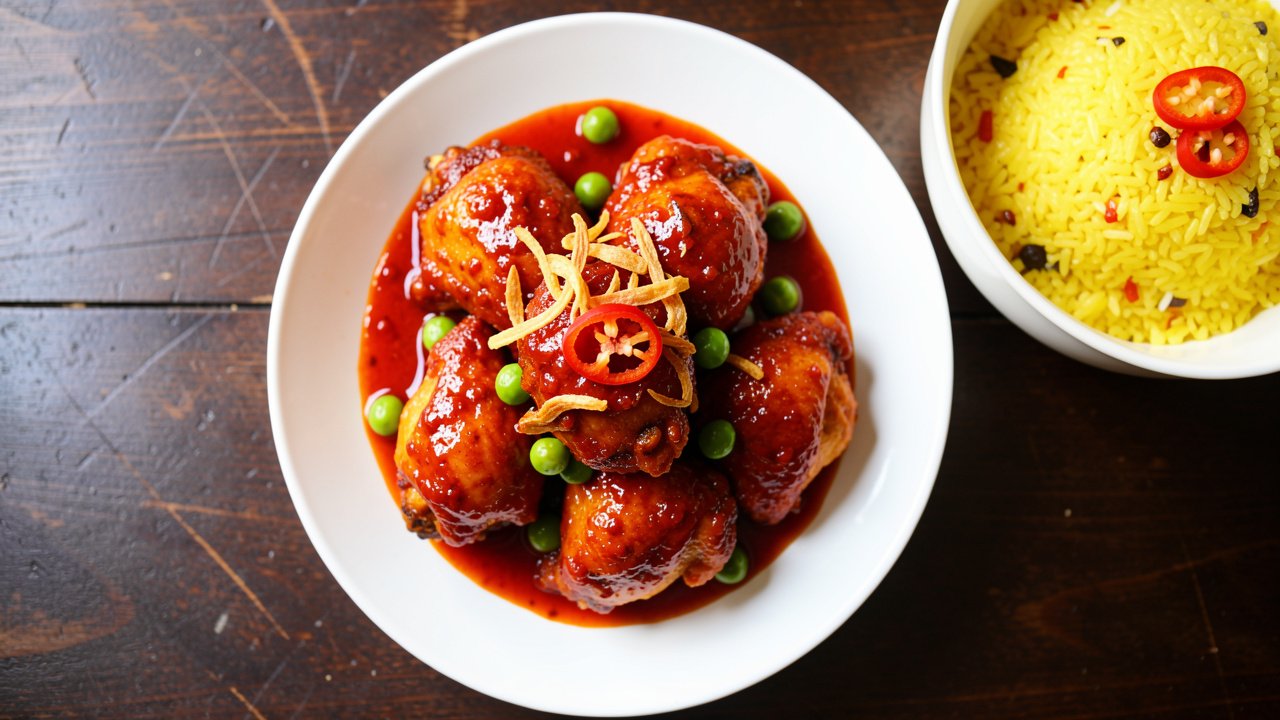
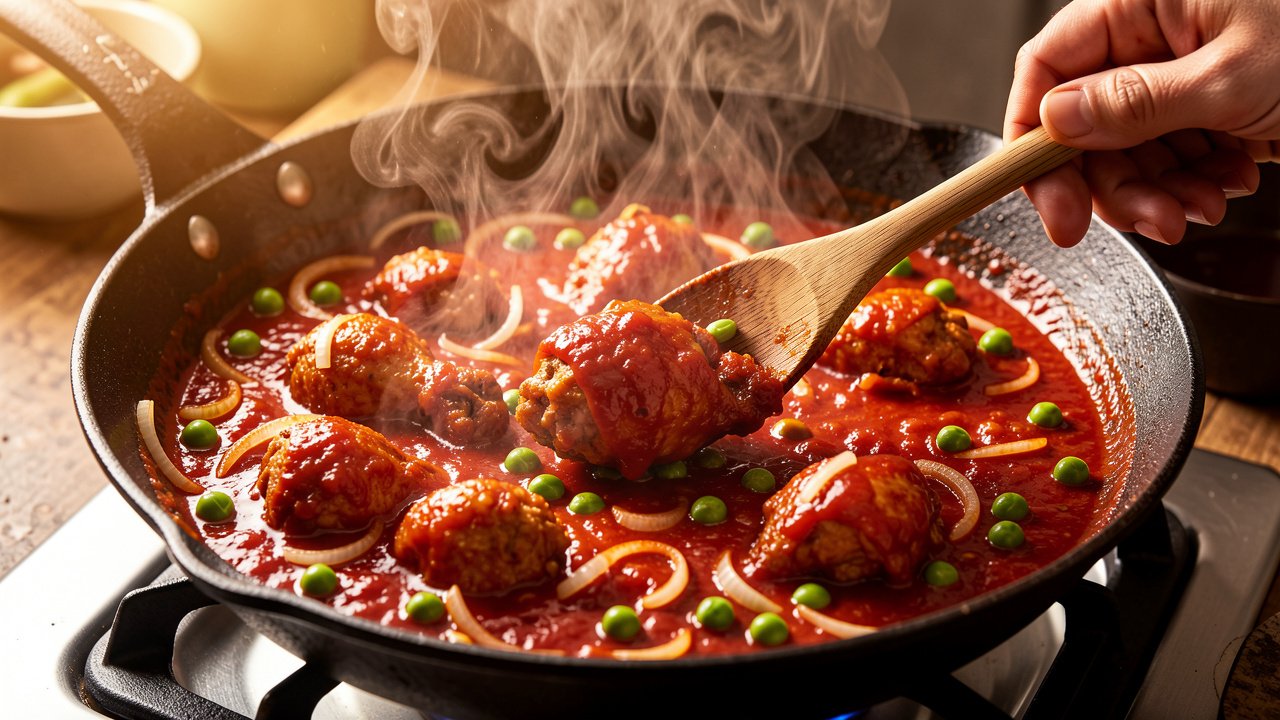
Return the fried chicken to the pan, turning each piece to coat. Add the sliced onion, cover, and simmer gently 15 minutes, turning once, until the chicken is cooked through and the gravy clings rather than pools. Stir in the peas and coconut milk in the last 3 minutes. Scatter the fried shallots and sliced red chili over the top and serve hot.
Chef’s Tips From Real Kitchen Testing
Use a wider pan than feels necessary for the rempah. More surface area means water evaporates faster, and the paste splits in 15 minutes instead of 25.
Do not wash the fry pan between the chicken and the rempah. The browned residue left in the oil is free flavor, and it dissolves straight into the paste.
Salt the gravy before the chicken returns, not after. Once the chicken is in, the surface has already absorbed whatever seasoning was there, and late salt just sits in the sauce.
Recipe Variations
Serving Suggestions
- Nasi minyak, the ghee rice served at weddings
- Plain steamed rice or nasi tomato
- Acar timun, quick pickled cucumber and carrot
- Fried shallots and sliced cucumber on the side
Nutrition Facts
Values are estimates per serving of chicken and gravy, without rice, and vary with how much frying oil is absorbed.
Make-Ahead Tips
The rempah is the make-ahead component. Blend and fry a double or triple batch, cool it completely, and it keeps in a jar in the fridge for two weeks under a thin layer of its own oil, or frozen in tablespoon portions for three months. With the paste already split, the whole dish comes together in under 30 minutes on a weeknight. You can also fry the chicken a few hours ahead and hold it at room temperature; it re-crisps slightly in the hot gravy.
Storage, Freezing & Reheating
Common Mistakes to Avoid
Troubleshooting
Gravy tastes harsh or bitter? The rempah either did not fry long enough or caught on the bottom. If it scorched, start the paste again; burnt chili cannot be rescued.
Too oily? Let the pan sit off the heat 5 minutes and spoon the surface oil off. Some sheen is correct and traditional, but a slick is too much.
Gravy too thin? Lift the chicken out and reduce the sauce uncovered for a few minutes, then return the pieces to coat.
A Note on Masak Merah
“Masak merah” translates literally as “cooked red,” and it describes a whole family of Malay dishes rather than one recipe: fish, prawns, eggs, and beef all get the same treatment. Chicken is the version that ended up on the wedding table, plated beside nasi minyak and served to hundreds of guests at a time. Tomato is a relatively modern arrival in the formula, but it stuck, because it does what no local souring agent quite manages here. For more ways to cook with tomatoes, browse our full collection of tomato recipes.
Frequently Asked Questions
More Tomato Recipes to Try
Culinary Reviewer: Ghazala Shakeel
Last updated: [mc_modified_date]

Urooj Mukhtar is a classically trained chef and food blogger at TomatoAnswers.com, creating healthy, seasonal, plant-based recipes that put tomatoes at the center of the plate. She focuses on making nutritious, flavour-forward home cooking both accessible and delicious.