Italian Recipes
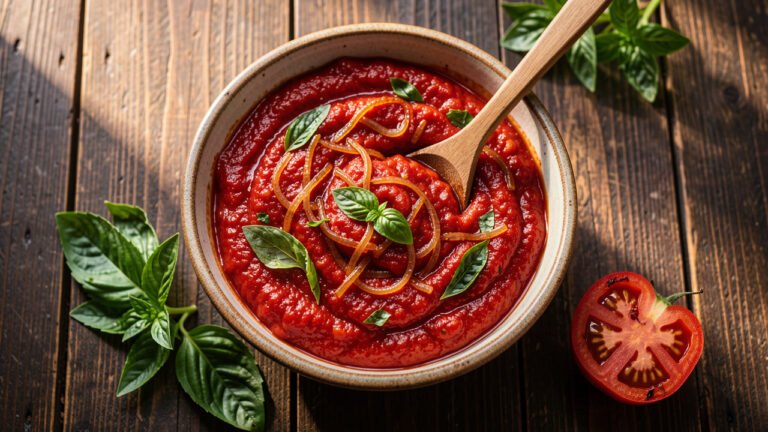
Roasted Roma Tomato Sauce with Caramelized Onion Recipe Deep, Sweet, No Added Sugar
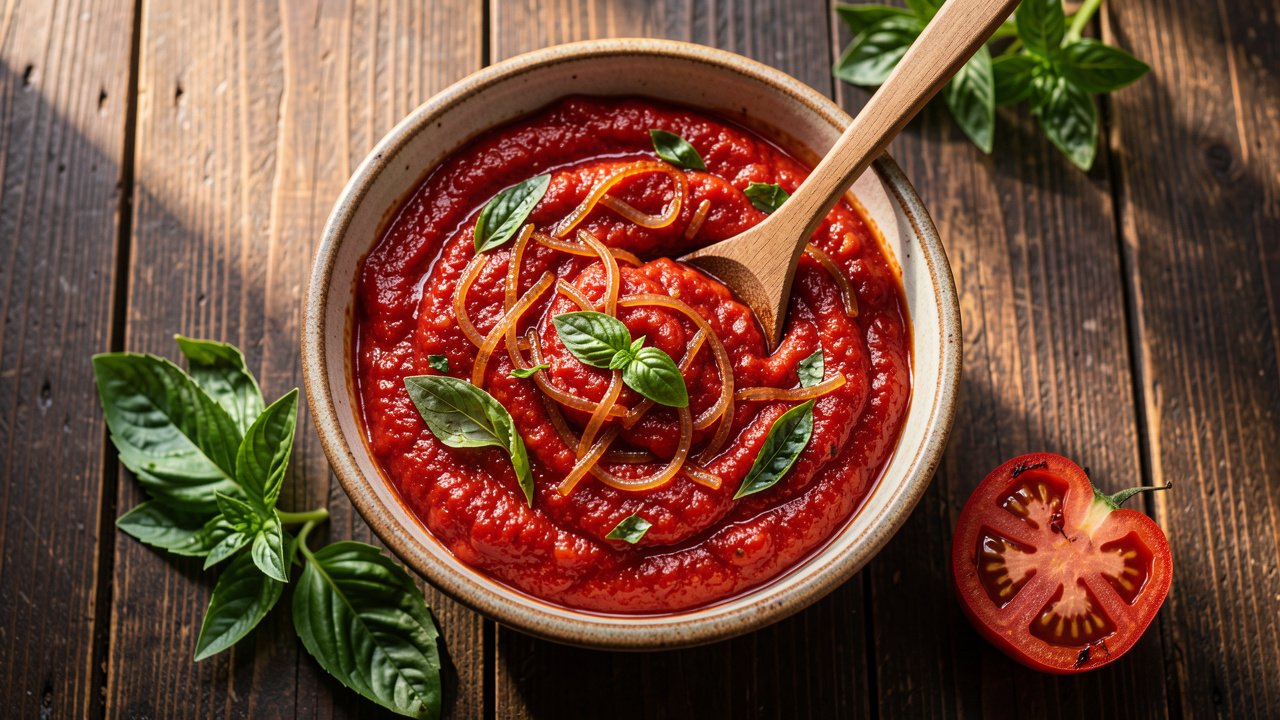
Most tomato sauces reach for a pinch of sugar to cover up flat tomatoes. This one does not need it, and that is the whole point of the design. Sweetness comes from two separate caramelization processes running at the same time: one in the oven, one on the stove. Neither is difficult. Both take patience, and the onions take more of it than any recipe will admit.
Why This Roasted Roma Tomato Sauce Works
The variety matters more here than in almost any other tomato recipe. Roma tomatoes are meaty and low in moisture, with thick walls and few seeds. Put them in a hot oven and they roast. Put a juicy slicing tomato in the same oven and it releases so much water that it steams in its own liquid and never browns. You end up boiling instead of roasting, and boiling does not create sweetness.
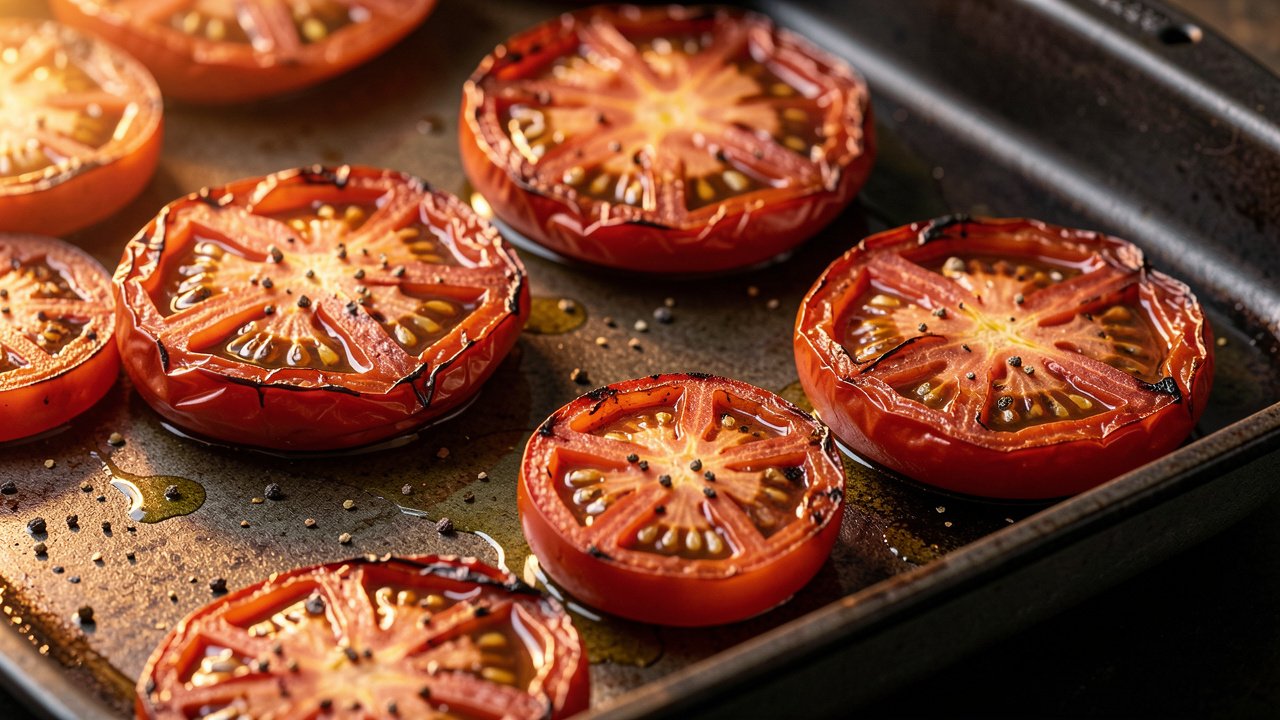
Roasting cut-side up is the second half of that idea. The cut face is exposed to dry oven heat, so the surface moisture evaporates fast and the sugars in the flesh start to concentrate and brown around the edges. Cut-side down traps steam against the pan and gives you a soft, pale, watery half-tomato. Same oven, same time, completely different result.
Then there is the onion, which is where most recipes quietly lie to you. Ten minutes in a pan gets you soft, translucent onions. They are pleasant, and they are not caramelized. The deep, jammy, brown sweetness that actually does the work in this sauce only shows up after half an hour or more of low, patient cooking. There is no way to speed it up that does not cost you the flavor you came for.
Put both together and you have two independently sweet components before a single grain of sugar enters the kitchen. Blend them with garlic and basil and the sauce tastes finished on its own. That is why the recipe holds up even with average supermarket tomatoes in February.
Pro observation: The roasted Romas are done when they have visibly shrunk, the cut faces look wrinkled and slightly collapsed, and the edges have gone dark brown or almost black in spots. Those dark edges are flavor. Do not trim them off.
Ingredients
Kitchen Measurement Converter
Quickly convert between common cooking measurements without leaving the recipe. Pick a category, enter a value, and the result updates instantly.
Ingredient Notes & Substitutions
Roma Tomatoes
Buy them firm and deep red, with a little give at the stem end. Pale, rock-hard Romas will roast fine but taste thin. San Marzano or any plum tomato works the same way. Avoid beefsteak and heirloom here; they are too wet to brown.
Yellow Onions
Standard yellow onions caramelize the most reliably and have the sugar to back it up. Sweet onions like Vidalia go soft faster but can turn cloying. Red onions work but tint the sauce a muddy brown-purple.
Garlic
Add it raw to the blender rather than cooking it with the onions, where it would burn long before the onions are done. Four cloves sounds like a lot; after blending into a full batch it reads as background warmth, not bite.
Basil and Vinegar
Fresh basil goes in at the very end so it stays green and perfumed. The teaspoon of balsamic is not for sweetness, it is for acid, and it sharpens the edges of a sauce that is otherwise very round.
Equipment
- Rimmed sheet pan
- Wide heavy skillet
- Sharp serrated knife
- Blender or food processor
- Wooden spoon
- Measuring spoons
Before You Start
1. Start both at once. The tomatoes and the onions each take 40 to 45 minutes. Get the sheet pan into the oven, then start the onions immediately, and the whole recipe collapses into one hour instead of two.
2. Slice the onions thin and even. Uneven slices mean some strands are burnt while others are still crunchy. About an eighth of an inch is right. Pole to pole, not across, so they hold their shape.
3. Keep a cup of water by the stove. You will deglaze the pan several times as the onions cook, and you want the water within reach the moment the fond starts to darken.
Step-by-Step Instructions
Heat the Oven and Halve the Tomatoes
Heat the oven to 400 F. Cut each Roma in half lengthwise with a serrated knife, which grips the skin instead of sliding off it. Leave the seeds and the gel; they carry a lot of the savory flavor and there is not much liquid in a Roma to begin with. Do not core them unless the stem end is tough and white.
Roast Cut-Side Up at 400 F
Arrange the halves cut-side up on a rimmed sheet pan, not touching. Drizzle with 2 tablespoons of olive oil, sprinkle with salt and pepper, and roast 40 to 45 minutes. Do not turn them, do not stir them, do not cover the pan. They should shrink to about half their original height, the cut faces should look wrinkled and slightly caved in, and the edges should be browned and blistered. If the pan is crowded they will steam instead, so use two pans if you need to.
Start the Onions Low and Slow
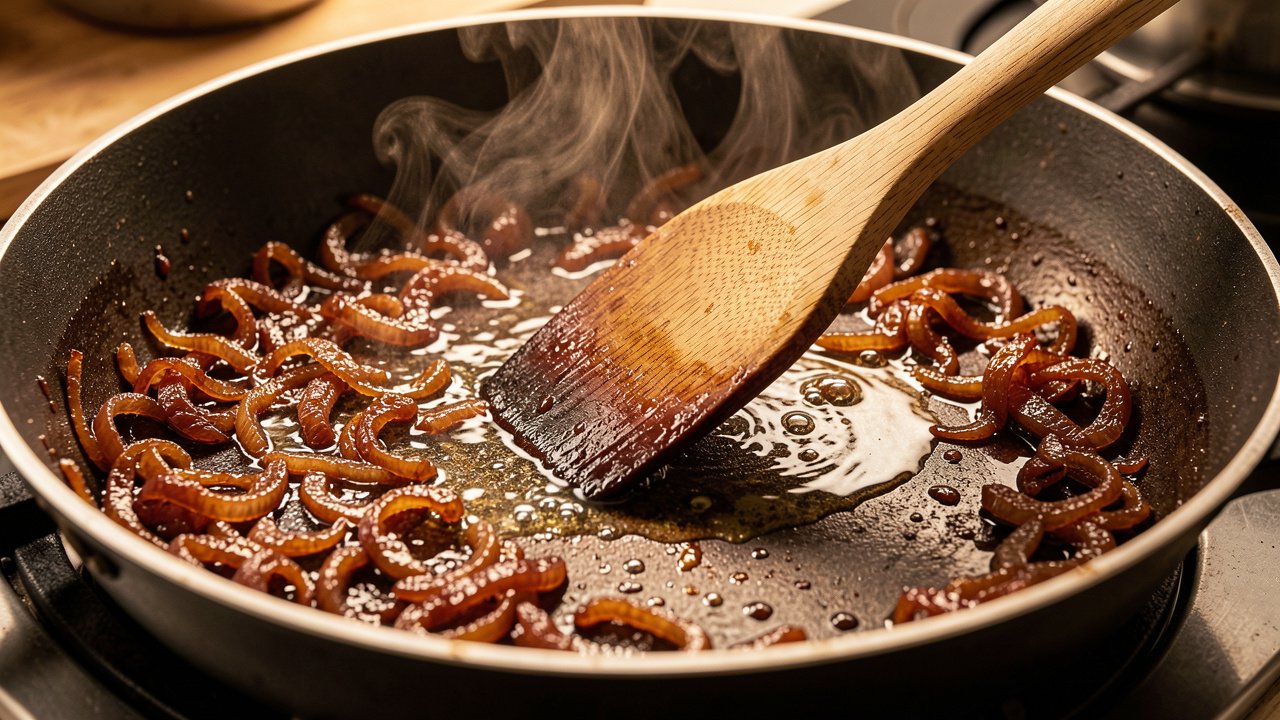
While the tomatoes roast, warm 2 tablespoons of olive oil in a wide skillet over medium-low heat. Add the sliced onions and a pinch of salt and stir to coat. The salt pulls water out and gets them started. For the first 10 minutes they will sizzle quietly and turn soft and translucent. This is the point where most recipes tell you they are done. They are not. They taste like cooked onion, not like caramel.
Keep Going for 35 to 45 Minutes
Now settle in. Stir every 4 or 5 minutes, no more. Between stirs a brown film called fond builds on the bottom of the pan. When it darkens toward the color of coffee, add a splash of water, about 2 tablespoons, and scrape it up with the wooden spoon. That fond dissolves back into the onions and is exactly where the sweetness lives. Repeat whenever it builds. Around minute 25 the onions turn deep gold, around minute 35 they go brown and jammy, and by minute 45 they smell almost like caramel candy. If they are browning faster than that, your heat is too high.
Combine and Blend
Scrape the roasted tomatoes and every drop of the pan juices into the blender, then add the caramelized onions, the raw garlic, and the remaining salt and pepper. Pulse for a chunky, rustic sauce or run it 30 seconds for a smooth one. If you prefer no blender at all, mash everything in a bowl with a potato masher; the texture is looser and the skins stay visible, which some people like.
Season and Finish with Basil
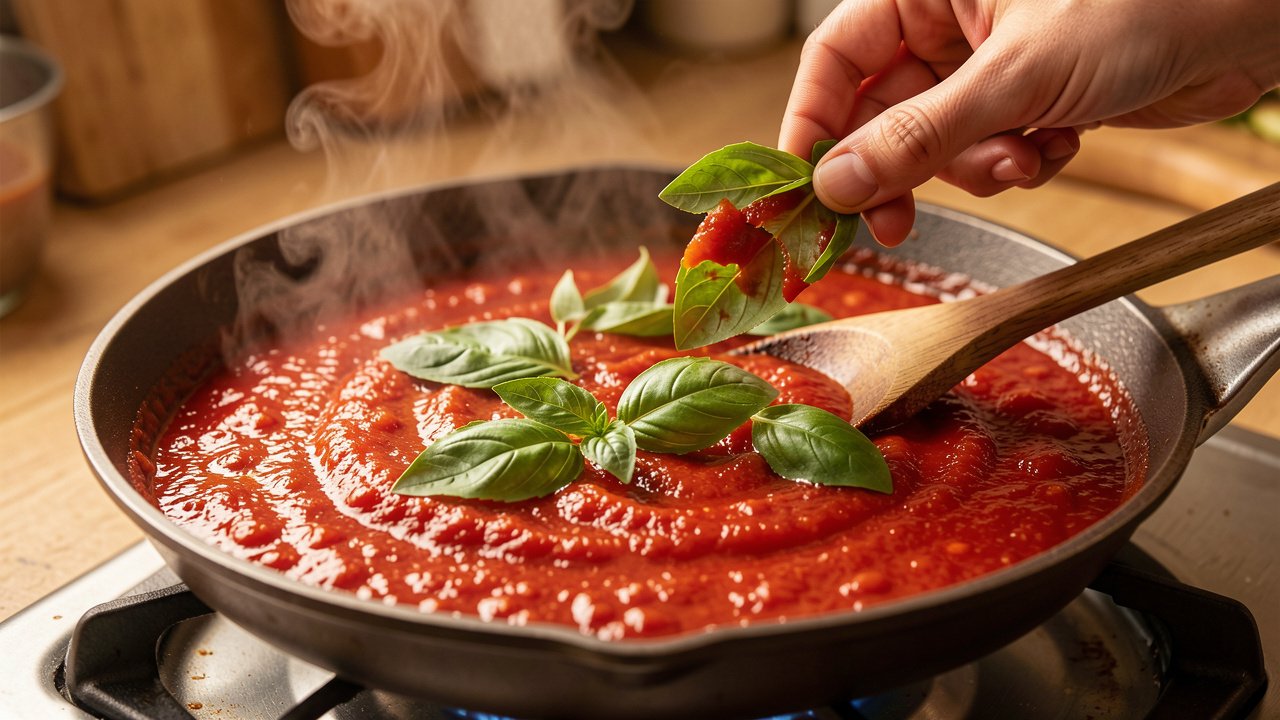
Pour the sauce back into the skillet and warm it over low heat for 5 minutes so the garlic loses its raw edge. Stir in the balsamic vinegar and the torn basil, then taste. It should read sweet, deep, and round without a trace of sugar. If it tastes flat, the answer is salt or another few drops of vinegar, never sugar. Add the red pepper flakes now if you want a little heat behind the sweetness.
Chef’s Tips From Real Kitchen Testing
Use a wide skillet for the onions, not a saucepan. Surface area is what lets moisture escape, and moisture is what stops browning. A crowded deep pot will keep the onions stewing for an hour without ever going brown.
Line the sheet pan with parchment only if you must. The dark caramelized bits that stick to bare metal are worth scraping into the blender, and parchment keeps some of that from ever forming.
Taste the onions at 10 minutes and again at 40. Doing that once teaches you the difference more convincingly than any recipe can, and you will never trust a 10-minute caramelized onion claim again.
If your tomatoes were unusually watery, simmer the finished sauce uncovered for 5 to 10 extra minutes. Never add tomato paste to thicken it; the paste tastes cooked and flat next to roasted fruit.
Recipe Variations
Serving Suggestions
- Tossed with rigatoni or penne, which trap the onion strands
- Spooned over polenta with a drizzle of good olive oil
- As a pizza base, spread thin so it does not soak the crust
- Warm with crusty bread and white beans for a quick supper
Nutrition Facts
Values are estimates per serving of sauce only, without pasta. All 9 grams of sugar occur naturally in the tomatoes and onions.
Make-Ahead Tips
Both components hold beautifully on their own, which makes this an easy weeknight recipe if you plan one step ahead. Caramelized onions keep 5 days refrigerated and freeze for months, so many cooks make a triple batch on a Sunday and portion it. Roasted tomato halves keep 4 days covered in the fridge.
With both already made, the sauce comes together in under 10 minutes: blend, warm, finish with basil. The flavor is also better on day two, once the sweetness from the onions has spread through the tomato.
Storage, Freezing & Reheating
Common Mistakes to Avoid
Troubleshooting
Sauce tastes flat or acidic? Add salt first, a quarter teaspoon at a time. If it is still sharp, your onions probably stopped short of true caramelization. Cook a second batch and stir it in rather than reaching for sugar.
Onions tasting bitter? The fond burned instead of dissolving. Lower the heat and deglaze sooner, the moment the pan bottom turns dark rather than after it turns black.
Sauce too thin? Simmer it uncovered until it holds a line when you drag a spoon through it. Thin sauce almost always means the tomatoes were underroasted.
Tomatoes not browning at 45 minutes? Check the oven with a thermometer. Many home ovens run 25 F cool, and 375 F will not brown a tomato properly.
A Note on Sugar-Free Tomato Sauce
The sugar in most jarred sauce exists to paper over tomatoes that were picked underripe and cooked fast. When you build sweetness with heat and time instead, you get a completely different kind of sweet: rounder, deeper, and tied to the fruit itself. If you want the same result without an oven, our fresh tomato sauce without sugar uses stovetop reduction to get there. For more of the family, browse our tomato sauce recipes, put this batch to work in a tomato basil pasta, or scale up in late summer and learn canning crushed tomatoes for the winter.
Frequently Asked Questions
More Tomato Recipes to Try
Culinary Reviewer: Ghazala Shakeel
Last updated: [mc_modified_date]

Urooj Mukhtar is a classically trained chef and food blogger at TomatoAnswers.com, creating healthy, seasonal, plant-based recipes that put tomatoes at the center of the plate. She focuses on making nutritious, flavour-forward home cooking both accessible and delicious.