Southwestern Recipes
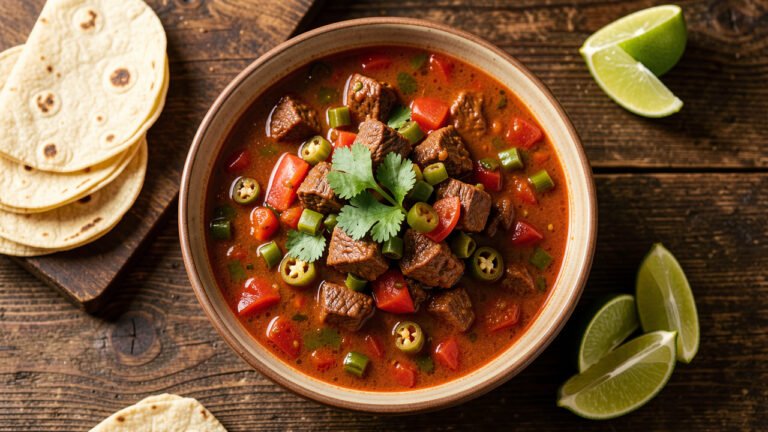
Hearty Southwestern Stew
Last updated: September 29, 2026
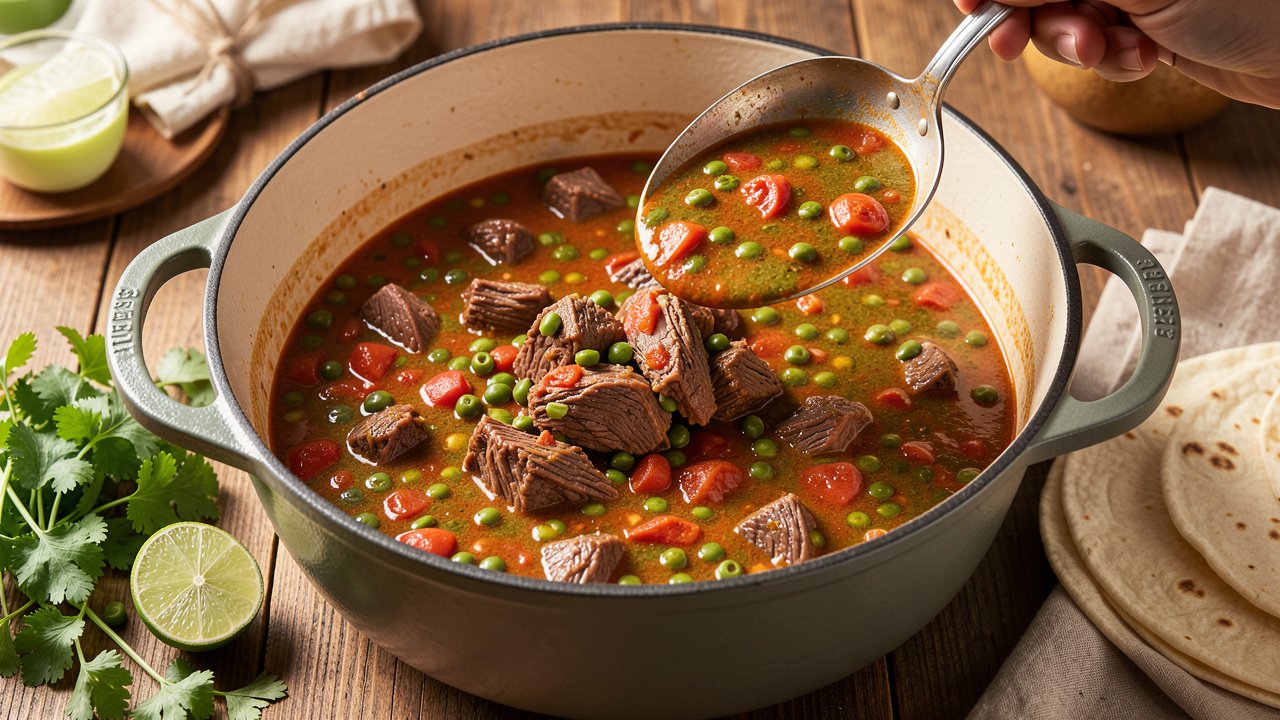
I love this stew because it tastes like it simmered all day, yet almost none of that time is hands-on. Roasted green chilies bring a mellow, smoky warmth, tomatoes add body and a little tang, and slow-cooked chuck turns silky and tender. The one time I rushed it over high heat, the beef came out tough and stringy, so a low, patient simmer really is the whole secret.
Why This Beef Green Chili and Tomato Stew Works
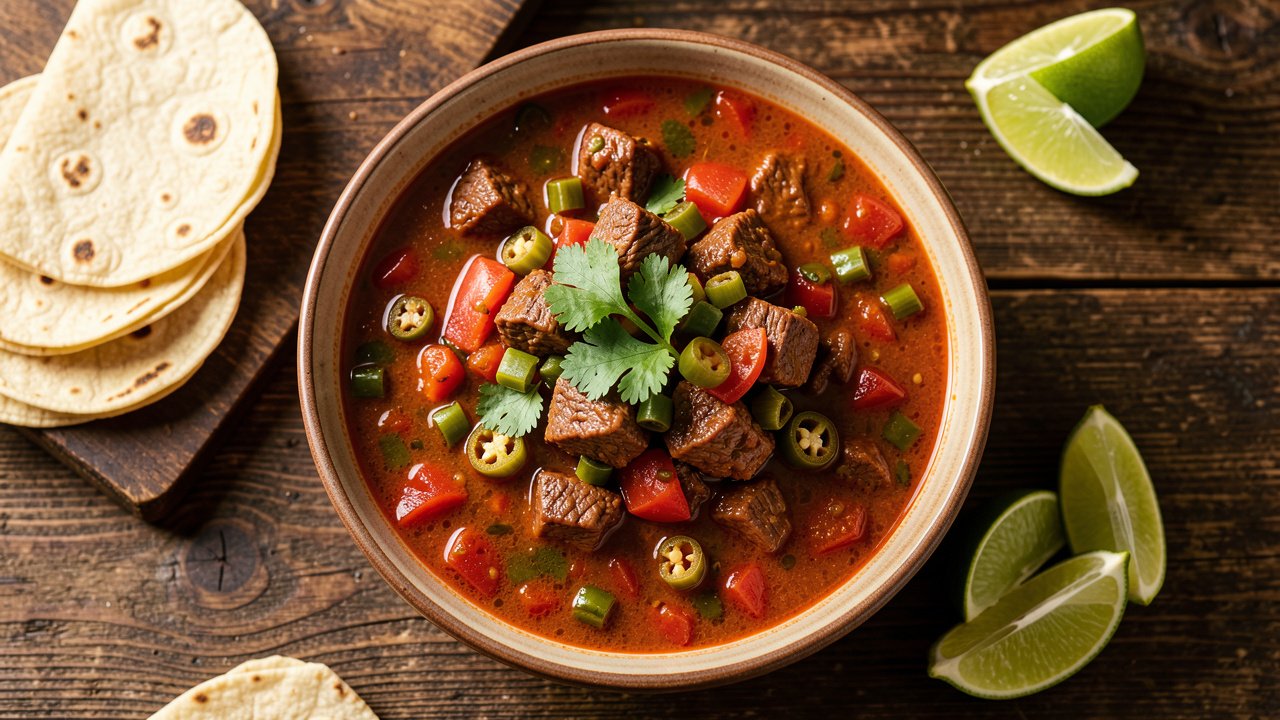
This stew leans on three humble, budget ingredients that punch above their price: tough beef chuck, roasted green chilies, and tomatoes. Chuck is packed with connective tissue, and a long, gentle simmer melts that collagen into rich gelatin, which is what gives the broth its silky, coating body. Lean cuts have almost none of it, so they just turn dry.
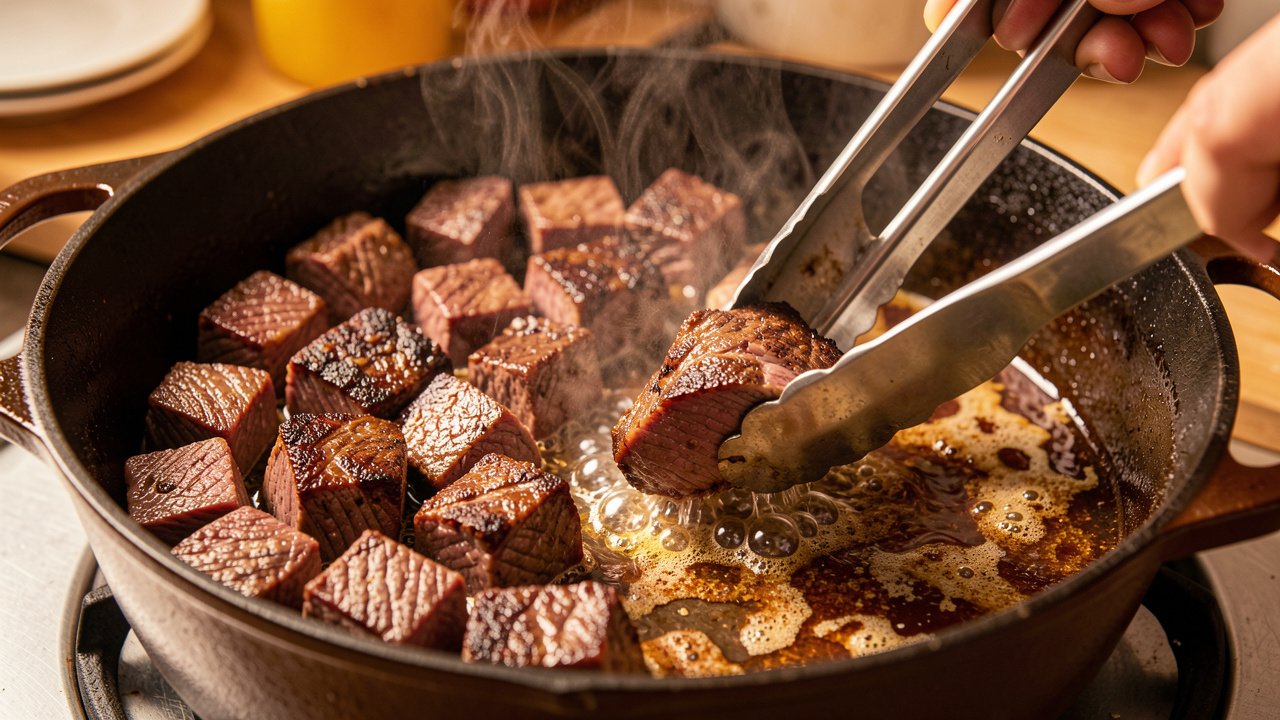
The step I never skip is browning the beef in batches. A crowded pot traps steam and the meat gray-boils instead of searing, so it never builds that dark, savory crust. Give the cubes room and they leave behind the sticky brown fond on the pot bottom that becomes the backbone of the whole dish.
Roasted green chilies are what make this taste distinctly Southwestern rather than like a plain beef stew. I reach for Hatch or Anaheim chilies, cultivars bred at New Mexico State University, because roasting blisters their skins and sweetens the flesh into a gentle, smoky heat. That mellow warmth is worlds away from the sharp bite of a raw pepper.
Tomatoes pull it all together. Their acidity cuts the richness of the beef while their natural glutamate adds a savory, umami depth that rounds out the chilies. As they break down they also thicken the broth on their own, so you rarely need much flour to get a stew that clings to a spoon.
Pro observation: A braise carries the beef far past the 145 F the USDA lists as safe for whole cuts. It is truly done only when a cube falls apart under gentle pressure from a spoon; if it still springs back, give it another 20 to 30 minutes of low simmering.
Ingredients
Kitchen Measurement Converter
Quickly convert between common cooking measurements without leaving the recipe. Pick a category, enter a value, and the result updates instantly.
Ingredient Notes & Substitutions
Beef
I use boneless chuck roast in 1-inch cubes because its marbled fat keeps the meat moist through the braise. Brisket or short rib meat step in nicely too. I steer clear of sirloin or round here, since both finish chewy.
Green Chilies
Fresh chilies you roast and peel yourself taste the brightest. When I am short on time, though, I open a can or bag of roasted green chilies, which come already peeled and work just as well.
Tomatoes
A 14.5-ounce can of diced tomatoes with their juice is my year-round default. At the height of summer I swap in three or four ripe fresh tomatoes, chopped, plus a splash of broth to replace the lost juice.
Broth and Flour
Beef broth builds the deepest flavor, though chicken broth fills in when it is all I have. The flour is optional; I leave it out for a gluten-free pot and just simmer uncovered a little longer to thicken.
Equipment
- Heavy Dutch oven or pot
- Tongs for turning beef
- Sharp knife and board
- Wooden spoon
- Can opener
- Ladle
Before You Start
1. Pat the beef very dry. Blot the cubes with paper towels before seasoning. A dry surface is the only way to get a real brown sear instead of steam.
2. Roast the chilies ahead if using fresh. Blister them under a broiler or over a flame until blackened, steam them in a covered bowl for 10 minutes, then peel, seed, and dice.
3. Have the broth warm. Adding warm broth keeps the pot at temperature so the simmer restarts quickly and the browning work is not wasted.
Step-by-Step Instructions
Season and Dry the Beef
Pat the cubed chuck dry and toss it with the salt, pepper, and flour until lightly coated. The thin flour dusting helps the crust form and gives the broth a little body later. Let the beef sit at room temperature while the pot heats so it sears evenly.
Brown the Beef in Batches
Heat the oil in a heavy Dutch oven over medium-high until it shimmers. Add the beef in a single uncrowded layer, working in two or three batches. Let each side sear undisturbed for 2 to 3 minutes until deeply browned, then turn. Move the seared cubes to a plate as they finish.
Cook the Onion and Bloom the Spices
Lower the heat to medium. Add the diced onion to the same pot and cook 4 to 5 minutes, scraping up the brown bits, until soft and golden. Stir in the garlic, cumin, and oregano and cook 1 minute more, just until fragrant, so the spices toast without scorching.
Add the Chilies and Tomatoes
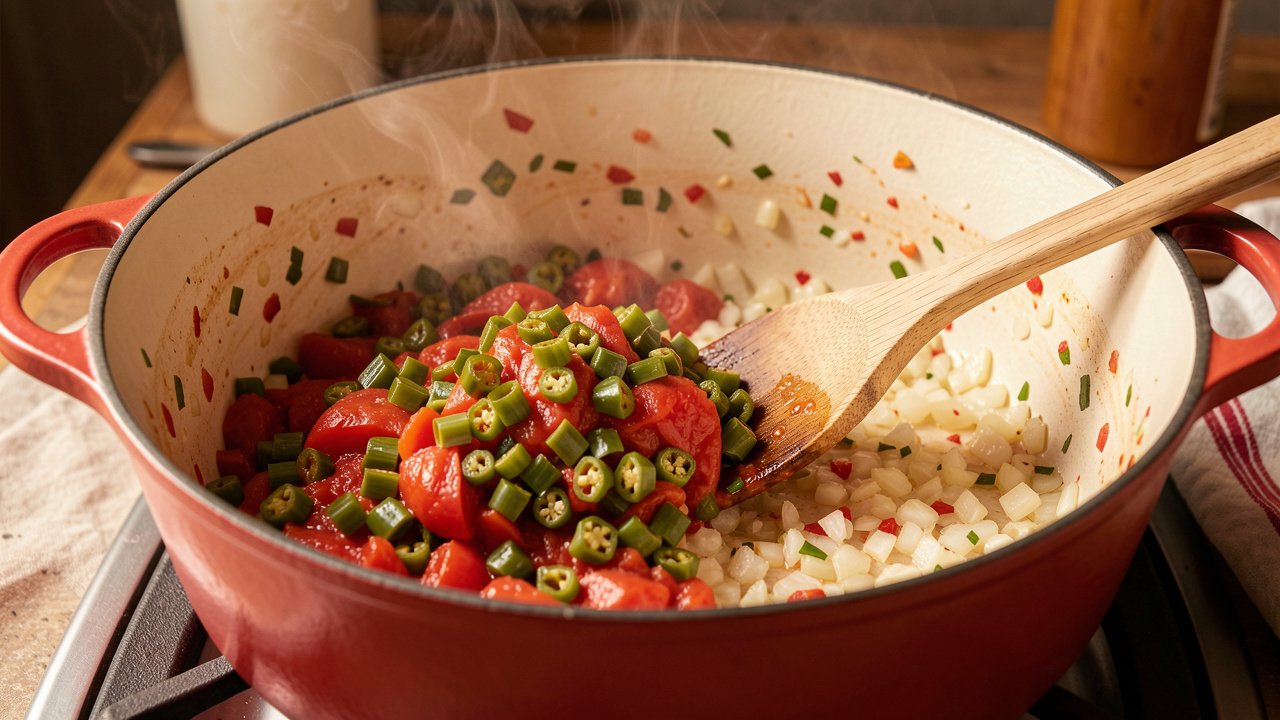
Stir in the roasted green chilies and the diced tomatoes with their juice. Cook 3 to 4 minutes, letting the tomatoes soften and the mixture smell bright and savory. Scrape the bottom well so none of the fond stays stuck; that is where the depth lives.
Return the Beef and Simmer Low
Add the browned beef back to the pot along with any juices from the plate, the bay leaf, and the cayenne if using. Pour in the warm beef broth until the meat is just covered. Bring it to a bare simmer, then lower the heat, partly cover, and cook gently for 1.5 to 2 hours. You want lazy bubbles, not a rolling boil, or the beef will tighten and dry out.
Check, Season, and Serve
The stew is ready when the beef pulls apart easily and the broth has thickened enough to coat a spoon. Fish out the bay leaf, then taste and adjust with more salt or a pinch of cayenne. Stir in most of the cilantro and serve hot with warm tortillas or rice, saving a little cilantro and some lime wedges for the table.
Chef’s Tips From Real Kitchen Testing
I sear the beef straight from the fridge. Cold cubes, patted dry, hold their shape and color faster than meat that has warmed up and begun to sweat.
Once the onions soften, I splash in a little broth and scrape the pot hard. Every stuck-on brown bit lifts free, and that is where a lot of the flavor was hiding.
I taste a piece of chili before it goes in, since heat swings from mild to fiery by batch. I start light and stir in cayenne only at the end, once I know how hot the pot already runs.
Recipe Variations
Serving Suggestions
- Warm flour or corn tortillas for scooping
- Steamed white or cilantro-lime rice
- A fried egg on top for a hearty brunch bowl
- Diced avocado, lime wedges, and extra cilantro
Nutrition Facts
Values are estimates per serving of stew, without tortillas or rice, and vary with the cut of beef used.
Make-Ahead Tips
Like most braises, I think this stew is even better the next day, because a night in the fridge lets the beef drink up the broth and the flavors settle. Cook it fully, cool it, and refrigerate. Reheat gently with a splash of broth to loosen it, then stir in fresh cilantro and lime right before serving so they stay bright.
Storage, Freezing & Reheating
Common Mistakes to Avoid
Troubleshooting
Beef still tough? It just needs more time on the stove. Keep it at a low, covered simmer and check every 20 minutes until a cube falls apart easily.
Broth too thin? Uncover and simmer harder for 10 to 15 minutes to reduce, or mash a few tomato pieces against the side of the pot to thicken it.
Too spicy? Stir in another spoonful of tomato or a little broth to dilute the heat, then serve alongside rice or avocado to cool each bite.
A Note on Southwestern Green Chili
Green chili stews are a cornerstone of New Mexican and Southwestern cooking, built on roasted chilies that ripen each late summer along the Rio Grande. Folding in tomatoes is my own twist, and it lends this version extra body and a gentle tang that balances the beef. If you love spiced tomato dishes, our homemade tomato salsa makes a great side, our tomato chicken noodle soup is a lighter cousin, and a batch of home-canned crushed tomatoes keeps stews like this within reach all winter.