Filipino Recipes
Filipino Beef and Saba Banana Stew in Tomato Sofrito Broth
Last updated: September 30, 2026
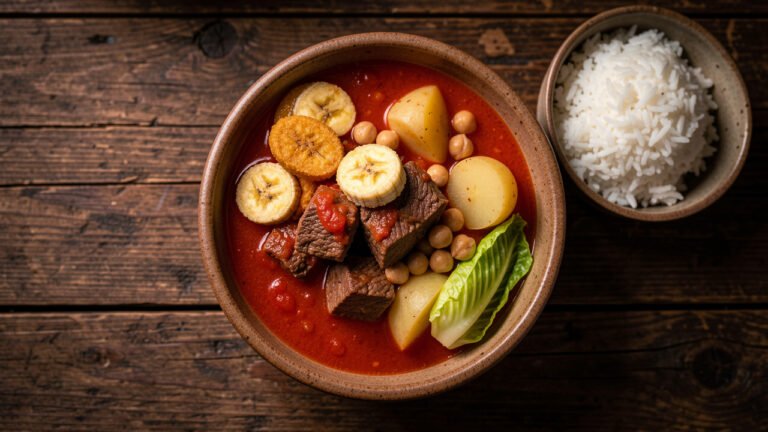
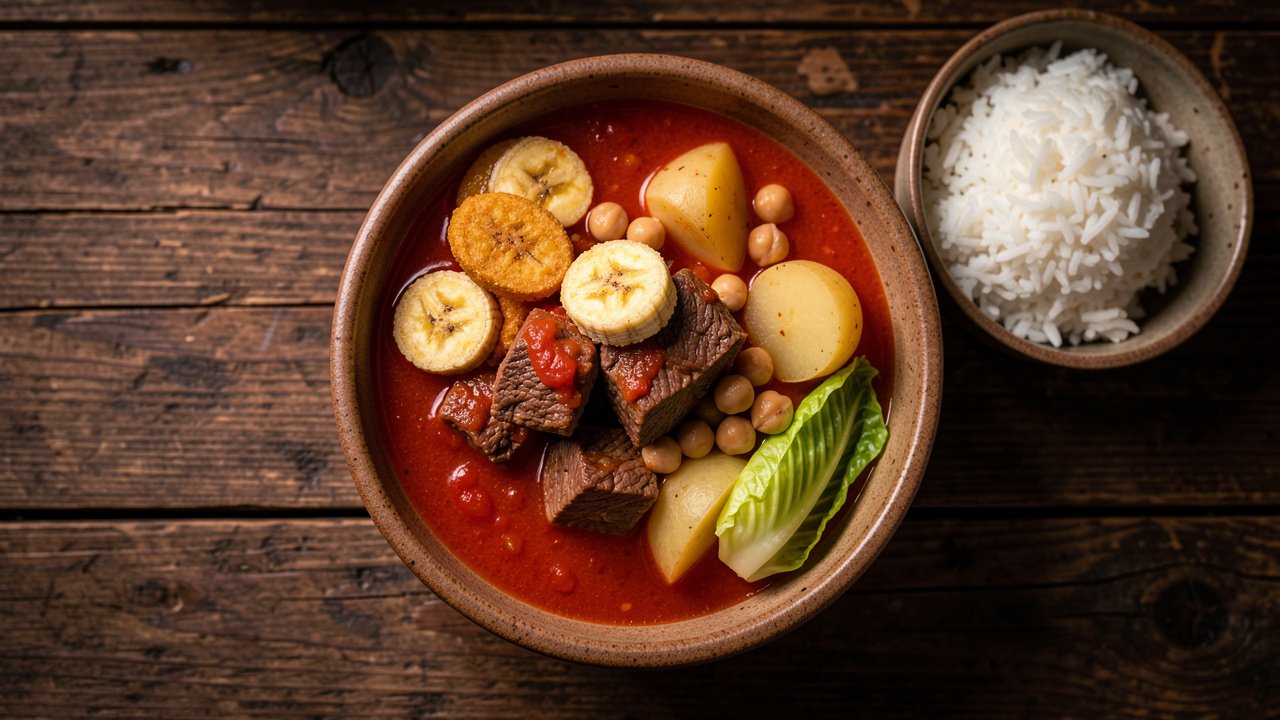
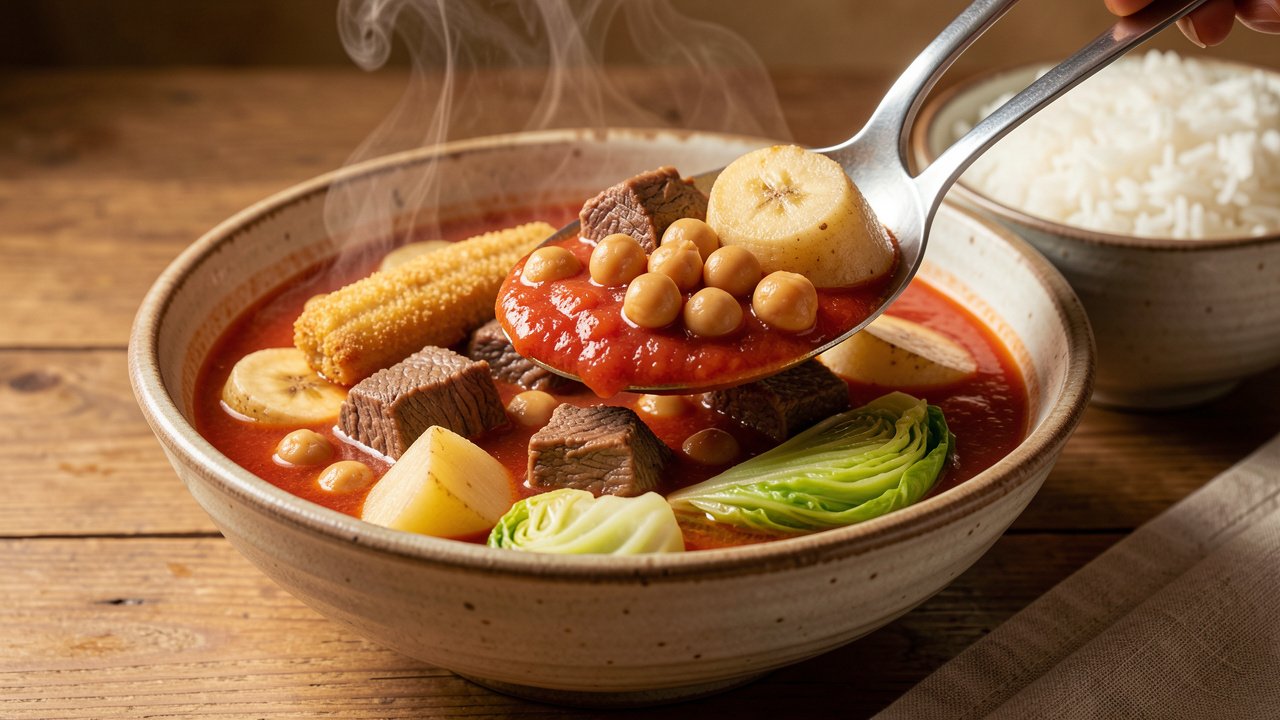
Pochero is Filipino comfort in one pot: chunks of beef braised slow in a garlicky tomato broth, studded with sweet fried saba banana, creamy chickpeas, potato, and wedges of cabbage dropped in at the last minute. It is a homey Sunday stew, the kind that fills a kitchen with the smell of simmering tomato and sits at the center of the table with a mountain of rice.
What sets pochero apart is that gentle sweetness. The saba banana, fried until its edges caramelize, melts against the savory tomato base, while the chickpeas and potato make it hearty enough to be a whole meal. Nothing here is difficult; it just rewards patience, since the beef needs a long, lazy simmer to turn spoon-tender.
Why This Pochero Works
Great pochero balances three things: a deeply savory tomato broth, beef braised until it yields to a spoon, and the sweet counterpoint of fried saba banana. Get those working together and the pot practically makes itself. The method here browns the beef first for a meaty backbone, builds a proper sofrito, and treats each vegetable on its own timeline so nothing turns to mush.
The broth begins the way most good tomato cooking does, with onion and plenty of garlic softened in oil, then tomato paste stirred in and toasted until it darkens and sweetens. Tomato sauce and broth join to make a loose, spoonable stew rather than a thick gravy, because pochero is meant to be ladled generously over rice with the broth pooling around the grains.
Timing is the quiet trick. The beef gets the long simmer it needs to relax; the potato and chickpeas go in partway so they cook through without falling apart; the saba banana is fried separately and added near the end so it stays whole and caramelized; and the cabbage goes in for only the last few minutes so it stays bright and crisp-tender.
It is also a generous, flexible dish. Pochero was built to stretch a piece of meat into a meal for the whole family, so you can lean on more vegetables, swap in chicken, or add extra saba for a sweeter bowl. Keep the tomato base and the fried banana constant and it always tastes like home cooking.
Pro observation: Pochero is fully halal as written, built on beef with no forbidden ingredients. Traditional versions sometimes add a cured sausage, but it is unnecessary; the broth gets all its depth from browned beef, toasted tomato, garlic, and a splash of fish sauce.
Ingredients
Kitchen Measurement Converter
Need to convert an amount while you measure? Pick a category, enter a value, and the result updates instantly.
Ingredient Notes & Substitutions
Beef
Use a cut that loves a long braise: chuck, shank, or brisket all turn tender and add body to the broth. Bone-in beef shank, with its marrow, gives the richest stew. For a lighter, quicker pot, bone-in chicken thighs work well and cut the cooking time roughly in half.
Saba Banana
Saba is a short, starchy cooking banana, the heart of true pochero. Choose ones that are ripe but still firm. If you cannot find saba, a firm yellow plantain is the closest swap; avoid soft dessert bananas, which dissolve completely in the broth.
Chickpeas & Potato
Canned chickpeas (garbanzos) are quick and reliable; just drain and rinse them. Dried chickpeas soaked and cooked until tender work beautifully too. Any waxy or all-purpose potato holds its shape well; cut the pieces large so they do not crumble into the sauce.
Tomatoes & Broth
Tomato sauce gives a smooth, brothy base while tomato paste deepens the color and savor. A good beef broth is ideal, but water plus a splash of fish sauce still builds real flavor as the beef simmers. Fish sauce (patis) is the traditional seasoning; use light soy sauce if you prefer.
Equipment
- Large heavy pot or Dutch oven
- Frying pan for the banana
- Wooden spoon
- Sharp knife and board
- Tongs
- Ladle
Before You Start
1. Pick saba bananas that are ripe but still firm. A fully black, soft banana collapses into the broth and clouds it the moment it simmers, while a firm yellow-with-a-little-green saba holds its shape and caramelizes cleanly when you fry it. If yours are very ripe, fry them a touch harder and add them later.
2. Pat the beef dry and cut it into even chunks. Surface water makes meat steam instead of sear, and it is the brown crust that dissolves into the tomato broth and gives pochero its meaty backbone. Blot the pieces, cut them to a uniform 1.5 inches, and brown them in an uncrowded batch.
3. Cut the cabbage into wedges through the core, and hold it aside. Sliced through the stem each wedge stays in one liftable piece instead of shredding loose, and keeping it off to the side means you can add it at the very end, when there is only a few minutes of cooking left.
Step-by-Step Instructions
Pochero rewards a little organization. Brown the beef and start its long simmer first, then fry the banana and ready the vegetables while the pot does its slow work, so everything comes together tender and bright at the end.
Brown the Beef
Pat the beef chunks dry and season them with salt and pepper. Warm 1 tablespoon of the oil in a large heavy pot over medium-high heat and brown the beef in an uncrowded batch, turning until a deep crust forms on all sides, about 6 to 8 minutes. Lift the beef out and set it aside; the browned bits left in the pot are pure flavor.
Build the Tomato Sofrito
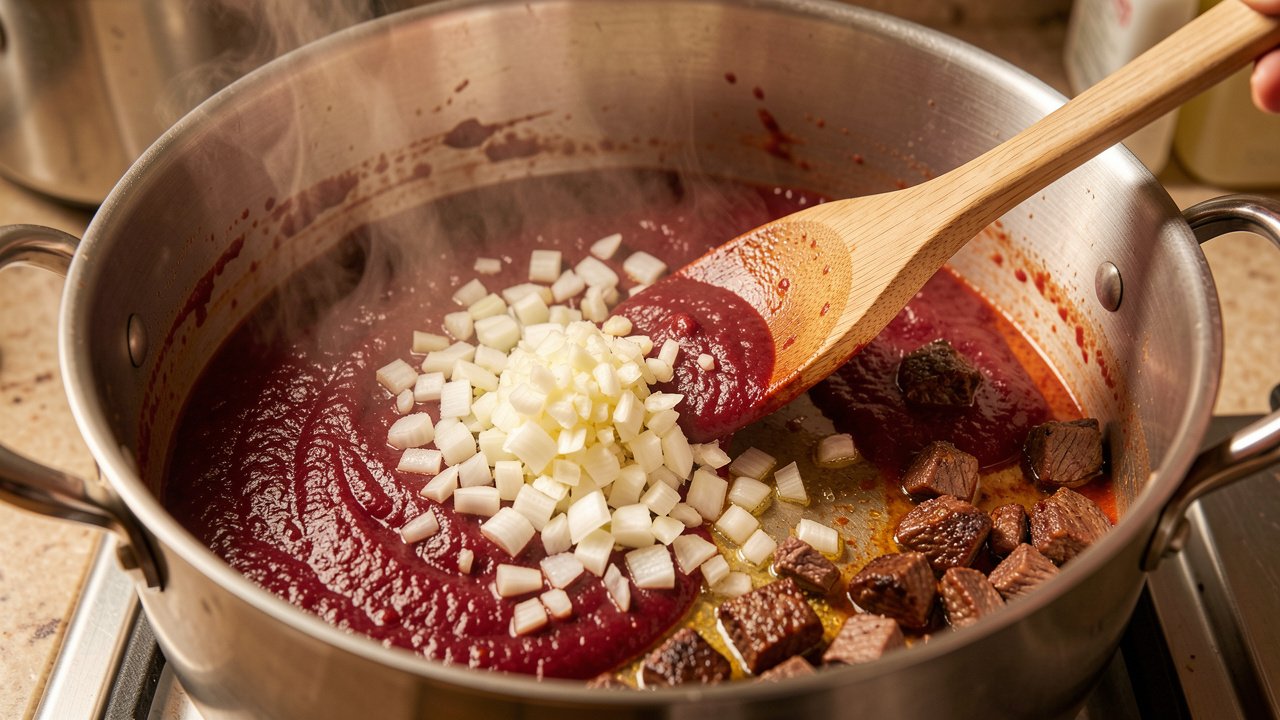
Lower the heat to medium and add the remaining tablespoon of oil. Cook the onion with a pinch of salt for 4 to 5 minutes until soft, then stir in the garlic and cook 1 minute until fragrant. Add the tomato paste and stir it around the pot for a full minute, until it darkens and smells sweet, scraping up the browned bits from the beef.
Braise the Beef Until Tender
Return the beef and any juices to the pot. Pour in the tomato sauce, the beef broth or water, and the fish sauce, and stir well. Bring to a boil, then lower to a gentle, lazy simmer, cover, and cook until the beef is fork-tender, about 1 hour and 15 minutes. Keep the heat low; a hard boil only tightens the meat and makes it stringy.
Fry the Saba Banana
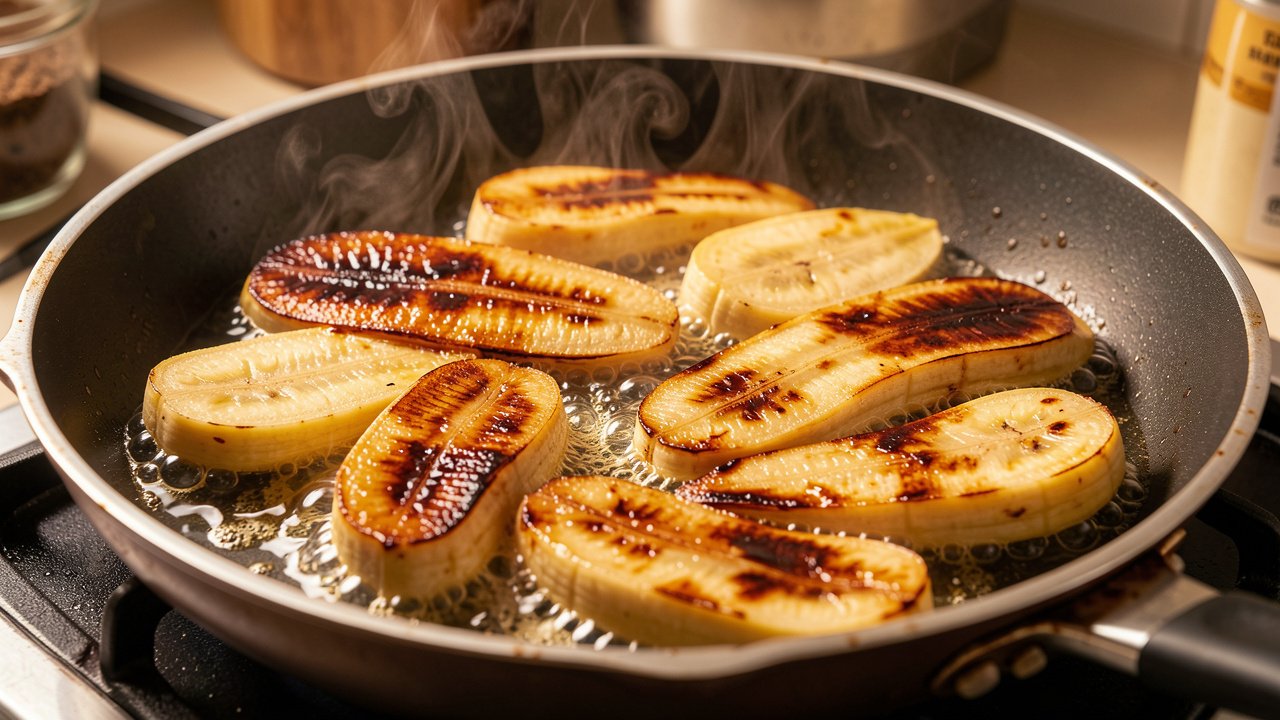
While the beef braises, heat a little oil in a frying pan over medium heat. Fry the halved saba bananas for 2 to 3 minutes per side, until the cut edges turn golden and caramelized. Lift them out and set aside. Frying first keeps them whole and sweet; dropped raw into the broth they would simply turn to mush.
Add the Potatoes, Chickpeas and Banana
Once the beef is tender, add the quartered potatoes and simmer, covered, for about 12 minutes until they are nearly done. Stir in the drained chickpeas and the fried saba banana and cook another 5 minutes, just to warm them through. Taste the broth now and adjust with a little more fish sauce or a pinch of salt.
Add the Cabbage and Serve
Slide the cabbage wedges into the pot, pressing them just under the broth. Cover and cook 3 to 4 minutes only, until the cabbage is bright green and crisp-tender. Take the pot off the heat right away so the cabbage keeps its color. Ladle the beef, banana, and vegetables into bowls with plenty of broth, and serve hot with steamed rice.
Chef’s Tips From Real Kitchen Testing
Give each component its own timeline. Braise the beef long and low first, add potato and chickpeas partway, fry the banana separately, and drop the cabbage in only at the end so nothing turns to mush.
Do not skip browning the beef. That crust is where the broth gets its meaty depth, and the browned bits scraped up under the sofrito are what make the tomato base taste slow-cooked.
Season in stages and taste at the end. Fish sauce is salty and the broth reduces as it simmers, so add it gradually and make your final adjustment after the vegetables are in.
Recipe Variations
Serving Suggestions
- A big bowl of hot steamed white rice
- A small dish of fish sauce with a squeeze of calamansi or lime
- Extra fried saba banana on the side
- A simple tomato and onion salad for freshness
Nutrition Facts
| Nutrient | Amount per serving |
|---|---|
| Calories | 470 |
| Protein | 32 g |
| Carbohydrates | 45 g |
| Fat | 18 g |
| Saturated Fat | 6 g |
| Fiber | 7 g |
| Sugar | 12 g |
| Sodium | 780 mg |
Values are estimates per serving and vary with the exact cut of beef and brands you use.
Make-Ahead Tips
Pochero is even better the next day. Cook the beef through its braise, cool, and refrigerate; the tomato broth deepens overnight. When you are ready to eat, reheat to a simmer, then add the fried banana, potato, chickpeas, and cabbage fresh, so the vegetables stay bright and the banana holds its shape.
Storage, Freezing & Reheating
Common Mistakes to Avoid
Troubleshooting
Broth too thin? Uncover and simmer a few minutes longer to reduce it, or stir in an extra spoonful of tomato paste to thicken and deepen the base.
Beef still tough? It simply needs more time. Keep the pot at a low, covered simmer and check every 15 minutes; tough cuts turn tender only when they are ready, not when they are rushed.
Banana falling apart? The saba was overripe or simmered too long. Use firmer bananas, fry them a little harder, and add them only in the last few minutes to warm through.
A Note on Filipino Cooking
Pochero takes its name from the Spanish “puchero,” meaning the cooking pot itself and, by extension, a boiled dinner of meat and vegetables simmered in one vessel. The dish traveled to the Philippines during the long centuries of Spanish influence and was localized into something distinctly Filipino: the tomato base stayed, but sweet saba banana and chickpeas were folded in, giving the stew its signature sweet-savory character.
It sits within a family of Filipino tomato braises brought and reshaped from the Spanish kitchen. It is a close cousin of mechado, a beef braise sharpened with soy and calamansi, and of chicken afritada, a tomato stew with peppers and potato. The dish most often confused with pochero is nilaga, a plain boiled beef in clear broth; pochero sets itself apart with its tomato sofrito and the sweet fried saba banana that nilaga never includes.
What keeps pochero on Filipino tables is exactly what shaped it: it is generous, forgiving, and made to feed a family from one pot. Keep the tomato broth and the fried banana constant, lean on whatever vegetables you have, and serve it over rice, and you have a bowl that tastes of home. It shares that make-a-meal-stretch spirit with dishes far across the map, from Cuban picadillo to the Cape Verdean stew cachupa.