Cape Verdean Recipes
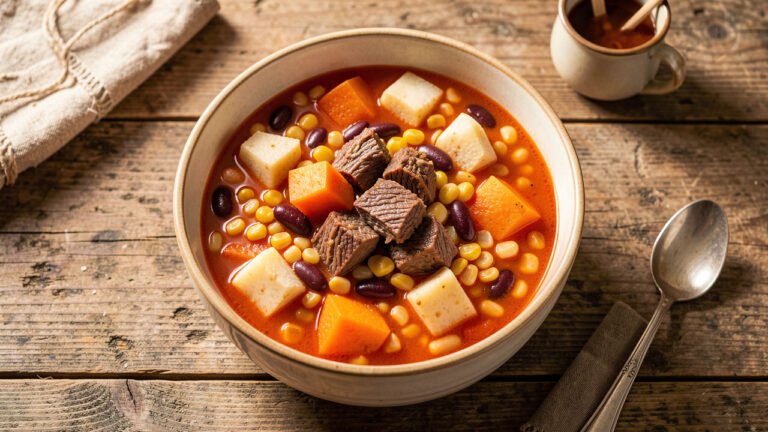
Cape Verde’s National Hominy and Bean Stew
Cachupa is not a dish you rush. It is the kind of stew that fills the whole house with a warm, savory smell while it burbles quietly on the back of the stove. Every island in Cape Verde makes it a little differently, and every family swears their version is the right one, but the heart of it never changes: hominy corn and beans, coaxed slowly to tenderness alongside sweet roots and greens.
The first time I made it, I got impatient and turned the heat up to hurry the corn along. Big mistake. The corn stayed stubbornly firm while the vegetables fell apart, and the broth never developed that deep, rounded flavor. Cachupa taught me the value of a long, low simmer, and now I treat it as a weekend project rather than a weeknight scramble.
Why This Cachupa Works
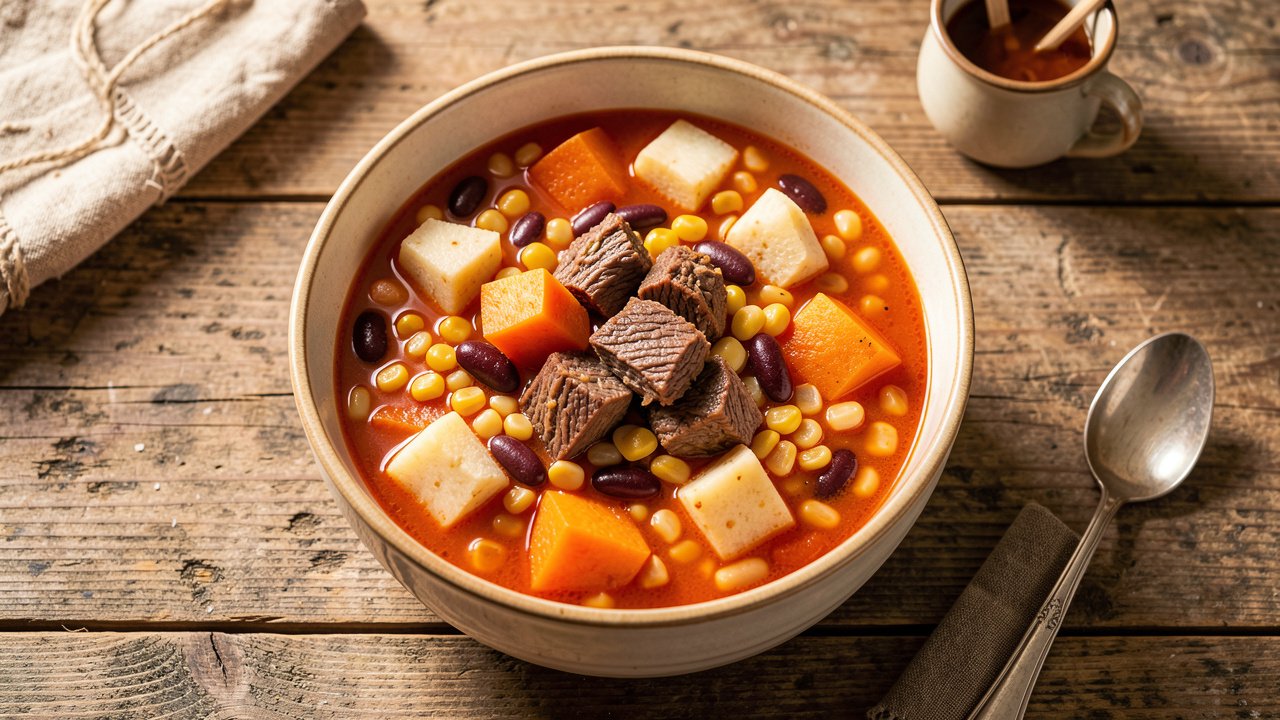
Cachupa works because it lets time do the heavy lifting. Dried hominy corn and beans need hours to soften into something creamy and satisfying, and as they simmer they release starch that thickens the broth into a rich, spoon-coating base. There is no shortcut that gives you the same body; a long, gentle cook is the whole point.
The tomatoes and paprika build a warm, savory foundation, while onion and garlic melt into the background and season everything from within. Bay leaves add a quiet, herbal depth that you notice most when it is missing. Together they turn a pot of corn, beans, and water into something that tastes like it took a village to make.
The root vegetables are what set cachupa apart from a plain bean stew. Sweet potato, cassava, and squash break down at the edges and thicken the broth further, lending a gentle sweetness that balances the savory beans. Cabbage, added later, keeps a little bite and freshness so the bowl never feels heavy or one-note.
It is also gloriously flexible. Cooks use halal beef or halal chicken, or skip the meat entirely for the beloved vegetarian version known as cachupa pobre. Once you understand the rhythm of the pot, you can lean it richer or lighter depending on what you have and who you are feeding.
Pro observation: Cachupa is ready when the corn is tender enough to squash against the side of the pot and the broth has thickened on its own. If it still looks thin and watery, it simply needs more time, not more thickener.
Ingredients
Kitchen Measurement Converter
Cachupa scales up easily for a crowd, so a quick unit conversion comes in handy. Pick a category, enter a value, and the result updates instantly without leaving the recipe.
Ingredient Notes & Substitutions
Hominy Corn
Dried hominy corn is the soul of cachupa and needs a long soak, ideally overnight. If you cannot find dried, canned or precooked hominy works and cuts the cooking time sharply, though the broth is a touch less rich.
Beans
Kidney and butter (lima) beans are traditional, but pinto or borlotti beans are fine stand-ins. Soak dried beans overnight with the corn so they finish tender at the same time.
Halal Beef
Use a well-marbled cut of halal beef such as chuck or shin that turns meltingly tender over a long simmer. Halal chicken thighs work too, added later so they do not dry out. For cachupa pobre, leave the meat out entirely.
Root Vegetables
Sweet potato, cassava, and winter squash give body and sweetness. If cassava is hard to find, use extra sweet potato or a waxy potato. Cut the roots in generous chunks so they hold their shape.
Equipment
- Large heavy stockpot
- Wooden spoon
- Sharp knife and board
- Colander for soaking
- Ladle
- Measuring cups
Before You Start
1. Soak the corn and beans the night before. Cover the dried hominy corn and beans generously with cold water and let them soak at least 8 hours, or overnight. This is the single most important step for tender results.
2. Cut the roots in big, even chunks. Sweet potato, cassava, and squash should be sturdy enough to survive a long simmer without dissolving completely, so avoid cutting them too small.
3. Clear your afternoon. Cachupa is hands-off but slow. Once it is simmering it mostly looks after itself, so plan it for a relaxed day when you can stir it now and then.
Step-by-Step Instructions
Soak and Drain
The night before, cover the dried hominy corn and both beans with plenty of cold water and leave them to soak for at least 8 hours. When you are ready to cook, drain and rinse them well. They will have plumped up and be ready to simmer into tenderness.
Start the Corn and Beans
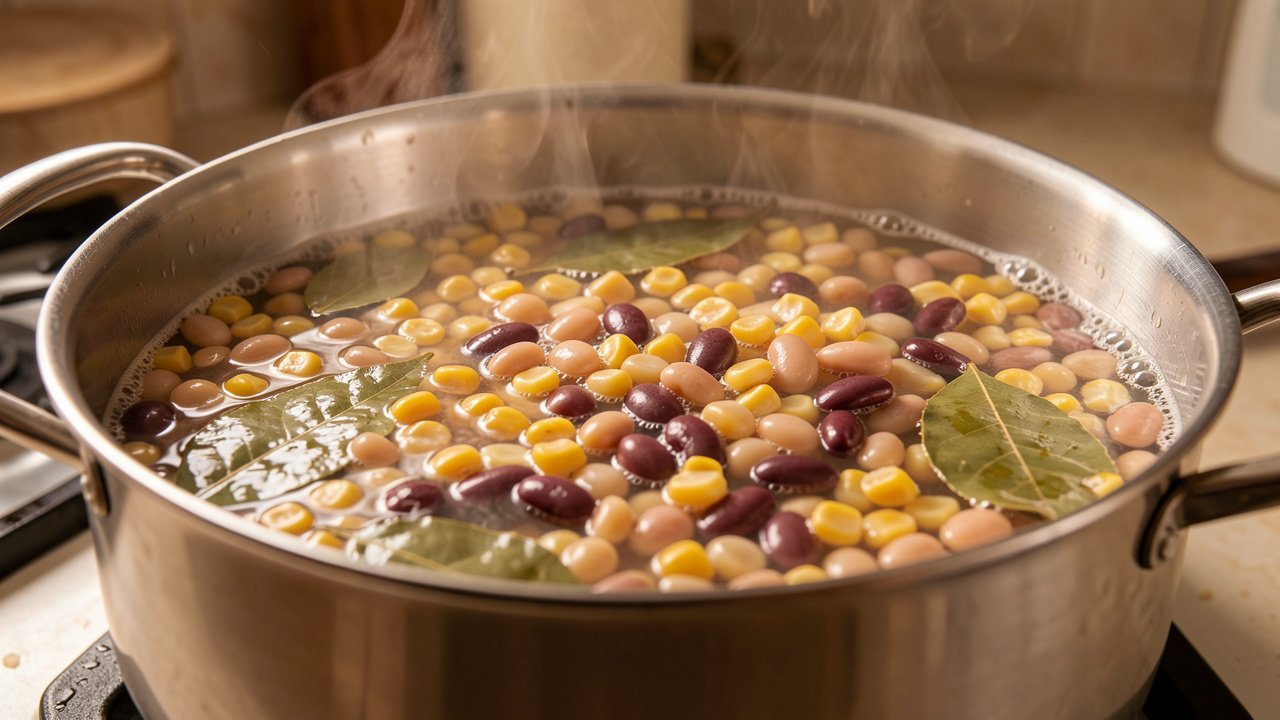
Put the soaked corn and beans in a large stockpot, cover with fresh water by about two inches, and add the bay leaves. Bring to a boil, then lower to a gentle simmer. Let them cook, partly covered, for about 1 hour while you prepare everything else. Top up with hot water if the level drops too far.
Brown the Halal Beef
While the corn simmers, heat the olive oil in a wide pan over medium-high heat. Pat the halal beef chunks dry, season with a little salt and pepper, and brown them on all sides until deeply colored, about 6 to 8 minutes. Work in batches so the pan is not crowded, then set the meat aside. Those browned bits are pure flavor.
Build the Tomato Base
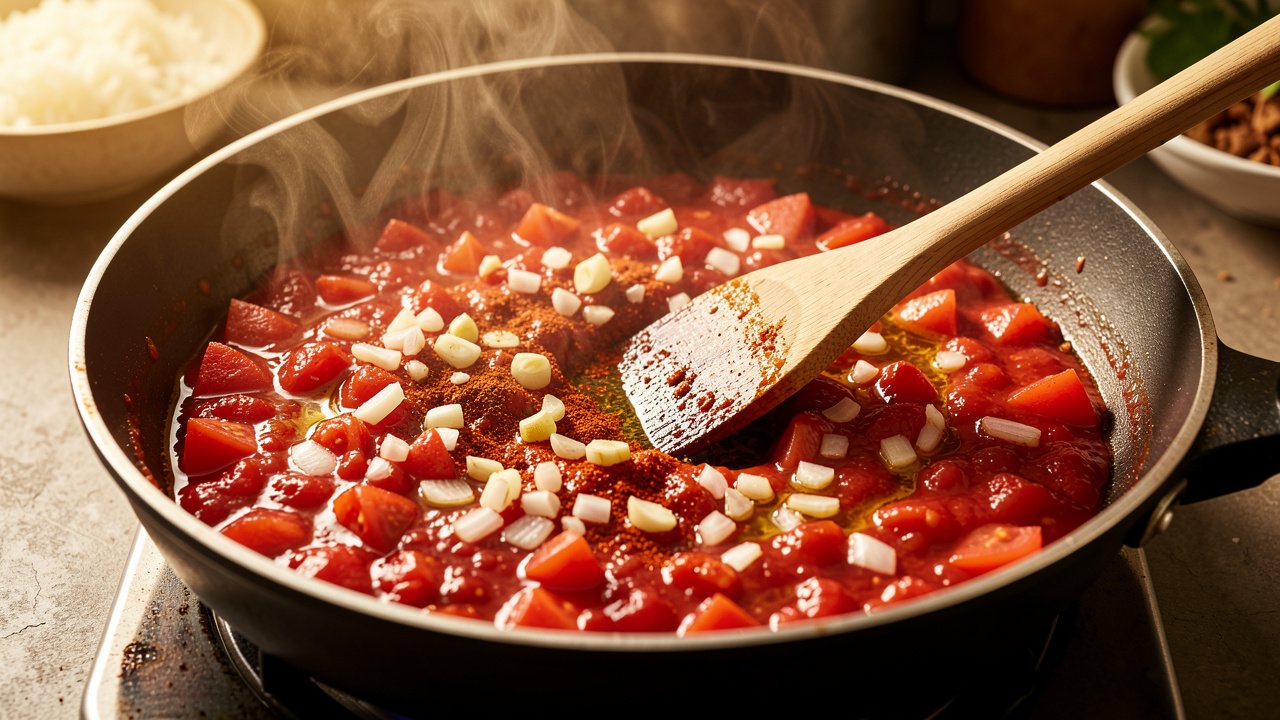
Lower the heat to medium and add the chopped onions to the same pan. Cook 5 to 6 minutes until soft, then stir in the garlic and paprika and cook 1 minute until fragrant. Add the chopped tomatoes and a pinch of salt, and cook 8 to 10 minutes, stirring, until they collapse into a thick, jammy sauce and the oil glistens at the edges.
Combine and Slow Simmer
Scrape the tomato base and the browned beef into the pot with the corn and beans. Stir well, add the salt and black pepper, and bring back to a gentle simmer. Cover partly and let everything cook low and slow for about 1 hour, stirring occasionally, until the corn and beans are tender and the beef is fork-soft. Keep the liquid generous.
Add the Root Vegetables
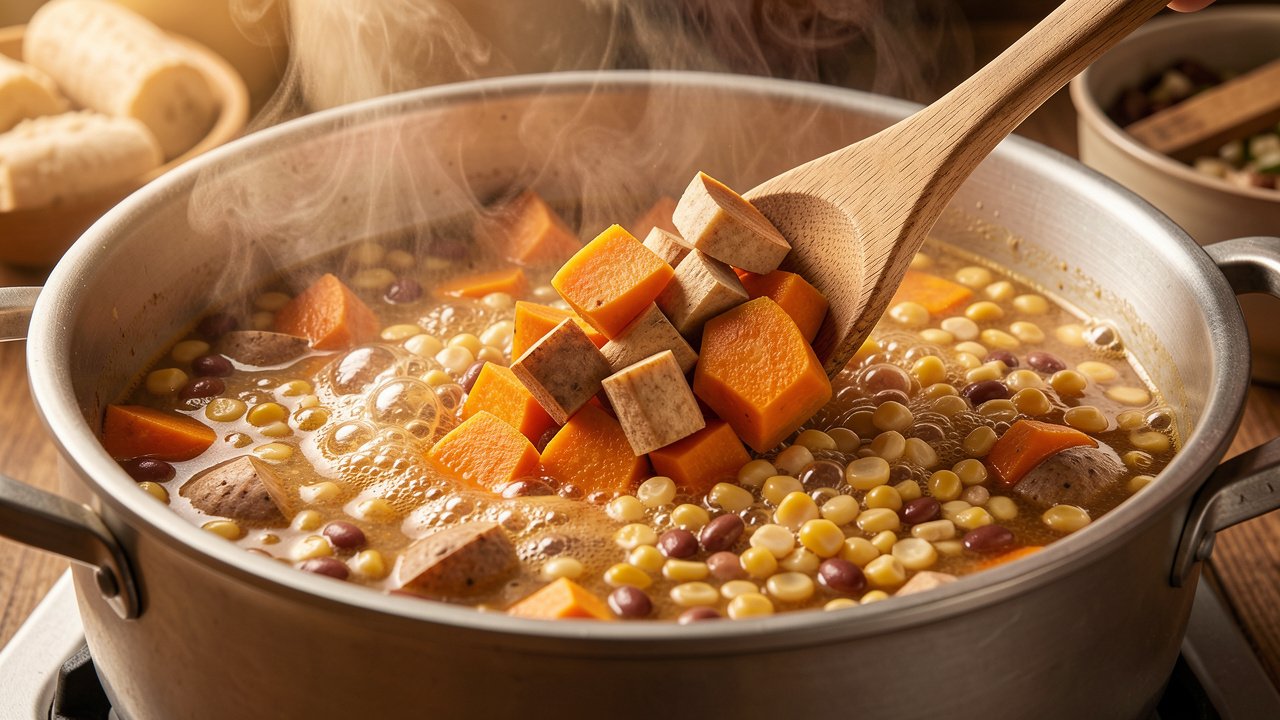
Stir in the sweet potato, cassava, and squash. These roots need less time than the corn, so they go in now. Simmer another 25 to 30 minutes until they are tender when pierced with a knife. As they soften, they release starch that thickens the broth into that signature hearty consistency.
Stir in the Cabbage
Add the sliced cabbage and stir it into the stew. It needs only 10 to 15 minutes to soften while keeping a little freshness, so it goes in near the end. Taste the broth now and adjust the salt and pepper. It should taste rounded and savory, with the sweetness of the roots balancing the beans.
Rest, Check, and Serve
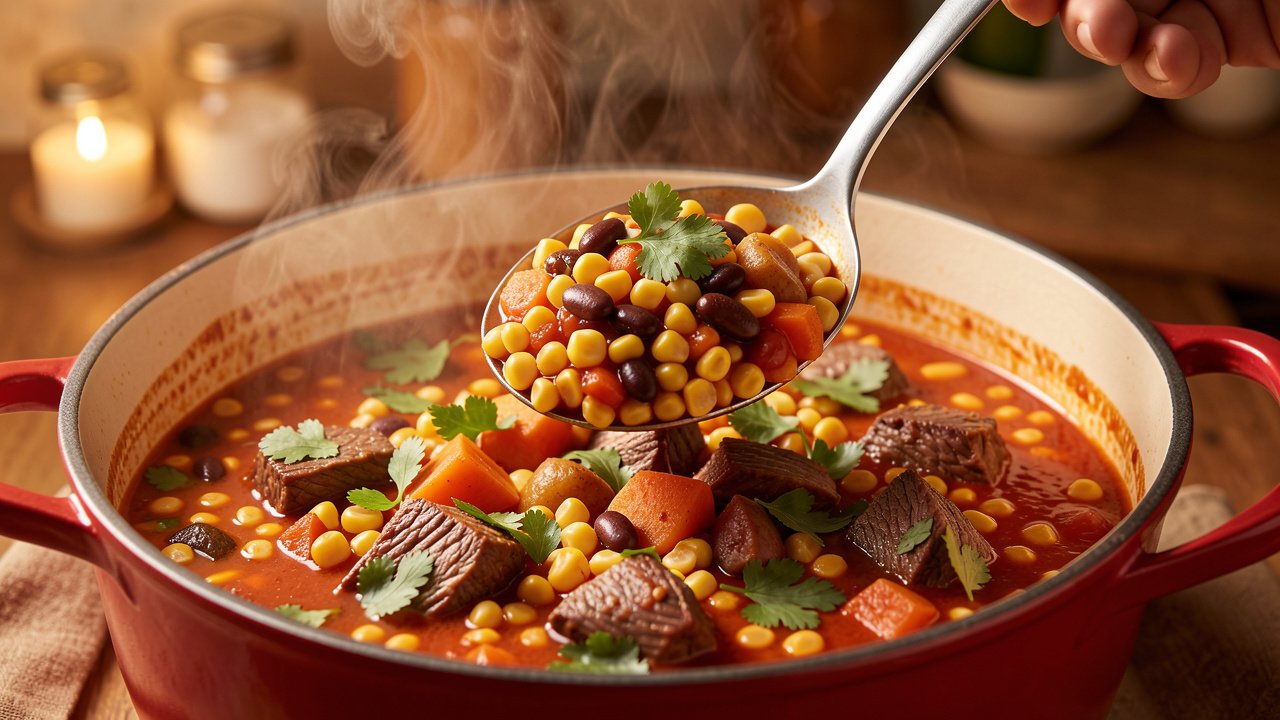
Turn off the heat and let the cachupa rest 10 minutes so the flavors settle and the broth thickens further. Before serving, make sure the beef is fully cooked through with no pink remaining; it should reach an internal temperature of 145F for whole cuts, or 160F if you used ground meat, and be tender enough to pull apart easily. Scatter the fresh cilantro or scallions over the top and ladle into deep bowls.
Chef’s Tips From Real Kitchen Testing
Never skimp on the soak. Corn and beans that go into the pot dry will still be chalky hours later while the vegetables have collapsed. An overnight soak is what keeps everything on schedule.
Keep the simmer gentle. A hard boil breaks the vegetables apart and can make the broth cloudy and muddy. Low and slow gives you tender corn and a clear, deep-flavored broth.
Season in stages. Salt the beans early so they absorb it, then taste and adjust again at the end once the roots have added their sweetness. Cachupa needs enough salt to lift all those gentle flavors.
Recipe Variations
Serving Suggestions
- Crusty bread to mop up the broth
- A fresh green salad with lime dressing
- Extra chopped cilantro and scallions
- A spoonful of chili sauce for heat
Nutrition Facts
| Nutrient | Amount per serving |
|---|---|
| Calories | 430 |
| Protein | 28 g |
| Carbohydrates | 52 g |
| Fat | 12 g |
| Saturated Fat | 3 g |
| Fiber | 12 g |
| Sugar | 8 g |
| Sodium | 640 mg |
Values are estimates per serving and vary with the exact ingredients and brands you use.
Make-Ahead Tips
Cachupa is famous for tasting even better the next day, which makes it a perfect make-ahead meal. Cook it fully, cool it, and refrigerate overnight so the flavors deepen and the broth thickens. Reheat gently on the stove, adding a splash of water if it has become too thick. Many Cape Verdean families deliberately cook a big pot precisely so there are leftovers for the days ahead.
Storage, Freezing & Reheating
Common Mistakes to Avoid
Troubleshooting
Corn still hard after hours? It was probably not soaked long enough or the simmer was too low. Keep cooking with plenty of hot water; it will get there eventually.
Broth too thin? Mash a few pieces of cooked root vegetable against the side of the pot and stir them in, then simmer uncovered a while longer to reduce.
Tastes flat? It almost always needs more salt. Add it a little at a time, then a squeeze of lime or extra fresh herbs to brighten the finish.
A Note on Cape Verdean Cooking
Cachupa is more than a recipe in Cape Verde; it is a national symbol, cooked in homes across all ten islands and served at gatherings large and small. Each island leans on what grows locally, so a cachupa from one place may be soupier or drier, richer or more vegetable-forward, than another, yet the base of hominy corn and beans is a constant everywhere.
The hominy corn at its heart is a legacy of the archipelago’s history, treated and dried so it keeps well and softens into that creamy, comforting texture over a long cook. Nothing goes to waste: yesterday’s cachupa becomes today’s fried breakfast, cachupa refogada, crisped in a pan and crowned with an egg. If you love slow, hearty bowls like this, our hearty tomato lentil soup shares the same patient, warming spirit.
Frequently Asked Questions
More Tomato Recipes to Try
Last updated: September 29, 2026