Cuban Recipes
Slow-Braised Shredded Beef in Tomato Sofrito
Last updated: September 30, 2026
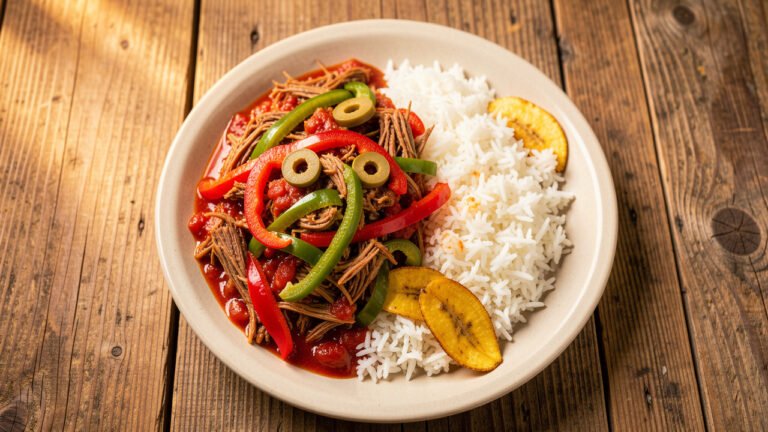
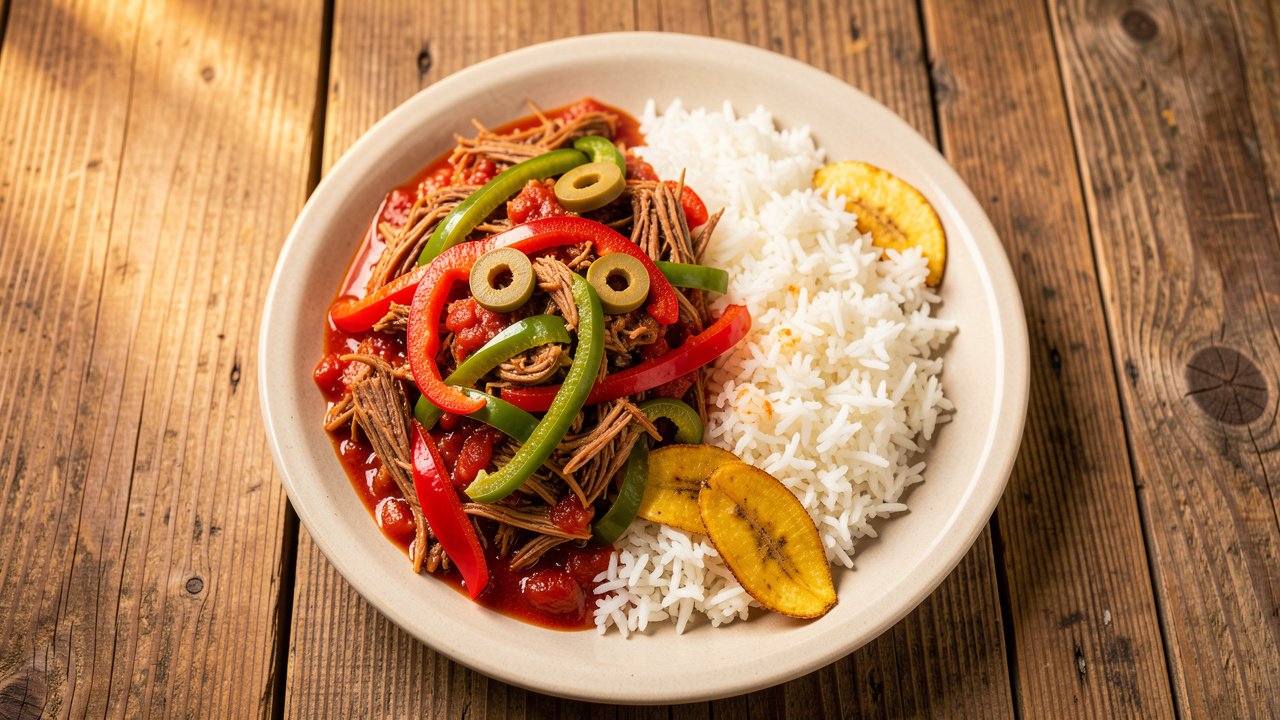
Ropa vieja is one of those dishes that fills the whole house with the smell of slow-cooked beef and sweet peppers. A tough cut of steak is braised low and slow until it falls apart, then shredded into ribbons and folded back into a deep, glossy tomato sofrito loaded with onion, pepper, garlic, and briny olives. It is patient, forgiving, one-pot cooking, and the reward is a plateful of tender, savory beef that tastes like it took all day, because it did.
Why This Ropa Vieja Works
Ropa vieja rewards two simple habits: pick the right cut, and give it time. Flank or skirt steak has long, straight muscle fibers that shred into the signature ribbons once they are braised soft. Braising in liquid, low and slow, dissolves the connective tissue so the beef pulls apart with a fork instead of fighting back. Rush the heat and the meat stays tight; be patient and it turns silky.
The flavor comes from the sofrito, the aromatic base that anchors so much Cuban cooking. Onion and both green and red bell pepper soften in olive oil until sweet, then garlic, cumin, and tomato paste go in and deepen everything before the tomatoes arrive. Cooking the paste for a minute pulls out its raw edge and builds a savory backbone the whole dish leans on.
Returning the shredded beef to the sauce is where the magic finishes. The strands drink up the tomato and pepper as they simmer together, so every ribbon of meat carries the flavor of the sofrito. A handful of pimiento-stuffed olives stirred in at the end brings a salty, briny lift that keeps the rich beef from feeling heavy.
It is also a make-ahead dream. Like most braises, ropa vieja tastes even better the next day once the flavors have had a night to settle, which makes it ideal for feeding a crowd or getting ahead on the week. Reheat it gently and it comes right back to life.
Pro observation: The beef is ready to shred when a fork twisted into it pulls the fibers apart with almost no resistance. If it still clumps or feels springy, it needs more time in the braise, not more heat.
Ingredients
Kitchen Measurement Converter
Need to convert an amount while you measure? Pick a category, enter a value, and the result updates instantly.
Ingredient Notes & Substitutions
The Beef
Flank steak is the classic choice because its long fibers shred into clean ribbons. Skirt steak works just as well and is often even more tender. A lean chuck cut can stand in, though it shreds into shorter, chunkier pieces rather than strands.
Tomatoes
Canned crushed tomatoes give a smooth, reliable base year round, while tomato paste adds concentrated depth. In peak season you can swap in about a pound of ripe fresh tomatoes, chopped and cooked down a little longer to thicken.
Peppers & Onion
Green and red bell peppers together give the sofrito both a savory bite and a touch of sweetness. Use all green for a more traditional, sharper flavor, or add a red or yellow pepper for extra color and mellow sweetness.
Olives & Seasonings
Pimiento-stuffed green olives are traditional and bring a briny lift; a spoonful of their brine or a few capers deepen it further. Cumin and bay are the backbone spices. A splash of vinegar at the end brightens the whole pot.
Equipment
- Dutch oven or heavy pot
- Tongs
- Two forks for shredding
- Sharp knife and board
- Wooden spoon
- Measuring spoons
Before You Start
1. Cut the flank to fit, and read the grain now. A 2 lb flank is usually longer than a Dutch oven is wide, so cut it crosswise into 2 or 3 pieces that sear flat. Note which way the fibers run; after two hours of braising they are much harder to see, and you will shred along them.
2. Pat the steak bone dry and wait for shimmering oil. Damp beef in a lukewarm pot steams gray instead of browning, and that seared crust is what flavors the braising liquid, which later becomes the base of the whole sauce.
3. Clear two and a half hours and keep the braising liquid. The flank needs at least 90 minutes at a bare simmer and cranking the heat only tightens it. When the beef comes out, set the pot liquid aside; it goes back into the sofrito, so do not pour it down the sink.
Step-by-Step Instructions
Ropa vieja is a two-stage dish: first you braise the beef until it shreds, then you build the sofrito and bring everything together. Most of the time is hands-off simmering, so start early and let the pot do the work.
Braise the Beef
Pat the steak dry and season it well with salt and pepper. Heat 1 tablespoon of the olive oil in a Dutch oven over medium-high heat and sear the beef on both sides until browned, about 3 minutes per side. Pour in the beef broth, add one bay leaf, cover, and simmer gently for 1 hour and 30 minutes to 2 hours, until the meat is fork-tender. Lift the beef out to rest and reserve the braising liquid.
Build the Sofrito
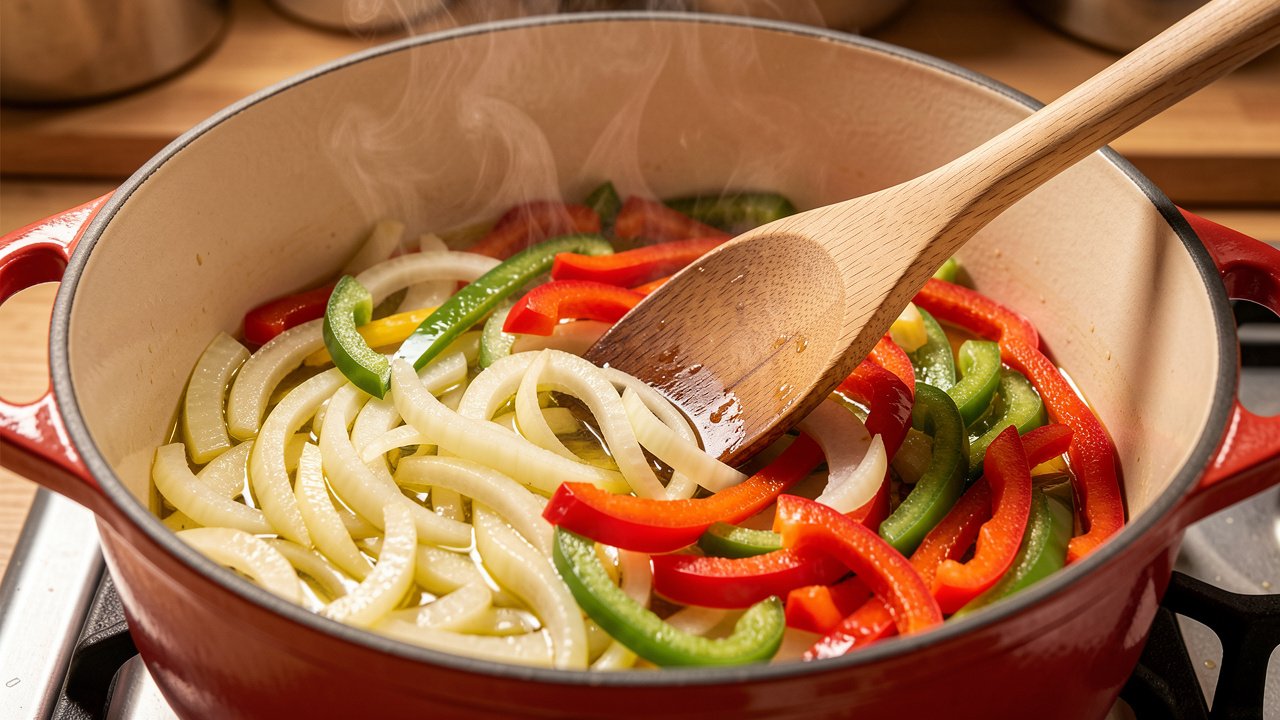
Wipe out the pot and warm the remaining 2 tablespoons of olive oil over medium heat. Add the sliced onion and both bell peppers with a pinch of salt and cook 7 to 8 minutes, stirring now and then, until soft and sweet with lightly golden edges. This slow-cooked base is the heart of the dish.
Add Garlic, Cumin and Tomato Paste
Stir in the minced garlic, ground cumin, and tomato paste. Cook for about 1 to 2 minutes, stirring constantly, until the garlic is fragrant and the tomato paste darkens a shade. This quick step wakes up the spices and takes the raw edge off the paste, building a savory foundation for the sauce.
Simmer the Tomato Sauce
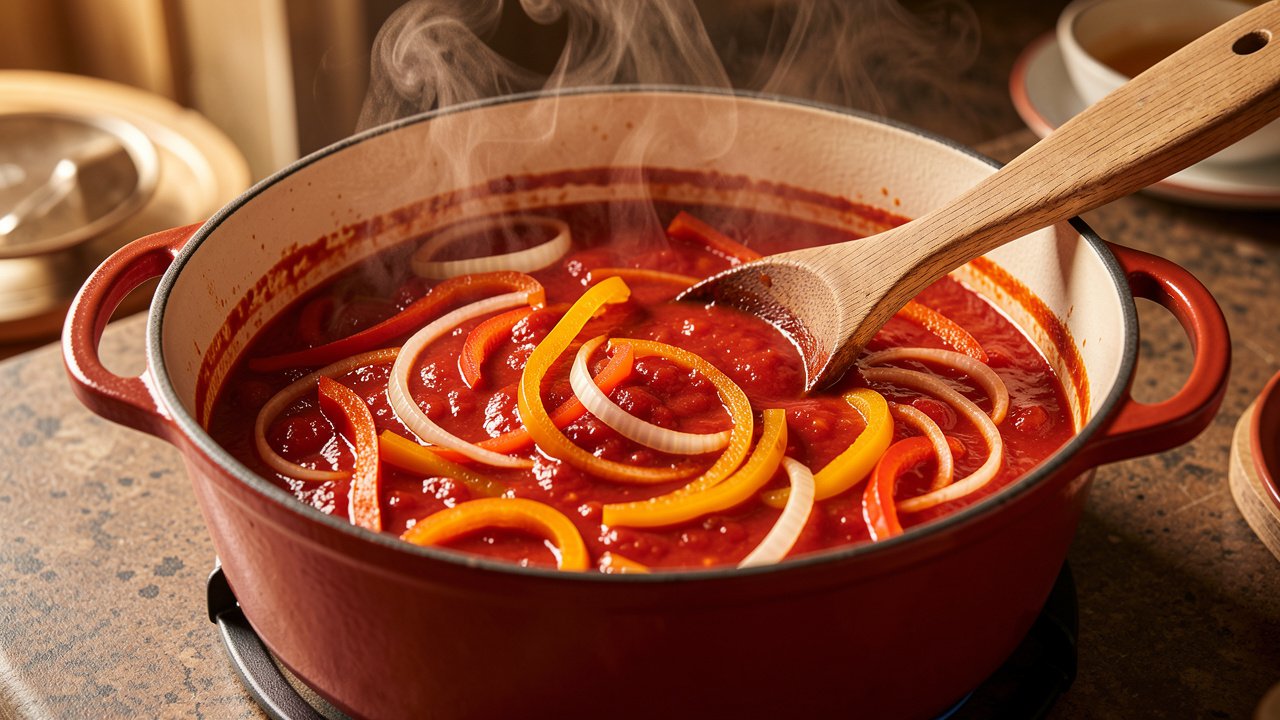
Pour in the crushed tomatoes, the reserved braising liquid, and the remaining bay leaf. Stir well, bring to a gentle simmer, and cook 8 to 10 minutes, until the sauce thickens slightly and turns glossy. Taste and season with salt and pepper. You want a sauce that coats a spoon, not a thin, watery one.
Shred and Return the Beef
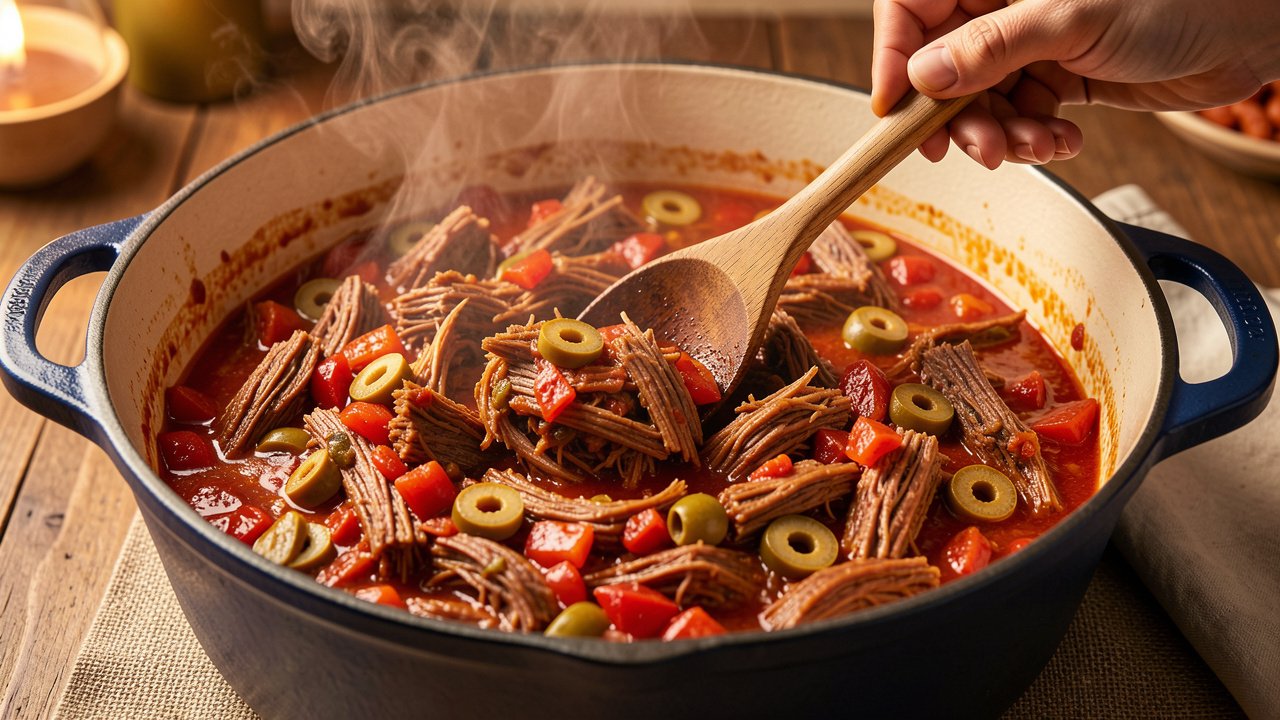
Using two forks, pull the rested beef apart along the grain into thin shreds. Stir the shredded beef into the tomato sauce so every strand is coated. It should look like a tangle of soft ribbons in a rich red sauce, which is exactly where the dish gets its name.
Add Olives and Finish
Stir in the sliced olives and simmer everything together for 10 minutes so the beef soaks up the sauce and the flavors marry. Fish out the bay leaves, taste, and adjust the salt. For extra brightness, add a small splash of vinegar off the heat. Serve hot over white rice with sweet plantains alongside.
Chef’s Tips From Real Kitchen Testing
Braise low and slow. A gentle simmer, not a hard boil, is what breaks the beef down into tender shreds. If it is still tough, it simply needs more time.
Shred along the grain and keep the strands long. Pulling with the direction of the fibers gives you the ribbon-like texture that defines ropa vieja.
Reduce the sauce until it clings. A thick, glossy sofrito coats the beef; a thin one leaves it watery. Simmer uncovered a few extra minutes if needed.
Recipe Variations
Serving Suggestions
- Fluffy white rice to soak up the sauce
- Fried sweet plantains (maduros) on the side
- Black beans and a wedge of lime
- Fresh cilantro scattered over the top
Nutrition Facts
| Nutrient | Amount per serving |
|---|---|
| Calories | 420 |
| Protein | 45 g |
| Carbohydrates | 14 g |
| Fat | 20 g |
| Saturated Fat | 6 g |
| Fiber | 3 g |
| Sugar | 7 g |
| Sodium | 720 mg |
Values are estimates per serving and vary with the exact ingredients and brands you use. They do not include rice or sides.
Make-Ahead Tips
Ropa vieja is a fantastic make-ahead dish and tastes even better the next day. Cook it fully, cool it, and refrigerate; the flavors deepen overnight. Reheat gently on the stove with a splash of broth to loosen the sauce.
Storage, Freezing & Reheating
Common Mistakes to Avoid
Troubleshooting
Beef still tough? It needs more braising time. Return it to the liquid and simmer gently until a fork twists through it with no resistance.
Sauce too thin? Simmer it uncovered to reduce, or stir in an extra spoonful of tomato paste to thicken and deepen the flavor.
Tastes flat? It likely needs salt and acid. Season to taste and finish with a splash of vinegar or a little olive brine to make the flavors pop.
A Note on Cuban Cooking
Ropa vieja is widely considered the national dish of Cuba, and it belongs to the wider family of Spanish and Canary Island braises that traveled across the Atlantic. Its name is one of the most charming in the kitchen: “ropa vieja” literally means “old clothes,” a nod to the way the shredded, tangled beef in its red sauce looks like a heap of colorful rags or worn-out garments. There is even an old folk tale of a poor man who shredded his own clothes into a pot and, through love and patience, turned them into a hearty meal.
The dish sits at the heart of the Cuban table, almost always spooned over white rice with a side of sweet fried plantains and black beans. It is a natural partner to pabellon criollo, the closely related shredded-beef plate served across the region. One dish it is often confused with is Cuban picadillo, which uses ground beef rather than shredded steak; ropa vieja is defined by long ribbons of braised flank or skirt in a pepper-and-tomato sauce, while picadillo is a loose, ground mixture.
What keeps ropa vieja on tables for generations is its generosity. It stretches an inexpensive cut into a feast, improves overnight, and welcomes whatever peppers, olives, or spices a cook has on hand, which is the enduring spirit of Cuban home cooking.