Ripe tomato fruit is non-toxic to dogs, cats, and horses, according to the ASPCA, but the tomato plant itself, including the leaves, stems, and green unripe fruit, contains solanine and is toxic to them. For other pets, the guides below cover each animal. When in doubt, ask your veterinarian before sharing any new food.
Quick answer: offer only plain, ripe tomato in small amounts as an occasional treat, never the leaves, stems, vines, or green fruit, and skip sauces, soups, and ketchup.
What Parts of a Tomato Are Safe for Pets?
The risk comes from the plant, not the ripe fruit. Solanine is concentrated in the green parts of the tomato plant, which is why a pet chewing on vines in the garden is a bigger worry than one eating a slice of ripe tomato.
| Part of the Tomato | Safe for Pets? | Why |
|---|---|---|
| Ripe red fruit | Non-toxic (ASPCA) | Offer plain, in small pieces, as an occasional treat. |
| Green, unripe fruit | Avoid | Green parts of the plant contain solanine. |
| Leaves, stems, and vines | Toxic | The ASPCA lists the tomato plant as toxic to dogs, cats, and horses. |
| Sauce, soup, and ketchup | Avoid | Often contain salt, sugar, and seasonings such as onion and garlic. |
What Are the Signs of Tomato Plant Poisoning?
The ASPCA lists these signs after a pet eats the green parts of a tomato plant:
- Drooling (hypersalivation)
- Loss of appetite
- Severe stomach and gut upset
- Depression and weakness
- Dilated pupils
- A slow heart rate
If your pet ate tomato leaves, stems, or green fruit, call your veterinarian or the ASPCA Animal Poison Control Center at (888) 426-4435; a consultation fee may apply.
How Can You Share Tomato Safely?
- Ripe and plain only: wash it, remove the stem and any leaves, and cut it into small pieces.
- Treat-sized amounts: tomato is a snack, not a staple; introduce any new food slowly.
- No prepared products: skip sauces, soups, salsa, and ketchup.
- Protect the garden: fence tomato beds and pick up fallen green fruit so pets and livestock cannot graze on the plants.
- Species matters: diets differ widely between dogs, birds, reptiles, and small pets, so check the guide for your animal and follow your veterinarian’s advice.
Tomato Guides by Animal
Each guide covers one animal: whether ripe tomato is a suitable treat, how much to offer, and what to keep away from them.
Dogs and Cats
 Can Dogs Eat Tomatoes?Whether ripe tomato is safe for dogs, how much to offer, and which parts of the plant to avoid.Read guide →
 Can Cats Eat Tomato Soup?Why tomato soup is a poor choice for cats, from salt to seasonings such as onion and garlic.Read guide →
Birds
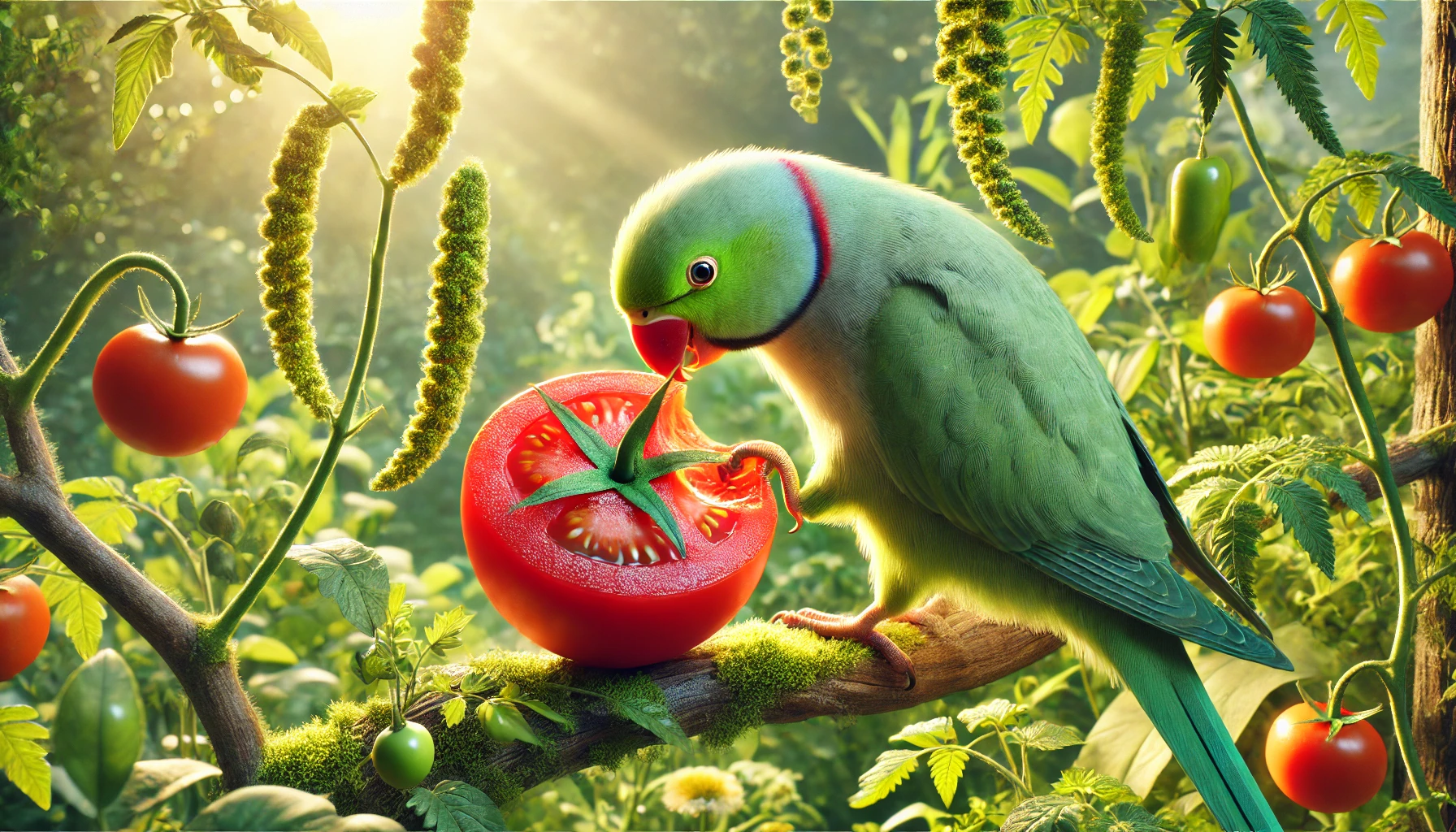 Can Parakeets Eat Tomatoes?Whether ripe tomato is safe for parakeets, how much to offer, and which parts of the plant to avoid.Read guide →
 Can Budgies Eat Tomatoes?Whether ripe tomato is safe for budgies, how much to offer, and which parts of the plant to avoid.Read guide →
 Can Cockatiels Eat Tomatoes?Whether ripe tomato is safe for cockatiels, how much to offer, and which parts of the plant to avoid.Read guide →
Reptiles and Turtles
 Can Bearded Dragons Eat Tomatoes?Whether ripe tomato is safe for bearded dragons, how much to offer, and which parts of the plant to avoid.Read guide →
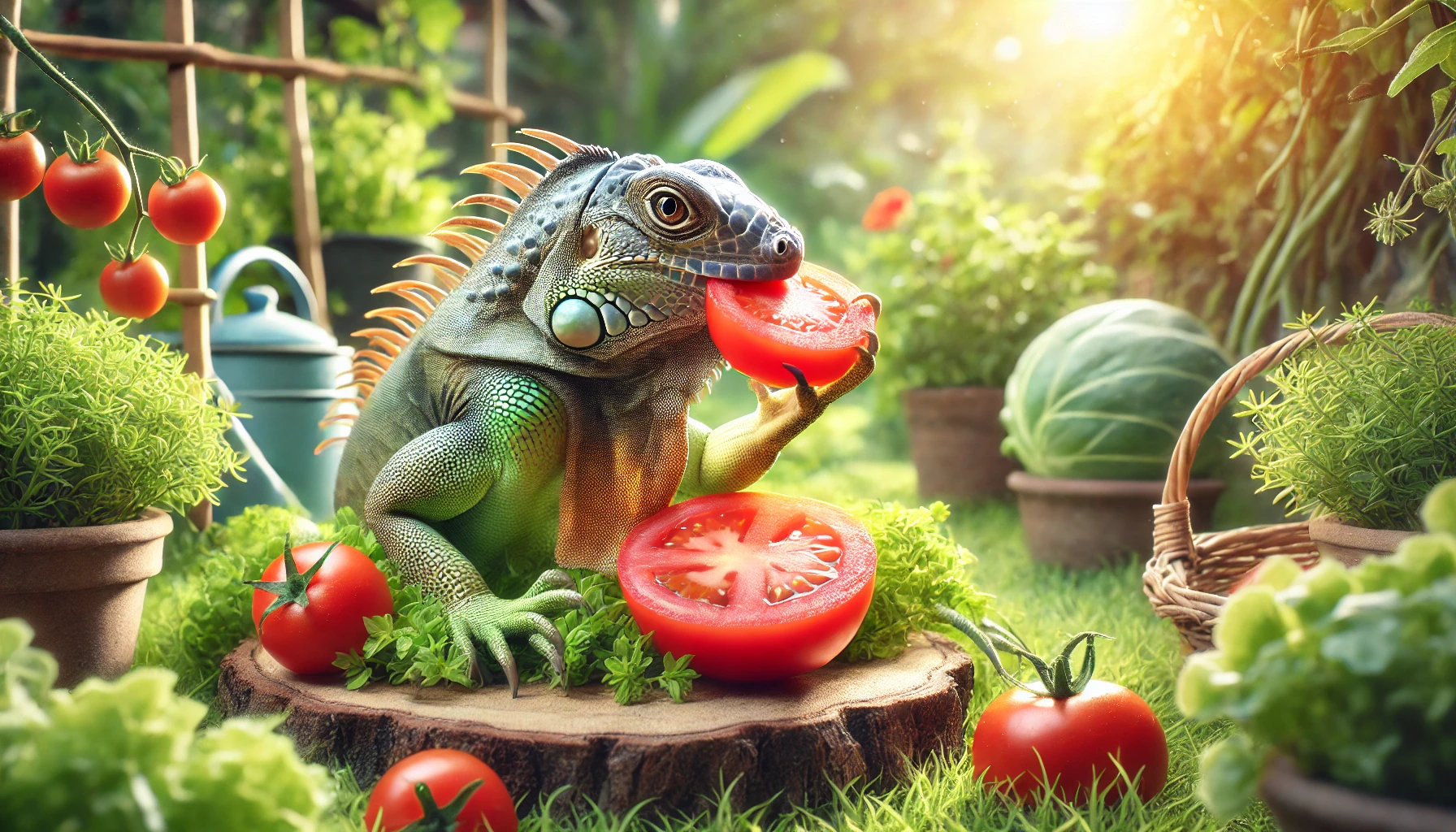 Can Iguanas Eat Tomatoes?Whether ripe tomato is safe for iguanas, how much to offer, and which parts of the plant to avoid.Read guide →
 Can Red-Eared Sliders Eat Tomatoes?Whether ripe tomato is safe for red-eared slider turtles, how much to offer, and which parts of the plant to avoid.Read guide →
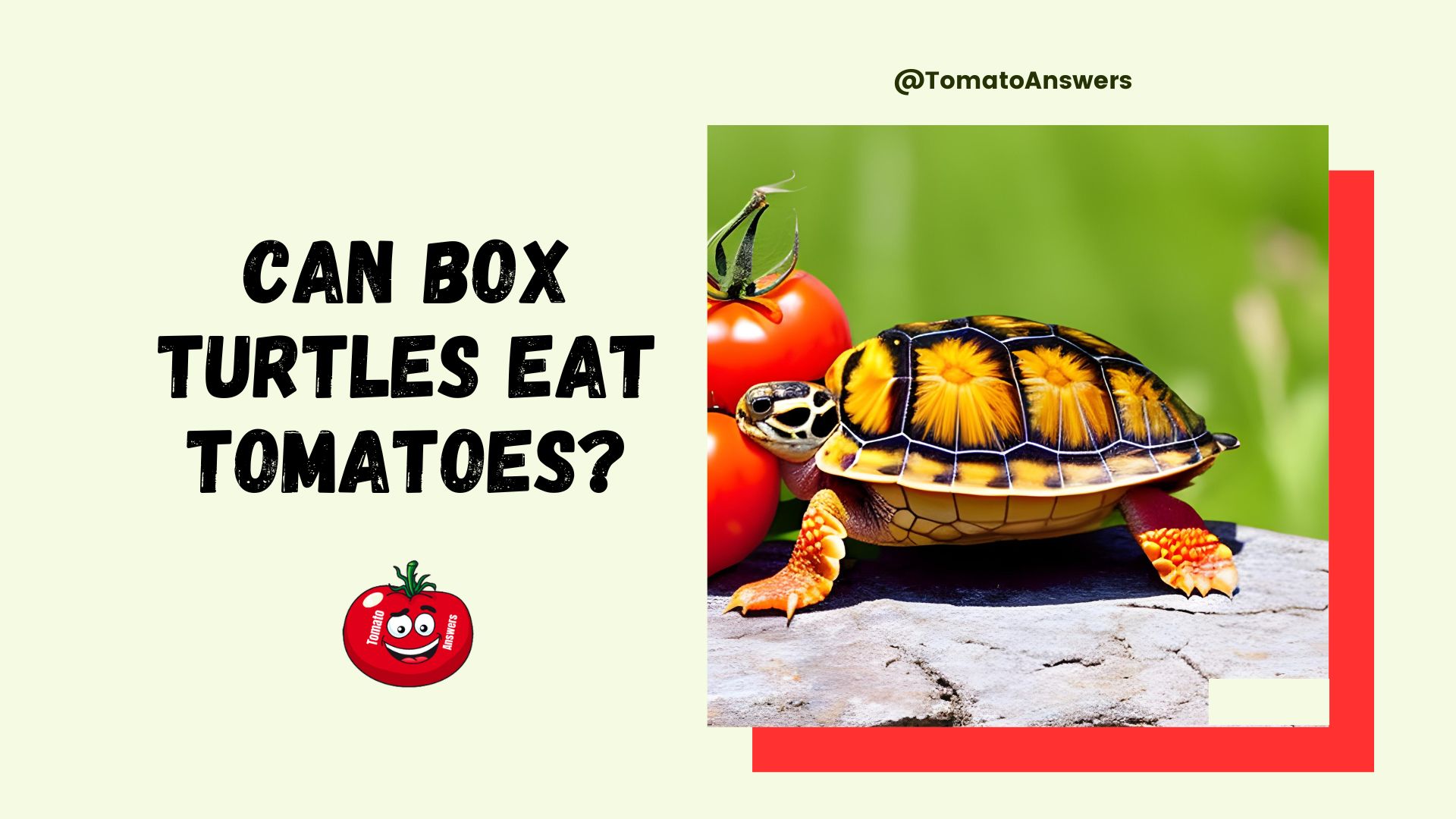 Can Box Turtles Eat Tomatoes?Whether ripe tomato is safe for box turtles, how much to offer, and which parts of the plant to avoid.Read guide →
Small Pets
 Can Hedgehogs Eat Tomatoes?Whether ripe tomato is safe for hedgehogs, how much to offer, and which parts of the plant to avoid.Read guide →
 Can Sugar Gliders Eat Tomatoes?Whether ripe tomato is safe for sugar gliders, how much to offer, and which parts of the plant to avoid.Read guide →
 Can Chinchillas Eat Tomatoes?Whether ripe tomato is safe for chinchillas, how much to offer, and which parts of the plant to avoid.Read guide →
 Can Hermit Crabs Eat Tomatoes?Whether ripe tomato is safe for hermit crabs, how much to offer, and which parts of the plant to avoid.Read guide →
Farm Animals
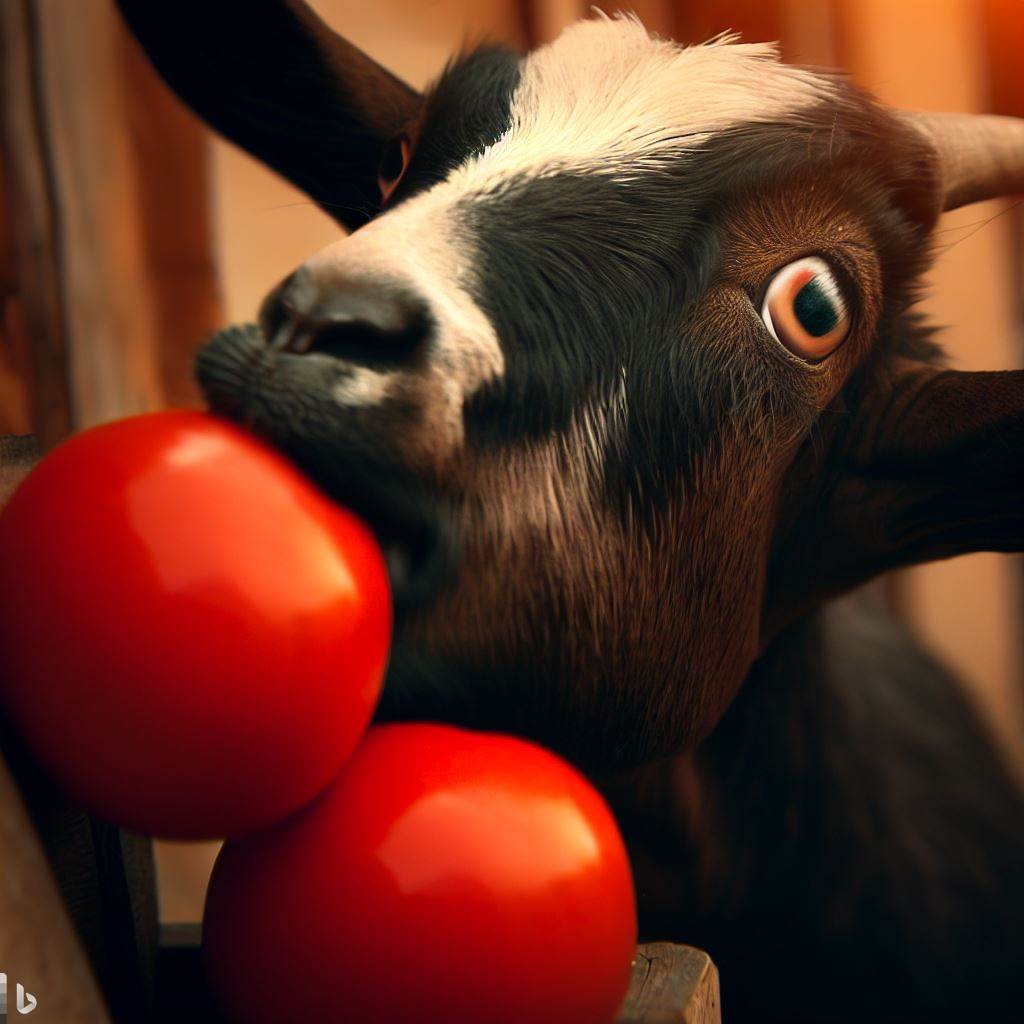 Can Goats Eat Tomatoes?Whether ripe tomato is safe for goats, how much to offer, and which parts of the plant to avoid.Read guide →
Can Baby Goats Eat Tomatoes?What young goats can safely try, and why the tomato plant itself should stay out of reach.Read guide →
Can Goats Eat Tomatoes?Whether ripe tomato is safe for goats, how much to offer, and which parts of the plant to avoid.Read guide →
Can Baby Goats Eat Tomatoes?What young goats can safely try, and why the tomato plant itself should stay out of reach.Read guide →
 Can Goats Eat Tomato Plants?Why tomato leaves, stems, and green fruit are a risk for goats, and what to do if they eat them.Read guide →
Animals and Tomatoes FAQs
Are tomatoes toxic to dogs?
Ripe tomato fruit is non-toxic to dogs, according to the ASPCA. The leaves, stems, and green unripe parts of the tomato plant contain solanine and are toxic, so offer only small pieces of plain, ripe tomato and keep dogs away from the plants.
Are tomato plants poisonous to cats?
Yes. The ASPCA lists the tomato plant as toxic to cats, dogs, and horses because of solanine in the green parts. Ripe fruit is non-toxic, but most cats show little interest in it.
What should I do if my pet ate a tomato plant?
Call your veterinarian or the ASPCA Animal Poison Control Center at (888) 426-4435; a consultation fee may apply. Do not try to make your pet vomit unless a veterinarian tells you to.
Can pets eat tomato sauce, soup, or ketchup?
It is best to avoid them. Prepared tomato products often contain salt, sugar, and seasonings such as onion and garlic, which are not suitable for pets. If you share tomato at all, choose plain ripe fruit.
About this guide: toxicity information comes from the ASPCA Animal Poison Control Center. This page gives general information and is not veterinary advice; ask your veterinarian about your own animal’s diet.
Sources: ASPCA – Tomato Plant (Toxic and Non-toxic Plants) · ASPCA Animal Poison Control Center
Explore more tomato guides: Nutrition & Health · Growing · Problems & Solutions · Recipes · Varieties