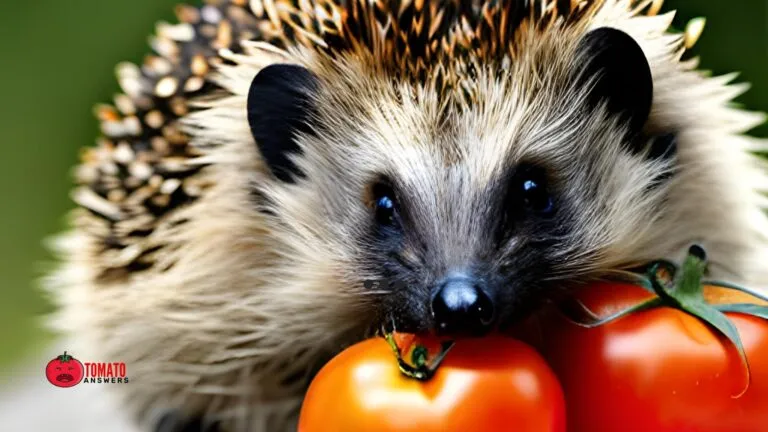
Hedgehog owners often look for new foods to offer their pets. However, it is important to understand that not all fruits and vegetables are safe for them to consume. When it comes to tomatoes, there is some debate about whether they are suitable for hedgehogs or not.
To understand why this is an issue, we need to first examine the typical diet of a hedgehog. In the wild, they primarily eat insects and small animals such as snails and slugs. In captivity, VCA Animal Hospitals recommends a commercial hedgehog or insectivore diet (or a high-quality weight-management cat or dog food if that is unavailable), with insects and small amounts of fruits and vegetables as supplements.
While some people may assume that anything that is safe for humans to eat should also be okay for hedgehogs, this is not always the case. It is important to do research before introducing any new foods into their diet to ensure their safety and wellbeing.
Can Hedgehogs Eat Tomatoes?
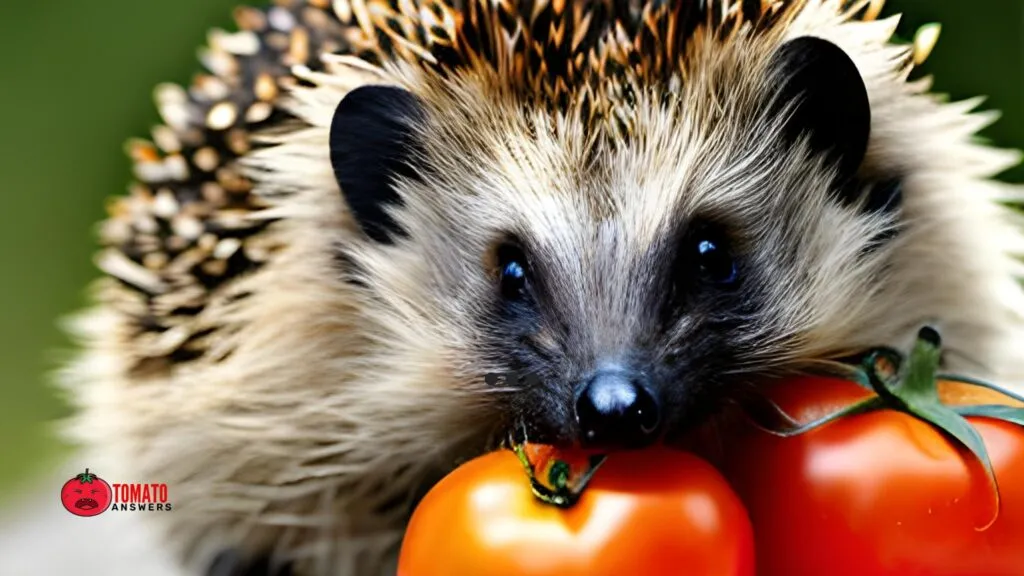
Key Takeaways
- Hedgehogs are mainly insectivores, and as pets, should be fed a high-quality commercial diet specifically formulated for their nutritional requirements.
- Tomatoes are not a recommended hedgehog food. Tomato leaves, stems, and green fruit contain glycoalkaloids (solanine and tomatine), and ripe tomato is acidic and watery. If you offer any, use only a tiny piece of ripe, washed, plain tomato, never sauce, soup, ketchup, or other seasoned products.
- Apples, pears, bananas, and bits of cooked carrot are among the fruits and vegetables VCA Animal Hospitals lists for hedgehogs, offered two to three times a week.
- It’s important to introduce new foods gradually and consult with a veterinarian if you have any concerns about your hedgehog’s diet or health.
Understanding Hedgehog Diets
So, if you’re curious about what to feed your hedgehog, it’s important to understand their diets and what they can and cannot eat. Hedgehogs are insectivores by nature: they eat mostly insects, with small amounts of plant matter.
In the wild, hedgehogs eat mainly insects and other invertebrates such as beetles, caterpillars, and earthworms, with small amounts of plant matter.
As pets, hedgehogs should be fed a high-quality commercial diet specifically formulated for their nutritional requirements. These diets typically contain a blend of animal-based proteins like chicken or fish meal along with vegetable matter like peas or carrots.
It’s also important to establish regular feeding schedules for your pet hedgehog to maintain healthy digestion and prevent obesity.
With this in mind, let’s explore the safety of different foods for our prickly friends without compromising their health.
The Safety of Different Foods
Not all foods are safe for pet hedgehogs. As hedgehogs gain popularity as pets, many people may assume that they can eat anything we do.
However, this is a common misconception and can lead to serious health issues for these little creatures. It’s important to understand the nutritional requirements of hedgehogs and which foods are safe for them to consume.
The table below lists some examples of good and bad options.
Remember that a balanced diet is key for your pet’s overall health and well-being. As much as possible, stick to feeding them high-quality commercial food formulated specifically for hedgehogs, supplemented with occasional treats from the “safe” list.
| Safe Foods | Unsafe Foods |
|---|---|
| Cooked chicken or turkey | Processed meats |
| Cooked eggs | Dairy products |
| Mealworms | Sugary or salty snacks |
| Fresh fruits (in moderation) | Chocolate or caffeine |
| Vegetables such as carrots or green beans | Raw meat or fish |
Can hedgehogs eat tomatoes? Let’s explore this question in the next section.
Can Hedgehogs Eat Tomatoes?
Let’s find out if hedgehogs can eat tomatoes! Hedgehogs are mainly insectivores, although they eat small amounts of plant foods. However, not all fruits and vegetables are safe for hedgehog digestion. As responsible pet owners, we need to ensure that the foods we offer our pets don’t cause any harm or discomfort.
Here are some things to know about feeding tomatoes to hedgehogs:
- The green parts of the tomato plant (leaves, stems, vines, and unripe fruit) contain glycoalkaloids such as solanine and tomatine. Ripe fruit contains much less, but there is little published information on tomatoes in hedgehogs specifically.
- It’s generally recommended to avoid feeding hedgehogs tomatoes as a precautionary measure, as there’s no conclusive evidence on whether they can tolerate small amounts.
- Hedgehogs have delicate digestive systems and may experience gastrointestinal distress if they consume too much acidic food like tomatoes.
- If you notice any signs of discomfort such as vomiting or diarrhea after feeding your hedgie tomatoes, consult with a veterinarian immediately.
Now that we know why tomatoes might not be the best idea, let’s explore some safer alternatives that can provide similar nutritional benefits.
Alternatives to Tomatoes
Looking for healthier options to feed your spiky little buddy?
Other fruits are a better choice than tomatoes.
VCA Animal Hospitals lists apples, pears, bananas, and bits of cooked carrot as produce that can be offered two to three times a week. There is no established daily vitamin C requirement for pet hedgehogs, and fruit is only a minor part of their diet.
Other options sometimes offered in small amounts include cooked sweet potato and cooked carrot. Keep portions small, because the main diet should be a commercial hedgehog or insectivore food.
A little variety can make meals more interesting, but the complete nutrition a hedgehog needs comes from its main commercial diet and insects, not from produce.
| Vegetable/Fruit | Nutritional Value |
|---|---|
| Blueberries | High in fiber; contains Vitamin C |
| Sweet Potatoes | Rich in Beta-Carotene; source of complex carbohydrates |
| Carrots | Good source of Vitamin A; high in fiber |
| Broccoli | Contains Vitamins C & K and some calcium |
By offering your hedgehog a variety of nutritious foods, you can help them lead a happy and healthy life. Remember to always introduce new foods gradually and consult with a veterinarian if you have any concerns about your pet’s diet or health.
Frequently Asked Questions
How often should I feed my hedgehog tomatoes?
Tomatoes are not a recommended hedgehog food, so many owners skip them. If you do offer tomato, keep it to a tiny piece of ripe, washed, plain fruit on rare occasions, and check with an exotics veterinarian first.
Can hedgehogs eat tomato plants or just the fruit?
Never let a hedgehog eat the tomato plant. The leaves, stems, vines, and unripe green fruit contain solanine and tomatine. Only ripe fruit should ever be offered, and only in tiny amounts. Apples and bananas are more commonly recommended fruit options.
Are there any health benefits for hedgehogs to eat tomatoes?
Tomatoes contain vitamin C, potassium, and fiber, but hedgehogs get what they need from a complete commercial diet and insects, so tomatoes offer no special benefit. They are acidic, so if you give any, keep it tiny and rare.
Can hedgehogs eat canned or cooked tomatoes?
No. Canned tomatoes, sauces, soups, and ketchup often contain added salt, and many sauces contain onion or garlic. Avoid them. If you offer tomato at all, use fresh, ripe, plain tomato.
Can feeding hedgehogs too many tomatoes be harmful?
Feeding hedgehogs too many tomatoes can lead to gastrointestinal upset due to the high acidity content. As a safer alternative, consider offering fruits and vegetables such as apples or carrots for dietary variety.
Conclusion
In conclusion, it’s essential to understand that hedgehogs have specific dietary requirements that must be met. Providing them with a balanced and nutritious diet will keep them healthy and happy. When it comes to feeding your pet hedgehog, it’s crucial to avoid foods that could harm their health.
Ripe tomato fruit is not known to be highly toxic, but the plant’s green parts are harmful and ripe tomato is acidic, so it is best left off the menu or limited to a tiny, rare piece.
Overall, there are many alternatives to tomatoes that you can offer your hedgehog as part of a varied diet. From cooked vegetables to high-quality commercial diets, the options are vast and varied.
Getting the basics right matters most: a complete commercial hedgehog or insectivore diet, some insects, small amounts of suitable produce, and fresh water. If you have questions about your hedgehog’s diet, ask an exotics veterinarian.