South African Recipes
Spicy Vegetable Relish
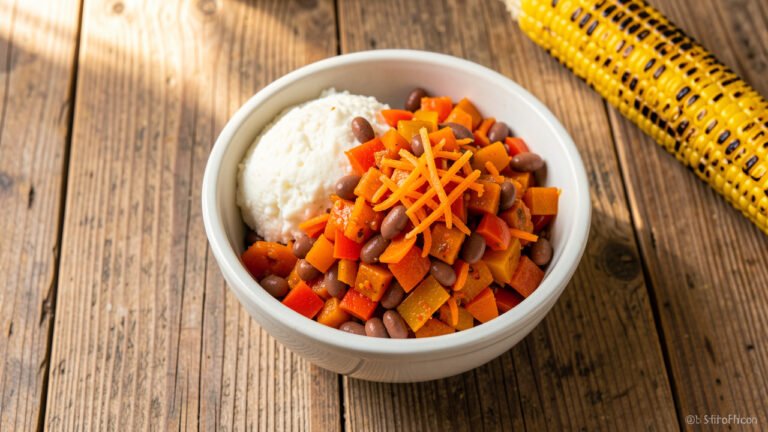
Chakalaka is the dish that turns a plain plate of pap into a proper meal. It is bright, a little spicy, and full of texture, with grated carrot and diced peppers keeping some bite even after the tomatoes have melted into a rich, curry-scented sauce. Every South African family seems to make it a little differently, and that is exactly the point.
I learned the hard way that chakalaka rewards patience with the vegetables but punishes overcooking. The first batch I rushed turned to mush and lost all its character. Grate the carrots, keep the peppers a touch firm, and let the tomatoes do the softening, and you end up with a relish that has real body instead of baby food.
Why This Chakalaka Works
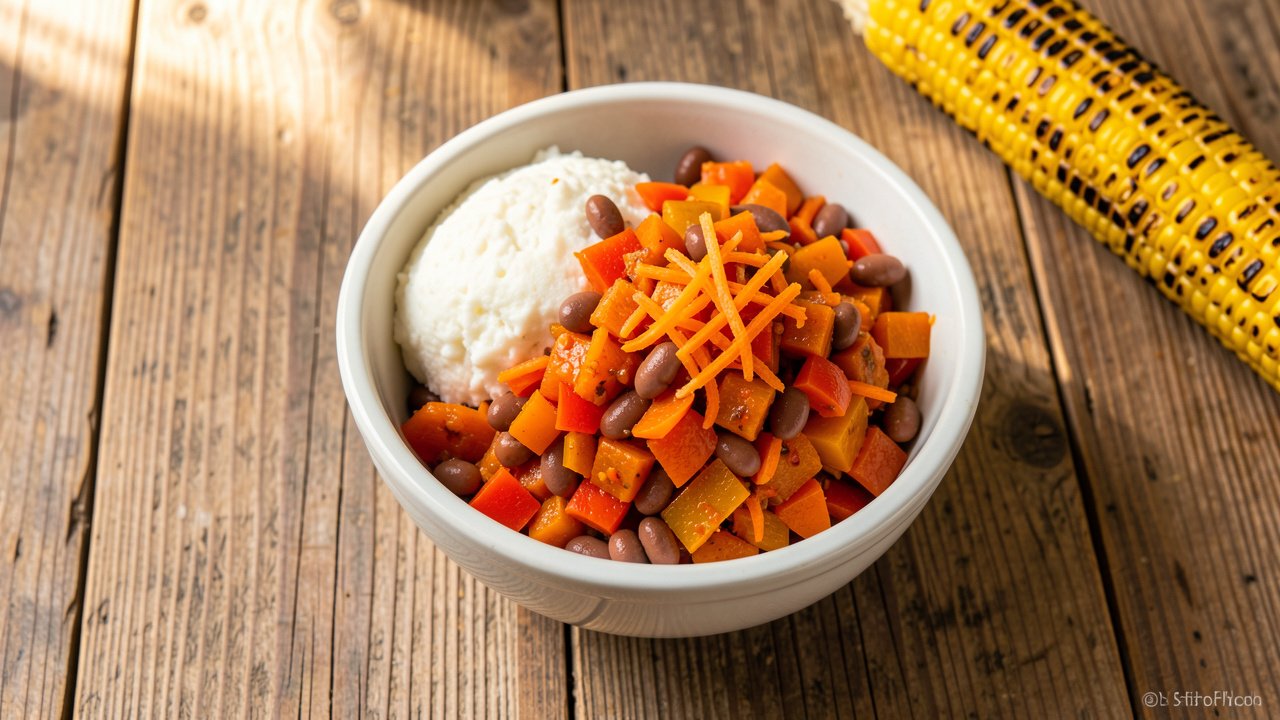
Chakalaka is built on contrast. The grated carrot and diced peppers stay lively and a little crunchy, while the tomatoes cook right down into a glossy, spiced sauce that binds everything together. When you get that balance right, every spoonful gives you both softness and bite, which is what separates a memorable relish from a dull stew.
The curry powder is the backbone. Blooming it in the hot oil for a moment before the tomatoes go in wakes up the spices and removes any raw, dusty edge, so the whole pan takes on a warm, golden aroma. Skip that step and the curry flavor sits on top instead of running all the way through.
Baked beans are the classic South African finishing move, and they earn their place. They add a gentle sweetness, a creamy contrast to the peppers, and just enough body to make the relish feel like a proper side rather than a garnish. Stir them in near the end so they warm through without breaking apart.
Best of all, chakalaka is forgiving and flexible. It keeps for days, deepens in flavor overnight, and stretches a handful of everyday vegetables into a side that can carry a whole braai. Once you know the method, you can dial the heat up or down and make it your own every single time.
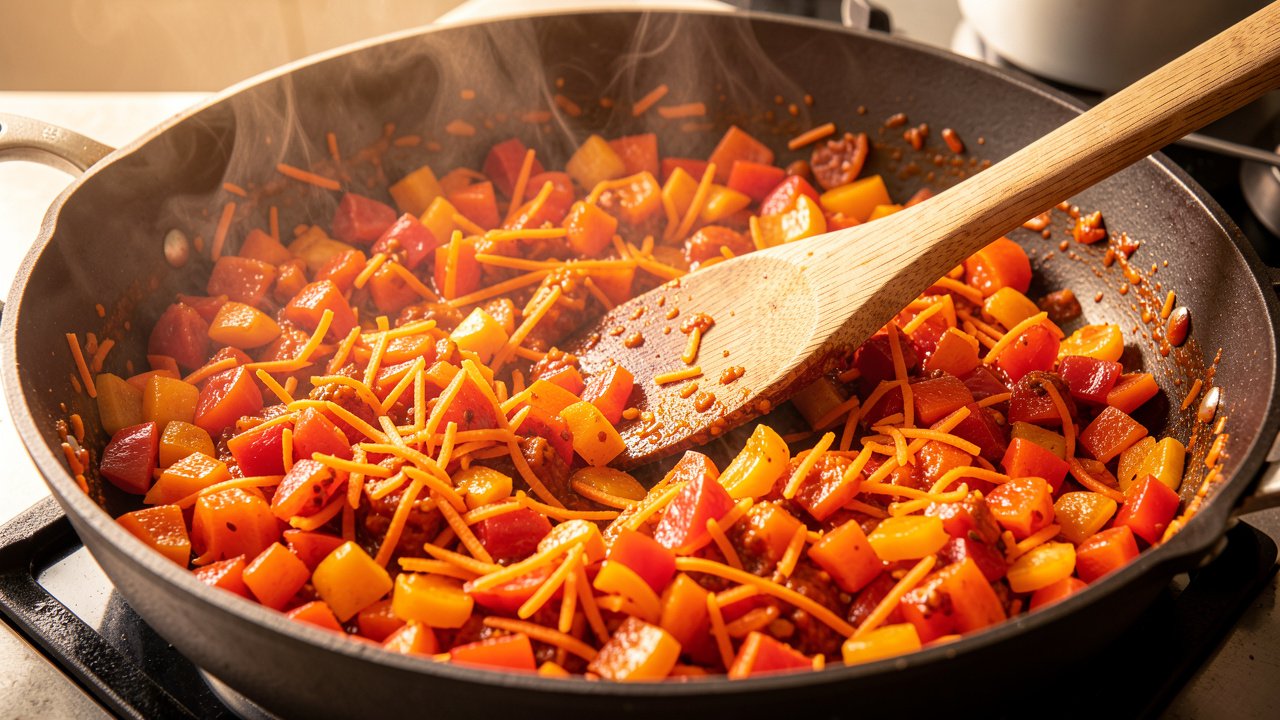
Pro observation: The sauce is ready for the beans when it turns thick and jammy and the oil starts to glisten at the edges of the pan. That sheen tells you the tomatoes have cooked down and the spices are fully bloomed.
Ingredients
Kitchen Measurement Converter
Quickly convert between common cooking measurements without leaving the recipe. Pick a category, enter a value, and the result updates instantly.
Ingredient Notes & Substitutions
Tomatoes
Ripe, red tomatoes give the best sweet-tart base and cook down into a glossy sauce. Out of season, one 14-ounce can of chopped tomatoes works well and is often more reliable than pale fresh ones.
Curry Powder
A mild to medium curry powder is traditional. Use a good, fragrant blend and bloom it in the oil. If yours is very hot, cut back the fresh chili so the two do not compete.
Baked Beans
Standard baked beans in tomato sauce are the classic addition, adding sweetness and body. Choose a plain vegetarian tin. You can also swap in cooked cannellini or butter beans for a lighter finish.
Peppers and Carrots
Use a mix of colored bell peppers for sweetness and grate the carrots coarsely so they keep some texture. Both should stay slightly firm, since they finish softening in the sauce.
Equipment
- Wide, heavy pan or pot
- Wooden spoon
- Box grater
- Sharp knife and board
- Can opener
- Measuring spoons
Before You Start
1. Grate and dice everything first. Chakalaka cooks quickly once it gets going, so grate the carrots, dice the peppers, and chop the onion and tomatoes before you turn on the heat.
2. Measure the spices together. Have the curry powder, paprika, and turmeric in one small bowl so they can go in at once and bloom evenly.
3. Decide your heat level. Taste your curry powder and chili in advance so you know how much to add. You can always stir in more heat, but you cannot take it out.
Step-by-Step Instructions
Prep the Vegetables
Finely chop the onion and tomatoes, dice both bell peppers into small pieces, and coarsely grate the carrots. Mince the garlic, ginger, and green chili. Measure the curry powder, paprika, and turmeric into a small bowl so they are ready to add together.
Build the Aromatic Base
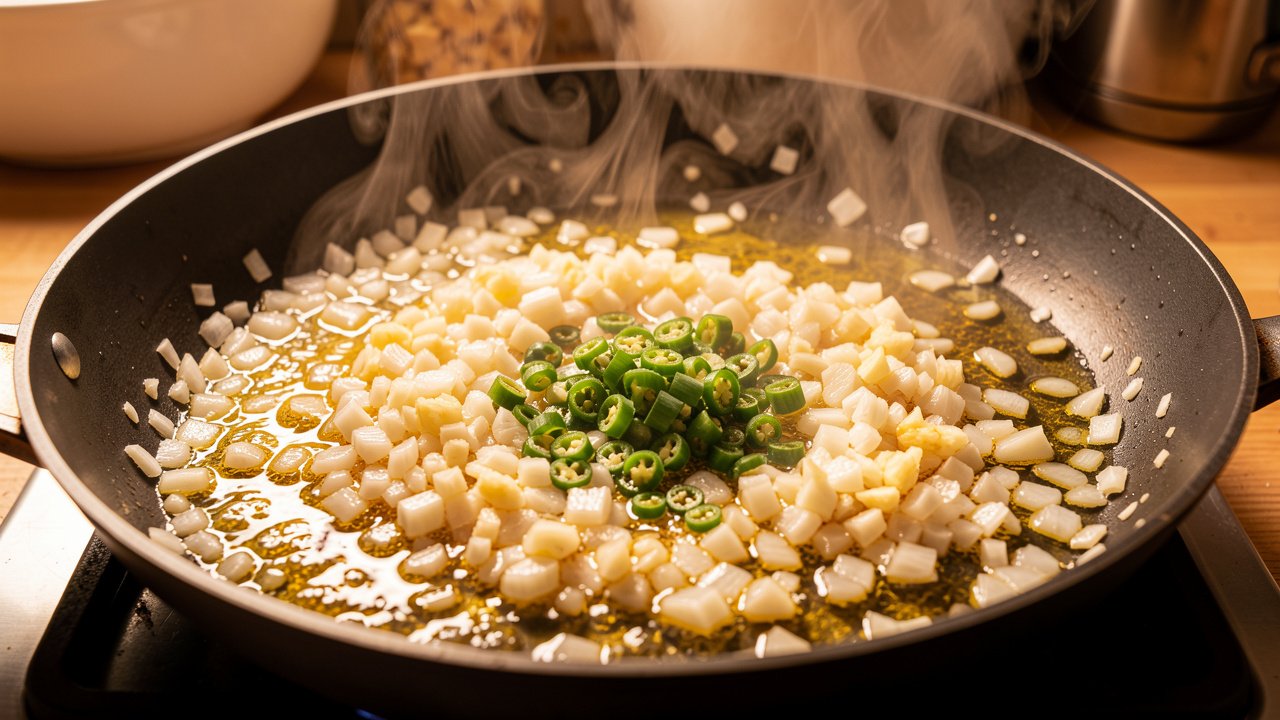
Heat the vegetable oil in a wide pan over medium heat. Add the onion and cook 5 to 6 minutes until soft and golden at the edges. Stir in the garlic, ginger, and green chili and cook 1 minute more, until the raw smell disappears and the pan turns fragrant.
Bloom the Spices
Add the curry powder, paprika, and turmeric to the pan and stir constantly for about 30 seconds, until the spices smell toasty and coat the onions. Keep the heat moderate so they do not scorch; a splash of oil helps if the pan looks dry.
Add Peppers, Carrots, and Tomatoes
Stir in the diced peppers and grated carrots and cook 3 to 4 minutes, just until they begin to soften but still hold their shape. Add the chopped tomatoes, tomato paste, salt, and sugar. Cook 10 to 12 minutes, stirring now and then, until the tomatoes collapse into a thick, jammy sauce and the oil glistens at the edges.
Fold in the Baked Beans
Tip in the baked beans along with their sauce and stir gently to combine. Lower the heat and simmer 5 minutes so the beans warm through and the flavors marry. Stir carefully to keep the beans whole. If the relish looks too thick, loosen it with a splash of water.
Taste, Garnish, and Serve
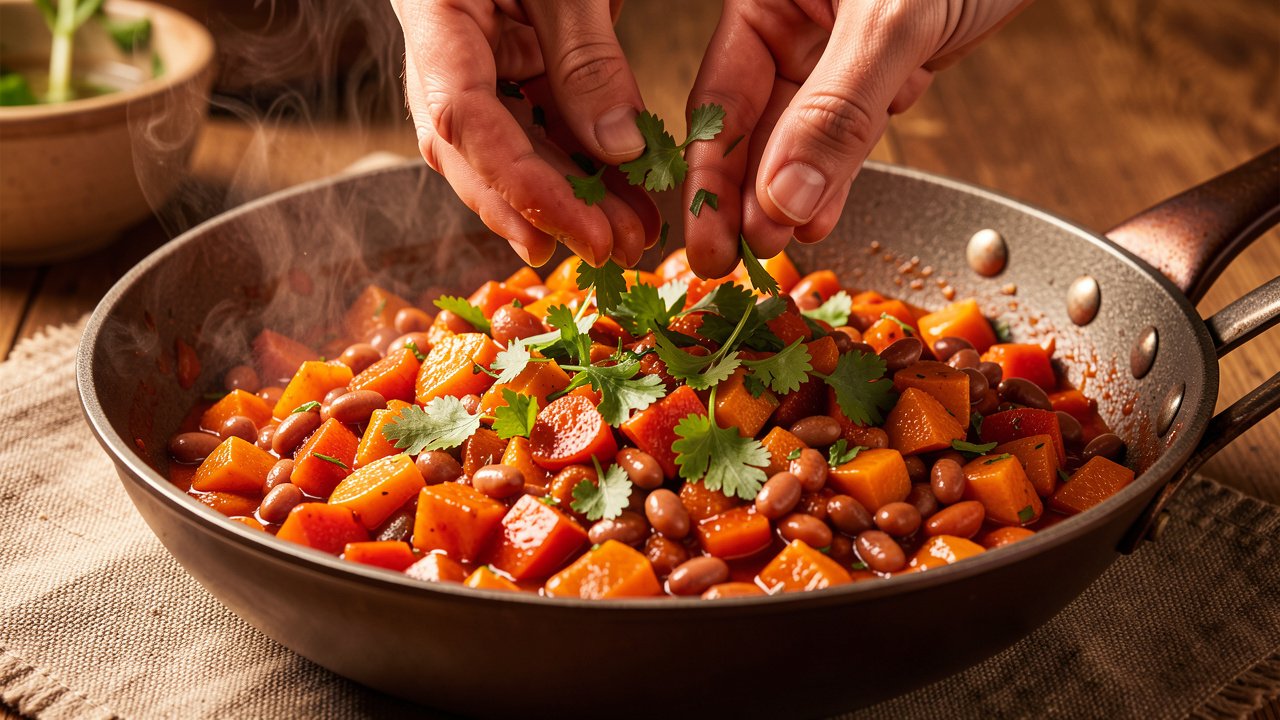
Taste and adjust with more salt, sugar, or chili until it is balanced between sweet, tangy, and spicy. Scatter the chopped cilantro over the top. Serve warm or at room temperature alongside pap, thick slices of bread, or grilled food from the braai.
Chef’s Tips From Real Kitchen Testing
Keep the peppers and carrots slightly firm. They should still have a little bite when you add the tomatoes, since they carry on softening in the sauce.
Bloom the curry powder in the oil for half a minute before the vegetables go in. It deepens the flavor and takes away any raw, dusty edge.
Make it a day ahead if you can. Chakalaka is one of those relishes that genuinely tastes better after a night in the fridge, once the spices have settled.
Recipe Variations
Serving Suggestions
- A warm mound of pap or maize porridge
- Thick slices of bread or a fresh roll
- Grilled vegetables or corn from the braai
- A cooling spoon of plant-based yogurt on the side
Nutrition Facts
| Nutrient | Amount per serving |
|---|---|
| Calories | 180 |
| Protein | 5 g |
| Carbohydrates | 24 g |
| Fat | 8 g |
| Saturated Fat | 1 g |
| Fiber | 6 g |
| Sugar | 10 g |
| Sodium | 480 mg |
Values are estimates per serving and vary with the exact ingredients and brands you use.
Make-Ahead Tips
Chakalaka is a natural make-ahead dish, since the flavors deepen and settle overnight in the fridge. Cook it a day before your braai or dinner, cool it fully, and refrigerate. Serve it cold, at room temperature, or gently warmed through, and stir in fresh cilantro just before it goes to the table so the herb stays bright.
Storage, Freezing & Reheating
Common Mistakes to Avoid
Troubleshooting
Tastes flat? It usually needs more salt and a touch more curry powder or chili to bring the flavors forward. A small pinch of sugar can also lift the tomatoes.
Too watery? Keep simmering uncovered so the excess liquid cooks off, or stir in a little extra tomato paste to thicken and concentrate the sauce.
Too spicy? Balance it with a bit more baked beans or a spoon of plant-based yogurt on the plate, and add a little sugar to round off the heat.
A Note on South African Cooking
Chakalaka belongs to the heart of South African home and street cooking, where a good relish is expected to stretch a meal and bring people together. It is a fixture at the braai, the outdoor grill gathering that is as much about the company as the food, and it sits happily next to pap, bread, and grilled vegetables while everyone helps themselves. Its exact origins are debated, but its character is clear: resourceful, generous, and full of flavor from humble ingredients. If you love spiced tomato dishes, browse our wider collection of tomato recipes, or try a fresh tomato salsa for another bright, chunky relish to keep on the table.
A Quick Note on Food Safety
Because chakalaka is often made ahead and served at room temperature, a little care keeps it safe. Cool leftovers within about two hours of cooking and refrigerate them promptly in a sealed container. When serving outdoors at a braai on a warm day, keep the bowl in the shade and return it to the fridge once the meal is done rather than leaving it out for hours. Wash your hands, board, and grater well after prepping the fresh vegetables, and give the relish a good stir and a taste before serving any that has been stored.
Frequently Asked Questions
More Tomato Recipes to Try
Last updated: September 23, 2026