Guatemalan Recipes
Guatemala’s National Chicken Stew
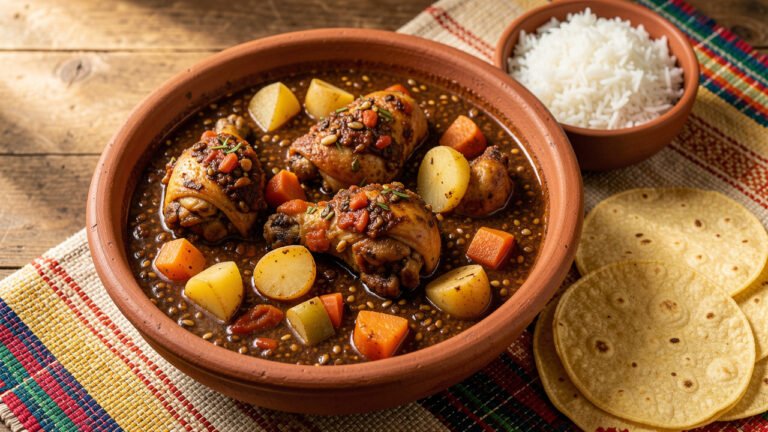
Pepian is one of the oldest dishes in the Americas, a stew with Mayan roots that predates the arrival of the Spanish and then absorbed their spices into something wholly its own. What makes it unforgettable is the sauce: seeds and chilies are dry-toasted until fragrant, tomatoes and tomatillos are charred until smoky, and everything is blended into a dark, velvety gravy that clings to every piece of chicken.
The first time I made it, I learned that patience at the toasting stage is everything. Rush the seeds and they scorch; take your time and they release a nutty aroma that becomes the whole personality of the dish.
Why This Pepian de Pollo Works
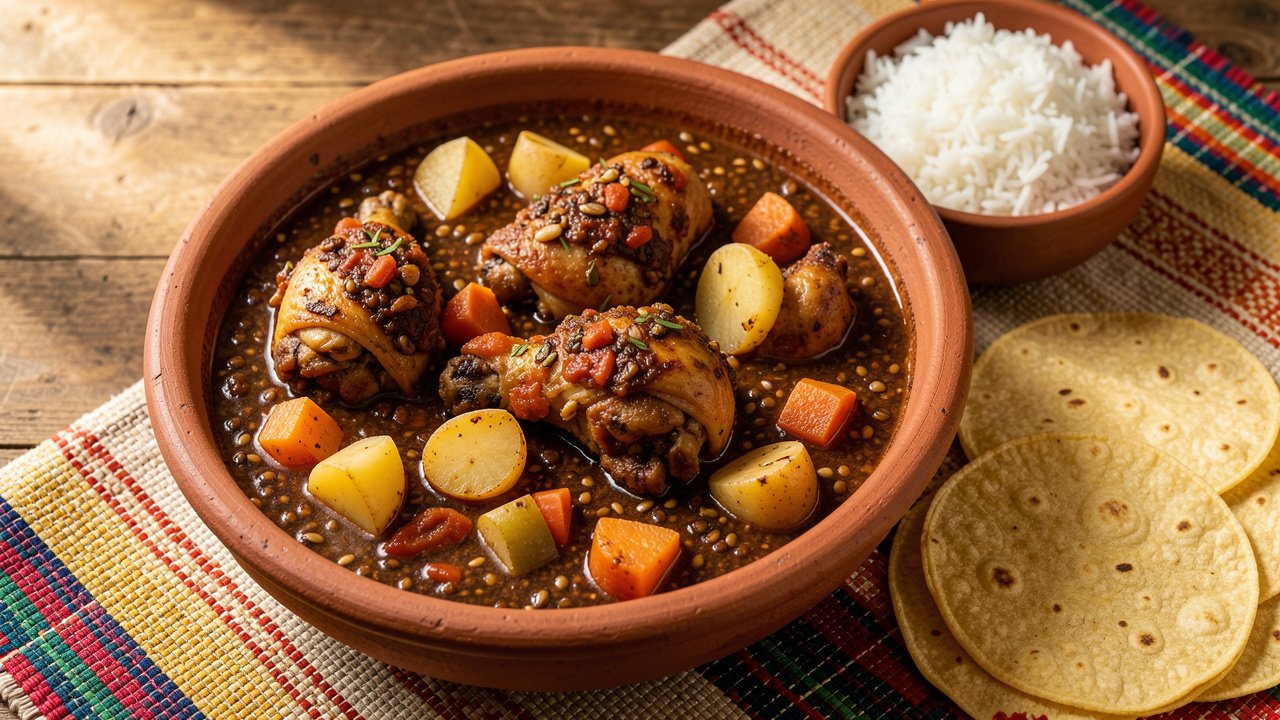
Pepian earns its title as Guatemala’s national dish because it delivers extraordinary depth from humble ingredients. The magic is in layering roasted flavors: charred tomatoes and tomatillos bring smoky tang, dried chilies bring gentle warmth and color, and toasted pumpkin and sesame seeds bring a rich, nutty body that thickens the sauce without any flour or cream.
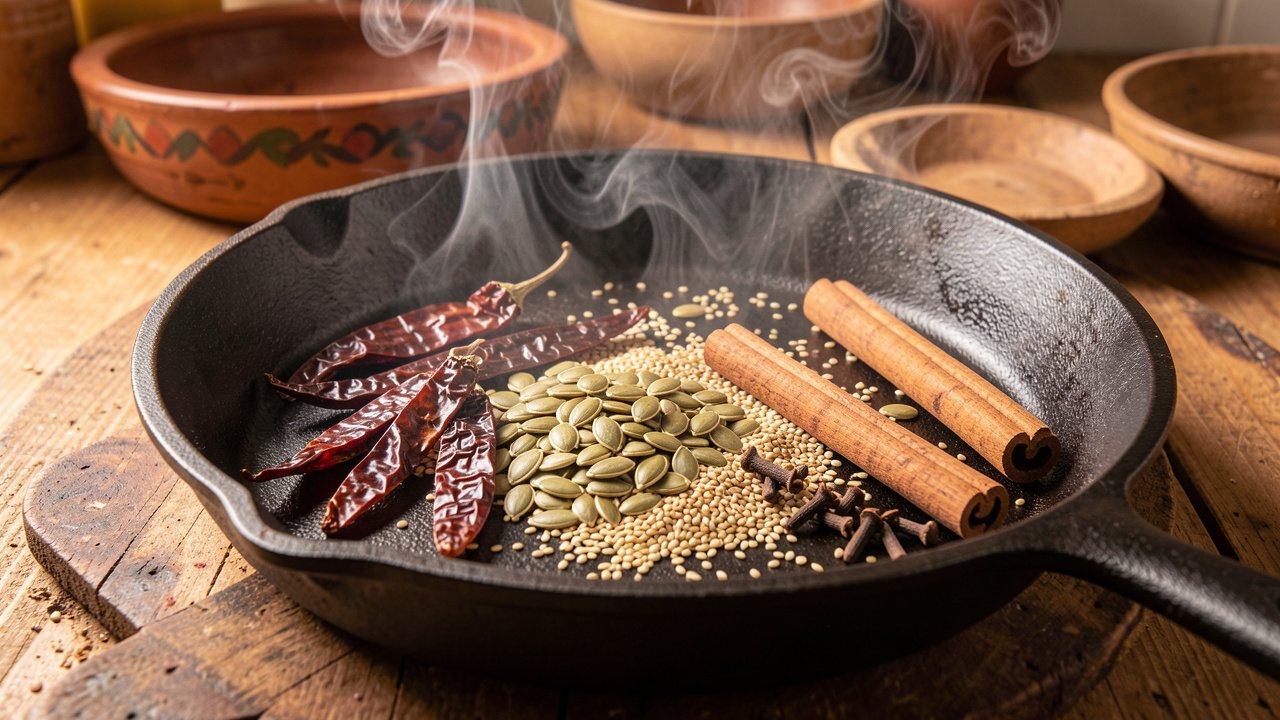
The single most important step is the dry toasting. Seeds, chilies, and whole spices go into a hot, dry pan one type at a time so each can be pulled the moment it turns fragrant. That toasting is what separates a memorable pepian from a flat, muddy one, and it is why the sauce ends up tasting so complex.
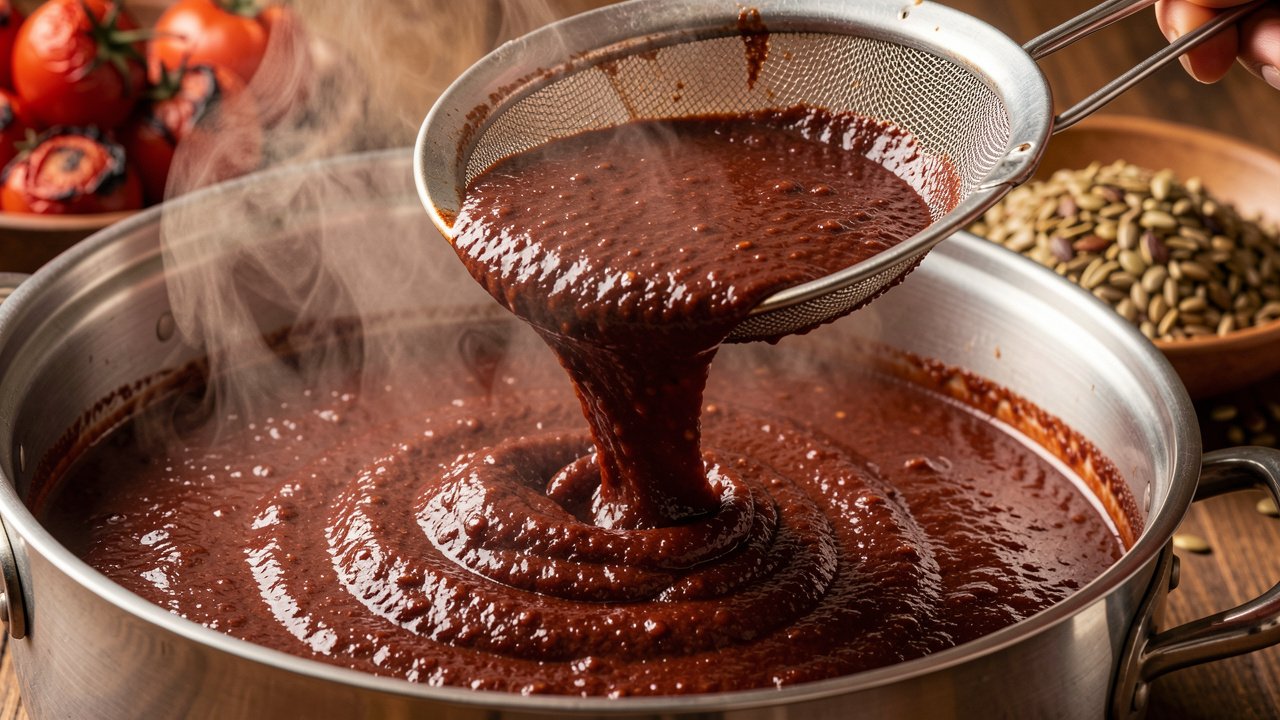
Blending and then straining the sauce is the second quiet secret. A smooth, glossy gravy is the hallmark of a good pepian, and passing the blended mixture through a sieve removes any grit from the seeds and chili skins so the finished stew feels silky on the spoon.
It is also a forgiving one-pot meal. The halal chicken poaches in its own broth, then simmers in the sauce with potato and vegetables until everything is tender and infused. Once you understand the method, you can adjust the heat, the vegetables, or the protein and still land somewhere delicious.
Pro observation: The sauce is ready to receive the chicken when it has darkened to a deep brick-brown and coats the back of a spoon. If it still looks thin or bright red, let it reduce a few minutes longer so the toasted flavors concentrate.
Ingredients
Kitchen Measurement Converter
Quickly convert between common cooking measurements without leaving the recipe. Pick a category, enter a value, and the result updates instantly.
Ingredient Notes & Substitutions
Halal Chicken
Bone-in, skinless pieces give the richest broth and stay juicy through the long simmer. A whole halal chicken cut into serving pieces is traditional, but thighs and drumsticks work beautifully if you prefer dark meat.
Tomatoes & Tomatillos
Roma tomatoes bring sweetness and body, while tomatillos add the bright, tangy edge that defines pepian. If tomatillos are hard to find, use a few extra tomatoes plus a squeeze of lime for that signature tartness.
Dried Chilies
Guajillo gives color and a mild fruity warmth; pasilla adds a darker, raisin-like depth. Toast them briefly and soak in hot water before blending. For more heat, add a dried chile de arbol.
Pumpkin & Sesame Seeds
Toasted pepitas and sesame seeds are the backbone of the sauce, thickening it and giving that nutty richness. Toast them separately and watch closely, since they go from golden to bitter in seconds.
Equipment
- Large heavy pot or Dutch oven
- Dry skillet or comal
- Blender
- Fine-mesh sieve
- Sharp knife and board
- Tongs and ladle
Before You Start
1. Poach the chicken first. Simmering the halal chicken in seasoned broth builds the base of the stew and gives you the liquid you will use to blend and loosen the sauce.
2. Toast one thing at a time. Seeds, chilies, and whole spices all toast at different speeds, so keep them separate and pull each as soon as it smells fragrant.
3. Have a sieve ready. You will strain the blended sauce for the smoothest texture, so set the mesh sieve over your pot before you start blending.
Step-by-Step Instructions
Poach the Halal Chicken
Place the halal chicken pieces in a large pot with the chicken broth, half the onion, two garlic cloves, and a teaspoon of salt. Bring to a gentle simmer and cook 20 to 25 minutes until the chicken is nearly cooked through. Skim any foam, then lift out the chicken and reserve the broth; you will use it to build and loosen the sauce.
Toast the Seeds, Chilies, and Spices
Heat a dry skillet over medium heat. Toast the pumpkin seeds until they puff and turn golden, about 2 minutes, then set aside. Toast the sesame seeds until pale gold, then the guajillo and pasilla chilies for 20 to 30 seconds a side until fragrant, and finally warm the cinnamon stick and cloves. Work in batches and pull each item the moment it smells toasty, since scorched seeds turn the whole sauce bitter.
Char the Tomatoes and Tomatillos
In the same dry skillet, char the tomatoes, tomatillos, remaining onion, and remaining garlic until blistered and blackened in spots, turning them so they soften and take on color all over, about 8 to 10 minutes. This roasting is what gives pepian its smoky, savory backbone, so do not be shy about the char.
Blend and Strain the Sauce
Soak the toasted chilies in a cup of the hot reserved broth for 10 minutes to soften. Add the pumpkin seeds, sesame seeds, cinnamon, cloves, charred tomatoes, tomatillos, onion, garlic, and soaked chilies to a blender with about two cups of broth. Blend until very smooth, then pass the sauce through a fine-mesh sieve into your pot for a silky, grit-free texture.
Simmer the Sauce and Vegetables
Bring the strained sauce to a gentle simmer over medium heat, stirring often, and cook 10 to 12 minutes until it darkens to a deep brick-brown and coats the spoon. Add the quartered potatoes, carrot, and green beans along with enough reserved broth to keep the stew loose but not thin. Season with the remaining salt and let the vegetables cook 10 minutes.
Return the Chicken and Finish
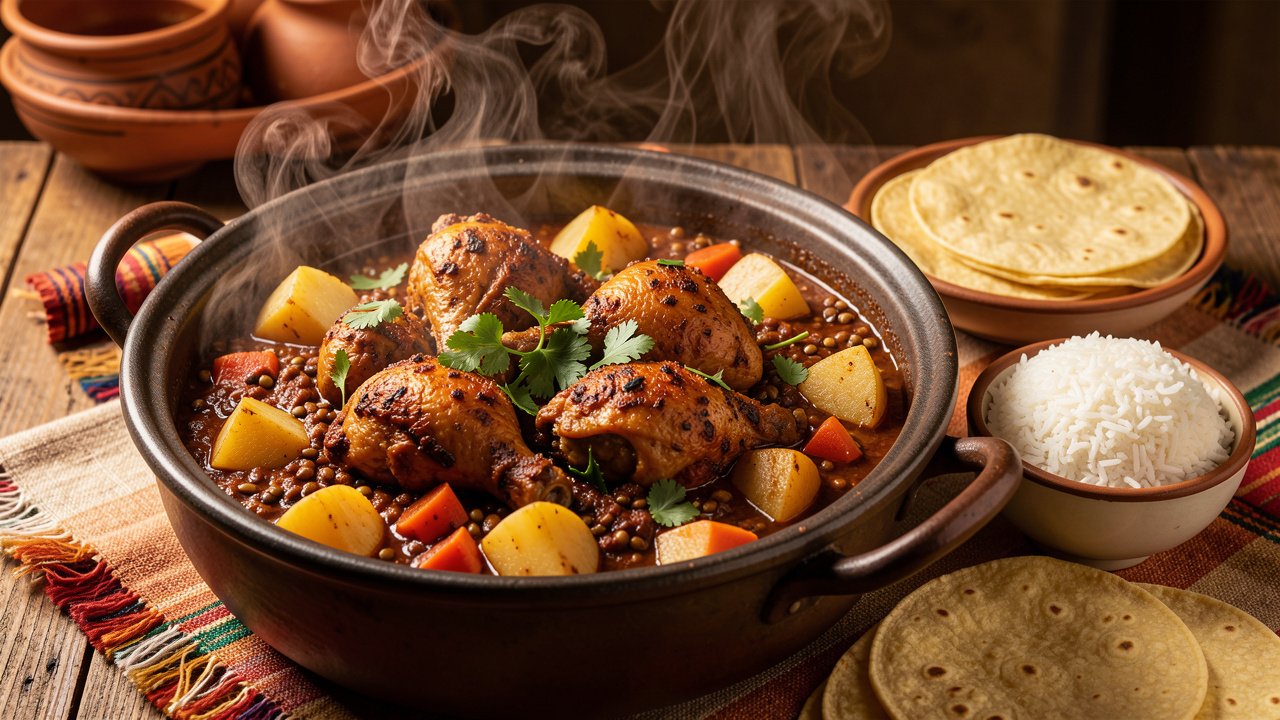
Nestle the halal chicken pieces back into the sauce and simmer gently 12 to 15 minutes, spooning sauce over them, until the vegetables are tender and the chicken is fully cooked to an internal temperature of 165F (74C). Taste and adjust the salt, scatter fresh cilantro over the top, and serve hot with rice and warm tortillas.
Chef’s Tips From Real Kitchen Testing
Toast the seeds over medium, not high, heat and stir constantly. They carry the whole sauce, and even a few burnt seeds will turn the finished pepian bitter.
Always strain the blended sauce. Skipping the sieve is the difference between a rustic, gritty stew and the smooth, glossy gravy a proper pepian is known for.
Use the chicken poaching broth to blend and loosen the sauce. It is packed with flavor and gives the stew a savory depth plain water never could.
Recipe Variations
Serving Suggestions
- A mound of fluffy white rice to soak up the sauce
- Warm corn tortillas for scooping
- A wedge of lime and extra cilantro
- Pickled jalapenos or a fresh chili salsa on the side
Nutrition Facts
| Nutrient | Amount per serving |
|---|---|
| Calories | 420 |
| Protein | 34 g |
| Carbohydrates | 24 g |
| Fat | 22 g |
| Saturated Fat | 5 g |
| Fiber | 6 g |
| Sugar | 7 g |
| Sodium | 640 mg |
Values are estimates per serving and vary with the exact ingredients and brands you use.
Make-Ahead Tips
Pepian is one of those stews that tastes even better the next day, once the toasted seed and chili flavors have had time to settle and deepen. You can make the sauce base a day ahead, strain it, and refrigerate it; the next day, reheat gently, add your vegetables and poached halal chicken, and finish the simmer. Add fresh cilantro only at the very end so it stays bright.
Storage, Freezing & Reheating
Common Mistakes to Avoid
Troubleshooting
Sauce tastes bitter? The seeds or chilies most likely toasted too far. Next time pull them earlier; to rescue this batch, balance it with a little more salt and a pinch of sugar, though prevention is the only real fix.
Sauce too thin? Let it simmer uncovered a few more minutes to reduce and concentrate. The toasted seeds should thicken it naturally as it cooks down.
Sauce too thick or pasty? Loosen it with a ladle of the reserved chicken broth until it coats the spoon but still pours.
Not sure the chicken is done? Check the thickest piece with a thermometer; it is safe at an internal temperature of 165F (74C), with juices running clear.
A Note on Guatemalan Cooking
Pepian carries deep Mayan roots and is often called Guatemala’s oldest dish, a stew that was already being cooked long before European spices such as cinnamon and cloves arrived and were folded into it. It belongs to a family of Guatemalan sauces known as recados, built by toasting seeds, chilies, and vegetables and grinding them into a thick, aromatic base. That technique of dry-roasting and grinding is the heartbeat of the country’s kitchen, and it shows up in celebration meals, family Sundays, and village festivals alike. If you enjoy deeply spiced, tomato-rich bowls, our hearty tomato lentil soup shares the same warming, comforting spirit, and you can find more ideas in our full collection of tomato recipes.
Frequently Asked Questions
More Tomato Recipes to Try
Last updated: September 29, 2026