
North African Recipes
Spiced Skillet Eggs Poached in Tomato Sauce
Shakshuka is one of those dishes that looks impressive but is genuinely forgiving. You build a deep, spiced tomato sauce in a single pan, make little hollows, and slide eggs into them to poach until the whites are just set and the yolks are still glossy. It is breakfast, brunch, and a quick dinner all at once, and it is happiest served straight from the skillet with bread to mop the sauce.

Why This Shakshuka Works
Great shakshuka is really about one thing: a sauce with enough depth that the eggs feel like a bonus rather than the whole show. This version leans on softened onions and bell peppers as its base, so the sauce has body and a gentle sweetness before a single tomato goes in. That foundation is what keeps the finished dish from tasting thin or one-note.
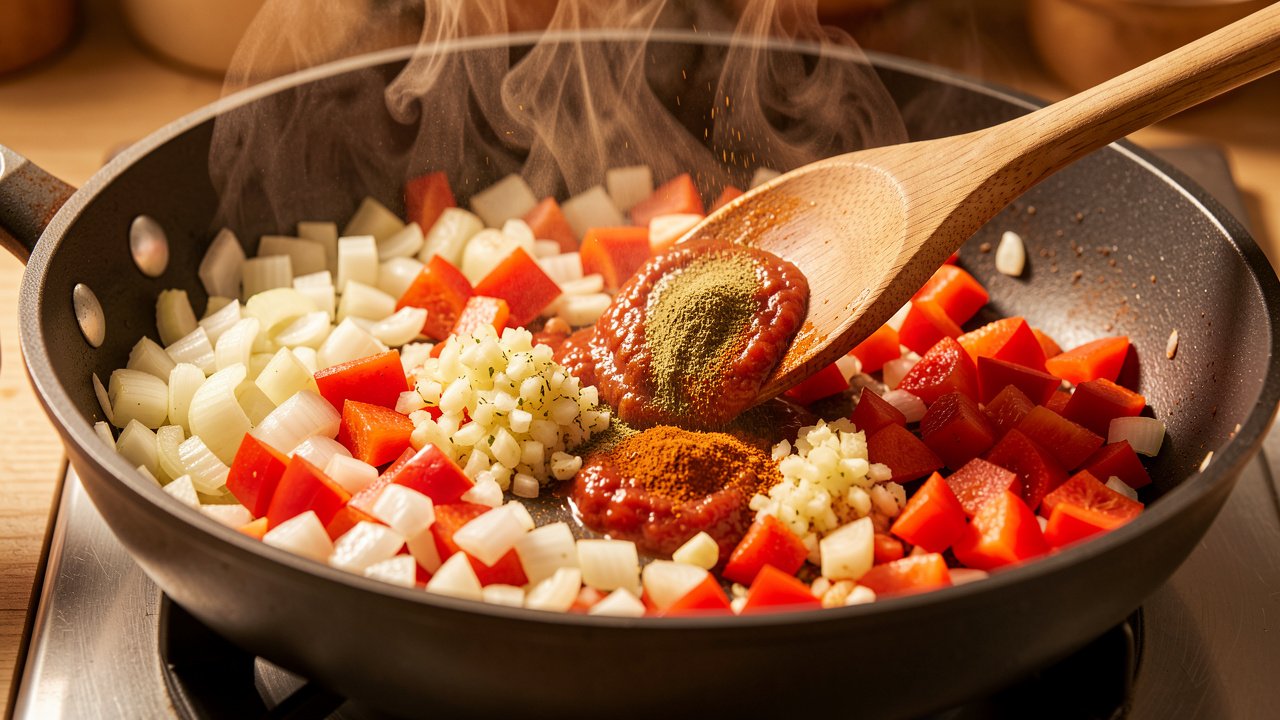
The spices are bloomed in oil, not just stirred into the sauce at the end. Toasting cumin and paprika in the hot pan for a few seconds wakes up their oils and gives the whole skillet a warm, smoky backbone. It takes almost no time, but skipping it leaves the sauce tasting dusty and flat.
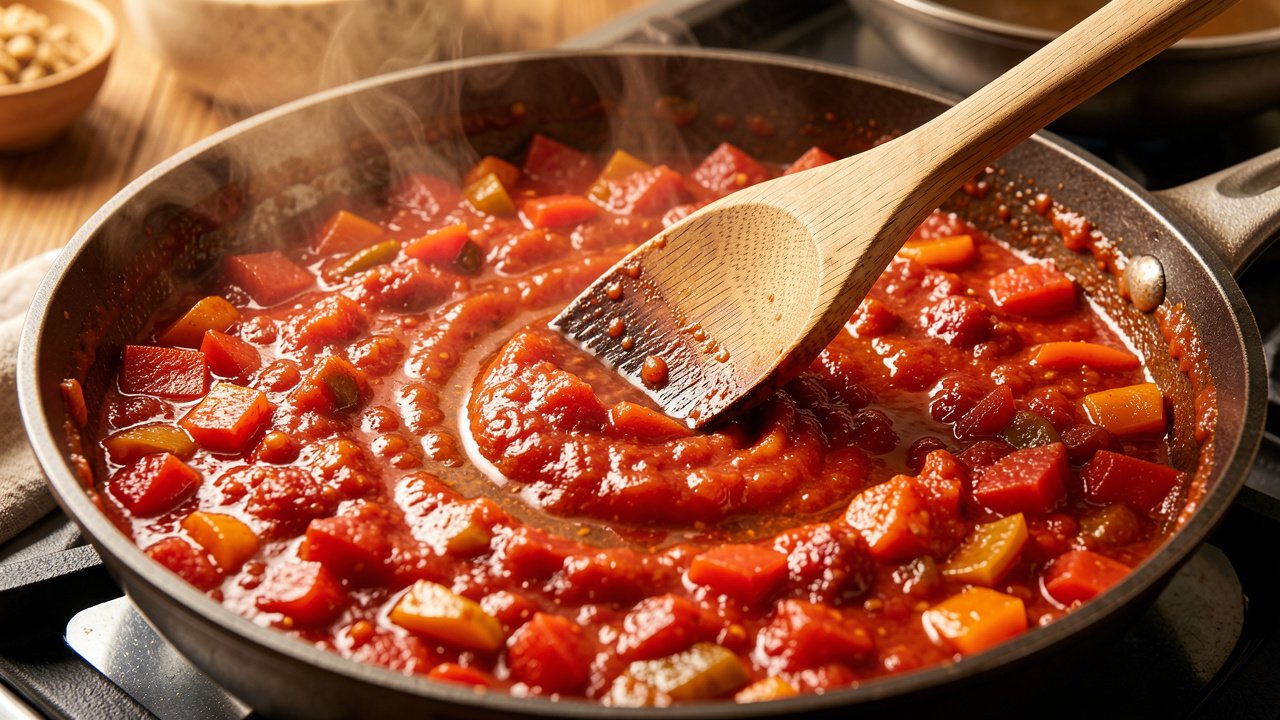
Reducing the tomatoes properly is the other quiet secret. You want the sauce thick enough that a spoon dragged across the pan leaves a brief trail. A watery sauce cannot cradle the eggs, so the whites spread and drift instead of setting into neat pockets. A few extra minutes of gentle simmering fixes almost everything.
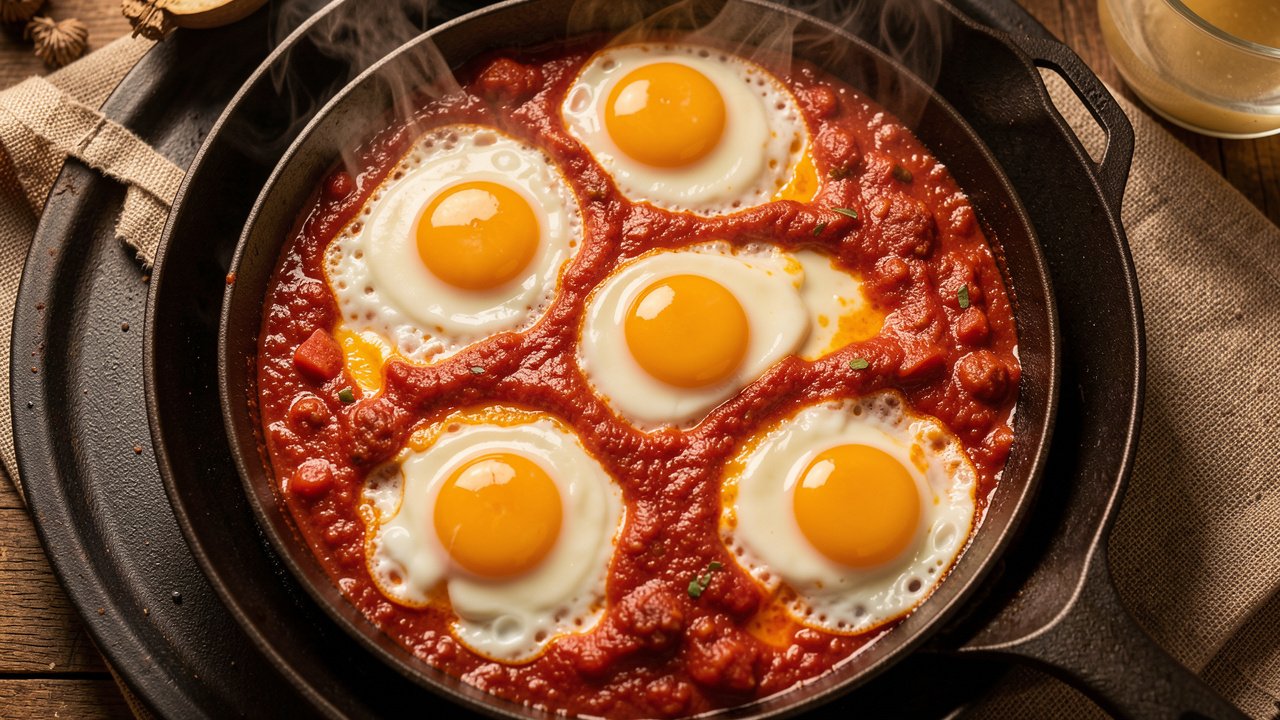
Finally, the eggs are poached low and slow, covered, so the whites set while the yolks stay soft and runny. That contrast between the rich sauce and the loose yolk is the whole point, and it is why people keep tearing off more bread until the pan is clean.
Pro observation: The sauce is ready for the eggs when it mounds slightly and stops running to fill the gaps you make with a spoon. If the wells you create hold their shape for a moment, the sauce is thick enough to poach in.
Ingredients
Kitchen Measurement Converter
Quickly convert between common cooking measurements without leaving the recipe. Pick a category, enter a value, and the result updates instantly.
Ingredient Notes & Substitutions
Tomatoes
A can of good whole peeled tomatoes crushed by hand gives the most reliable, deep-tasting sauce year round. In peak summer you can use about two pounds of ripe fresh tomatoes instead, chopped, though they need a few extra minutes to reduce.
Peppers
Red bell pepper adds sweetness and body. Yellow or orange work just as well. For a more traditional, slightly bitter edge, use a green bell pepper or a mix of red and green.
Spices
Cumin and sweet paprika are the core. A pinch of smoked paprika deepens the flavor, and caraway seeds are a classic Tunisian touch. Adjust the chili flakes up or down to set your heat level.
Eggs and Herbs
Use the freshest eggs you can find, since fresh whites hold together better when poaching. Fresh parsley and cilantro brighten the finish; if you dislike cilantro, simply double the parsley.
Equipment
- Wide skillet with a lid
- Wooden spoon
- Sharp knife and board
- Can opener
- Small bowl for eggs
- Measuring spoons
Before You Start
1. Use a lidded pan. A wide skillet with a lid poaches the eggs evenly with trapped steam. If you have no lid, a baking sheet or foil laid over the top works fine.
2. Crack each egg into a small bowl first. Sliding eggs in one at a time from a bowl gives you far more control over where they land than cracking straight into the sauce.
3. Have your bread ready. Shakshuka waits for no one once the eggs are set, so warm the bread while the sauce simmers and serve the moment the whites turn opaque.
Step-by-Step Instructions
Soften the Onion and Pepper
Heat the olive oil in a wide skillet over medium heat. Add the chopped onion and bell pepper with a pinch of salt and cook 8 to 10 minutes, stirring now and then, until they are soft and the onion is turning golden at the edges. This slow start builds the sweet, mellow base of the sauce.
Bloom the Garlic and Spices
Stir in the minced garlic, cumin, sweet paprika, and chili flakes and cook for about 1 minute, stirring constantly, until everything smells warm and fragrant. Add the tomato paste and cook another minute to caramelize it slightly and take off its raw edge.
Simmer the Tomato Sauce
Add the crushed tomatoes, sugar, remaining salt, and black pepper. Stir well and bring to a gentle simmer. Cook uncovered 12 to 15 minutes, stirring occasionally, until the sauce thickens and darkens and a spoon dragged across the pan leaves a brief trail. Taste and adjust the salt and chili.
Make Wells for the Eggs
Lower the heat to medium-low. Using the back of a spoon, make 6 shallow wells in the sauce, spacing them evenly around the pan and pushing the sauce up into little ridges so each hollow can hold an egg. Leave a bit of sauce at the bottom of each well so the eggs do not stick.
Poach the Eggs
Crack an egg into a small bowl, then gently slide it into a well. Repeat with the remaining eggs. Season the tops with a little salt and pepper. Cover the pan and cook 6 to 10 minutes, until the whites are fully set and opaque but the yolks are still soft. Check often near the end, since the eggs go from runny to firm quickly.
Garnish and Serve
Take the pan off the heat as soon as the whites are set. Scatter the chopped parsley and cilantro generously over the top and add a final pinch of chili flakes if you like. Bring the whole skillet to the table and serve hot with warm crusty bread or flatbread for scooping.
Chef’s Tips From Real Kitchen Testing
Reduce the sauce more than feels necessary. A thick base holds the wells and keeps the whites from spreading into thin, watery streaks.
Poach the eggs on low heat with the lid on. Gentle steam sets the whites from the top down while the yolks stay soft underneath.
Pull the pan off the heat a touch early. Residual heat keeps cooking the eggs for a minute, so early is safer than a plate of hard yolks.
Recipe Variations
Serving Suggestions
- Warm crusty bread, pita, or flatbread for scooping
- A simple cucumber, tomato, and herb salad
- Creamy labneh or plain yogurt on the side
- Extra chili flakes and a drizzle of good olive oil
Nutrition Facts
| Nutrient | Amount per serving |
|---|---|
| Calories | 250 |
| Protein | 14 g |
| Carbohydrates | 16 g |
| Fat | 15 g |
| Saturated Fat | 3.5 g |
| Fiber | 4 g |
| Sugar | 9 g |
| Sodium | 680 mg |
Values are estimates per serving and vary with the exact ingredients and brands you use.
Make-Ahead Tips
The sauce is the make-ahead hero here. Cook it fully through the simmering stage, cool, and refrigerate for up to 3 days or freeze for up to 2 months. When you are ready to eat, reheat the sauce in a skillet until bubbling, loosen it with a splash of water if it thickened, then make the wells and poach the eggs fresh. Poaching the eggs to order is what keeps the yolks soft, so it is best not to cook them ahead.
Storage, Freezing & Reheating
Common Mistakes to Avoid
Troubleshooting
Whites still runny but yolks setting? The heat is too high, cooking the tops before the whites finish. Lower it, cover, and give the whites a couple of gentle minutes.
Sauce too acidic or sharp? Stir in the sugar, or a little more, and a pinch of salt. A short extra simmer also mellows the tomatoes.
Sauce too thick before the eggs go in? Loosen it with a splash of water so the eggs have room to settle and poach evenly.
Egg Doneness and Food Safety
Shakshuka is traditionally served with soft, runny yolks, but you control the doneness by how long you keep the pan covered. For a firmer set, simply cook a few minutes longer until the yolks are cooked to your preference.
Food-safety note: Cook the whites until they are fully set and opaque. If you are serving young children, older adults, anyone pregnant, or anyone with a weakened immune system, cook the eggs until both the whites and yolks are firm, or use pasteurized eggs. For fully cooked safety, eggs should reach an internal temperature of 160 degrees F.
A Note on North African Cooking
Shakshuka has deep roots in North Africa, most often traced to Tunisia, and it spread across the Maghreb and the Middle East, where it became a beloved breakfast and any-time meal. The name points to a dish of things mixed together, and that spirit shows: a handful of vegetables, warm spices, and eggs turned into something generous and shared. Regional cooks vary it endlessly, from the caraway-scented Tunisian style to versions bright with peppers and herbs across the eastern Mediterranean.
What ties them together is the humble, thrifty logic of building a big flavor from pantry staples and eating straight from the pan. If you love that style of spiced tomato cooking, browse more ideas in our tomato recipes collection.
Frequently Asked Questions
More Tomato Recipes to Try
Last updated: August 25, 2026