Peruvian Recipes
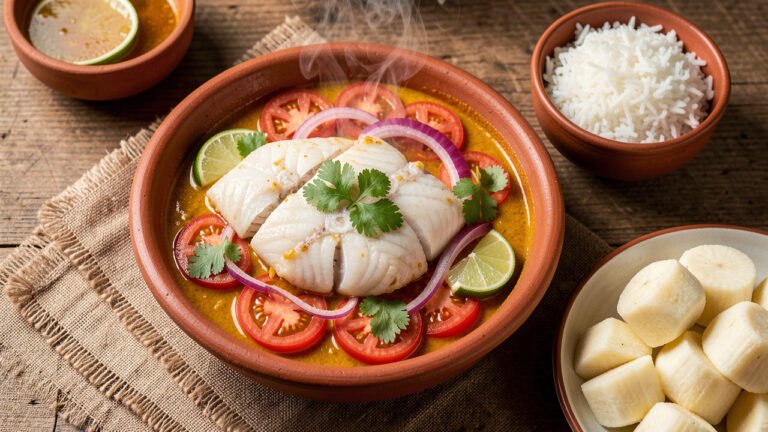
Peruvian Steamed Fish in Tomato and Aji Sauce
Sudado means sweated, and that word explains the whole technique. No browning, no long simmer, no reducing a sauce for an hour. You build a bed of tomato and onion, lay the fish on top, add just enough liquid to raise steam, clamp on a lid, and let the pot work.
The first time I made this I kept lifting the lid to check. The fish took twice as long and the sauce came out thin. Once the lid goes on it stays on, because the trapped steam is what carries the aji amarillo and garlic into every flake.
Why This Sudado de Pescado Works
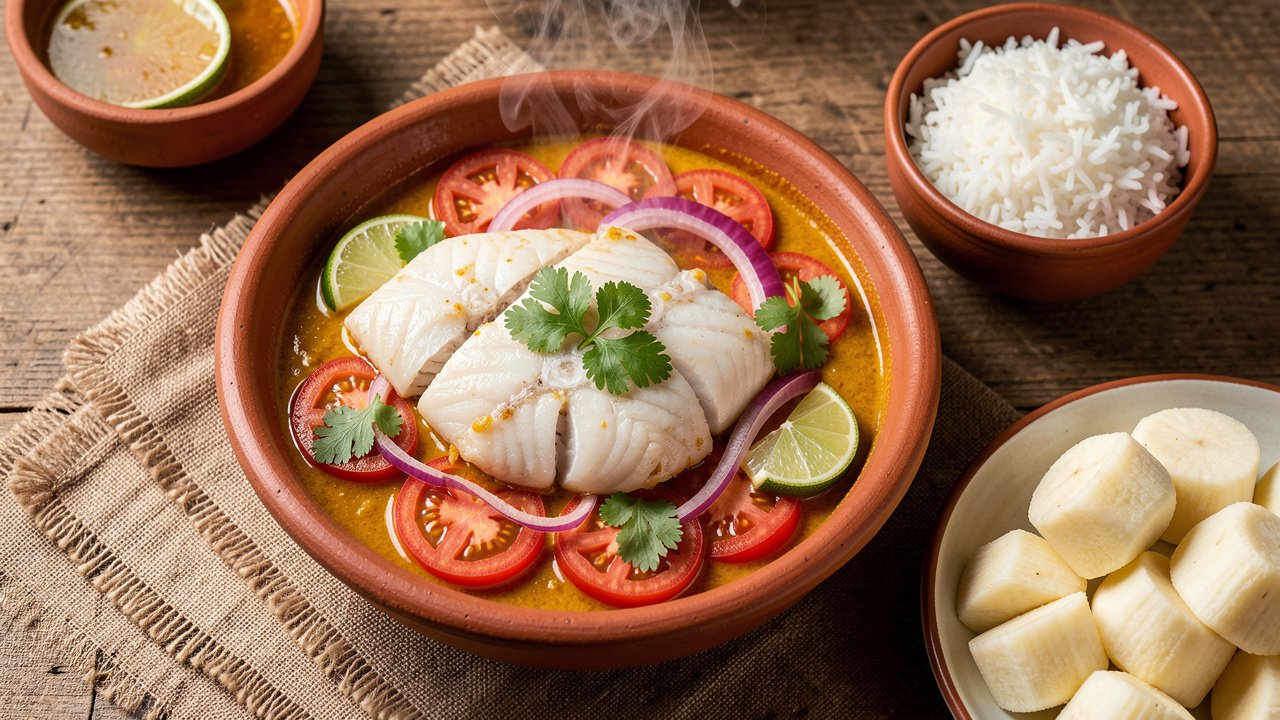
The tomatoes and onion go in raw, sliced thick rather than diced, and they collapse under the lid at the same moment the fish is cooking above them. Their own juices become the sauce, so nothing is boiled away and the dish tastes clean and forward instead of stewed.
Thick half-moon onion slices matter more than they sound. They hold their shape and lift the fish off the hot base, and that rack is why the fish stays in whole flakes instead of shredding into the sauce.
Aji amarillo is what makes this Peruvian rather than generic. Stirred into hot oil with the garlic, the fruity orange chili turns the pot deep gold and perfumes the steam. Lime and fish stock keep the sauce bright without any long reduction.
Pro observation: Listen to the pot instead of looking into it. A steady, quiet hiss means the steam is working. Silence means the heat is too low, and a loud rattle means the sauce is boiling rather than sweating.
Ingredients
Kitchen Measurement Converter
Convert between common cooking measurements without leaving the recipe. Pick a category, enter a value, and the result updates instantly.
Ingredient Notes & Substitutions
The Fish
Corvina is traditional, but sea bass, grouper, cod, halibut, snapper, or hake all hold up in steam. Bone-in steaks an inch thick stay moist and are hard to overcook.
Tomatoes
Ripe red tomatoes are the whole sauce here. Slice them a quarter inch thick rather than chopping. Out of season, use plum tomatoes or drained canned whole peeled tomatoes, torn.
Aji Amarillo Paste
Sold in jars at Latin markets, this is the signature Peruvian chili paste: fruity and gently hot. No luck finding it? Blend a roasted orange bell pepper with a small hot chili and a pinch of turmeric.
Fish Stock and Lime
A cup of light fish stock gives the steam savory depth; shrimp or vegetable stock also work. If the pot ever tastes flat, a splash of fish stock or lime brightens it right back up.
Equipment
- Wide pot with a tight lid
- Sharp knife and board
- Fish spatula
- Instant-read thermometer
- Saucepan for the cassava
- Citrus juicer
Before You Start
1. Season the fish first. Rub the steaks with lime, salt, pepper, and cumin and let them sit 15 minutes while you slice everything else.
2. Pick a pot that fits. The steaks should sit in one layer with a little space between them, never stacked.
3. Start the rice and cassava now. Both take longer than the fish, so get them going before you touch the main pot.
4. Slice, do not chop. Thick onion half moons and thick tomato rounds build the rack the fish steams on. Fine dice turns to mush.
Step-by-Step Instructions
Season the Fish
Pat the fish steaks dry and rub them with 2 tablespoons of the lime juice, 1 teaspoon of the salt, the black pepper, and the cumin. Rest 15 minutes. Meanwhile peel the cassava, cut it into batons, boil it in salted water, and start the rice.
Bloom the Aji Amarillo and Garlic
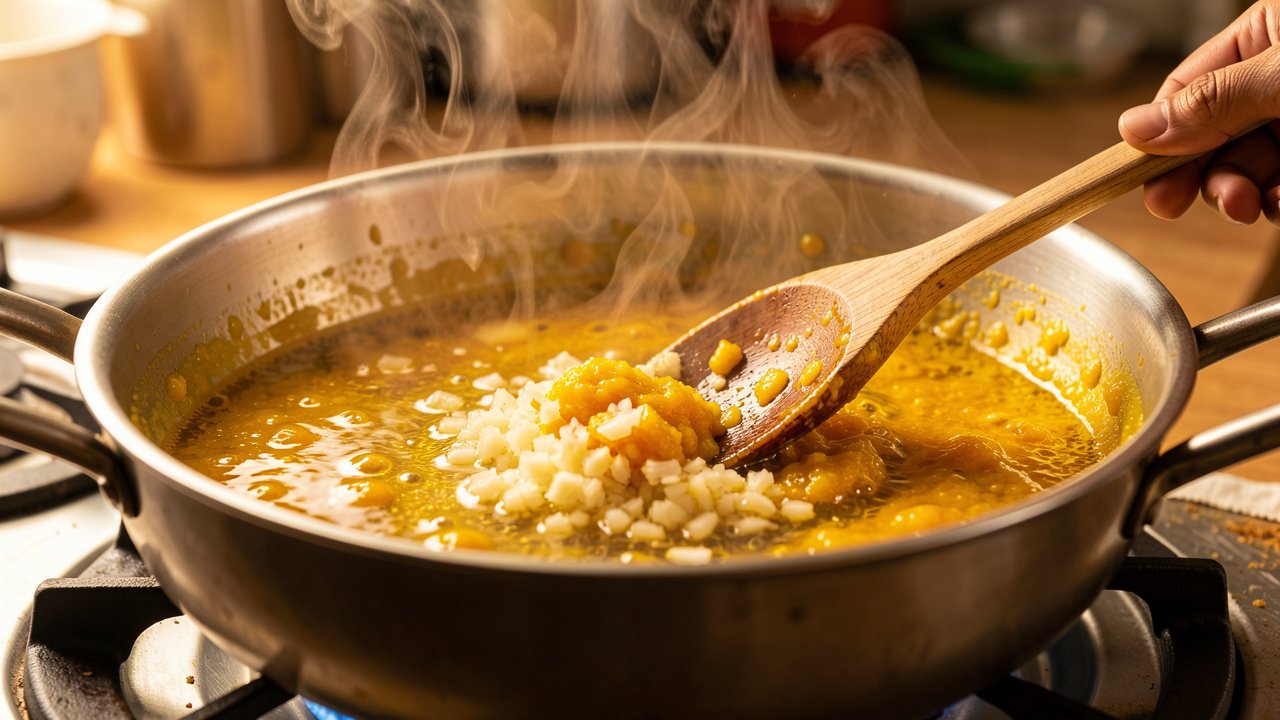
Warm the oil in a wide pot over medium heat. Cook the garlic 30 seconds, just until fragrant and before it colors. Stir in the aji amarillo paste and turmeric and cook 1 to 2 minutes, stirring, until the oil turns deep gold and the paste smells fruity rather than raw.
Build the Bed of Onion and Tomato
Scatter the sliced red onion over the golden oil and cook 3 to 4 minutes, until it softens but holds its shape. Lay the sliced tomatoes on top, add the fresh aji amarillo and half the cilantro, and season with the remaining salt. Do not stir it in; you want layers, not a mash.
Lay In the Fish and Add the Stock
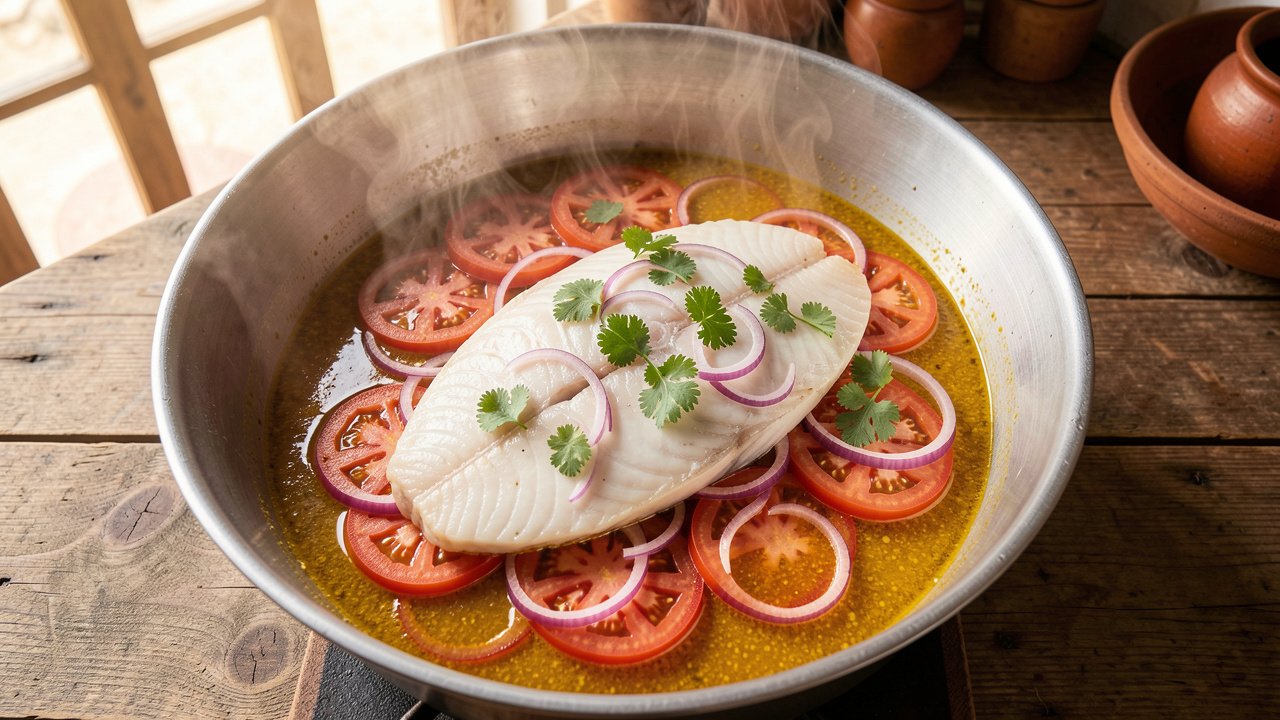
Nestle the fish steaks on the tomatoes in a single layer. Pour the fish stock and leftover marinade down the side of the pot, not over the fish, so the seasoning stays put. The liquid should come a third of the way up the vegetables.
Cover and Sweat
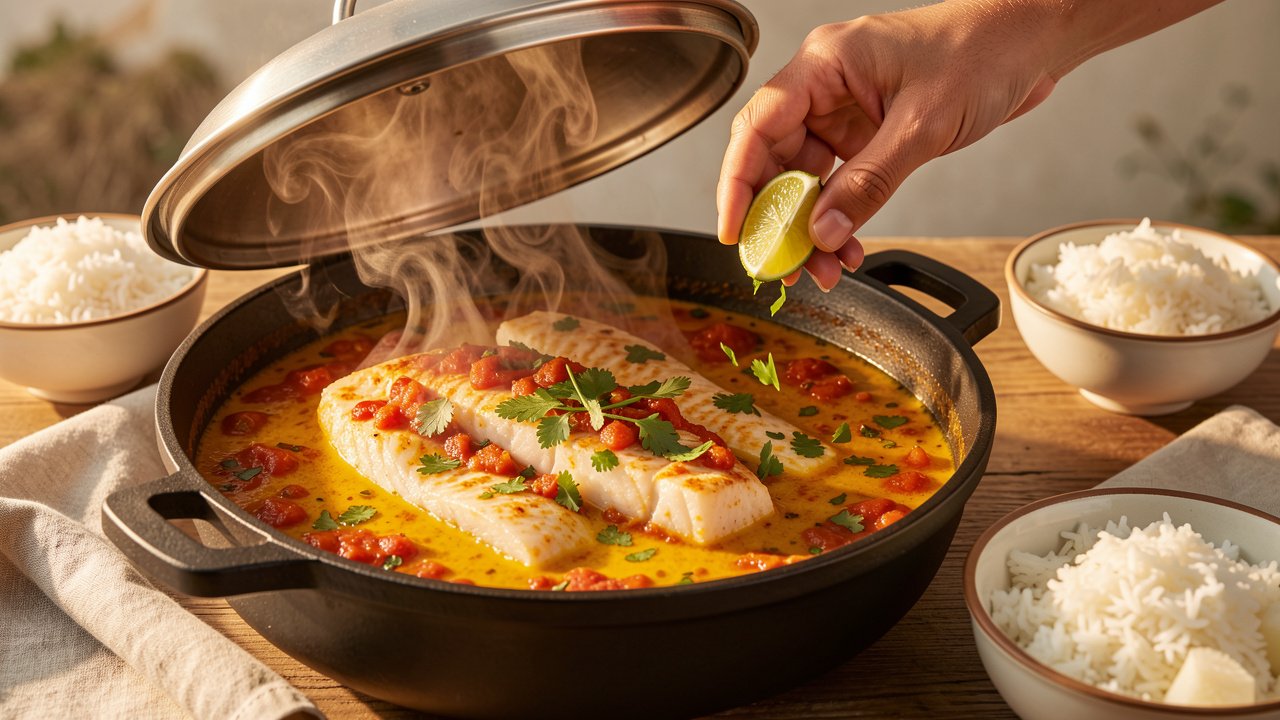
Put the lid on tight, lower the heat to medium-low, and leave it alone for 12 to 15 minutes depending on thickness. Every peek releases the steam that is doing the cooking. The fish is ready when it flakes easily and is opaque to the center.
Food safety: Cook fish to an internal temperature of 145 degrees Fahrenheit, or 63 degrees Celsius, taken at the thickest part away from any bone. Buy fish that smells of clean sea water, keep it cold, and cook or freeze it the day you buy it.
Finish with Lime and Cilantro
Off the heat, squeeze over the last tablespoon of lime and scatter the remaining cilantro. Taste the sauce pooled at the bottom and adjust with salt or more lime; it should read bright, never flat. Spoon fish, vegetables, and plenty of sauce into shallow bowls and serve with rice and cassava.
Chef’s Tips From Real Kitchen Testing
Weigh a loose lid down with a plate. The extra seal traps steam, cuts two or three minutes off the cook, and keeps the sauce from thinning.
Pull the pot off the heat a minute before you think the fish is done. Carryover heat finishes it under the lid.
Salt the tomato layer, not just the fish. Seasoned vegetables release their liquid faster, and that liquid is your sauce.
Recipe Variations
Serving Suggestions
- Steamed white rice, the essential partner
- Boiled cassava or sweet potato for the sauce
- Salsa criolla: lime-dressed red onion and cilantro
- Boiled choclo, the large-kernel Peruvian corn
- Extra lime wedges and a dish of aji sauce
- A cold purple corn drink or iced water
Nutrition Facts
| Nutrient | Amount per serving |
|---|---|
| Calories | 480 |
| Protein | 40 g |
| Carbohydrates | 52 g |
| Fat | 12 g |
| Saturated Fat | 2 g |
| Fiber | 5 g |
| Sugar | 8 g |
| Sodium | 820 mg |
Estimates per serving including rice and cassava; values vary with the fish and portions used.
Make-Ahead Tips
Steamed fish does not improve with sitting, so prepare everything around it ahead. Slice the onions and tomatoes a day early, and boil the cassava hours ahead. Season the fish no more than an hour before cooking, since lime firms the surface if it sits longer.
Storage, Freezing & Reheating
Common Mistakes to Avoid
Troubleshooting
Sauce thin and watery? Lift the fish onto a warm plate, bubble the vegetables uncovered 3 to 4 minutes, then return the fish and cover briefly.
Fish fell apart? The steaks were too thin, the pot boiled instead of simmered, or the fish was turned. Sudado fish is never flipped.
Sauce tastes flat? Add salt first, then lime a teaspoon at a time until the flavors focus.
Still translucent in the middle? Cover for 2 to 3 more minutes over medium-low, then check with a thermometer.
A Note on Peruvian Cooking
Peru’s coastline runs along one of the richest fishing grounds on earth, fed by the cold Humboldt current. Coastal cooking grew out of that abundance, which is why the defining dishes treat fish simply: ceviche cures it in lime, tiradito slices it thin, and sudado steams it whole over vegetables. Aji amarillo, garlic, red onion, cumin, cilantro, and palillo do the seasoning.
The sudado method belongs to a family of gentle, covered cooking found across the coast and the Andes, where the pot stays low enough that vegetables sweat rather than fry. If you like ripe tomatoes carrying warm spice, try our creamy Indian tomato soup, or browse all our tomato recipes.
Frequently Asked Questions
More Tomato Recipes to Try
Last updated: September 29, 2026