Croatian Recipes
Dalmatian Fish and Tomato Stew
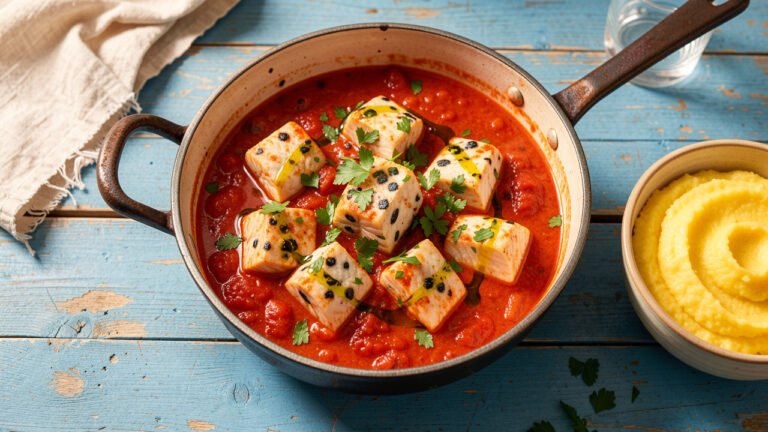
Brudet, sometimes spelled brodet or brodetto, is the kind of dish coastal cooks make when the day’s catch is mixed and nothing should go to waste. Several kinds of fish go into one pot, so the sauce ends up deeper and more interesting than any single fish could make on its own. It is humble, generous food that tastes of the Adriatic.
The one rule everyone on the Dalmatian coast agrees on is that you do not stir it. Once the fish goes into the tomato base you leave it alone, swirling the pan by the handles instead of dragging a spoon through it. That is how the pieces stay whole instead of shredding into the sauce.
Why This Croatian Brudet Works
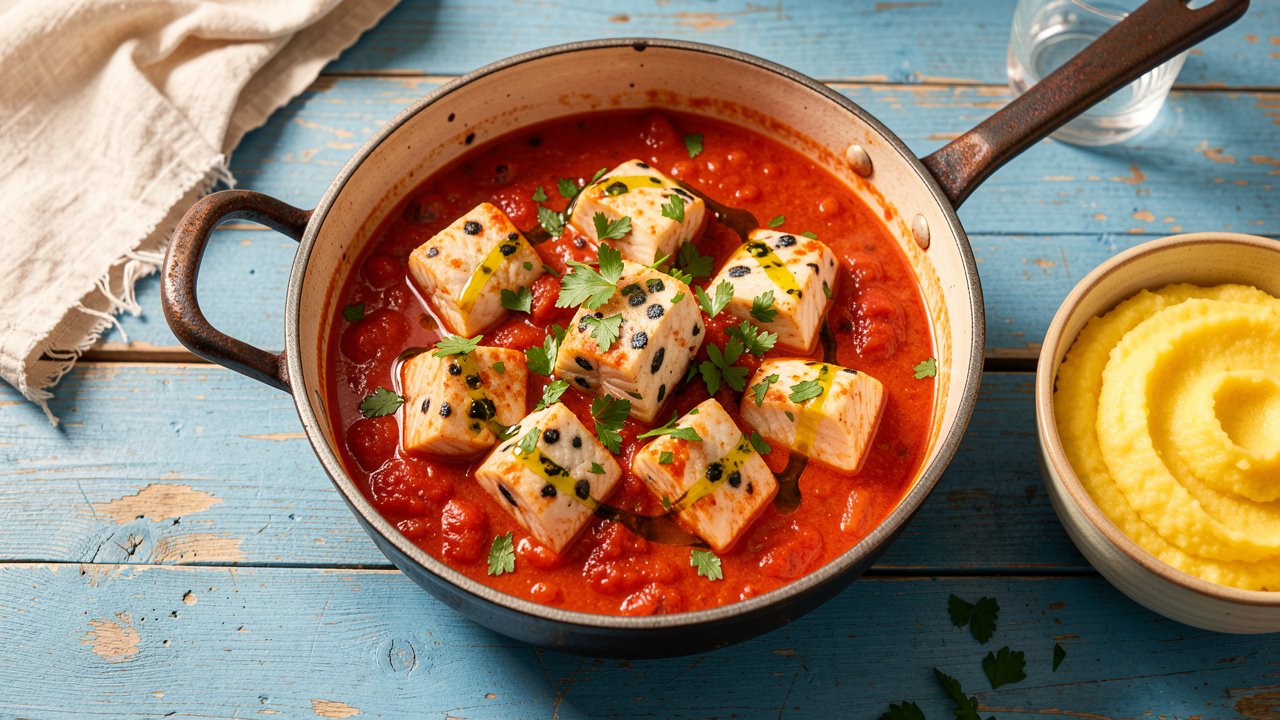
Brudet is built on a short list of honest ingredients: fish, tomatoes, onions, garlic, olive oil, and parsley. What makes it sing is not any one of them but the way they cook together slowly, with the fish resting in a sauce that has already been coaxed to a deep, savory richness before it ever goes in.
The base is the foundation. You soften a generous amount of onion in olive oil until it is sweet and jammy, add garlic and tomato, then let it cook down until the raw edge is gone and the sauce clings to a spoon. A little vinegar and a spoon of tomato paste give it backbone and a gentle tang, the same brightness coastal cooks have always used to lift oily fish.
The no-stir method is the second secret. Once the fish is nestled into the sauce you cook it undisturbed, tilting and swirling the pan rather than stirring. The fish poaches in the tomato steam, holds its shape, and the sauce reduces around it into something glossy and concentrated.
Finally, it is flexible by design. A single firm white fish makes a fine brudet, but a mix of two or three, with a handful of halal shellfish tucked in, gives the sauce more depth. Once you have the method, the market decides the rest.
Pro observation: The tomato base is ready for the fish when a spoon dragged across the pan leaves a trail that fills back in slowly and the oil glistens at the edges. That thickness is what keeps the sauce from turning watery once the fish releases its juices.
Ingredients
Kitchen Measurement Converter
Quickly convert between common cooking measurements without leaving the recipe. Pick a category, enter a value, and the result updates instantly.
Ingredient Notes & Substitutions
The Fish
Firm white fish that holds together is what you want: grouper, sea bass, monkfish, scorpionfish, or a sustainable cod. Use halal fish and, ideally, a mix of two or three. Buy it on the bone or with the skin on if you can, as it holds shape better and gives the sauce more flavor.
Tomatoes
Ripe, red tomatoes, grated on the coarse side of a box grater, give the freshest sauce. Out of season, one 14-ounce can of chopped or crushed tomatoes is more reliable than pale fresh ones. The tomato paste deepens the color and body either way.
The Bright Note
Coastal cooks always add something sharp to cut the richness of the fish. A splash of vinegar or a ladle of fish stock brightens it beautifully here, along with a squeeze of lemon at the table. Add the vinegar early so its edge mellows into the sauce.
Polenta
Soft, loose polenta is the classic partner, its mild corn sweetness soaking up the sauce. Use coarse cornmeal and cook it slow with plenty of water and salt. If you prefer, crusty bread works too, though polenta is the true Dalmatian way.
Equipment
- Wide, shallow pot or braiser
- Heavy saucepan for polenta
- Box grater or blender
- Sharp knife and board
- Whisk for polenta
- Ladle
Before You Start
1. Cut the fish into big chunks. Two-inch pieces hold together far better than small ones during the gentle simmer, so keep them generous. Pat them dry and season lightly with salt while you build the base.
2. Use a wide pot, not a deep one. Brudet cooks in a single layer so every piece of fish sits in the sauce. A wide braiser or shallow pot lets the liquid reduce properly and keeps the fish from stacking.
3. Start the polenta in parallel. Soft polenta takes 30 to 40 minutes of slow cooking, so get it going while the tomato base simmers and you will have both ready at once.
Step-by-Step Instructions
Prep the Fish and Aromatics
Cut the cleaned fish into large two-inch chunks, pat them dry, and season lightly with salt. Finely chop the onions and mince the garlic. Grate or chop the tomatoes and have the tomato paste, vinegar, stock, and bay leaves within reach. If using shellfish, scrub any mussels and peel the prawns now.
Build the Onion and Tomato Base
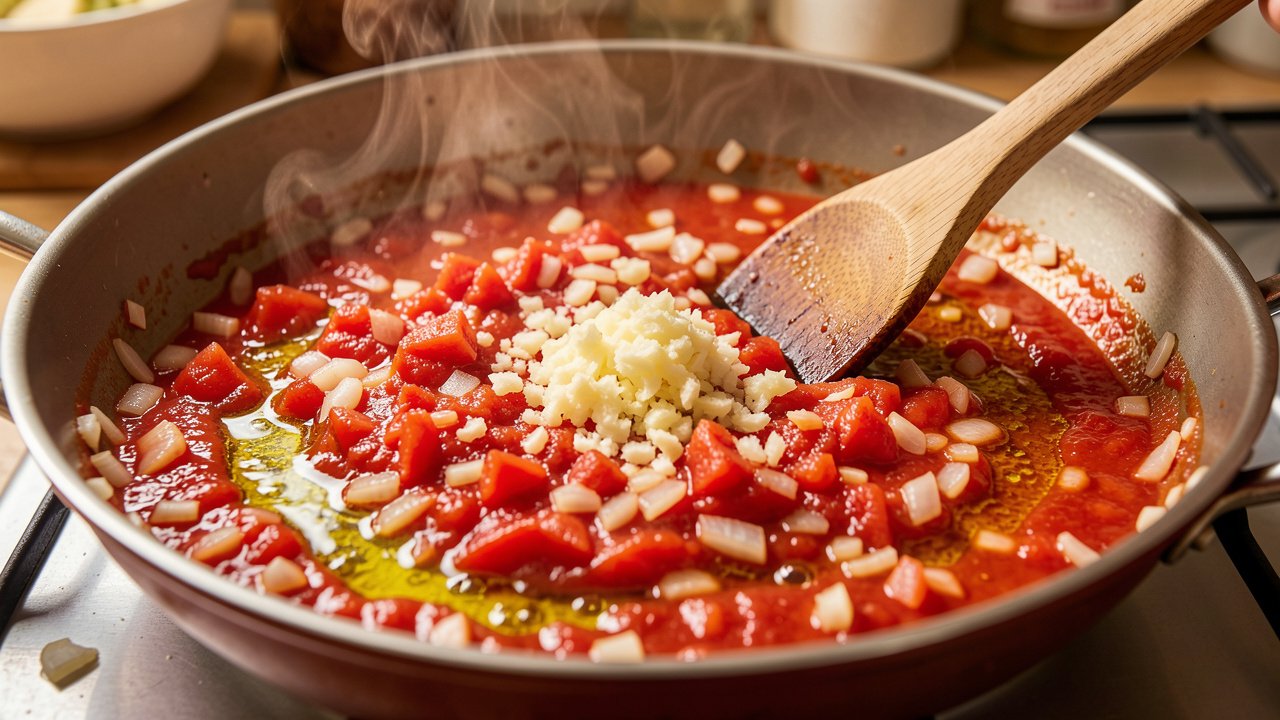
Warm the olive oil in a wide, shallow pot over medium-low heat. Add the chopped onions and cook slowly for 10 to 12 minutes until soft, sweet, and just golden. Stir in the garlic and paprika and cook 1 minute until fragrant, then add the grated tomatoes, tomato paste, bay leaves, salt, and pepper.
Simmer the Sauce Down
Pour in the vinegar and let it cook off for a minute, then add the fish stock or water. Bring to a gentle simmer and cook uncovered for 12 to 15 minutes, stirring now and then, until the sauce has thickened, darkened, and the raw tomato edge is gone. Taste and adjust the salt now, before the fish goes in.
Nestle in the Fish
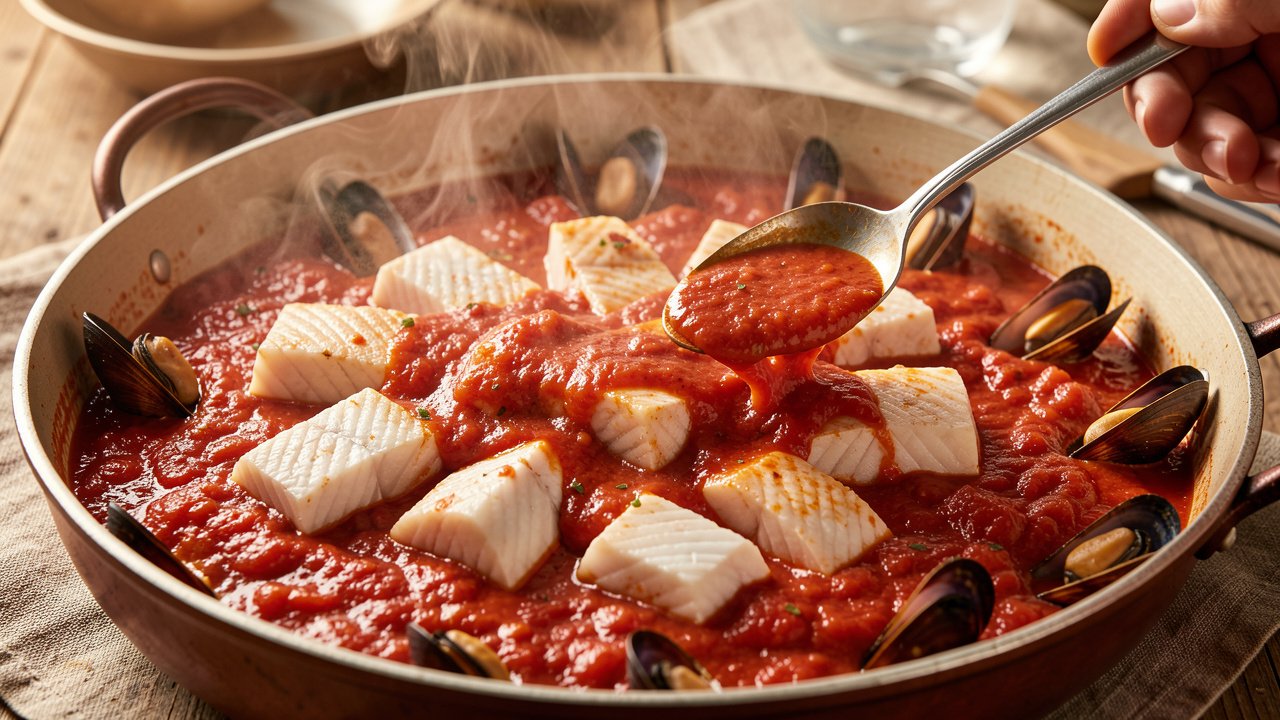
Lower the heat so the sauce is barely bubbling. Lay the fish chunks into the sauce in a single layer, spooning a little sauce over each piece so they are half-submerged. If you are adding shellfish, tuck it in around the fish. From here on, do not stir: swirl the pan by its handles if the sauce needs redistributing.
Poach Gently Without Stirring
Cover partially and simmer very gently for 12 to 15 minutes, until the fish is opaque all the way through and flakes at a gentle nudge but still holds together. Thicker pieces take longer than thin ones. The fish is safely cooked when it turns from translucent to opaque and reaches an internal temperature of 145F (63C) at its thickest point.
Finish and Serve Over Polenta
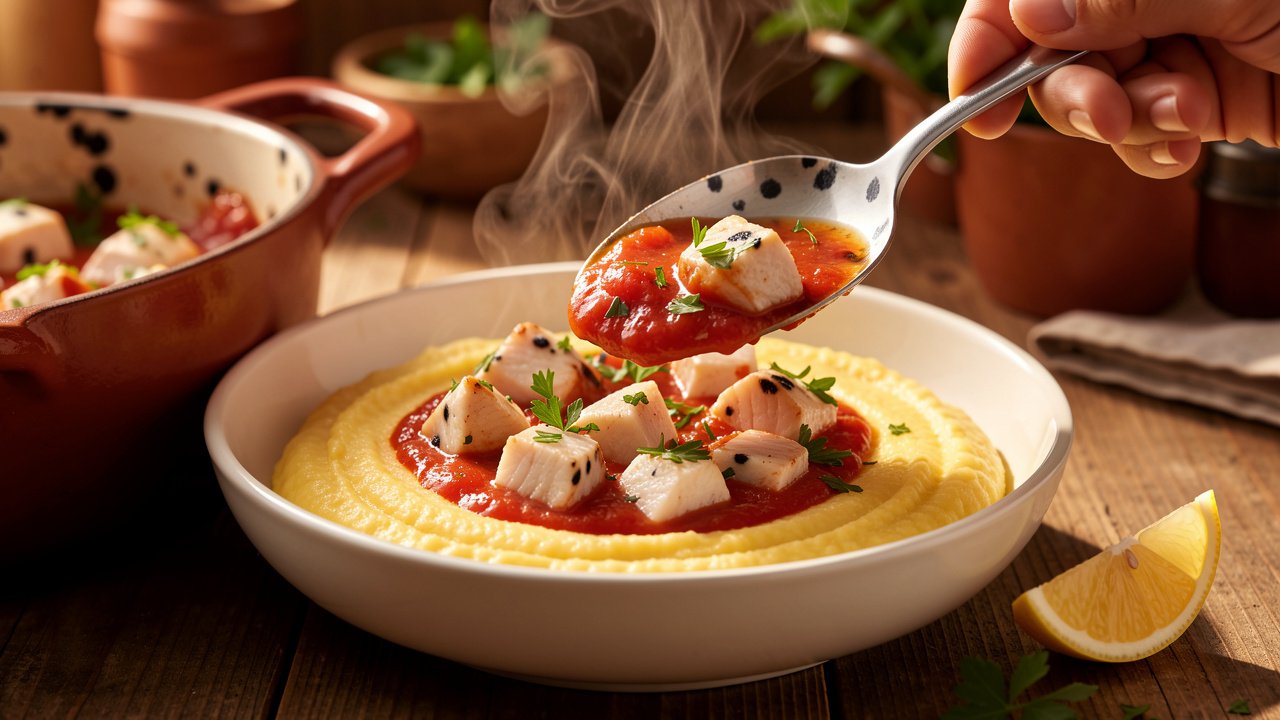
Turn off the heat and scatter most of the parsley over the top, saving a little for serving. Drizzle with a thread of olive oil and let the pot rest 5 minutes so the flavors settle. Spoon soft polenta into wide bowls, ladle the brudet and its sauce over it, and serve with lemon wedges and the reserved parsley.
Chef’s Tips From Real Kitchen Testing
Never drag a spoon through the pot once the fish is in. Swirl the pan by its handles instead, so the pieces stay whole rather than breaking into shreds.
Build the sauce fully before the fish goes in. It only cooks for around 15 minutes with the fish, which is not enough time to fix a thin or raw-tasting base.
Cook the fish just to opaque and pull it off the heat. Carryover cooking finishes the job, and a few resting minutes let the sauce cling to every piece.
Recipe Variations
Serving Suggestions
- Soft polenta, the classic Dalmatian pairing
- Crusty bread to mop up the sauce
- A simple green salad with olive oil and lemon
- Extra parsley and lemon wedges at the table
Nutrition Facts
| Nutrient | Amount per serving |
|---|---|
| Calories | 420 |
| Protein | 38 g |
| Carbohydrates | 34 g |
| Fat | 16 g |
| Saturated Fat | 3 g |
| Fiber | 4 g |
| Sugar | 7 g |
| Sodium | 720 mg |
Values are estimates per serving and vary with the exact fish, portions, and brands you use.
Make-Ahead Tips
The tomato base can be made a day ahead, which actually improves it: cook it through step three, cool, and refrigerate. The next day, bring it back to a gentle simmer, add the fish fresh, and finish the stew as written. The fish itself is best cooked just before serving so it stays tender, so avoid making the whole dish far in advance. Cook the polenta fresh as well, since it firms up as it cools.
Storage, Freezing & Reheating
Common Mistakes to Avoid
Troubleshooting
Sauce too thin? The base did not reduce enough before the fish went in. Lift the fish out gently, simmer the sauce a few minutes to thicken, then return the fish.
Fish falling apart? The pieces were cut too small or the pot was stirred. Next time cut larger chunks and swirl the pan instead of stirring.
Tastes flat? It usually needs salt and acidity. Add a pinch of salt and a squeeze of lemon at the table to wake the whole bowl up.
A Note on Dalmatian Cooking
The Dalmatian coast is a long ribbon of islands, harbors, and fishing villages where the sea sets the menu. Brudet belongs to a family of Adriatic fish stews that stretches down the coast, each town spelling it and seasoning it a little differently, but all sharing the same rustic soul: whatever the boats brought in, simmered in tomato and olive oil and eaten with something soft to soak up the sauce. The refusal to stir is not superstition but craft; it keeps a mixed catch of delicate fish in recognizable pieces rather than a puree. Soft polenta is the near-universal partner, a golden bed that turns a pot of stew into a full, satisfying meal. If you like brothy, tomato-forward bowls, our creamy Indian tomato soup shares that same comforting, spoonable spirit, and you can browse more ideas in our full collection of tomato recipes.
Frequently Asked Questions
More Tomato Recipes to Try
Last updated: September 29, 2026