Colombian Recipes
The Foundational Colombian Tomato and Scallion Sauce
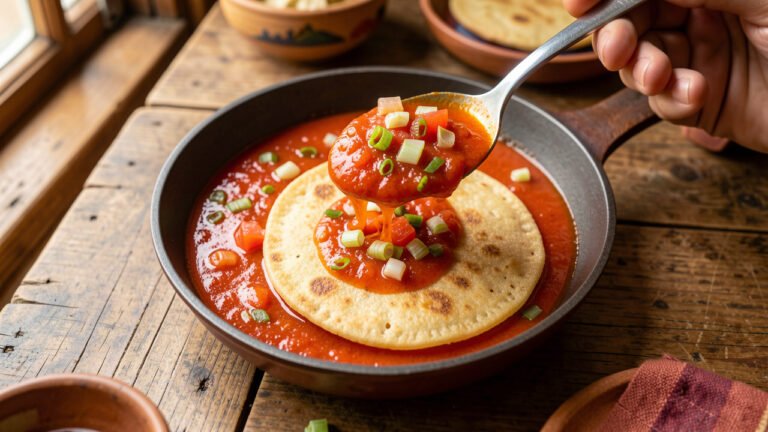
Hogao is the quiet workhorse of the Colombian kitchen. It is not a dish you plate on its own so much as the flavor base that makes everything around it taste like home. Scallions and tomatoes melt down slowly in oil until they lose all their raw edge and turn into something soft, glossy, and deeply savory.
The lesson I learned early is that hogao rewards patience. The first time I made it I rushed the scallions and pulled the pan off the heat too soon, and the sauce tasted sharp and green instead of round and mellow. Give it time and it turns jammy on its own, no shortcuts required.
Why This Hogao Works
Hogao lives or dies on the ratio of scallions to tomato. Get generous with the scallions, chop them fine, and cook them low and slow, and they turn sweet and silky rather than sharp. That soft, oniony backbone is the flavor most people cannot name but always miss when it is missing.
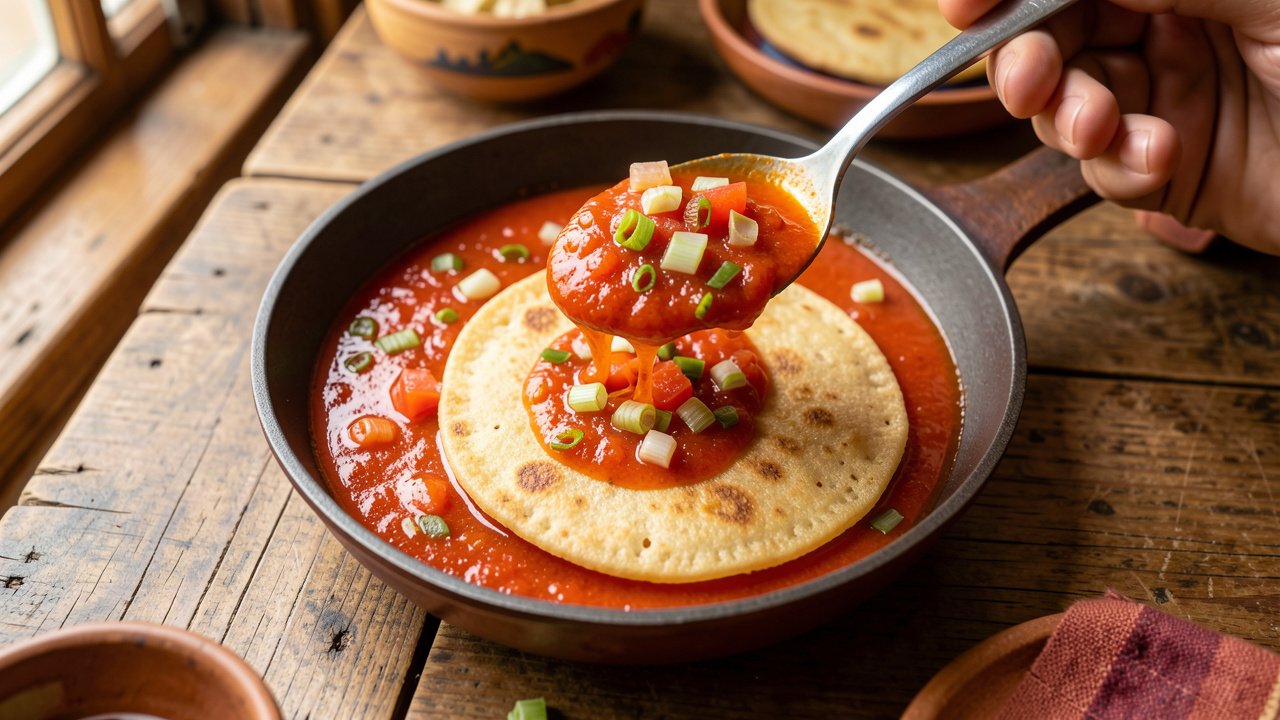
The tomatoes do the second job. As they break down they release their juice, and that liquid slowly cooks off until the sauce goes from watery to jammy. You are really cooking two things down at once until they become one glossy, spoonable condiment that clings to whatever you put it on.
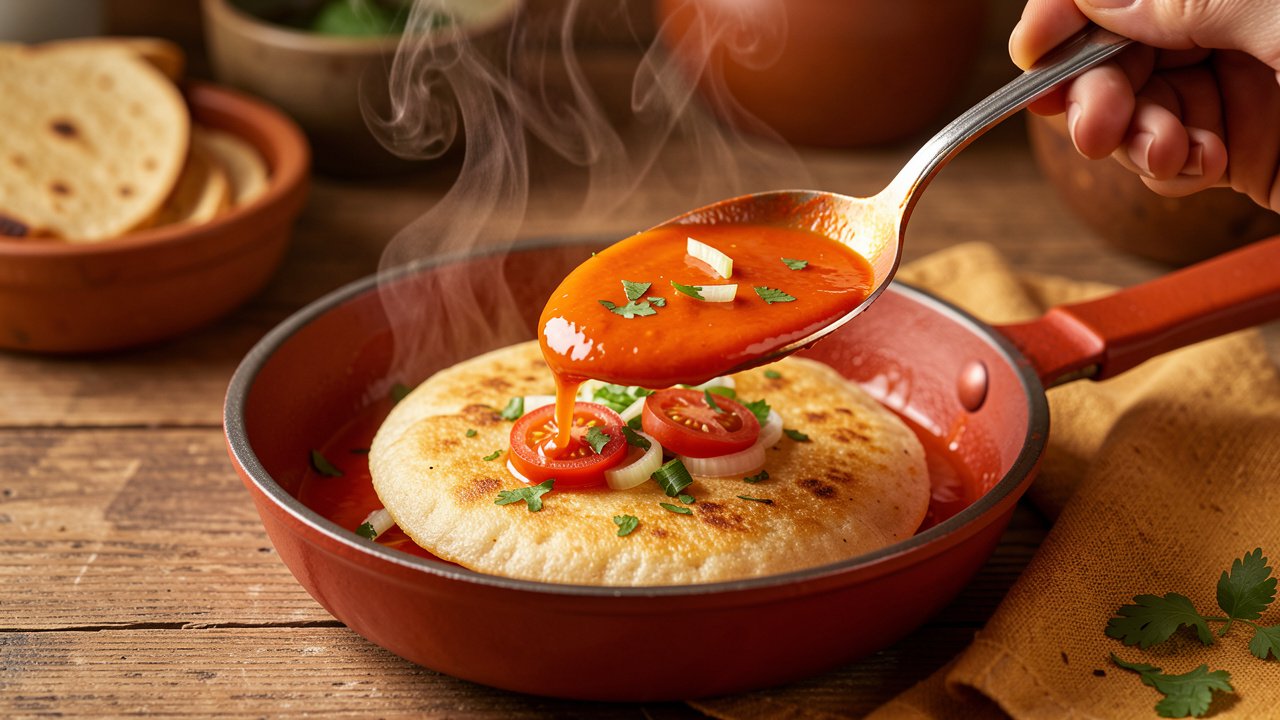
The oil is not just a cooking medium here, it is part of the finished sauce. Hogao is meant to be a little rich, so the softened scallions and tomato sit in a slick of savory oil tinted red-orange by achiote or paprika. That color and gloss are the visual signature of a good hogao.
Best of all, it is endlessly useful. One batch turns plain rice into a meal, gives beans a savory lift, tops arepas and patacones, and dresses grilled vegetables. Once you keep hogao in the fridge, you start reaching for it the way other kitchens reach for a jar of sauce, except this one tastes fresh and homemade.
Pro observation: Hogao is done when you drag a spoon across the pan and the sauce holds a path for a moment before slowly closing back over. That means the extra liquid has cooked off and the scallions and tomato have gone jammy.
Ingredients
Kitchen Measurement Converter
Quickly convert between common cooking measurements without leaving the recipe. Pick a category, enter a value, and the result updates instantly.
Ingredient Notes & Substitutions
Scallions
Scallions, also sold as green onions, are the soul of hogao. Use the white and pale-green parts, chopped fine. If you can only find large bunches, do not skimp; a scallion-heavy sauce is what makes it taste Colombian.
Tomatoes
Ripe, red tomatoes give the best sweet-tart body. Peel them if you like a smoother sauce. Out of season, one 14-ounce can of chopped tomatoes works well and is often better than pale winter tomatoes.
Color
Achiote (annatto) gives hogao its classic warm red-orange tint. If you cannot find it, sweet paprika is a fine stand-in for color. Neither adds much heat, so use them for looks and gentle warmth.
Oil
A neutral vegetable oil is traditional, but a mild olive oil works too. Hogao is meant to be a touch rich, so do not cut the oil down too far or the scallions will scorch instead of softening.
Equipment
- Wide, heavy skillet
- Wooden spoon
- Sharp knife and board
- Measuring spoons
- Small bowl for spices
- Storage jar or container
Before You Start
1. Chop everything small and even. Fine, uniform pieces of scallion and tomato break down at the same rate, which gives you a smooth, jammy sauce rather than a chunky one.
2. Keep the heat gentle. Hogao is a slow sauce. Medium-low heat lets the scallions sweeten instead of browning and turning bitter.
3. Plan what it will top. Have your arepas, rice, beans, or patacones ready, since hogao is best spooned on warm and freshly made.
Step-by-Step Instructions
Prep the Scallions and Tomatoes
Finely chop the scallions, using the white and pale-green parts, and set them aside. Chop the tomatoes small, and mince the garlic. Measure the cumin, achiote or paprika, salt, and pepper into a little bowl so they are ready to go in together.
Warm and Color the Oil
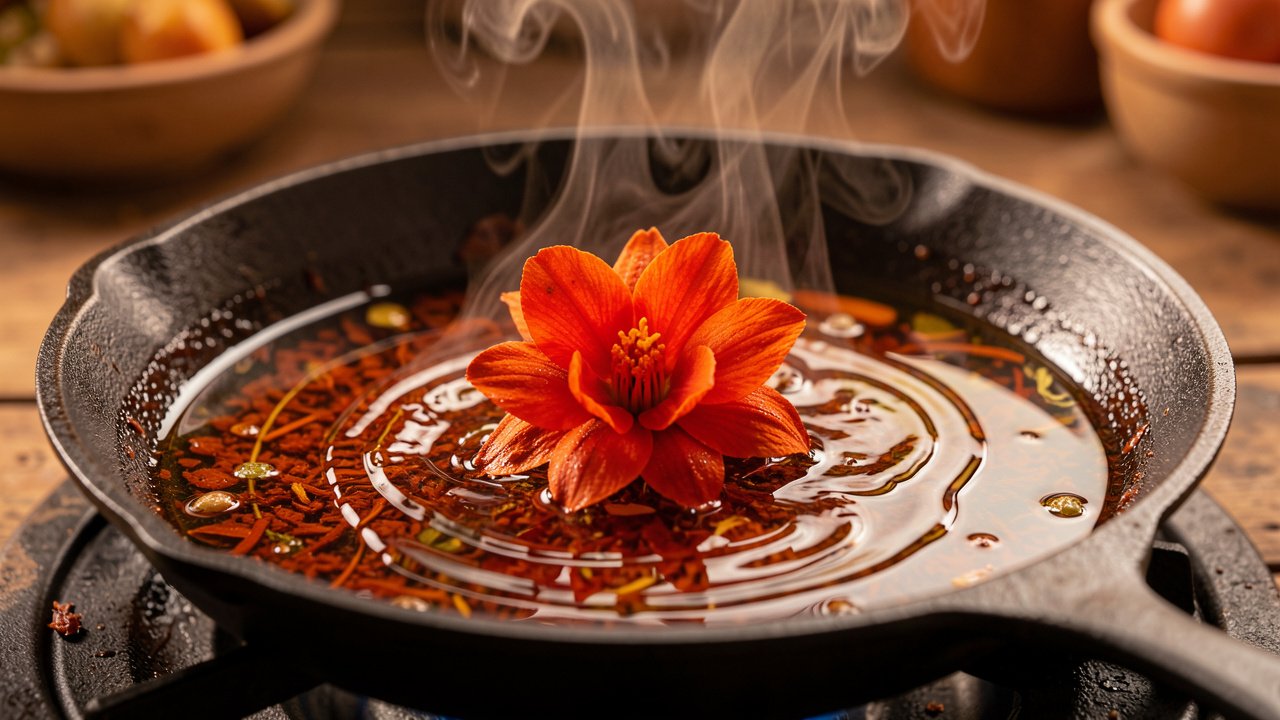
Heat the oil in a wide skillet over medium-low heat. Stir in the achiote or paprika and let it bloom in the warm oil for about 20 seconds until the oil turns a glossy red-orange. Keep the heat gentle so the spice colors the oil without scorching.
Soften the Scallions
Add the chopped scallions to the colored oil and cook gently for 8 to 10 minutes, stirring often, until they collapse and turn soft and sweet. Do not rush this. You want them melting and fragrant, not browned. Stir in the garlic and cook 1 minute more until it smells mellow.
Add the Tomatoes and Cook Down
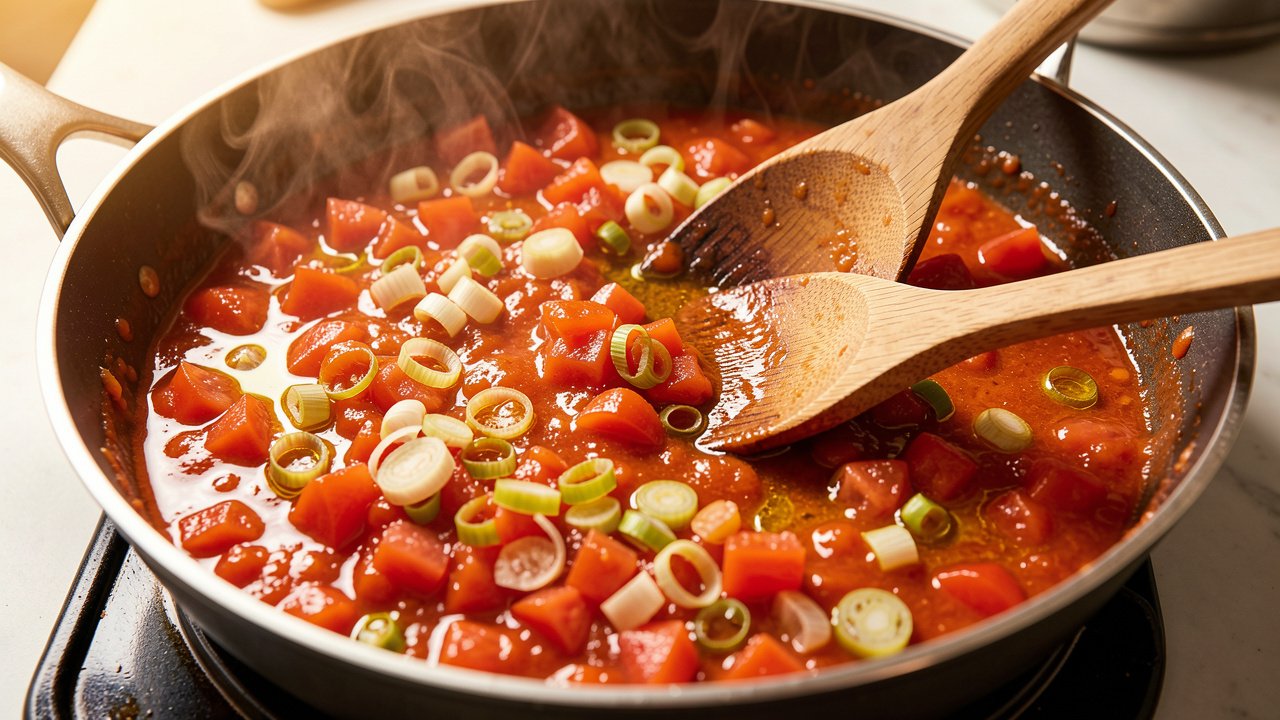
Stir in the chopped tomatoes along with the cumin, salt, and pepper. Cook uncovered for 12 to 15 minutes, stirring now and then, until the tomatoes release their juice and it cooks away. The sauce will darken, thicken, and start to look glossy and jammy.
Simmer to Jammy and Season
Lower the heat and let the sauce simmer gently for another 3 to 5 minutes until it holds a spoon path in the pan. Taste and adjust with more salt. It should taste round, savory, and mellow, with no raw scallion sharpness left. Pull it off the heat.
Rest and Serve
Let the hogao rest off the heat for a few minutes so the flavors settle and the oil rises to the top. Stir in the fresh cilantro if using. Spoon it warm over arepas, empanadas, rice, beans, or patacones, or cool it and keep it in the fridge to use through the week.
Cook’s Tips From Real Kitchen Testing
Be generous with the scallions and keep the heat low. Slow-cooked scallions are what give hogao its sweet, mellow backbone; a rushed batch always tastes sharp.
Add the garlic after the scallions have softened, not before. Garlic burns fast, and scorched garlic will turn the whole sauce bitter in seconds.
Cook the tomatoes until the extra liquid is gone. Hogao should be spoonable and jammy, not watery, so give it the full time to reduce.
Recipe Variations
Serving Suggestions
- Spooned over warm arepas or corn cakes
- Stirred through rice or ladled over beans
- Topping crispy patacones (fried plantains)
- Alongside empanadas or grilled vegetables
Nutrition Facts
| Nutrient | Amount per serving (about 1/4 cup) |
|---|---|
| Calories | 70 |
| Protein | 1 g |
| Carbohydrates | 5 g |
| Fat | 5 g |
| Saturated Fat | 1 g |
| Fiber | 1 g |
| Sugar | 3 g |
| Sodium | 300 mg |
Values are estimates per serving and vary with the exact ingredients and brands you use.
Make-Ahead Tips
Hogao is a natural make-ahead sauce, and many cooks say it tastes even better the next day once the flavors settle. Make a full batch, cool it completely, and keep it in a jar in the fridge. Spoon out what you need through the week, warming it gently or using it straight from the fridge over hot food. Stir in fresh cilantro just before serving so it stays bright.
Storage, Freezing & Reheating
Common Mistakes to Avoid
Troubleshooting
Sauce tastes sharp or raw? It needs more time. Lower the heat and keep cooking until the scallions and tomatoes fully soften and mellow.
Too watery? The tomatoes have not reduced enough. Simmer uncovered a few more minutes until the extra liquid cooks off and it turns jammy.
Tastes flat? It usually just needs a little more salt, and a fresh pinch of cumin can wake it back up.
A Note on Colombian Cooking
In Colombian home cooking, hogao is less a recipe than a starting point. It flavors bandeja paisa, lifts rice and beans, tops arepas and patacones, and finds its way into soups and stews as a built-in flavor base. Cooks keep a batch on hand the way others keep stock, reaching for a spoonful whenever a dish needs depth. If you love a good tomato condiment, our tomato salsa makes a fresher, uncooked companion, and you can find plenty more ideas in our full collection of tomato recipes.
Frequently Asked Questions
More Tomato Recipes to Try
Last updated: September 29, 2026