Dominican Recipes
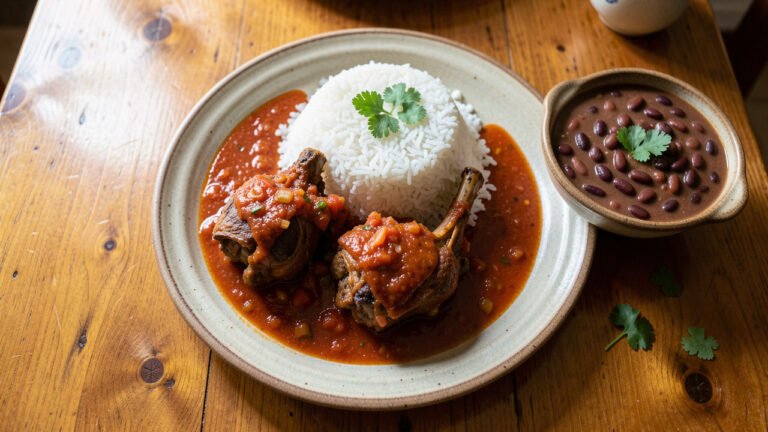
Dominican Braised Goat in Tomato Sauce
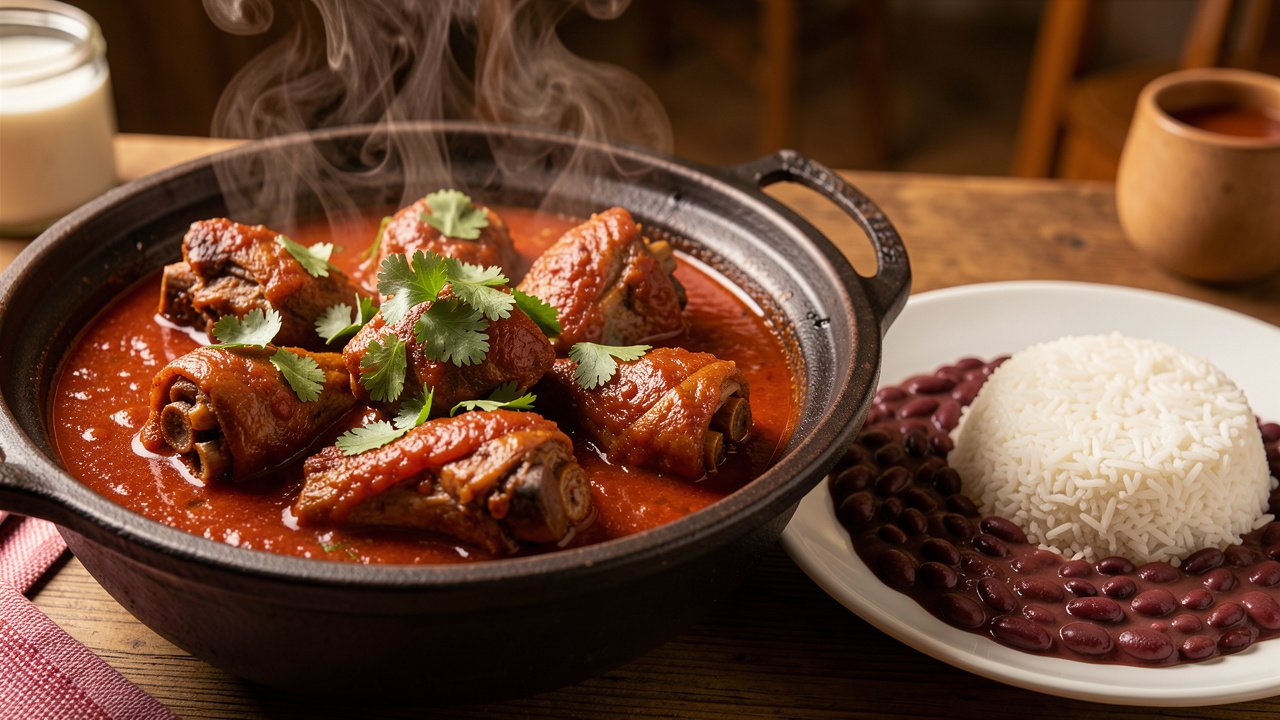
Chivo guisado is the dish that turns a slow afternoon into a celebration. Slow braising takes tough, flavorful goat and coaxes it into something tender and deeply savory, wrapped in a tomato sauce that tastes of onion, peppers, garlic, and herbs. It is a cornerstone of Dominican home cooking, and once you make it, you understand why every big gathering seems to have a pot of it bubbling on the stove.
The secret is patience and a good marinade. I learned the hard way that rushing the braise leaves the meat chewy and the sauce thin. Give it the citrus marinade and the low, steady simmer it needs, and it rewards you with a stew that is soft enough to eat with a spoon.
Why This Chivo Guisado Works
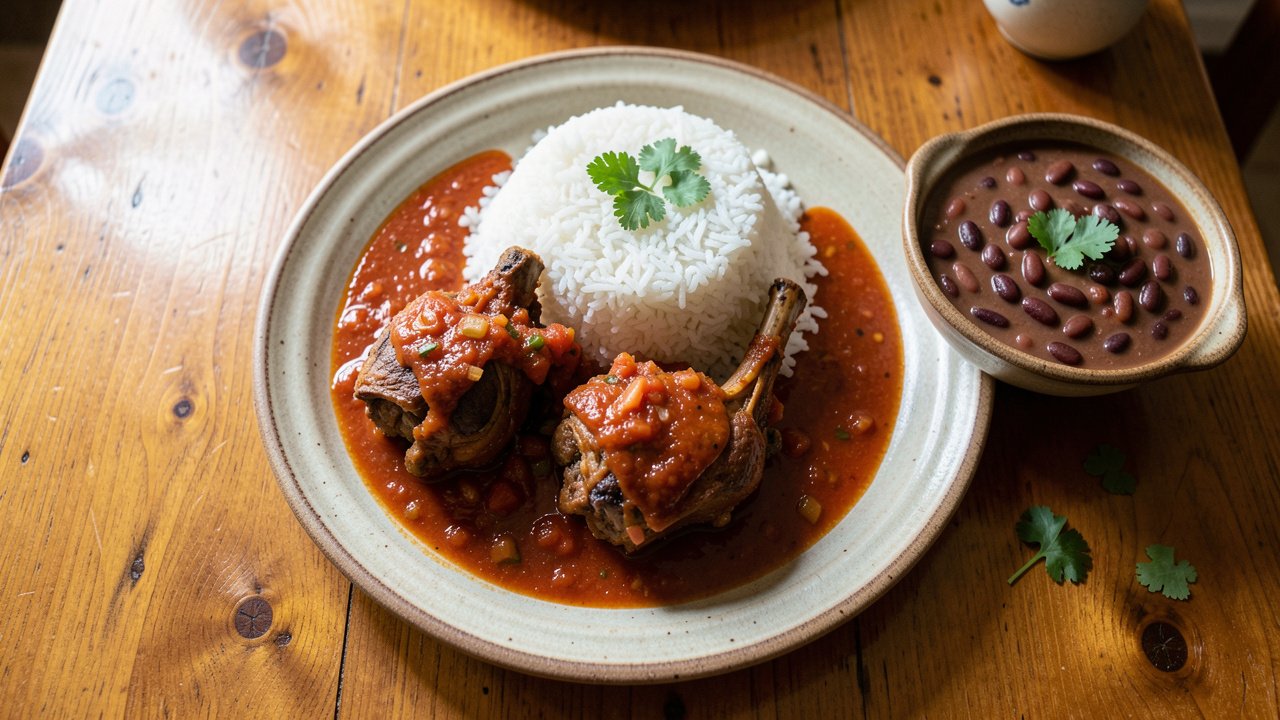
Dominican cooking is built on layered flavor, and chivo guisado stacks it up step by step. The citrus marinade does double duty: the lime and oregano season the meat all the way through while gently softening it before it ever hits the pot. Skip this and the goat can taste flat and gamey, which is the single most common complaint people have about it.
Browning the marinated pieces is the next layer. Those deep, caramelized edges dissolve into the sauce during the braise and give the whole pot its savory backbone. It is worth the few extra minutes at the stove to get real color on the meat before any liquid goes in.
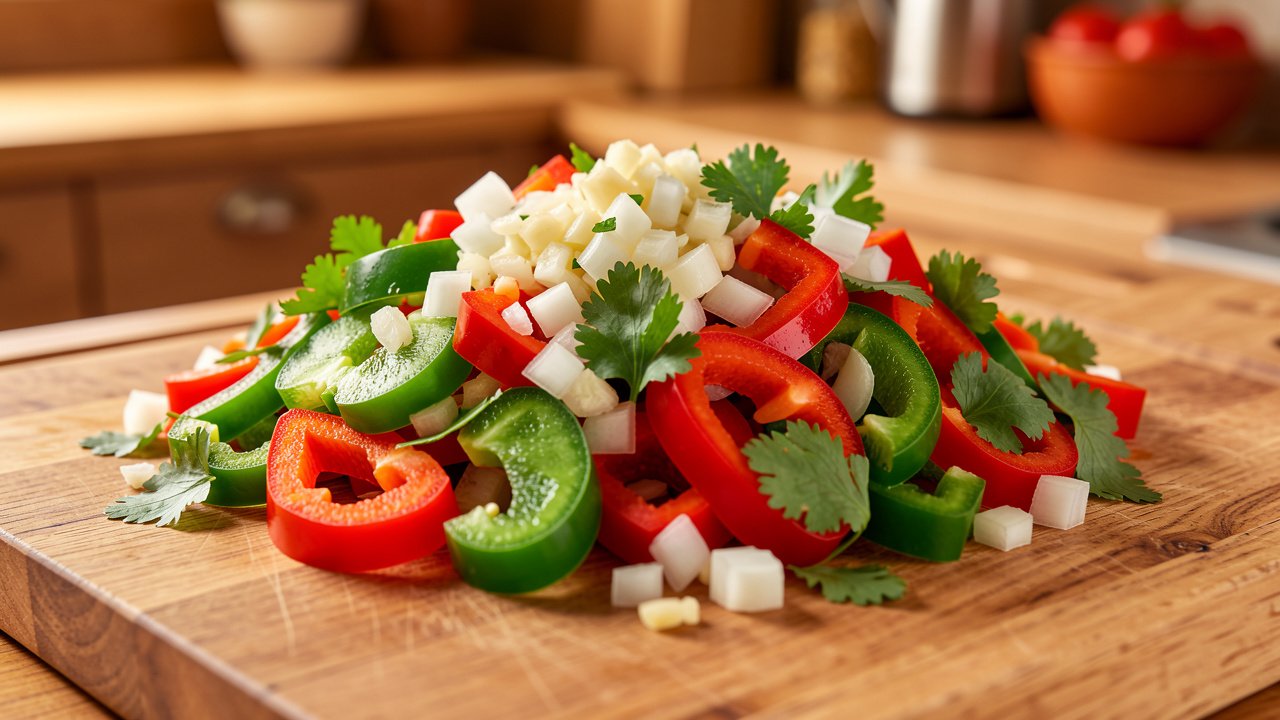
The sauce itself leans on sofrito and tomato. Onion, bell peppers, garlic, and cilantro form the aromatic base, while chopped tomatoes and a spoonful of tomato paste build a sauce that is rich and glossy rather than watery. As it reduces, the paste concentrates and the color deepens to a warm brick red.
Finally, the low simmer is what makes goat worth cooking. This is a working muscle full of connective tissue, and only slow, gentle heat breaks that down into softness. Rush it and the meat stays tight; give it the time and it turns fork-tender, with a sauce thickened by everything the meat released.
Pro observation: The braise is nearly done when a fork twists easily into the largest piece and the sauce clings to the back of a spoon. If the meat still resists, it simply needs more time, not more heat.
Ingredients
Kitchen Measurement Converter
Quickly convert between common cooking measurements without leaving the recipe. Pick a category, enter a value, and the result updates instantly.
Ingredient Notes & Substitutions
Goat
Use halal goat or lamb, bone-in for the best flavor, cut into chunks about two inches across. Bones enrich the sauce as it simmers. Lamb shoulder is the easiest swap and cooks a touch faster.
Sofrito
Onion, bell peppers, garlic, and cilantro are the aromatic heart. Many Dominican cooks blend a batch ahead of time; a couple of spoonfuls of prepared sofrito works if you keep some on hand.
Tomato
Ripe chopped tomatoes plus tomato paste give body and color. Out of season, one 14-ounce can of chopped tomatoes stands in well. The paste is what keeps the sauce rich rather than thin.
Herbs and Citrus
Oregano and lime define the flavor. Culantro (recao) adds a deeper, more authentic note than cilantro alone, but it is optional. A final squeeze of lime brightens the finished pot.
Equipment
- Heavy Dutch oven or caldero
- Sharp knife and board
- Large mixing bowl
- Wooden spoon
- Tongs
- Measuring spoons
Before You Start
1. Marinate ahead if you can. The lime and oregano marinade works best with at least 30 minutes, and even better overnight in the fridge, so plan the timing before you begin.
2. Pat the meat dry before browning. Lift the pieces out of the marinade and blot them so they sear and color instead of steaming in the pan.
3. Start the rice and beans partway through. Chivo guisado is traditionally served with white rice and beans, so time them to finish alongside the braise.
Step-by-Step Instructions
Marinate the Goat
Put the goat chunks in a large bowl. Add the lime juice, dried oregano, half the minced garlic, a teaspoon of the salt, and the black pepper. Toss well so every piece is coated. Cover and let it sit at least 30 minutes at room temperature, or refrigerate overnight for the deepest flavor. This citrus marinade is what keeps the meat from tasting gamey.
Build the Sofrito
While the meat marinates, chop the onion, bell peppers, remaining garlic, cilantro, and culantro if using. You can pulse them together into a coarse sofrito or simply keep them finely chopped. Having this ready means the pot moves quickly once the meat is browned.
Brown the Meat
Heat the olive oil in a heavy pot over medium-high heat. Pat the marinated pieces dry and brown them in batches, turning until deeply colored on all sides, about 4 to 5 minutes per batch. Do not crowd the pot, or the meat steams instead of searing. Set the browned pieces aside as you go.
Build the Tomato Base
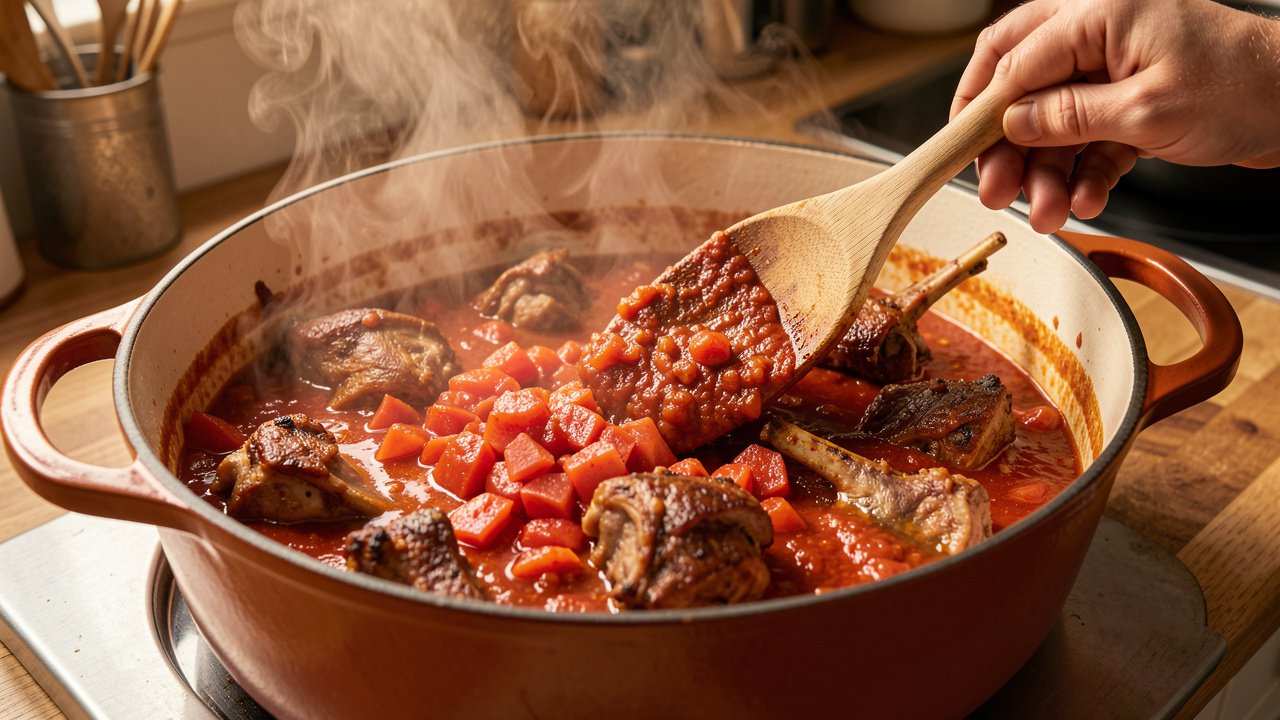
Lower the heat to medium and add the sofrito to the same pot. Cook 5 to 6 minutes until soft and fragrant, scraping up the browned bits. Stir in the tomato paste and cook 1 to 2 minutes so it darkens, then add the chopped tomatoes and cook until they collapse into a thick, glossy sauce.
Braise Low and Slow
Return the browned goat and any resting juices to the pot. Add the bay leaves and the stock, stirring to loosen everything. Bring to a gentle simmer, then cover and lower the heat. Braise for 1.5 to 2 hours, stirring now and then, until the meat is fork-tender. If a classic version calls for a splash of something to deglaze, use a splash of stock or a squeeze of lime instead. Add a little water if it ever looks dry.
Reduce, Adjust, and Serve
Uncover the pot for the last 15 to 20 minutes so the sauce reduces and clings to the meat. Fish out the bay leaves, taste, and adjust with the remaining salt and a final squeeze of lime. Serve hot over white rice with a side of beans, scattering fresh cilantro over the top.
Chef’s Tips From Real Kitchen Testing
Never skip the citrus marinade. The lime and oregano season the meat through and tame any gamey edge, which is the number one thing that goes wrong when people first try goat.
Let the meat truly brown before liquid goes in. Those caramelized bits melt into the braise and give the sauce its savory depth, so resist the urge to rush this step.
Keep it at a bare simmer, not a boil. Gentle heat is what breaks down the connective tissue into softness; a hard boil only tightens the meat and can leave it stringy.
Recipe Variations
Serving Suggestions
- White rice with stewed red beans (moro or served side by side)
- Tostones or boiled green plantains
- A simple avocado and tomato salad
- Lime wedges and extra fresh cilantro
Nutrition Facts
| Nutrient | Amount per serving |
|---|---|
| Calories | 340 |
| Protein | 34 g |
| Carbohydrates | 12 g |
| Fat | 17 g |
| Saturated Fat | 5 g |
| Fiber | 3 g |
| Sugar | 6 g |
| Sodium | 720 mg |
Values are estimates per serving and vary with the exact cut, trim, and brands you use.
Make-Ahead Tips
Chivo guisado is a fantastic make-ahead dish, because the flavors deepen overnight in the fridge and the sauce sets beautifully. Cook it a day ahead, cool, and refrigerate in a covered container. Reheat gently on the stove and stir in a splash of stock or water to loosen the sauce, since it thickens as it sits. Add fresh cilantro and a squeeze of lime just before serving.
Storage, Freezing & Reheating
Common Mistakes to Avoid
Troubleshooting
Meat still tough? It simply needs more time at a gentle simmer. Cover it back up and keep braising; goat can take up to 2.5 hours depending on the cut.
Sauce too thin? Uncover the pot and let it reduce over medium heat, or stir in a little extra tomato paste to tighten and enrich it.
Tastes flat or gamey? Brighten it with salt and a fresh squeeze of lime, and next time give the marinade a longer soak.
Food-safety note: Braised goat or lamb should reach at least 145F (63C) to be safe, but for stew you cook it well past that point, simmering until the meat is fully tender and pulling apart. When reheating leftovers, bring them back to a steaming 165F (74C) throughout.
A Note on Dominican Cooking
Dominican food is anchored by sofrito, the fragrant blend of onion, peppers, garlic, and herbs that starts nearly every savory pot on the island. It is the flavor most people recognize in their grandmother’s kitchen, and it is exactly what gives chivo guisado its unmistakable aroma. Cooks often keep a jar of it blended and ready so dinner comes together fast.
Goat, or chivo, carries special meaning. It is a celebration dish tied to weddings, holidays, and big family gatherings, especially in the northwest around Monte Cristi, where the local goats graze on wild oregano and are prized for their flavor. A pot of chivo guisado on the table signals that something worth marking is happening.
It almost always arrives with moro, the beloved one-pot rice cooked together with beans, or with white rice and beans served side by side. If you love building meals around a good tomato base, our hearty tomato lentil soup shares the same slow, comforting spirit, and you can browse more ideas in our full collection of tomato recipes.
Frequently Asked Questions
More Tomato Recipes to Try
Last updated: September 29, 2026