Portuguese Recipes
Soupy Tomato Rice, Malandrinho Style
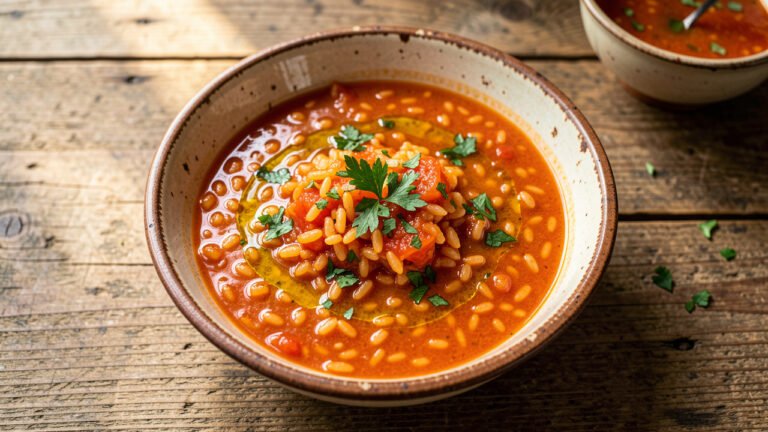
This is the tomato rice Portuguese families make on a weeknight without a second thought, using little more than a few ripe tomatoes and a cup of rice. The magic is in the texture: it is meant to be brothy and loose, spoonable rather than fluffy, so it never sets into a dry pilaf. The first time I made it I drained off too much liquid out of habit, and it tightened into a stiff block; the fix was simply leaving it wetter than felt right.
Why This Arroz de Tomate Works
Portuguese home cooking gets a lot of mileage out of very few ingredients, and this dish is a perfect example. There is no long spice list and no browning of meat. Instead, the flavor is built in layers: first the slow refogado of onion and garlic softening in good olive oil, then ripe tomatoes cooked down until they lose their raw edge, and finally rice that drinks up all of that savory liquid as it simmers.
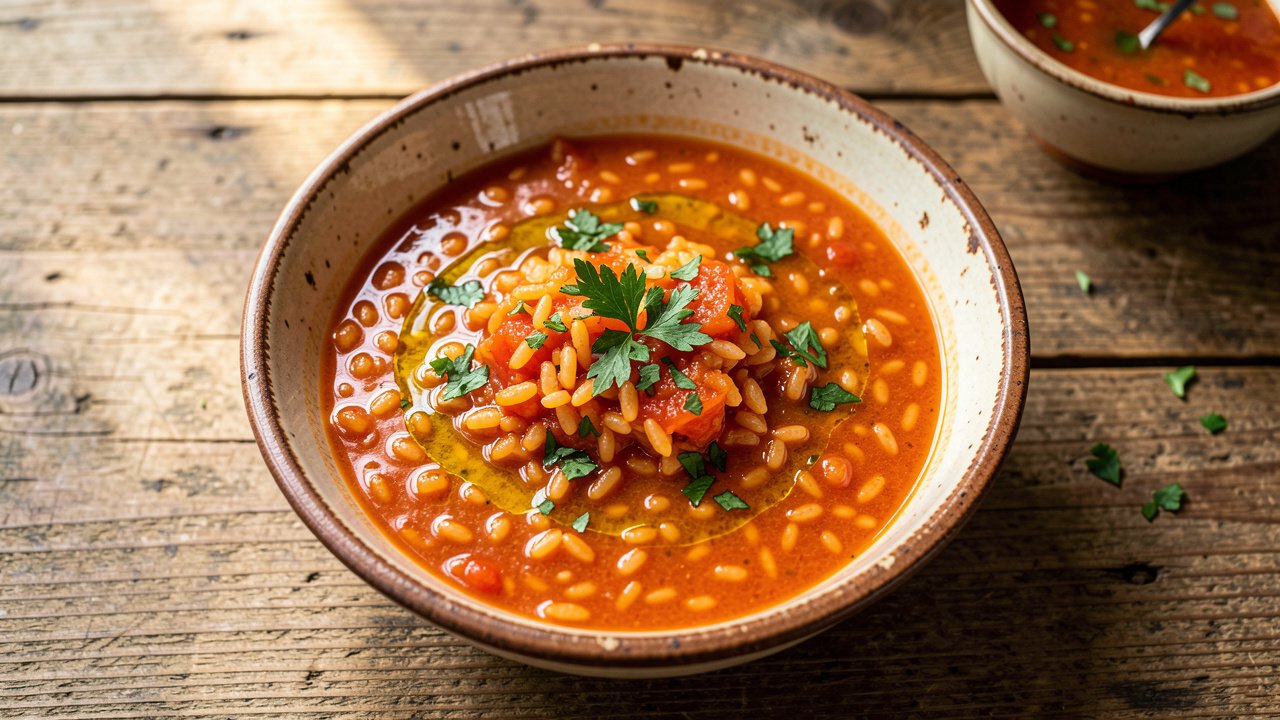
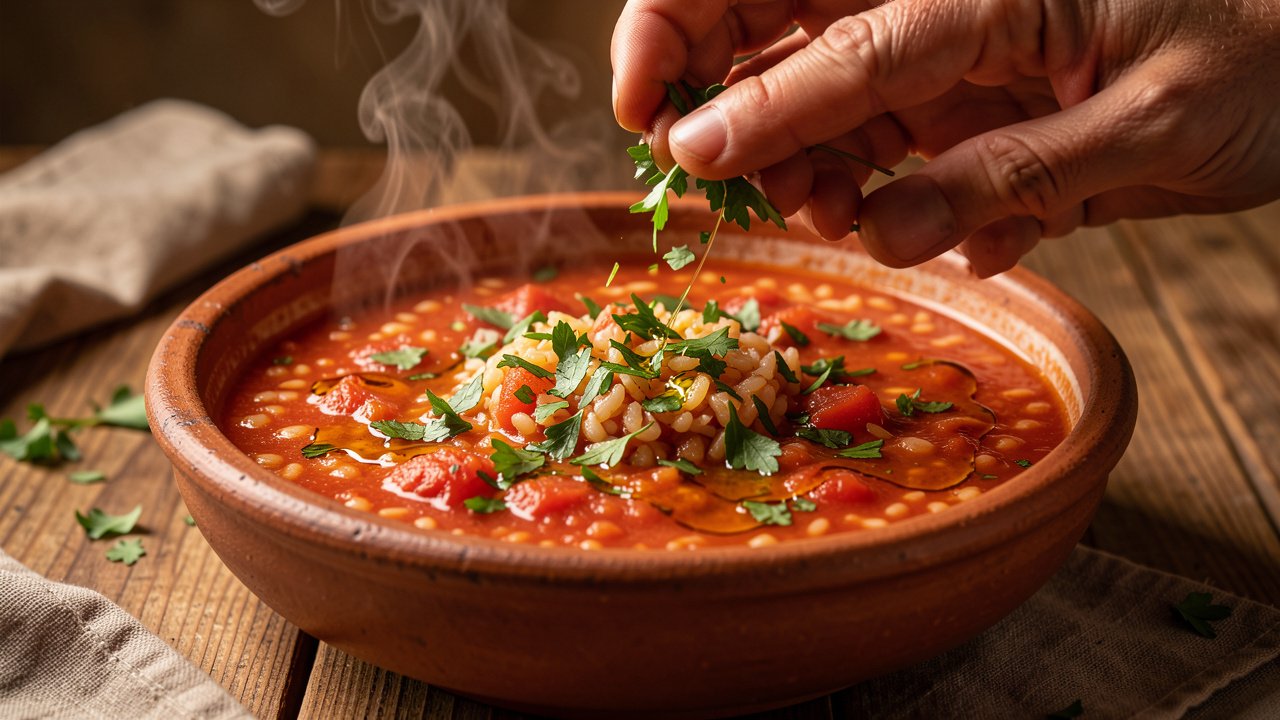
The single most important idea is the texture. Arroz de tomate is supposed to be malandrinho, a word Portuguese cooks use for rice that stays loose, wet, and almost soupy. You want it to slump when you tip the spoon, not stand up in a mound. That looseness is not a mistake or a sign of undercooking; it is the whole point, and it is what makes the dish feel comforting rather than heavy.
Cooking the tomatoes down properly before the liquid goes in is the other quiet secret. Give them a few minutes to break apart and turn jammy so the base tastes deep and sweet, not sharp and watery. Only then do you add the rice and the stock, so every grain carries tomato flavor rather than sitting in a thin broth.
It is also endlessly forgiving. The same pot welcomes a poached egg cracked on top, a handful of shrimp, or a shake of piri-piri for heat, so once you have the method down you can turn a few pantry staples into a different dinner whenever you like.
Pro observation: Keep more liquid in the pot than you think you need. The rice keeps drinking as it rests, so a pot that looks slightly too soupy at the stove will settle into exactly the right malandrinho texture by the time it reaches the table.
Ingredients
Kitchen Measurement Converter
Quickly convert between common cooking measurements without leaving the recipe. Pick a category, enter a value, and the result updates instantly.
Ingredient Notes & Substitutions
Tomatoes
Ripe, red summer tomatoes make the best base. Grating them on a box grater gives a smooth pulp fast. Out of season, one 14-ounce can of chopped tomatoes is more reliable than pale fresh ones.
Rice
Portuguese cooks use a short or medium grain rice such as Carolino, which stays tender and releases starch for body. Arborio or another risotto rice is the easiest widely available stand-in.
Olive Oil
A good, fruity olive oil is not optional here; it flavors the whole refogado. Use a generous glug and let the onion and garlic soften slowly rather than fry hard.
Stock
Vegetable stock keeps the dish fully vegetarian and vegan while adding savory depth. Plain water works too, in which case season a little more assertively with salt.
Equipment
- Wide, heavy pot or deep pan
- Wooden spoon
- Box grater or knife
- Sharp knife and board
- Measuring cup and spoons
- Ladle for stock
Before You Start
1. Warm the stock. Keep the vegetable stock hot in a separate pan or kettle so adding it does not stall the simmer when the rice goes in.
2. Grate the tomatoes. Halve the tomatoes and grate the cut side against a box grater; the skin stays in your hand and you get a smooth pulp in seconds.
3. Do not rinse the rice. Unlike a fluffy pilaf, this dish wants the surface starch to help it turn creamy and loose, so skip the rinse.
Step-by-Step Instructions
Start the Refogado
Warm the olive oil in a wide, heavy pot over medium heat. Add the finely chopped onion and a pinch of salt and cook gently for 5 to 6 minutes until soft and translucent but not browned. Stir in the minced garlic and the bay leaf and cook for 1 minute more, until fragrant. This slow-cooked base, the refogado, is the backbone of the dish.
Cook Down the Tomatoes
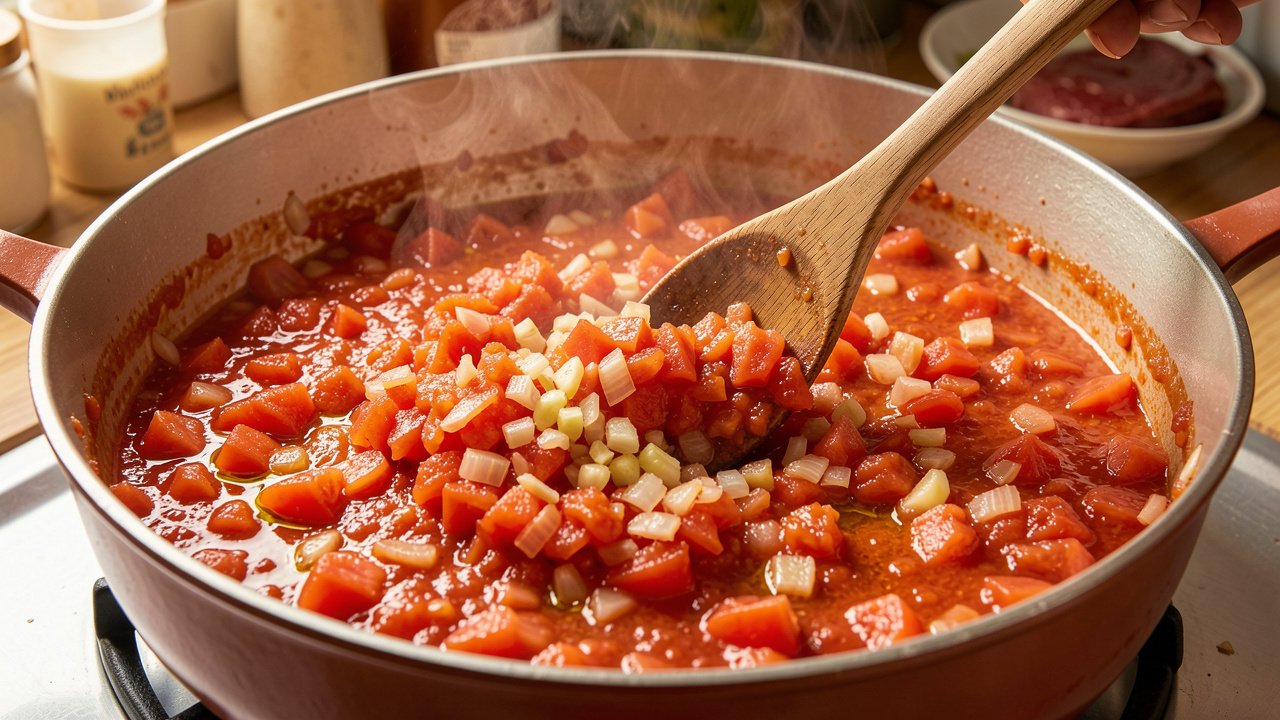
Add the grated tomatoes, the tomato paste, the sweet paprika, and a little black pepper. Raise the heat slightly and cook for 8 to 10 minutes, stirring now and then, until the tomatoes collapse into a thick, jammy sauce and the oil starts to glisten at the edges. This is where the raw, sharp edge cooks away and the base turns sweet and deep.
Toast the Rice
Add the rice and stir it through the tomato base for about a minute, so every grain is coated and lightly toasted. This quick step helps the rice hold its shape and soak up flavor rather than turning to mush. Do not add liquid yet; you just want the grains glossy and warmed through.
Add Stock and Simmer
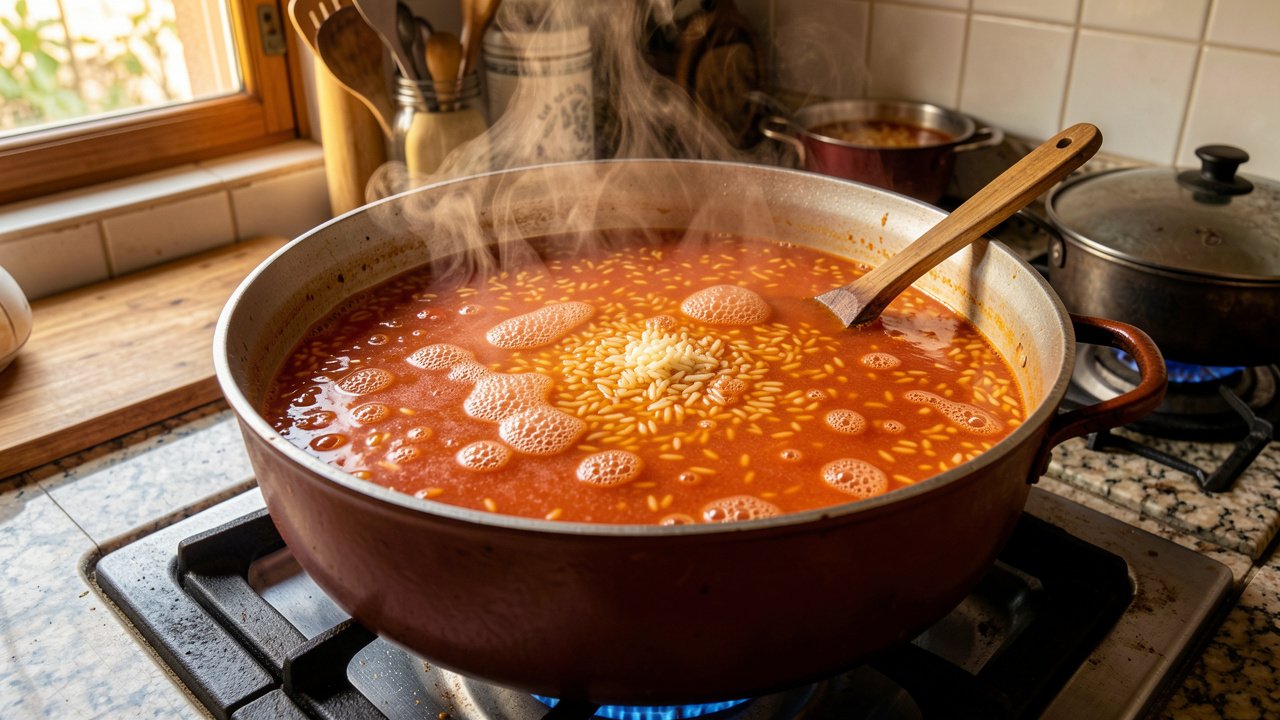
Pour in the hot vegetable stock and add the remaining salt. Stir once, bring to a gentle boil, then lower the heat to a lively simmer. Cook uncovered for 14 to 16 minutes, stirring occasionally so nothing sticks, until the rice is tender. Keep it loose and brothy; if it looks like it is drying out, add a splash more hot stock or water. It should stay malandrinho, never stiff.
Rest and Loosen
Take the pot off the heat, fish out the bay leaf, and let it rest for 2 to 3 minutes. The rice will keep drinking liquid as it sits, so check the texture now. If it has tightened up, stir in a little more hot stock or water to bring it back to a loose, spoonable consistency. Taste and adjust the salt.
Finish with Herbs and Serve
Scatter the chopped fresh parsley over the top and give it a gentle stir. Serve straight away in shallow bowls while it is hot and loose, on its own as a main or as the classic soupy side to a plate of fried fish. A final thread of olive oil on top is very welcome.
Chef’s Tips From Real Kitchen Testing
Keep it wetter than looks right. The rice keeps absorbing as it rests, so a pot that seems slightly too soupy at the stove settles into the perfect malandrinho texture at the table.
Use hot stock, not cold. Cold liquid stalls the simmer and can make the rice cook unevenly. Keep it warm in a kettle or a second pan.
Give the tomatoes time before the rice. A few extra minutes to cook them jammy is the difference between a deep, sweet base and a thin, sharp one.
Recipe Variations
Serving Suggestions
- Alongside crisp fried white fish, the classic pairing
- Topped with a soft poached or fried egg
- With a simple green salad and crusty bread
- A thread of good olive oil and extra parsley
Nutrition Facts
| Nutrient | Amount per serving |
|---|---|
| Calories | 320 |
| Protein | 6 g |
| Carbohydrates | 52 g |
| Fat | 10 g |
| Saturated Fat | 1.5 g |
| Fiber | 3 g |
| Sugar | 6 g |
| Sodium | 560 mg |
Values are estimates per serving and vary with the exact ingredients and brands you use.
Make-Ahead Tips
Arroz de tomate is at its best fresh from the pot, when it is still loose and brothy, so it is not an ideal make-ahead dish. If you want a head start, make the tomato refogado base up to a day ahead and refrigerate it, then reheat it, add the rice and hot stock, and finish the simmer just before serving. That way the rice is always freshly cooked and the texture stays right.
Storage, Freezing & Reheating
Common Mistakes to Avoid
Troubleshooting
Rice too dry or stiff? Simply stir in more hot stock or water, a splash at a time, until it slumps loosely off the spoon again. It is meant to be brothy.
Base tastes thin and sharp? The tomatoes were not cooked down enough. Next time give them a few more minutes to turn jammy, and a spoon of tomato paste deepens it fast.
Rice still hard in the middle? The liquid ran low before the grains were done. Add more hot stock and keep simmering gently until tender.
A Note on Portuguese Cooking
So much of Portuguese home cooking begins with the refogado, that unhurried base of onion and garlic melting in olive oil, sometimes with a bay leaf or a little tomato. It is the quiet first move behind countless everyday dishes, and here it does most of the flavor work. The other signature is that malandrinho texture, a loose, wet, spoonable quality prized in rice and bean dishes alike, and never treated as a flaw. This is a dish that truly comes alive in late summer, when tomatoes are at their reddest and sweetest, and it costs almost nothing to make. If you love simple tomato-forward cooking, browse more ideas in our tomato recipes collection or try a fresh, bright tomato salsa to serve alongside.
Frequently Asked Questions
More Tomato Recipes to Try
Last updated: September 29, 2026