Bengali Recipes
Light Bengali Fish Curry in a Tomato Broth
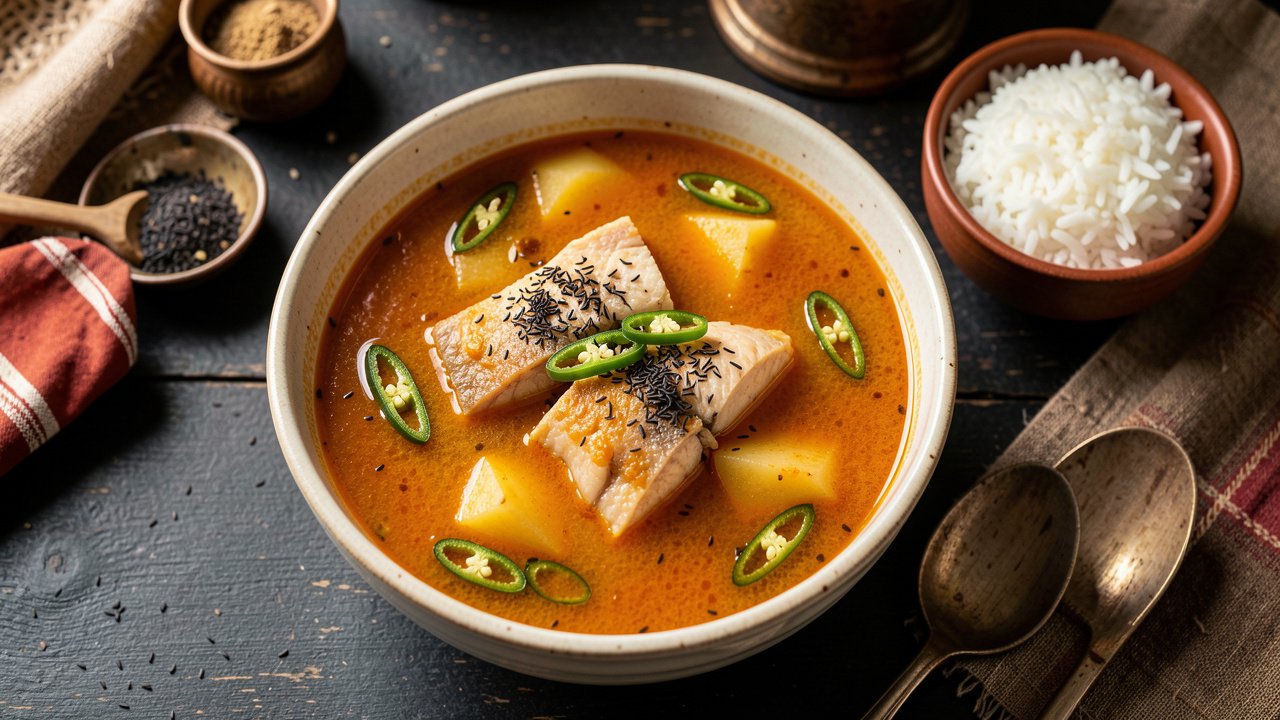
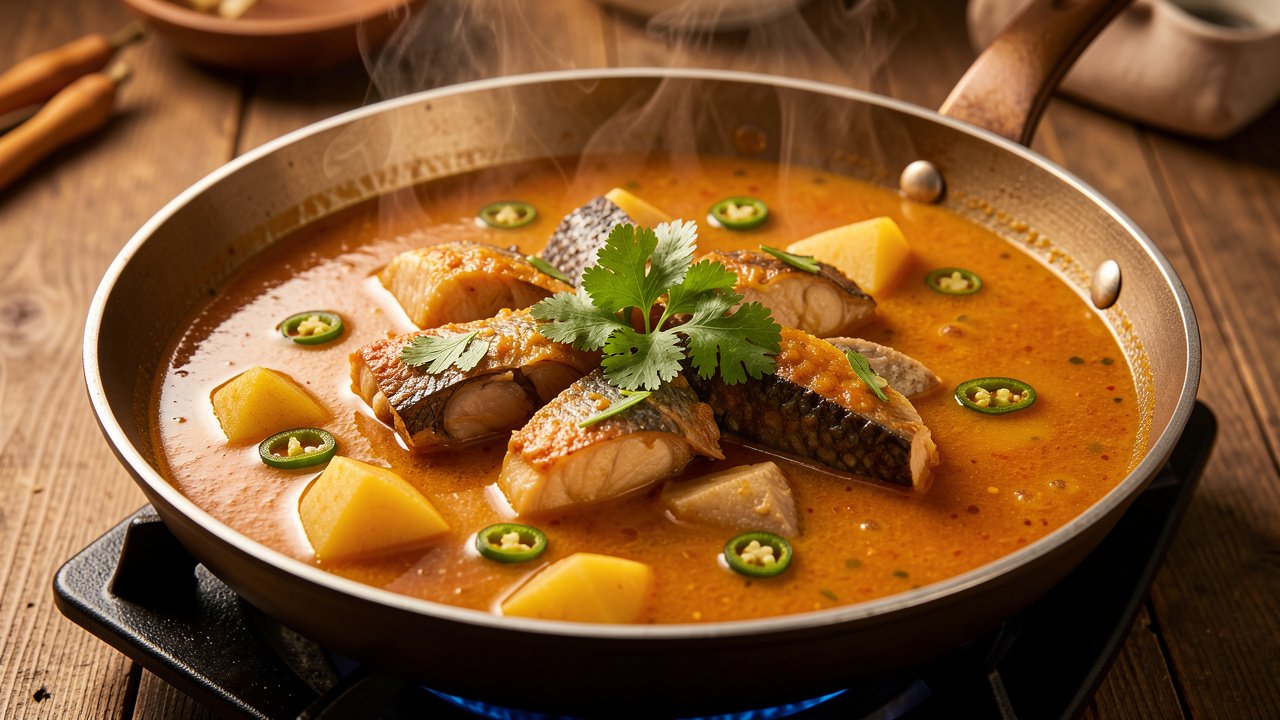
Macher jhol is the fish-and-rice dinner that Bengali and Bangladeshi kitchens fall back on again and again, and for good reason. It is not a heavy, oily curry; it is a thin, golden-red broth built on tomato and ginger, with just enough spice to keep it interesting and enough lightness to eat every single day. The whole point is the jhol, the sauce, which you want brothy and drinkable rather than thick.
The first time I made it I ruined the fish by poking and flipping it too much in the pan, and half of it broke apart before it ever reached the broth. Once I learned to leave the fish alone and let a crust set, everything else fell into place.
Why This Macher Jhol Works
Macher jhol is proof that a great curry does not need cream, coconut, or a long simmer. It is built on a handful of everyday aromatics and gets its character from balance: the sweetness of softened onion, the warmth of cumin and turmeric, the tang of ripe tomato, and the clean heat of slit green chilies. The result is a thin, spoonable broth that tastes light but deeply savory.
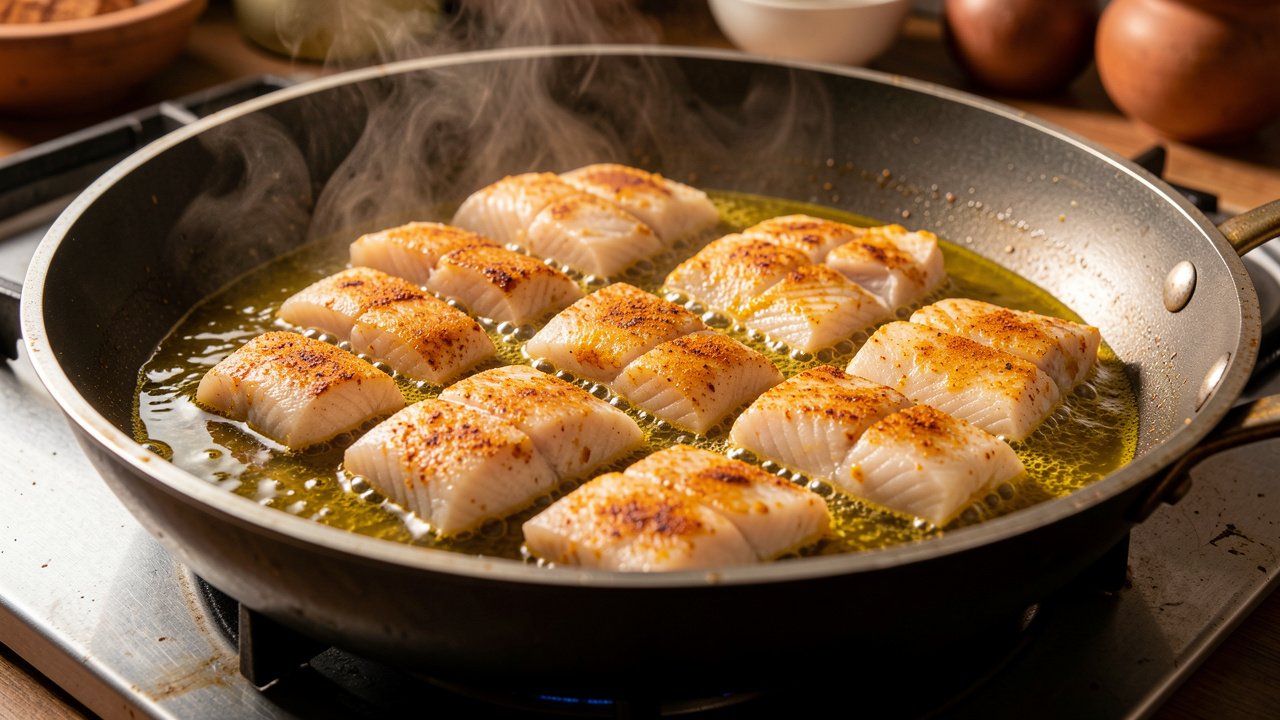
The single most important step is the way you treat the fish. A rub of turmeric and salt firms the surface and cuts any muddiness, and a gentle fry sets a light crust so the pieces hold together when they go into the broth. Leave them undisturbed in the pan; the more you fuss, the more likely they break.
Cooking the onion, ginger, garlic, and tomato down properly before you add water is the other quiet secret. You want the masala to lose its raw, dusty edge and turn glossy, so the finished jhol tastes rounded rather than sharp. It is also forgiving: add potato to stretch it into a fuller meal, skip the frying for a lighter version, or push the green chilies for more heat.
Pro observation: The masala is ready for the water when the oil starts to separate and glisten at the edges of the pan. That sheen means the tomato and spices have cooked through and the raw edge is gone.
Ingredients
Kitchen Measurement Converter
Quickly convert between common cooking measurements without leaving the recipe. Pick a category, enter a value, and the result updates instantly.
Ingredient Notes & Substitutions
The Fish
Firm, meaty fish holds up best in a thin broth. Rohu and catla are traditional; tilapia and basa are easy, budget-friendly stand-ins. Choose halal fish and buy it fresh, with a clean smell and firm flesh.
Mustard Oil
Mustard oil gives macher jhol its authentic pungent backbone. Heat it until it just shimmers to mellow the sharpness. If you cannot find it, any neutral oil works, though the flavor will be gentler.
Tomatoes
Ripe, red tomatoes give the broth its tang and gentle color. Out of season, a few tablespoons of canned chopped tomatoes work well and are often more reliable than pale fresh ones.
Nigella Seeds
Nigella seeds, or kalonji, add a faint oniony, peppery note that is classic in Bengali fish curries. They are optional but worth seeking out. Do not confuse them with black cumin or sesame.
Equipment
- Wide, heavy pan or kadai
- Flat spatula or slotted spoon
- Sharp knife and board
- Small bowl for the fish rub
- Measuring spoons
- Ladle for the broth
Before You Start
1. Rub the fish early. Toss the pieces with turmeric and salt and let them sit while you chop, so the surface firms up before frying.
2. Chop the tomatoes small. Smaller pieces break down faster into a smooth base, which keeps the broth clean rather than chunky.
3. Start your rice. Macher jhol is meant to be ladled over steamed rice, so get the rice going before you begin frying the fish.
Step-by-Step Instructions
Rub and Rest the Fish
Pat the fish pieces dry, then rub them all over with 1 teaspoon of the turmeric and half a teaspoon of the salt. Let them rest for 10 minutes while you chop the onion, tomatoes, and green chilies and peel the potato. This quick cure firms the surface and keeps the pieces intact in the pan.
Gently Fry the Fish
Heat 3 tablespoons of the mustard oil in a wide pan over medium-high heat until it just shimmers. Lay the fish in a single layer and fry undisturbed for 2 to 3 minutes per side, until a light golden crust sets. Do not crowd or flip early. Lift the pieces out with a slotted spoon and set aside; they will finish cooking in the broth.
Fry the Potato and Temper
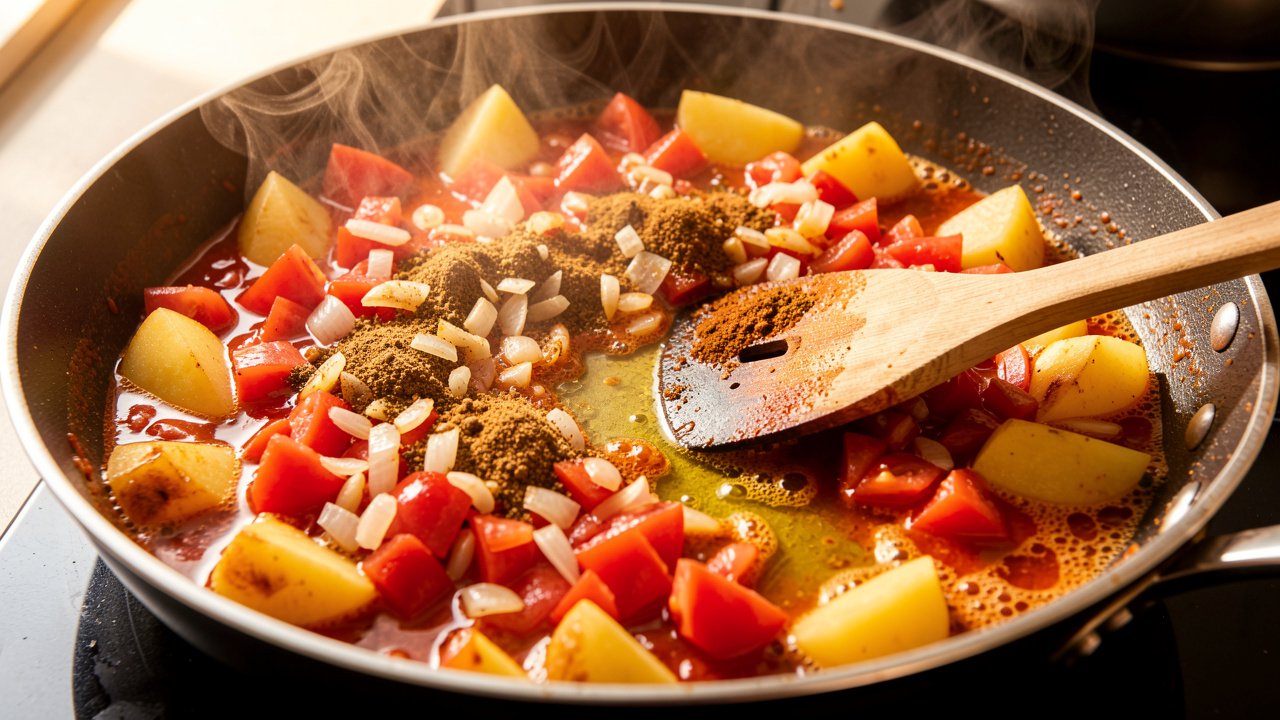
Add the remaining tablespoon of oil to the same pan. Fry the potato wedges for 3 to 4 minutes until lightly golden at the edges, then push them aside. Add the nigella seeds and let them sizzle for about 10 seconds until fragrant. Stir in the chopped onion and cook 5 to 6 minutes until soft and golden.
Build the Tomato Masala
Stir in the ginger paste and garlic paste and cook 1 minute until the raw smell fades. Add the ground cumin, coriander, red chili powder, and the remaining half teaspoon of turmeric, and stir for 30 seconds to bloom them. Add the chopped tomatoes and the rest of the salt, and cook 6 to 8 minutes until the tomatoes collapse and the oil glistens at the edges.
Simmer the Jhol
Pour in the warm water and add the slit green chilies. Bring to a gentle simmer, then cover and cook 8 to 10 minutes until the potatoes are just tender when pierced with a knife. The broth should stay thin and brothy; add a splash more water if it reduces too far. Taste and adjust the salt now, while the broth is still on its own.
Return the Fish and Finish
Slide the fried fish pieces gently into the simmering broth in a single layer. Spoon a little jhol over them, then simmer uncovered for 5 to 6 minutes until the fish is opaque and flakes easily, and cooked through to at least 145F at the thickest part. Do not stir hard; just swirl the pan. Scatter the cilantro over the top and serve hot over steamed rice.
Chef’s Tips From Real Kitchen Testing
Leave the fish alone in the pan. Let a crust set before you flip, and add the pieces back at the very end so they stay whole instead of breaking into the broth.
Keep the jhol thin. It is meant to be a light, spoonable broth, not a thick gravy, so add water freely and let the rice soak it up.
Bloom the ground spices in the oil for half a minute before the tomatoes go in. It deepens their flavor and removes any dusty, raw taste.
Recipe Variations
Serving Suggestions
- Steamed basmati or short-grain rice
- A wedge of lime and extra slit green chili
- A simple side of sauteed greens or dal
- Fresh cilantro and thin onion slivers
Nutrition Facts
| Nutrient | Amount per serving |
|---|---|
| Calories | 320 |
| Protein | 30 g |
| Carbohydrates | 14 g |
| Fat | 16 g |
| Saturated Fat | 3 g |
| Fiber | 2 g |
| Sugar | 4 g |
| Sodium | 640 mg |
Values are estimates per serving and vary with the exact fish, oil, and brands you use.
Make-Ahead Tips
The broth is even better made a little ahead, because the flavors settle and round out. You can build the jhol and simmer the potatoes up to a day in advance, then cool and refrigerate. Reheat gently and add the fried fish only when you are ready to serve, so it stays whole and does not overcook. Stir in fresh cilantro right before it goes to the table.
Storage, Freezing & Reheating
Common Mistakes to Avoid
Troubleshooting
Broth tastes flat? It usually needs salt and a squeeze of lime, or an extra slit green chili to lift the whole pot.
Fish broke apart? The pieces went in too early or got stirred. Next time fry them firmer and return them only in the last few minutes, swirling instead of stirring.
Too thick or heavy? Loosen it with warm water a little at a time until it is brothy again, then re-check the salt.
A Note on Bengali Cooking
In Bengali and Bangladeshi homes, fish and rice are the heart of everyday eating, and the words for the dishes describe the sauce as much as the flavor. Jhol is the light, thin, brothy curry in this recipe; jhal is a sharper, drier, chili-forward preparation; and kalia is a richer, deeper, more festive gravy. Mustard oil is the traditional cooking fat that gives these dishes their pungent lift, and nigella seeds, or kalonji, show up again and again as a quiet signature. If you enjoy bright, spiced tomato bowls, our creamy Indian tomato soup shares the same comforting, everyday spirit.
Food-safety note: Buy fish that smells clean and looks firm, keep it cold until you cook, and simmer the pieces until they turn opaque and flake easily, reaching at least 145F at the thickest part. Do not leave cooked fish at room temperature for long, and reheat leftovers only once.
Frequently Asked Questions
More Tomato Recipes to Try
Last updated: September 24, 2026