West African Recipes
Ghanaian Black-Eyed Pea Stew
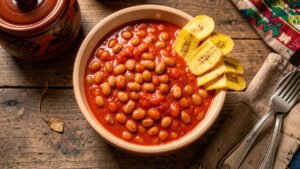
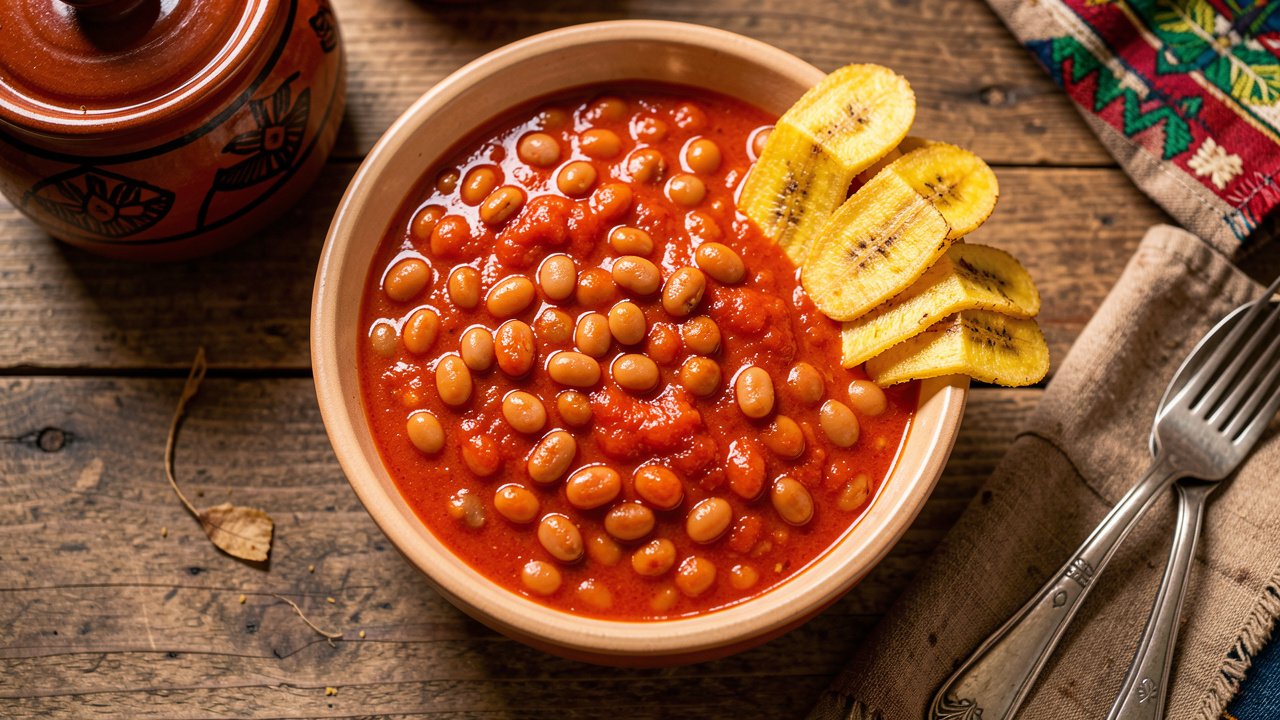
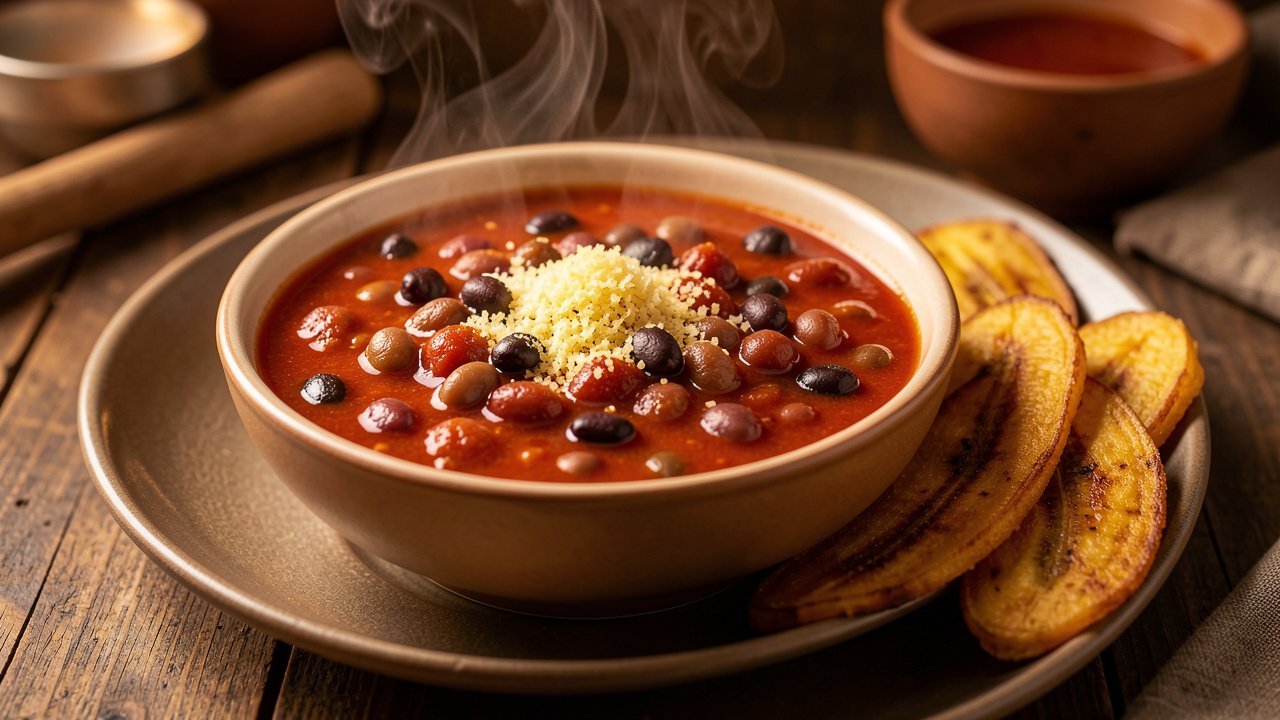
Red Red is one of those dishes that makes the whole kitchen smell like a warm welcome. The beans go creamy and soft, the sauce turns glossy and brick-red, and the fried plantains on the side bring a caramel sweetness that plays perfectly against the gentle heat. It is humble street food and Sunday comfort food rolled into one bowl.
The first time I cooked it, I learned that the two things that make or break the dish are patience with the beans and patience with the sauce. Rush either one and you get something thin and raw-tasting. Give them time and you get the deep, savory bowl that has made Red Red a staple across Ghana.
Why This Ghanaian Red Red Works
Red Red earns its keep because it turns a short pantry list into something that tastes like it simmered all day. Black-eyed peas have a naturally sweet, earthy flavor and a soft, creamy texture that soaks up sauce beautifully. Cook them well and they become the backbone of a stew that is filling without feeling heavy.
The sauce is where the magic lives. Blended tomatoes, red bell pepper, and a piece of Scotch bonnet cook down with onion, ginger, and garlic into a thick, savory base. Fried in red palm oil, that base takes on a glossy brick-red color and a distinctive, almost nutty richness you cannot fake with any other fat. This is the heart of what makes the dish taste Ghanaian.
Then there are the plantains. Frying ripe plantains until their edges caramelize gives you sweet, soft bites that offset the savory heat of the stew. That contrast of sweet and spicy in the same mouthful is the whole point, and it is why Red Red is rarely served without them.
It is also endlessly forgiving. You can make it hotter or milder, richer or lighter, and it welcomes add-ins like flaked halal smoked fish for a deeper savory note. Once you know the method, it becomes a weeknight friend that costs very little and feeds a crowd.
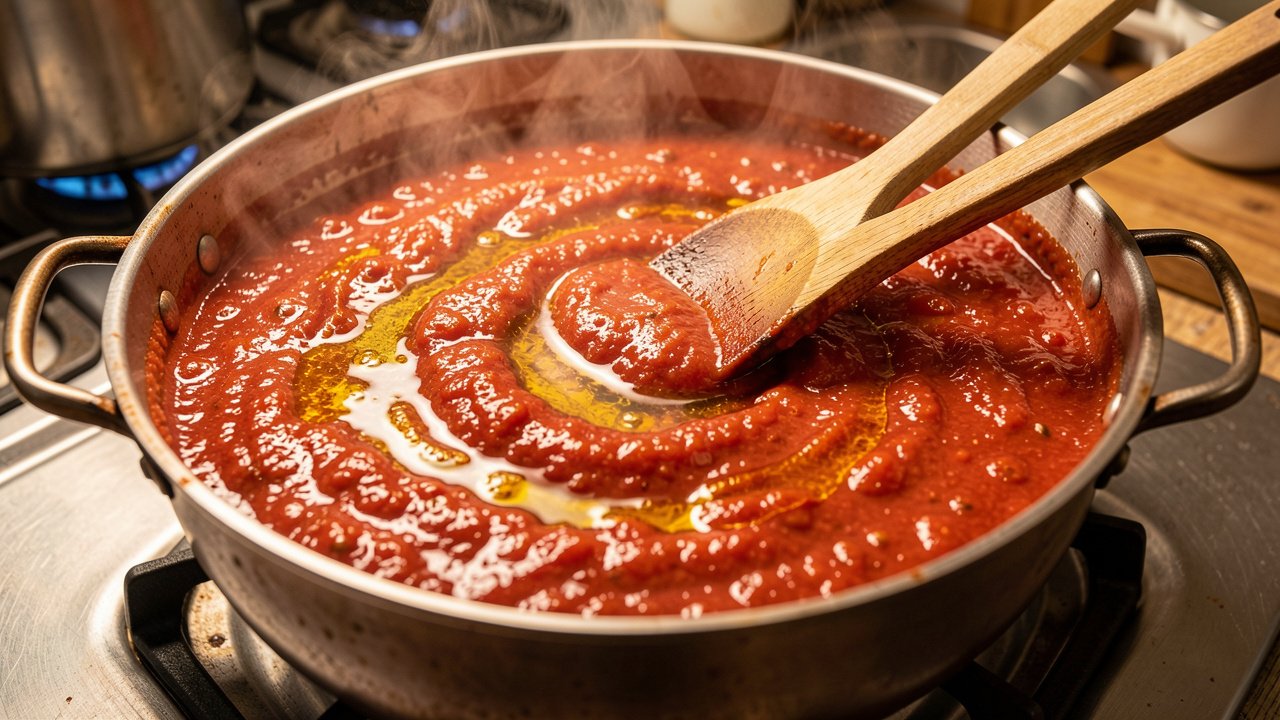
Pro observation: The sauce is ready for the beans when the red palm oil starts to float and shimmer at the surface. That glossy sheen means the raw edge of the tomatoes has cooked off and the base is deeply flavored.
Ingredients
Kitchen Measurement Converter
Quickly convert between common cooking measurements without leaving the recipe. Pick a category, enter a value, and the result updates instantly.
Ingredient Notes & Substitutions
Black-Eyed Peas
Dried black-eyed peas (also called cowpeas) give the creamiest texture and best flavor. Two 15-ounce cans, drained and rinsed, are a fine shortcut when you are short on time; add them near the end so they do not turn mushy.
Red Palm Oil
Unrefined red palm oil is what gives Red Red its color and signature taste, so it is worth seeking out at African or Caribbean grocers. If you truly cannot find it, see the oil-free variation below rather than swapping in a flavorless oil.
Scotch Bonnet
This pepper brings fruity heat that defines West African cooking. Use half a pepper for mild heat, a whole one for medium, or leave the seeds in for serious spice. A habanero is the closest substitute.
Tomatoes
Ripe fresh tomatoes blended with the bell pepper make the freshest base. Out of season, one 14-ounce can of chopped or crushed tomatoes works well and is often more reliable than pale fresh ones.
Equipment
- Large heavy pot
- Blender or food processor
- Frying pan for plantains
- Wooden spoon
- Sharp knife and board
- Colander or sieve
Before You Start
1. Soak the beans if you can. A few hours of soaking, or even overnight, shortens the cooking time and helps the black-eyed peas cook evenly. If you forget, you can still simmer them from dry; it just takes longer.
2. Blend the sauce ingredients first. Puree the tomatoes and red bell pepper together with the Scotch bonnet so the base is ready to pour in the moment the aromatics are fragrant.
3. Choose ripe plantains. The skins should be deeply yellow with black spots. That ripeness is what gives you sweet, caramelized plantains rather than starchy, bland ones.
Step-by-Step Instructions
Cook the Black-Eyed Peas
Rinse the beans and place them in a large pot with plenty of water and the bay leaf. Bring to a boil, then lower to a steady simmer and cook until tender all the way through, about 40 to 50 minutes for soaked beans or up to an hour for unsoaked. They should be soft enough to crush easily between two fingers. Drain, keeping a cup of the cooking liquid, and set the beans aside.
Blend and Heat the Palm Oil
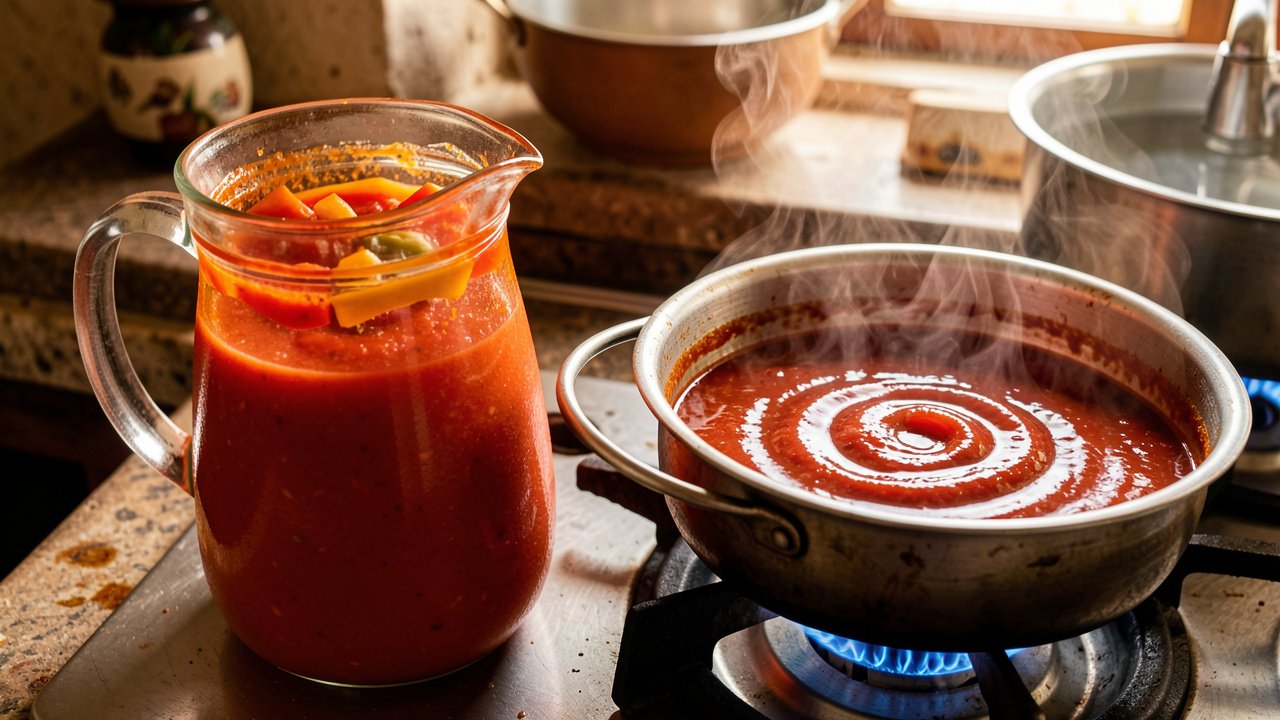
While the beans cook, blend the tomatoes, red bell pepper, and Scotch bonnet into a smooth puree. Warm the red palm oil in a wide pot over medium heat until it is fully melted and shimmering, but do not let it smoke. Keeping the heat moderate protects both the flavor and the color of the oil.
Fry the Aromatics
Add the chopped onion to the warm palm oil and cook 5 to 6 minutes until soft and golden. Stir in the grated ginger and minced garlic and cook 1 minute more, until the raw smell disappears. Add the tomato paste and fry it for a couple of minutes, stirring, so it darkens slightly and loses its tinny edge.
Build and Reduce the Red Sauce
Pour in the blended tomato and pepper puree, add the ground dried pepper and salt, and stir well. Let the sauce simmer, stirring now and then, for 15 to 20 minutes. It is ready when it has thickened, deepened in color, and the red palm oil begins to float and shimmer at the surface. This slow reduction is what gives Red Red its rich, savory depth.
Simmer the Beans in the Sauce
Fold the cooked black-eyed peas into the red sauce, adding a splash of the reserved bean liquid to reach the consistency you like. Cover partly and simmer gently for 10 to 15 minutes so the beans drink up the flavor. Taste and adjust the salt and heat. The stew should be thick and spoonable, not soupy.
Fry the Plantains and Serve
Heat the frying oil in a pan over medium heat. Fry the plantain slices in a single layer until deep golden and caramelized at the edges, about 2 to 3 minutes per side, then drain on paper towels and sprinkle lightly with salt. Serve the Red Red hot with the fried plantains alongside and a little gari on top if you like.
Chef’s Tips From Real Kitchen Testing
Cook the beans until truly soft before they meet the sauce. Firm, undercooked beans never soften properly once the tomatoes and salt go in, and they leave the stew tasting chalky.
Give the sauce time to reduce. The moment the palm oil floats to the top is your signal that the raw tomato flavor is gone and the base is ready for the beans.
Use very ripe, spotty plantains. The riper they are, the sweeter and softer they fry, giving you the best contrast against the savory, spicy stew.
Recipe Variations
Serving Suggestions
- Fried sweet plantains, the classic partner
- A spoonful of gari sprinkled over the top
- Steamed rice or boiled yam for a bigger plate
- Sliced avocado and a fresh tomato-onion salad
Nutrition Facts
| Nutrient | Amount per serving |
|---|---|
| Calories | 480 |
| Protein | 14 g |
| Carbohydrates | 58 g |
| Fat | 22 g |
| Saturated Fat | 10 g |
| Fiber | 11 g |
| Sugar | 14 g |
| Sodium | 620 mg |
Values are estimates per serving and vary with the exact ingredients and brands you use.
Make-Ahead Tips
Red Red is a natural make-ahead dish, because the beans keep drinking up flavor as they rest and the stew tastes even better the next day. Cook the stew a day ahead, cool it, and refrigerate. Reheat gently on the stove with a splash of water to loosen it, since it thickens as it sits. Fry the plantains fresh just before serving so they stay soft and sweet rather than turning tough.
Storage, Freezing & Reheating
Common Mistakes to Avoid
Troubleshooting
Beans still firm? They needed longer cooking before the sauce. Add a little water and keep simmering gently until they soften; salt and acid slow this down, so be patient.
Sauce tastes raw or sharp? It has not reduced enough. Keep simmering until it thickens and the palm oil floats to the top, which mellows the tomato.
Stew too watery? Simmer uncovered a few minutes longer to drive off liquid, or stir in a spoonful of tomato paste to thicken and enrich it.
A Note on Ghanaian Cooking
Red palm oil is one of the pillars of West African cooking, prized for the deep color, richness, and earthy flavor it lends to stews. In Red Red, that oil is doing double duty: it carries the flavor of the aromatics and it dyes the whole pot a glowing brick red. The name itself comes from this doubling up, the red of the palm oil meeting the red of the tomatoes and peppers, so the dish is simply called Red Red.
Serving it with fried sweet plantains is not just tradition for its own sake; the caramel sweetness balances the savory heat in a way that feels complete. Across Ghana you will find it sold from roadside stands and cooked in home kitchens alike, a dish that is cheap, nourishing, and deeply loved. If you enjoy hearty spiced bowls, browse more ideas in our collection of tomato recipes, or try the comforting hearty tomato lentil soup for another legume-forward bowl.
Frequently Asked Questions
More Recipes to Try
Last updated: September 24, 2026