Levantine Recipes
Zucchini Stuffed with Spiced Rice and Beef
Last updated: September 30, 2026
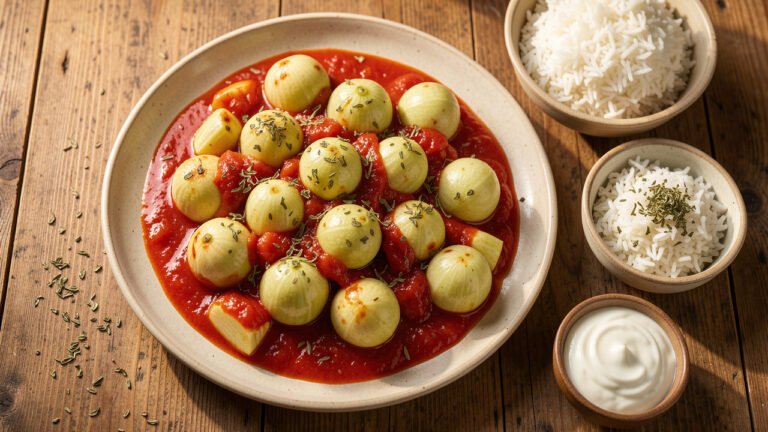
Kousa mahshi is one of those slow, comforting dishes that turns a handful of zucchini into a whole meal. Each squash is hollowed into a thin-walled shell, packed with a filling of rice and minced beef seasoned with allspice and dried mint, then stood upright in a pot and simmered gently in tomato sauce until the shells are tender and the rice has plumped inside.
It is a centerpiece of home cooking across Syria, Lebanon, Jordan, and Palestine, the kind of dish a family makes together when there is a little more time. The hollowing takes patience, but the reward is a pot that fills the kitchen with the smell of tomato and mint and feeds a table generously.
Why This Kousa Mahshi Works
Great kousa mahshi comes down to three things: thin, evenly hollowed zucchini, a filling with the right ratio of rice to meat, and a sauce that has enough liquid to cook the rice without drowning the shells. Get those right and the zucchini turn silky and tender while the filling steams into a savory, fluffy stuffing that holds together when you cut in.
The filling here uses raw rice, not pre-cooked. As the pot simmers, the rice absorbs the tomato and the juices the zucchini release, so it swells to fill the shell and takes on the flavor of everything around it. This is why the zucchini must be hollowed thin but not torn: the walls need to stay whole while the rice expands inside.
Allspice and dried mint do the heavy lifting on flavor. Allspice gives the warm, faintly sweet backbone that runs through so much Levantine cooking, while dried mint brings a cooling, herbal note that keeps the tomato sauce from tasting heavy. A little garlic stirred into the sauce at the end sharpens everything.
Finally, the zucchini are packed loosely, only about three-quarters full. Rice needs room to grow, and an over-stuffed shell will split as it cooks. Leaving a little space is the single habit that separates neat, whole stuffed zucchini from a pot of burst ones.
Pro observation: The pot is done when a knife slides easily into a zucchini and the rice inside is soft and fully plumped. If the shells are tender but the rice is still firm, add a splash of hot broth or water, cover, and give it a few more minutes.
Ingredients
Kitchen Measurement Converter
Need to convert an amount while you measure? Pick a category, enter a value, and the result updates instantly.
Ingredient Notes & Substitutions
Zucchini
Small, pale, slightly tapered zucchini are ideal because their thin skin and tender flesh hollow cleanly. Look for ones about six inches long and even in width so they cook at the same rate. Larger zucchini work but have tougher skins and looser flesh.
Ground Beef
Use ground beef with a little fat so the filling stays moist. Ground lamb is the traditional alternative and gives a richer flavor. For a lighter dish, ground chicken or turkey works, though it needs an extra spoon of oil in the filling.
Rice
Short or medium-grain rice is best because it turns soft and slightly sticky, binding the filling. Rinse it well to wash off surface starch so the grains stay separate. Long-grain rice can be used but gives a drier, looser stuffing.
Spices & Tomato
Allspice and dried mint are the signature flavors; a pinch of cinnamon or a spoon of Lebanese seven-spice deepens them. For the sauce, crushed tomatoes or passata plus tomato paste give body. No forbidden ingredients are used, so the dish is fully halal.
Equipment
- Apple or zucchini corer
- Large deep pot or Dutch oven
- Mixing bowl
- Sharp knife and board
- Small spoon
- Measuring cups and spoons
Before You Start
1. Rinse the rice and let it drain properly. Swirl it in cold water until the water runs clear, then leave it in a sieve while you core. Surface starch glues raw grains into a dense plug, and dripping-wet rice waters down the filling before it ever reaches the pot.
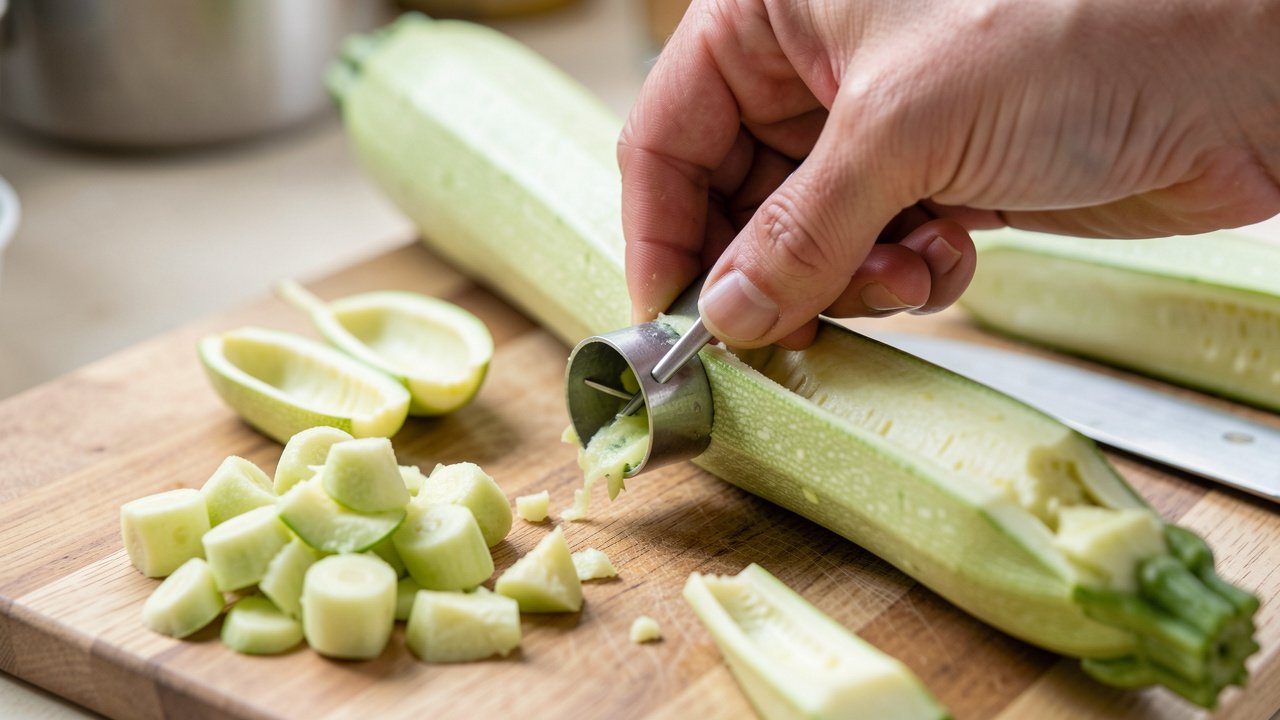
2. Hollow all eight zucchini before you stuff one. Work from the trimmed stem end with a manakra or apple corer, and slow right down in the last inch. A pierced base lets the filling slide out as the rice swells, so hold each shell to the light and check for thin spots.
3. Clear a full 45 minutes for the covered simmer. Both the beef and the rice go in raw, so the pot needs the whole time for the rice to plump and the beef to reach 160 F (71 C). Cut one zucchini open to check rather than trusting the clock.
Step-by-Step Instructions
Kousa mahshi rewards a little organization. Make the filling first, hollow all the zucchini, then stuff and simmer. Keep the scooped-out flesh; it can go straight into the sauce or be saved for another dish.
Make the Rice-and-Beef Filling
Rinse the rice until the water runs clear and drain it well. In a bowl, combine the drained rice, ground beef, chopped onion, half the minced garlic, the allspice, half the dried mint, the salt, black pepper, and one tablespoon of the olive oil. Mix with your hands until evenly blended. The filling should look loose and moist, not packed.
Hollow the Zucchini
Trim the stem end off each zucchini, leaving the base closed. Working from the cut end, use a corer to scoop out the center in a spiral, leaving walls about a quarter inch thick. Go slowly near the closed base so you do not push through. Rinse the hollow shells and set them aside.
Stuff the Shells
Spoon the filling into each zucchini, pressing gently so it settles, but stop when each shell is about three-quarters full. The rice needs room to swell as it cooks, and overpacking will split the zucchini. Wipe any filling off the outside so it does not cloud the sauce.
Build the Tomato Sauce
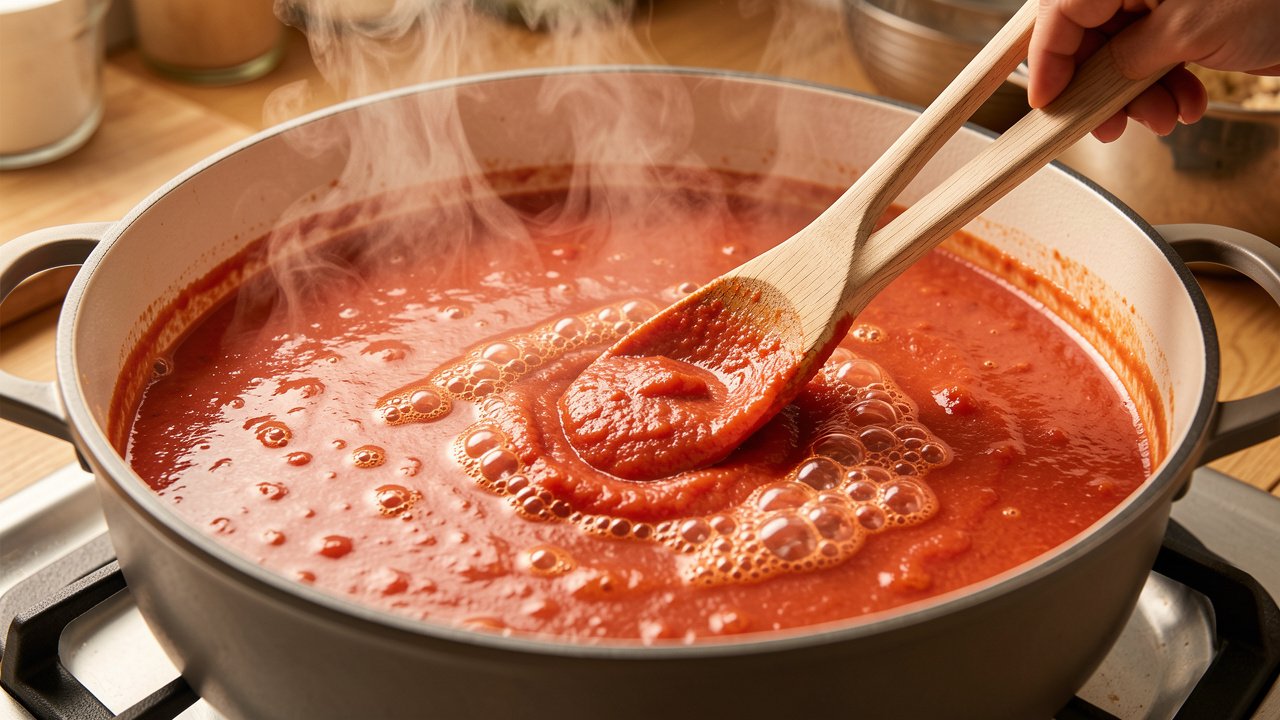
Heat the remaining olive oil in a large deep pot over medium heat. Stir in the tomato paste and cook for a minute until it darkens, then add the crushed tomatoes, two cups of water, the remaining dried mint, and a pinch of salt. Bring to a gentle simmer, tasting and adjusting the seasoning.
Simmer the Stuffed Zucchini
Nestle the stuffed zucchini into the sauce, standing them upright or laying them in snug layers so they hold their shape. The sauce should come most of the way up the shells; add a little hot water if needed. Cover, lower the heat, and simmer gently for 40 to 45 minutes, until the shells are tender and the rice is soft.
Rest and Serve
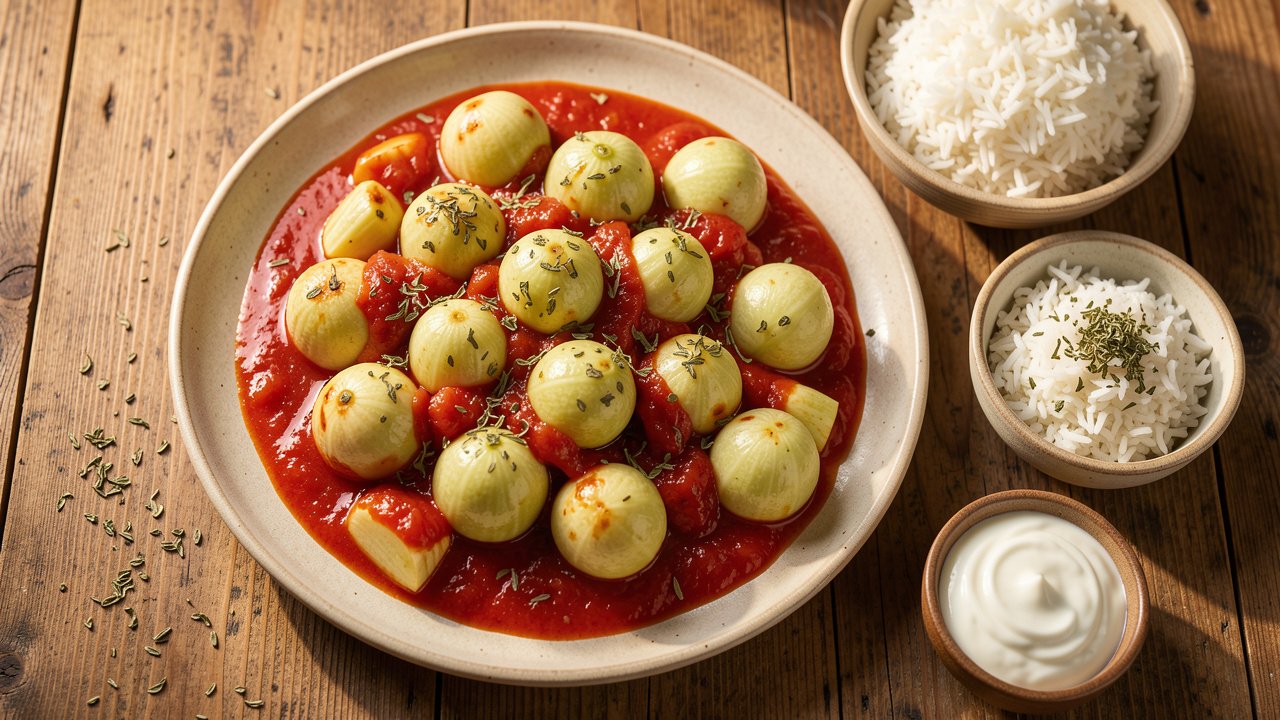
Stir the remaining minced garlic through the sauce in the last few minutes for a fresh, sharp finish. Turn off the heat and let the pot rest, covered, for 10 minutes so the filling settles and firms up. Lift the zucchini out gently, spoon the tomato sauce over them, and serve warm with plain rice or a bowl of yogurt.

Chef’s Tips From Real Kitchen Testing
Fill each zucchini only three-quarters full. Raw rice nearly doubles as it cooks, and leaving headroom is the surest way to keep the shells from bursting.
Keep the walls even and about a quarter inch thick. Too thin and they collapse, too thick and they stay firm while the rice overcooks.
Pack the pot snugly. Zucchini held in place by their neighbors keep their shape and cook evenly, and they are easier to lift out whole at the end.
Recipe Variations
Serving Suggestions
- Plain white or vermicelli rice to catch the sauce
- A bowl of plain yogurt or garlic-yogurt sauce
- A simple fattoush or cucumber-tomato salad
- Warm flatbread and a squeeze of lemon
Nutrition Facts
| Nutrient | Amount per serving |
|---|---|
| Calories | 340 |
| Protein | 18 g |
| Carbohydrates | 28 g |
| Fat | 18 g |
| Saturated Fat | 5 g |
| Fiber | 4 g |
| Sugar | 8 g |
| Sodium | 620 mg |
Values are estimates per serving and vary with the exact ingredients and brands you use.
Make-Ahead Tips
You can hollow the zucchini and mix the filling a few hours ahead and keep both covered in the refrigerator. Stuff and simmer just before serving so the shells stay fresh and the rice cooks evenly in the sauce.
Storage, Freezing & Reheating
Common Mistakes to Avoid
Troubleshooting
Rice still firm? There was not enough liquid or time. Add a splash of hot water or broth, cover, and simmer a few more minutes until the grains are soft.
Shells split open? They were overstuffed or the heat was too high. Fill less next time and keep the simmer gentle rather than a hard boil.
Sauce too thin? Lift the zucchini out and reduce the sauce uncovered for a few minutes, then spoon it back over. A little extra tomato paste also thickens it.
A Note on Levantine Cooking
The name says exactly what the dish is. In Arabic, “kousa mahshi” means “stuffed zucchini”: kousa is the small pale squash, and mahshi means stuffed, a word that turns up across a whole family of filled Levantine dishes. Wherever you see mahshi, you can expect a vegetable or leaf hollowed or wrapped and packed with a spiced rice filling, often with meat, and simmered in a savory sauce.
That family is worth knowing, because it is easy to mix its members up. Kousa mahshi stuffs hollowed zucchini, while warak enab uses grape leaves rolled around the same style of filling; one is a plump squash you cut into, the other a slender wrapped parcel. Both share the allspice-and-mint seasoning that defines the region’s stuffed dishes. If you enjoy this, the same instinct runs through the Greek gemista, tomatoes and peppers baked with a herbed rice filling, and through Lebanese maghmour, a silky eggplant, chickpea, and tomato stew from the same table.
Kousa mahshi is above all a dish of gathering. It takes time to hollow and stuff a potful, which is why it is so often made in company, and why it lands on the table for weekend lunches and celebrations. The reward is a homey, generous plate that tastes of patience: tender squash, fragrant rice, and a light tomato sauce spooned over the top.