Italian Recipes
Sicilian Eggplant Pasta
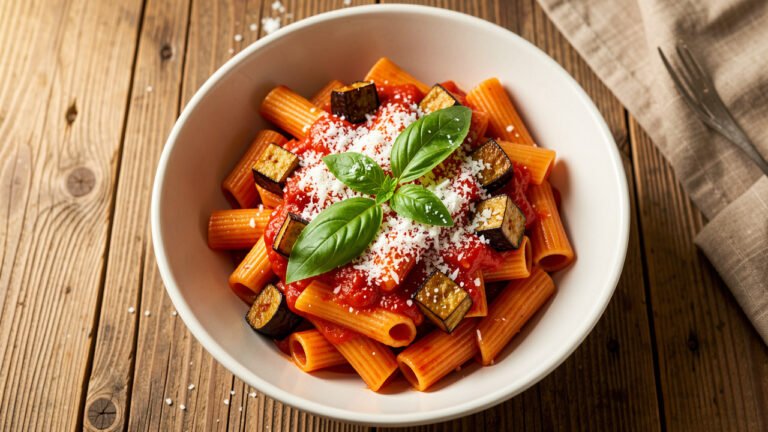
This is the dish that makes people fall in love with eggplant. The frying is the secret: it turns bland raw cubes into golden, creamy, almost meaty morsels that soak up the tomato sauce and give the whole plate its soul. Skip that step and you get an ordinary tomato pasta; do it right and you get one of Sicily’s proudest plates of food.
I learned the frying lesson the slow way. The first time I made Norma I crowded the pan and rushed it, and the eggplant came out pale and greasy. Once I gave it room, patience, and hot oil, it transformed, and now it is the part I look forward to most.
Why This Pasta alla Norma Works
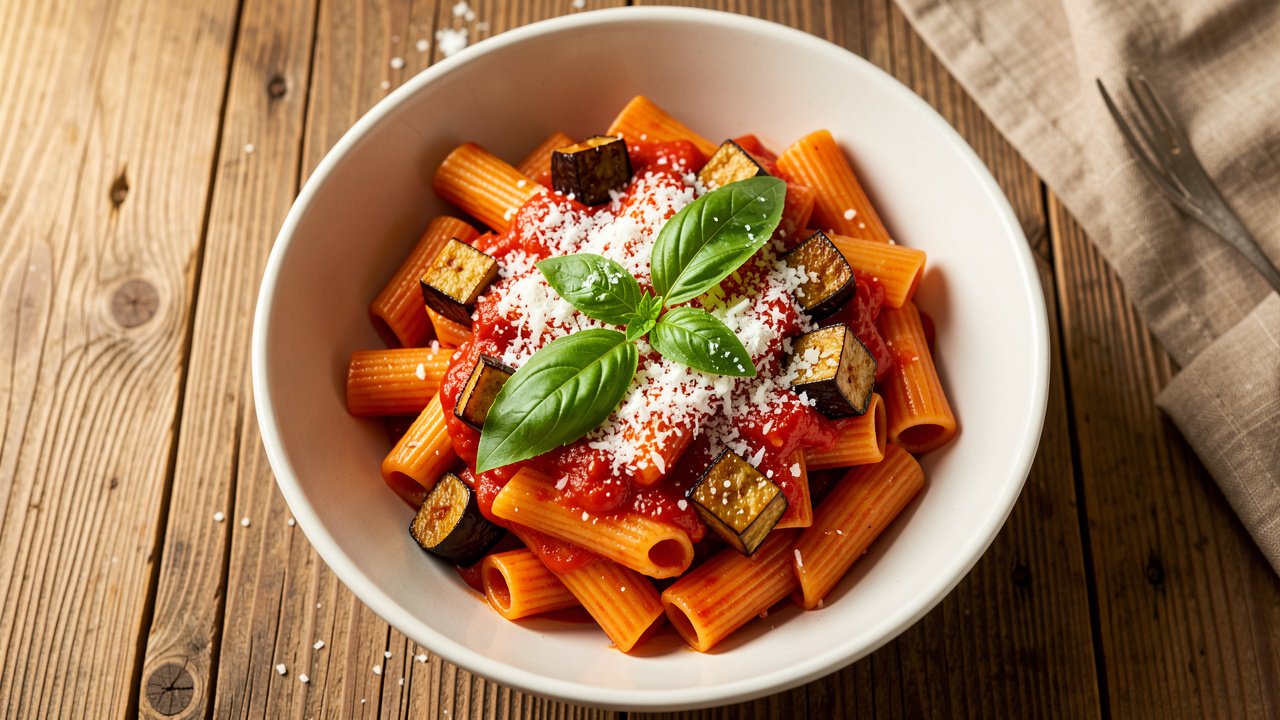
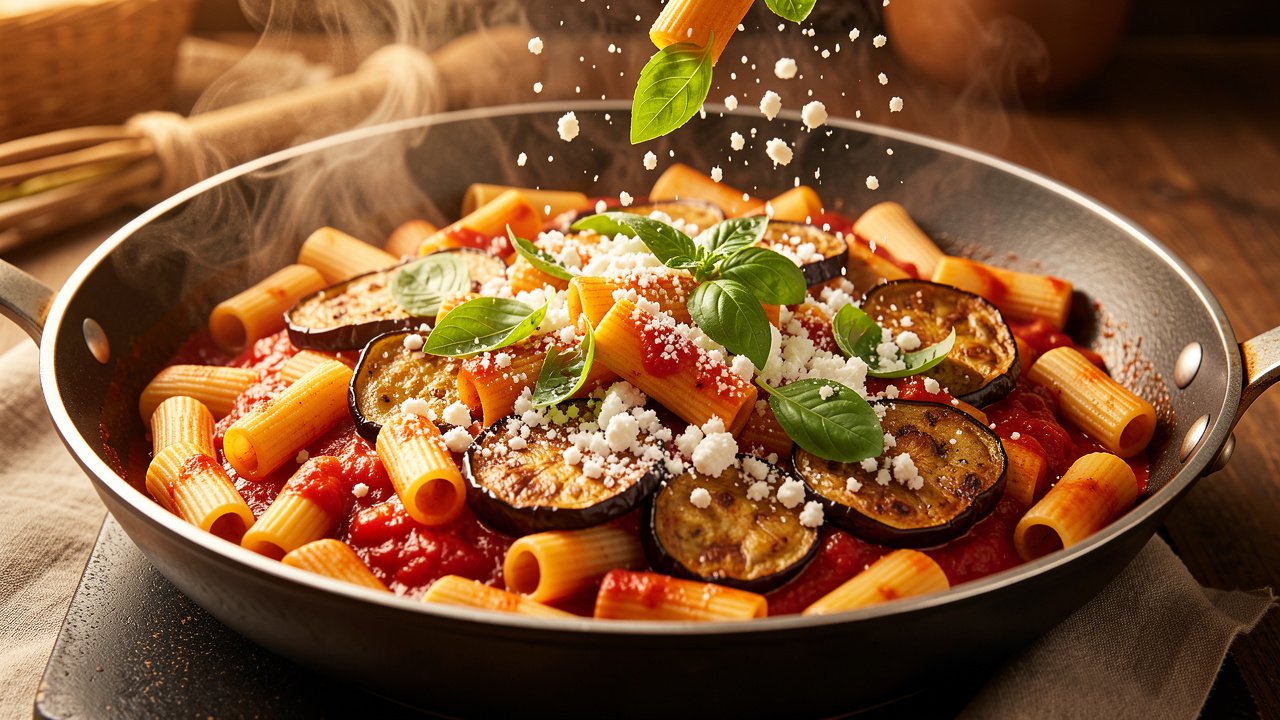
Pasta alla Norma is built on three simple ideas working in harmony: golden fried eggplant, a bright tomato-basil sauce, and salty ricotta salata to tie it together. There is no long ingredient list and no obscure technique, yet the result tastes far richer than the sum of its parts. That is the magic of good Sicilian home cooking.
The single most important step is frying the eggplant properly. Eggplant has a spongy structure that stays bitter and rubbery when undercooked, but turns silky, sweet, and almost custardy once it is fried until deeply golden. Those tender cubes are what separate a memorable Norma from a forgettable one.
The sauce matters just as much. Cooking sliced garlic gently in good olive oil and then letting the tomatoes reduce into a thick, glossy sauce builds a savory-sweet backbone that clings to the pasta. A handful of torn basil stirred in at the end lifts everything with fresh, peppery perfume.
Finally, ricotta salata is the finishing flourish that makes the dish unmistakably Norma. This firm, salted, aged cheese is grated over the top so it melts just slightly against the hot pasta, adding a milky tang and a savory edge that a softer cheese simply cannot provide.
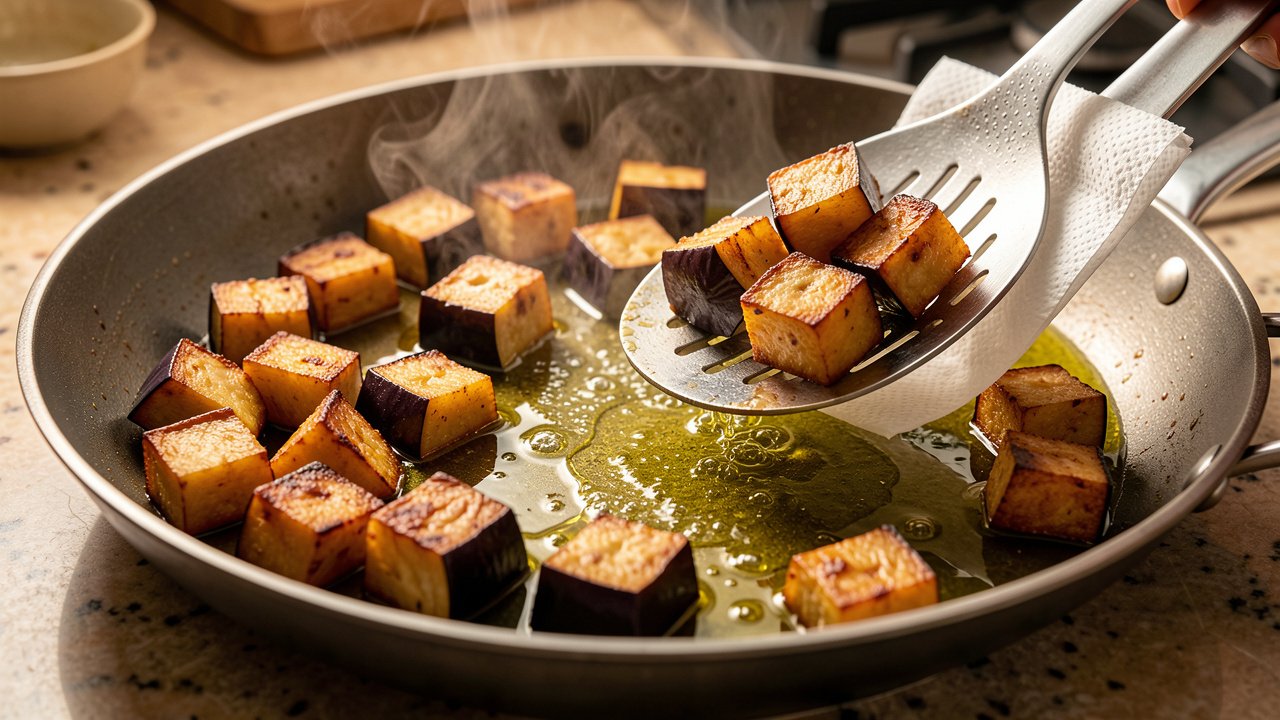
Pro observation: The eggplant is ready to come out of the oil when it is uniformly deep golden and yields with no resistance when pressed with a spoon. Pale spots mean it is still spongy inside, so give those pieces another minute.
Ingredients
Kitchen Measurement Converter
Quickly convert between common cooking measurements without leaving the recipe. Pick a category, enter a value, and the result updates instantly.
Ingredient Notes & Substitutions
Eggplant
Choose firm, glossy eggplant that feels heavy for its size, as those have fewer seeds and less bitterness. Globe or Italian eggplant both work. Cut into even cubes so they fry at the same rate.
Tomatoes
Good canned crushed tomatoes or passata give a reliable, deep sauce year round. In peak season, a pound of very ripe fresh tomatoes, peeled and chopped, is beautiful here too.
Ricotta Salata
This firm, aged, salted cheese is the signature of Norma. If you cannot find it, a well-aged salted pecorino grated fine is the closest stand-in, though the flavor is a touch sharper.
Pasta Shape
Short shapes like rigatoni, penne, or the traditional maccheroni catch the chunky sauce best. Their ridges and hollows trap tomato and bits of eggplant in every bite.
Equipment
- Large pot for pasta
- Wide, deep frying pan
- Slotted spoon or spider
- Paper-towel-lined plate
- Sharp knife and board
- Box grater for the cheese
Before You Start
1. Salt the eggplant early. Toss the cubes with salt and let them sit for about 20 minutes to draw out moisture, then pat them very dry so they brown instead of steam.
2. Have your sauce ingredients ready. Slice the garlic and open the tomatoes before you start frying, so the sauce can go straight onto the stove while the eggplant rests on paper towels.
3. Salt the pasta water well. It should taste like the sea. Well-seasoned pasta needs no rescuing later, and you will reserve a little of that starchy water to loosen the sauce.
Step-by-Step Instructions
Salt and Prep the Eggplant
Cut the eggplant into bite-size cubes, about three-quarters of an inch. Toss them in a colander with a teaspoon of salt and let them sit for 20 minutes to sweat out excess moisture and any bitterness. Rinse briefly if you like, then spread the cubes on a clean towel and pat them completely dry. Dry eggplant is the key to golden, non-greasy frying.
Fry the Eggplant
Heat the frying olive oil in a wide, deep pan over medium-high heat until it shimmers. Add the eggplant in batches, never crowding the pan, and fry 4 to 6 minutes per batch, turning, until deeply golden on all sides and soft within. Lift the cubes out with a slotted spoon onto paper towels and season lightly with salt while hot.
Start the Tomato Sauce
Pour off most of the frying oil, leaving a thin film, or wipe the pan and add the 2 tablespoons of extra-virgin olive oil. Add the sliced garlic and the red pepper flakes if using, and cook gently over medium-low heat for about 1 minute, until the garlic is fragrant and just turning pale gold. Do not let it brown, or it will taste bitter.
Simmer the Sauce
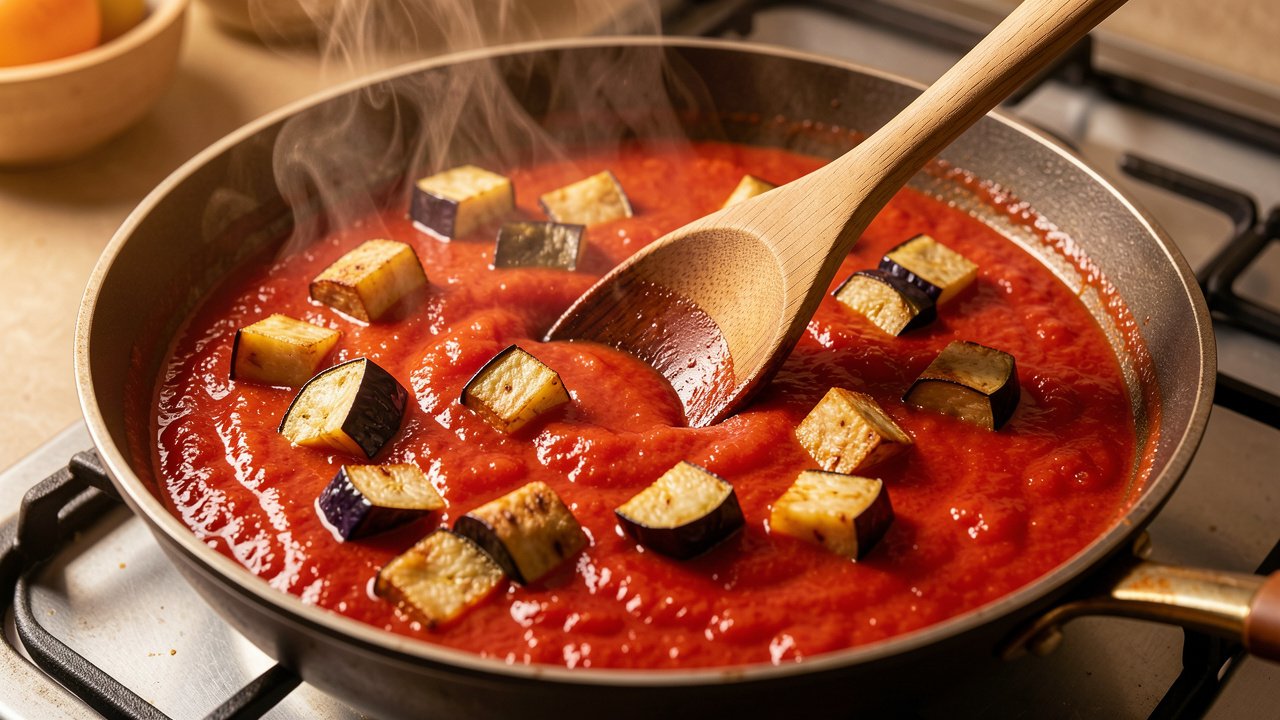
Pour in the crushed tomatoes and add the salt, black pepper, and the pinch of sugar if the tomatoes are sharp. Bring to a gentle simmer and cook 12 to 15 minutes, stirring now and then, until the sauce thickens and turns glossy and deep red. Stir most of the fried eggplant back in, saving a few pieces for the top, and simmer 2 minutes more.
Cook the Pasta
While the sauce simmers, bring a large pot of well-salted water to a boil and cook the pasta until just al dente, following the package timing. Before draining, scoop out about half a cup of the starchy cooking water. Drain the pasta, keeping it slightly firm, since it will finish cooking in the sauce.
Combine and Finish
Add the drained pasta to the pan with the sauce and toss over medium heat for a minute, adding a splash of the reserved pasta water to help the sauce coat every piece. Off the heat, stir in most of the torn basil. Serve right away, topped with the reserved eggplant, the remaining basil, and a generous grating of ricotta salata.
Chef’s Tips From Real Kitchen Testing
Dry the eggplant thoroughly before it hits the oil. Any surface moisture causes spitting and steaming, which leaves the cubes pale and oily instead of golden.
Keep the pasta a touch firm when you drain it. Finishing it in the sauce lets it absorb flavor and reach a perfect al dente without turning soft.
Grate the ricotta salata at the table, not into the pot. Its milky, salty bite is best when it lands fresh on the hot pasta and melts just slightly.
Recipe Variations
Serving Suggestions
- A simple green salad with lemon dressing
- Warm crusty bread to catch the sauce
- Extra grated ricotta salata on the side
- A scatter of fresh basil and cracked pepper
Nutrition Facts
| Nutrient | Amount per serving |
|---|---|
| Calories | 560 |
| Protein | 15 g |
| Carbohydrates | 72 g |
| Fat | 24 g |
| Saturated Fat | 6 g |
| Fiber | 8 g |
| Sugar | 12 g |
| Sodium | 720 mg |
Values are estimates per serving and vary with the exact ingredients and brands you use.
Make-Ahead Tips
The tomato and eggplant sauce is a great make-ahead component and actually deepens in flavor after a night in the fridge. Cook the sauce with the fried eggplant folded in, cool it, and refrigerate for up to three days. When you are ready to eat, warm the sauce gently, boil fresh pasta, and toss the two together with a splash of pasta water. Grate the ricotta salata and tear the basil only at the last minute, so both stay bright and fresh.
Storage, Freezing & Reheating
Common Mistakes to Avoid
Troubleshooting
Eggplant turned greasy? The oil was not hot enough or the pan was crowded. Next time heat the oil until it shimmers and fry in smaller batches, then drain well on paper towels.
Sauce tastes flat? It usually needs a little more salt, and a pinch of sugar if the tomatoes are sharp. A final grating of ricotta salata also boosts the savory depth.
Pasta clumping or dry? Toss it with the sauce over heat and add reserved pasta water a splash at a time until every piece is silky and coated.
A Note on Sicilian Cooking
Pasta alla Norma comes from Catania, on the eastern coast of Sicily beneath Mount Etna, where volcanic soil grows some of the sweetest eggplant and tomatoes in Italy. Legend says the dish was named in honor of the opera Norma, a Sicilian point of pride, and the name became shorthand for something so good it is worthy of a masterpiece. It reflects the island’s love of eggplant, which appears fried, stuffed, and stewed across its cooking.
Ricotta salata is the other unmistakably Sicilian touch. Unlike the soft, fresh ricotta many cooks know, it is pressed, salted, and aged until firm enough to grate, giving a milky tang and a clean saltiness that balances the rich eggplant and sweet tomato. Treating these humble ingredients with care is the whole point. If you enjoy this dish, explore more ideas in our collection of tomato recipes.
A Note on Food Safety & Hygiene
Frying calls for a little extra care. Heat the oil steadily rather than blasting it, keep a lid nearby in case of spitting, and never leave the hot pan unattended. Lower the eggplant in gently with a slotted spoon to avoid splashing, and let used oil cool completely before you pour it out. Wash your knife, board, and hands after handling raw produce, and refrigerate any leftovers within two hours of cooking. When reheating, warm the pasta all the way through until steaming hot before serving.
Frequently Asked Questions
More Tomato Recipes to Try
Last updated: September 29, 2026