Curacaoan Recipes
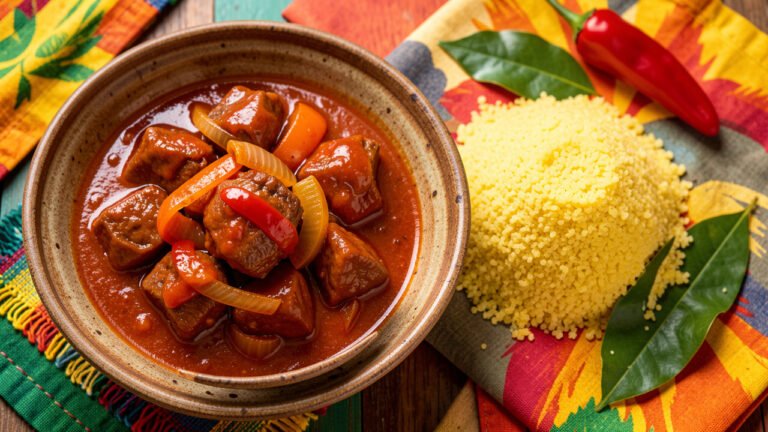
Antillean Stewed Meat in Tomato-Creole Sauce
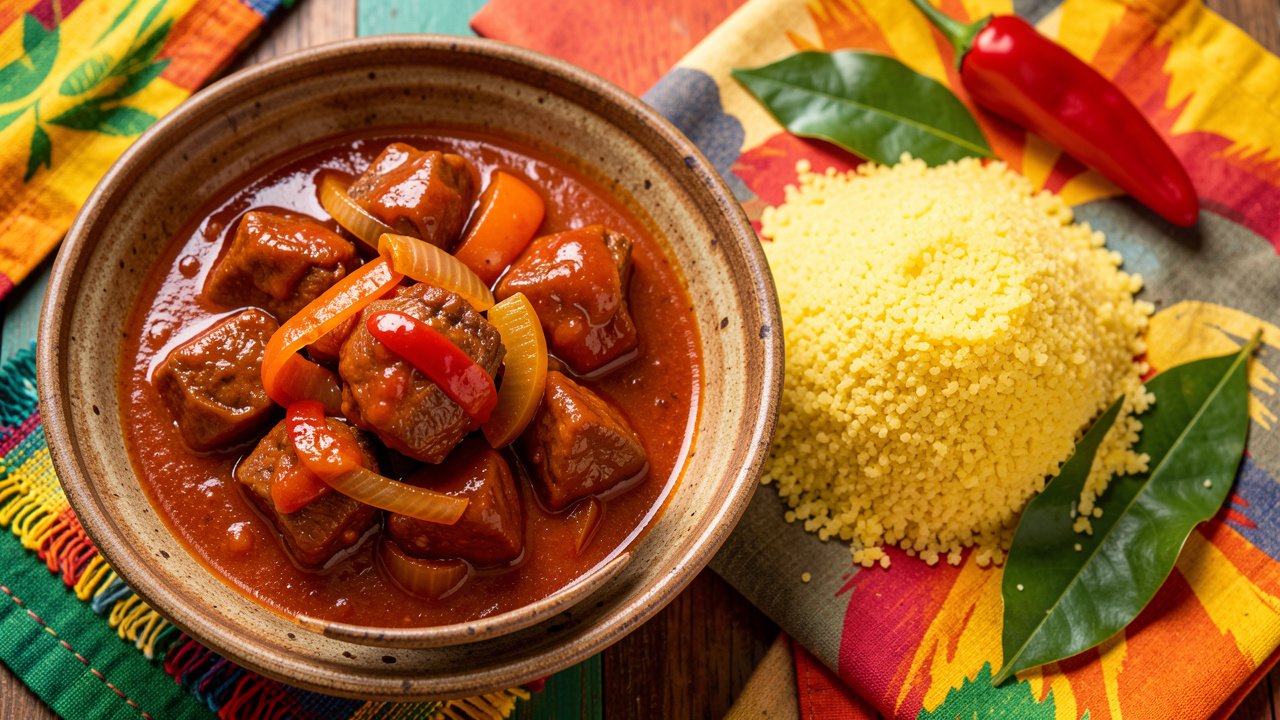
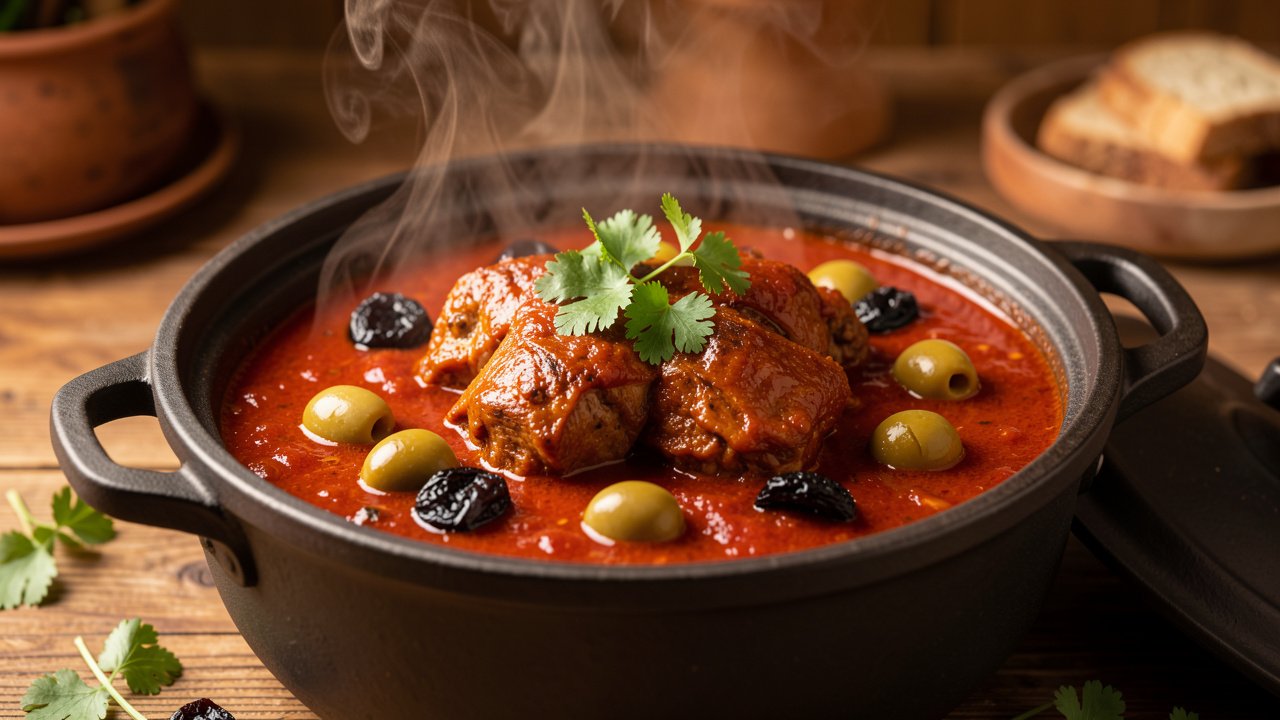
Stoba di kabritu, the goat version, is the dish that shows up at Sunday tables and family gatherings all over Curacao. The magic is not in a long ingredient list but in patience: a good lime marinade, a proper browning, and a slow braise that turns tough cuts silky. The tomato and tomato paste build a rich red-brown gravy, and the little handful of capers, olives, and prunes is what makes people ask what your secret is.
Why This Curacao Stoba Works
Stoba is built on the Creole idea that a handful of humble ingredients, given time, become something deeply satisfying. The tomatoes and tomato paste do the heavy lifting, breaking down into a thick red-brown gravy that clings to every piece of meat. There is no cream and no shortcut, just layers of flavor built one step at a time.
The lime marinade is the first non-negotiable step. Rubbing the meat with fresh lime, salt, and pepper tames any strong, gamey edge and starts to tenderize the surface. Islanders who cook stoba often will tell you that skipping this step is the single most common reason a pot turns out tasting off.
Browning is the second pillar. Getting a real, dark sear on the halal goat or beef before the vegetables go in lays down a savory foundation that no amount of later simmering can replace. Those browned bits at the bottom of the pot dissolve into the sauce and give it backbone.
Then comes the slow braise. Goat and the tougher, more flavorful cuts of beef are full of connective tissue that only melts into tenderness over a long, gentle simmer. Rush it and the meat stays tight and chewy; give it the time it needs and it pulls apart at the touch of a fork.
Pro observation: The stoba is ready when a piece of meat gives no resistance to a fork and the sauce has reduced to a glossy, spoon-coating gravy that pools around the meat rather than running thin.
Ingredients
Kitchen Measurement Converter
Quickly convert between common cooking measurements without leaving the recipe. Pick a category, enter a value, and the result updates instantly.
Ingredient Notes & Substitutions
The Meat
Halal goat on the bone is the traditional choice and gives the deepest flavor. Halal beef, especially chuck or shank, is an easy, tender-braising swap. Lamb works too. Ask for stewing cuts and keep the chunks generous so they stay juicy.
Tomatoes
Ripe, red tomatoes plus tomato paste build the signature gravy. Out of season, one 14-ounce can of chopped tomatoes gives reliable body. The paste is what deepens the color and concentrates that savory tomato base.
Scotch Bonnet
Add it whole and unbroken for fragrance and gentle warmth without searing heat. If you like real fire, pierce it once or let it burst late in the braise. Habanero is the closest substitute.
Sweet-Savory Accents
Capers, green olives, and a few pitted prunes are the Antillean signature. The prunes melt into a subtle sweetness that balances the salt and acid. Raisins can stand in for prunes in a pinch.
Equipment
- Heavy pot or Dutch oven
- Wooden spoon
- Sharp knife and board
- Large mixing bowl
- Tongs
- Measuring spoons
Before You Start
1. Marinate first, cook later. The lime marinade needs at least 30 minutes and is even better after a few hours in the fridge, so plan the timing before you turn on the stove.
2. Pat the meat dry. After marinating, blot the chunks so they sear rather than steam. Wet meat will not brown, and the browning is where the flavor lives.
3. Start your side. Funchi, rice, or fried plantain all take time, so get your chosen side going while the stew finishes its slow braise.
Step-by-Step Instructions
Marinate the Meat with Lime
Put the halal goat or beef chunks in a large bowl. Squeeze over the fresh lime juice and add the salt and black pepper. Rub it all in with your hands so every piece is coated. Cover and let it sit at least 30 minutes at room temperature, or up to overnight in the fridge. This step tames any strong flavor and starts to tenderize the meat.
Brown the Meat Deeply
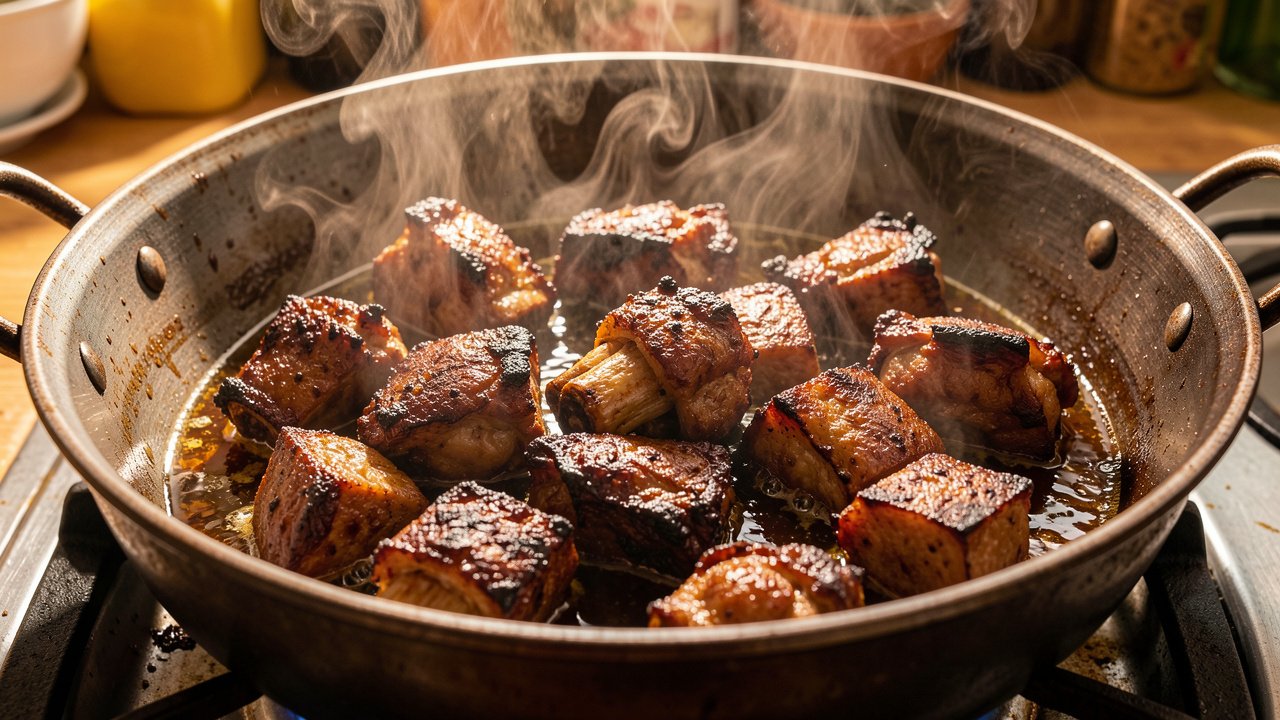
Pat the marinated chunks dry. Heat the oil in a heavy pot over medium-high heat until it shimmers. Working in batches so the pot is never crowded, sear the meat on all sides until deeply browned, about 3 to 4 minutes per batch. Set the browned pieces aside. Do not rush this; those dark, caramelized edges are the heart of the sauce.
Build the Sofrito Base
Lower the heat to medium and add the chopped onions and bell pepper to the same pot. Cook 5 to 6 minutes, scraping up the browned bits, until softened. Stir in the minced garlic and cook 1 minute more until fragrant. This aromatic base is the Creole sofrito that carries the whole dish.
Add Tomatoes, Paste, and Spices
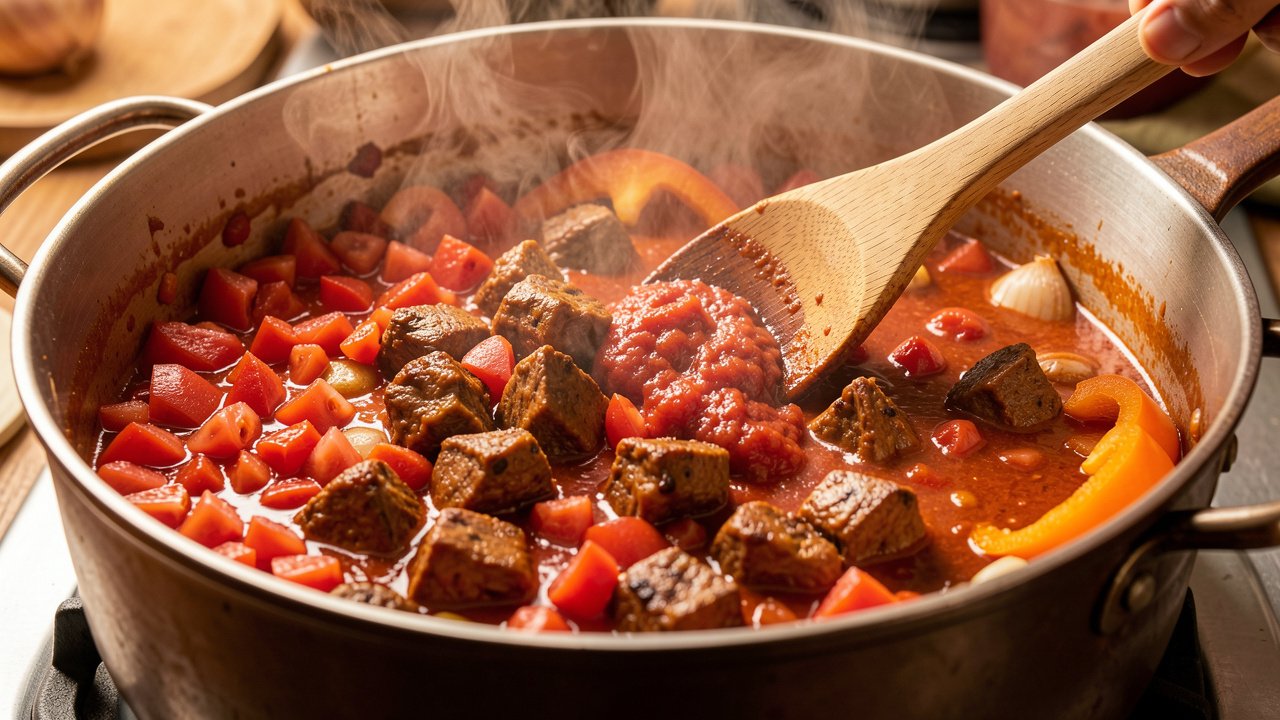
Stir in the tomato paste and cook it for a minute to deepen its color. Add the chopped tomatoes, ground cumin, and nutmeg, and cook 5 to 6 minutes until the tomatoes collapse into a thick, jammy base. Return the meat and any resting juices to the pot and stir to coat it in the red-brown sauce.
Slow-Braise Until Tender
Pour in the water or stock and nestle in the whole scotch bonnet and bay leaves. Bring to a simmer, then cover and lower the heat to a gentle bubble. Braise 1.5 to 2 hours, stirring now and then, until the meat is fork-tender. For goat on the bone, lean toward the longer end. Add a splash of water if it ever looks dry.
Add the Sweet-Savory Finish and Serve
Once the meat is tender, gently lift out the scotch bonnet and bay leaves. Stir in the capers, green olives, and pitted prunes, and simmer uncovered 10 to 15 minutes so the sauce reduces to a glossy gravy and the prunes soften. Taste and adjust the salt. Scatter fresh cilantro over the top and serve hot with funchi, rice, or plantain.
Chef’s Tips From Real Kitchen Testing
Never skip the lime marinade. Even a quick 30-minute rub makes a noticeable difference in how clean and balanced the finished stew tastes.
Keep the braise at the barest bubble. A hard boil toughens the meat fibers before they have a chance to relax; low and slow is what makes stoba melt in your mouth.
Add the olives, capers, and prunes only at the end. Long simmering dulls their bright, sweet-savory pop, and their whole job is to lift the finished pot.
Recipe Variations
Serving Suggestions
- Funchi, the island cornmeal staple
- Steamed white rice or rice and beans
- Fried sweet plantain or banana hasa
- A crisp side salad and lime wedges
Nutrition Facts
| Nutrient | Amount per serving |
|---|---|
| Calories | 380 |
| Protein | 34 g |
| Carbohydrates | 16 g |
| Fat | 20 g |
| Saturated Fat | 6 g |
| Fiber | 3 g |
| Sugar | 8 g |
| Sodium | 720 mg |
Values are estimates per serving and vary with the exact cut of meat and ingredients you use.
Make-Ahead Tips
Stoba is one of those stews that tastes even better the next day, so it is a natural make-ahead dish. Cook it fully, cool, and refrigerate; the flavors settle and deepen overnight and the sauce sets into an even richer gravy. Reheat gently on the stove with a splash of water or stock to loosen it, and stir in fresh cilantro just before serving so it stays bright.
Storage, Freezing & Reheating
Common Mistakes to Avoid
Troubleshooting
Meat still tough? It simply needs more time. Keep braising gently, covered, checking every 20 minutes until a fork slides in with no resistance.
Sauce too thin? Uncover the pot and raise the heat slightly so the gravy reduces and thickens. Removing the lid for the last stretch does most of the work.
Tastes flat? It usually wants salt, or a fresh squeeze of lime and the sweet-savory hit of the olives, capers, and prunes stirred in near the end.
A Note on Curacaoan Cooking
Stoba is everyday food on Curacao, Aruba, and Bonaire, the ABC islands off the Venezuelan coast. It is the pot that simmers on a weeknight and the dish that anchors a Sunday table, made with whatever meat is on hand, from goat to beef to chicken. The cooking here is a Creole blend of African, Dutch, Spanish, and Latin American influences, and stoba sits right at its center.
The classic partner is funchi, a firm cornmeal much like polenta that soaks up the rich gravy, though rice and fried plantain are just as common. What makes the Antillean profile unmistakable is that quiet sweet-savory balance: salty capers and olives against the gentle sweetness of prunes, all wrapped in a tomato base. If you love slow, comforting tomato-based bowls, our hearty tomato lentil soup shares the same low-and-slow spirit, and you will find more ideas in our full collection of tomato recipes.
Food-safety note: Cook the meat until it is fork-tender and fully done throughout, with no pink at the center. For food safety, whole cuts of beef should reach an internal temperature of at least 145F, and goat is best braised well past that until it pulls apart easily. Refrigerate leftovers within two hours of cooking.
Frequently Asked Questions
More Tomato Recipes to Try
Last updated: September 23, 2026