
Let’s settle the tomato debate. Whether you grab fresh off the vine or pop open a can, you’re getting good food. But the nutrition details shift between them.
The Vitamin C Winner: Fresh Tomatoes
Go fresh when you want more vitamin C. In every 100 grams, you get about 17 mg. That’s a solid amount for your immune system.
Since heat breaks down vitamin C, the canning process lowers it. So for a fresh salad or sandwich, a ripe tomato is your best bet.
The Lycopene Boost: Canned Tomatoes
Here’s where canned tomatoes shine. They pack more lycopene—around 10 to 12 mg per 100 grams.
Lycopene is the antioxidant that makes tomatoes red. The heat from canning actually helps your body absorb it more easily. This is a real advantage for heart and skin health.
Don’t Forget the Minerals
Canning concentrates some minerals, like potassium. That’s a plus for your nerves and muscles.
But you have to watch the sodium. Some brands add a lot of salt. You might find up to 400 mg in a cup. Always check the label and choose “no salt added” versions if you’re watching your intake.
Convenience vs. Seasonality
This one’s simple. Canned tomatoes are a kitchen lifesaver. They’re ready to go, shelf-stable, and taste consistent all year.
Fresh tomatoes depend on the season. A summer tomato from the garden is unbeatable. But the ones in winter can be bland and pricey.
Which Tomato Should You Choose?
Think about what you’re making and what you need.
Need a bright, fresh flavor for a caprese salad? Pick fresh.
Making a rich pasta sauce, soup, or chili? The depth of flavor from canned tomatoes works perfectly. Plus, you get that lycopene boost.
At the end of the day, both belong in your kitchen. Use fresh for their crisp texture and vitamin C. Use canned for their rich flavor, lycopene, and ease. Just keep an eye on the salt in the can, and you can’t go wrong.
Key Takeaways
Fresh vs. Canned Tomatoes: What’s Really Different?
Let’s clear up the tomato debate. Both fresh and canned are good for you, but they have different strengths.
Vitamin C: Fresh Usually Wins
A fresh tomato gives you more vitamin C. You get about 17 mg in a 100g serving. That vitamin C is sensitive, though. It breaks down during the canning process.
Lycopene: Canned Takes the Lead
Canned tomatoes often have more lycopene—around 10 to 12 mg per 100g. Lycopene is that powerful antioxidant linked to tomato’s red color and health benefits.
Why Canned Lycopene is More Available
Here’s the key: the heat from canning breaks down the tomato’s cell walls. This makes the lycopene inside easier for your body to absorb. So even though you might get similar amounts, the lycopene from a canned tomato is more bioavailable than from a raw, fresh one.
Minerals Get Concentrated
Because water is lost during processing, minerals like potassium and magnesium get concentrated in the can. A serving of canned tomatoes can pack more of these minerals than the same amount of fresh.
The Season Matters for Fresh
A ripe, in-season tomato is nutritionally at its best. But an off-season tomato, often picked early and shipped far, can sometimes have lower nutrient levels than a canned alternative. Canned tomatoes are typically processed at peak ripeness.
You Can Close the Gap
If you cook fresh tomatoes with a little fat—like olive oil—you also increase lycopene absorption. This brings the benefit closer to what you get from canned. The nutritional gap isn’t as big when you prepare them this way.
The Simple Takeaway
Don’t stress about picking the “best” one. Use fresh for their bright flavor and vitamin C, especially in season. Use canned for deeper flavor, more absorbable lycopene, and convenience. Both belong in a healthy kitchen.
Fresh vs. Canned Tomatoes: Quick Comparison
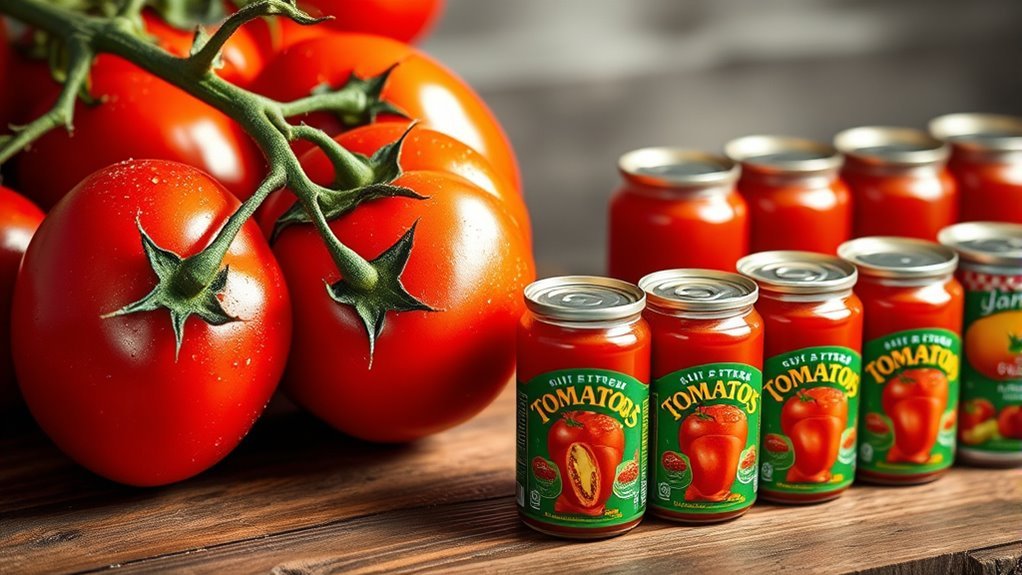
Fresh vs. Canned Tomatoes: A Simple Guide
Choosing between fresh and canned tomatoes? It’s more than just taste. Let’s break it down.
Fresh Tomatoes: Flavor and Texture
Fresh tomatoes bring a bright, vibrant flavor. Their crisp texture is perfect for salads, sandwiches, and fresh salsas. They’re a real highlight of summer.
Nutritionally, they’re best at peak ripeness. But their vitamin levels can drop off-season.
Canned Tomatoes: Convenience and Nutrition
Here’s a surprise: canned tomatoes often have more lycopene. That’s the antioxidant that gives tomatoes their red color. The canning process actually makes it easier for your body to use.
They’re also a kitchen workhorse. Canned tomatoes are shelf-stable, ready to use, and cheaper than fresh most of the year. No washing or chopping needed.
Cost and Convenience Compared
Fresh tomatoes can get pricey in winter, and the flavor often suffers. Canned tomatoes give you consistent quality and taste any month.
They’ll save you money and time on busy nights.
Which Should You Choose?
Think about your meal. Need that fresh, crisp bite for a caprese salad? Go fresh, but wait for them to be in season and ripe.
Making a pasta sauce, soup, or stew? Canned tomatoes are your best bet. You’ll get deeper flavor, more lycopene, and total convenience.
There’s no single winner. Keep both in your kitchen and use them for what they do best.
Which Nutrients Matter Most for Your Health
Choosing Between Fresh and Canned Tomatoes? Here’s What Really Matters
Picking between fresh or canned tomatoes at the store? The nutrition isn’t exactly the same. Knowing which key nutrients change can help you choose what’s best for your meals and health goals.
Key Nutrients in Tomatoes
Let’s break down what you’re getting from tomatoes.
Vitamin C: Fresh Usually Wins
Fresh tomatoes have more vitamin C. The canning process uses heat, which breaks some of this vitamin down. If you’re looking for a vitamin C boost, fresh is the better pick.
Lycopene: Canned Has an Edge****
Lycopene is the antioxidant that gives tomatoes their red color. Heat from canning actually makes it easier for your body to absorb. So for lycopene, canned tomatoes often come out ahead.
Fiber and Minerals: They’re About Equal****
The fiber, potassium, and other minerals in tomatoes hold up well during canning. You’ll get similar amounts from both fresh and canned versions. This isn’t an area where one form beats the other.
Which Should You Choose?
Your choice depends on your goal. Need more vitamin C or love the taste of a summer tomato? Go fresh. Cooking a sauce or soup and want maximum lycopene? Grab a can.
Both are good for you. Just pick the one that fits what you’re making and what you need.
Vitamin C Content Comparison
Vitamin C in Tomatoes: Fresh vs. Canned
Let’s talk vitamin C. It’s a big deal for your immune system and skin health. So when you’re cooking, does it matter if you use fresh or canned tomatoes? It can. But it’s not a simple choice.
Fresh Tomatoes Have More Vitamin C
Here are the numbers. Fresh tomatoes give you about 17 mg of vitamin C per 100 grams. The same amount of canned tomatoes has roughly 10 mg.
The heat from the canning process breaks down some of the vitamin C. That’s the main reason for the drop.
Why Canned Tomatoes Are Still a Great Choice
Don’t write off the canned stuff. They’ve real advantages.
Canned tomatoes are usually processed at their peak ripeness. That happens fast, right after picking.
A fresh tomato from the store may have traveled for weeks. It can lose nutrients along the way. So sometimes, a canned tomato can be more nutritious than a sad, off-season fresh one.
Your Practical Takeaway
If you’re aiming for the highest vitamin C hit, go fresh. Eat them raw in salads or as a snack.
But canned tomatoes are a kitchen hero. They’re convenient, tasty, and still add a solid amount of vitamin C to soups, sauces, and stews.
Using both is your best bet.
Lycopene Levels Explained
You hear a lot about vitamin C. But in tomatoes, lycopene is the real superstar.
It’s an antioxidant that fights free radicals and helps your heart. And you get much more of it from canned tomatoes than from fresh ones.
Here’s why: the heating process during canning breaks down the tomato’s cell walls. This makes the lycopene easier for your body to use.
Fresh vs. Canned: A Big Difference
Fresh tomatoes have about 3-4 mg of lycopene per 100 grams. Canned tomatoes pack in 10-12 mg for the same amount.
That jump in concentration matters. You’re getting a more powerful dose of this protective compound.
How to Get the Most Benefits
Your body absorbs lycopene best when you eat it with some fat. So cook those canned tomatoes with a bit of olive oil.
It’s a simple way to maximize the benefits.
Whether you’re focused on heart health or just overall wellness, lycopene is important. Don’t overlook this simple kitchen upgrade.
Fiber and Minerals Matter
Tomatoes: It’s Not Just About Lycopene
Lycopene gets all the attention. But tomatoes offer more than that.
Their fiber and minerals are quietly doing important work for your health.
Fiber & Minerals: The Unsung Heroes
Let’s look at what you get in a tomato, both fresh and canned.
| Nutrient | Fresh Tomatoes | Canned Tomatoes |
|---|---|---|
| Fiber | 1.5g per medium | 2.0g per cup |
| Potassium | 292mg per medium | 400mg per cup |
| Magnesium | 12mg per medium | 30mg per cup |
You’ll notice canned tomatoes often show higher numbers.
That’s because the canning process removes water. This concentrates the minerals.
Why These Nutrients Matter for You
Fiber is great for your digestion. You get it from both fresh and canned tomatoes, though canned packs a bit more per serving.
Potassium is a friend to your heart. It helps keep everything functioning smoothly.
Magnesium helps your muscles relax. It also plays a key role in creating energy.
These aren’t just minor details. They’re essential for your body to run well.
The Simple Takeaway
Don’t fixate on one nutrient. Whether you choose fresh or canned tomatoes, you’re getting a solid boost of fiber, potassium, and magnesium.
It’s an easy win for your overall health.
Why Canned Tomatoes Have More Lycopene
You might be surprised to learn this. Canned tomatoes often pack more lycopene than fresh ones.
It comes down to the canning process. Heat breaks down the tomato’s cell walls. That releases the lycopene inside and makes it easier for your body to absorb.
Fresh tomatoes skip this heat treatment. Their lycopene is harder to get to.
Ripe Timing Matters
Canned tomatoes are usually processed at peak ripeness. That’s when lycopene levels are highest.
Fresh tomatoes are often picked early so they can survive shipping. They haven’t developed their full antioxidant potential yet.
Stability in the Can
Lycopene holds up well in the acidic environment of canned tomatoes. Its potency stays strong during storage.
When you cook with canned tomatoes, you’re getting a big antioxidant boost. Your body can absorb that lycopene more effectively.
Fresh Tomatoes: Higher in Vitamin C
Fresh vs. Canned Tomatoes: The Vitamin C Winner
Let’s talk about vitamin C in tomatoes.
If you want more of it, choose fresh. The canning process uses heat, which breaks down this sensitive nutrient.
A medium fresh tomato gives you about 17 milligrams of vitamin C. A serving of canned tomatoes has closer to 5-10 milligrams.
Why Vitamin C Matters****
This vitamin does important work. It helps your immune system function and is key for making collagen.
It also acts as an antioxidant in your body.
So for a vitamin C boost, fresh tomatoes are the clear pick.
Don’t Skip Canned Tomatoes
But hold on—don’t write off the canned kind.
They still bring great stuff to the table. The canning process actually makes lycopene (a heart-healthy antioxidant) easier for your body to absorb.
Canned tomatoes are also a good source of potassium.
Your Best Move
You don’t have to pick just one.
Use fresh tomatoes in salads, sandwiches, and salsas where their bright flavor shines.
Use canned for sauces, soups, and stews.
This way, you get the best of both worlds: the vitamin C from fresh and the concentrated lycopene from canned.
It’s the easiest way to maximize your nutrition.
Sodium, Additives, and What to Watch For
Canned Tomatoes: More Sodium Than You Think
Grabbing a can of tomatoes? You might be getting a lot more sodium than with fresh ones.
It’s a real difference. And if you’re watching your salt, it matters.
Check Labels for Added Preservatives
You’ll want to scan that ingredient list. Look for names like calcium chloride or citric acid.
They’re common preservatives.
It’s not that they’re bad. You just need to know they’re there.
How to Pick the Right Can for You
Your best tool is the nutrition label. Check the “Sodium” line per serving.
Compare a few brands side-by-side. You’ll often find a big range.
Some products have 40% less sodium than others. It pays to look.
Making Your Informed Choice
Knowing this stuff helps you decide. Do you need the convenience of canned? Or do you have time for fresh?
There’s no single right answer. It depends on your health goals and your recipe.
Just check the label first. Then you can choose the tomato that works for you.
Sodium Content Comparison
The Real Difference in Sodium: Canned vs. Fresh Tomatoes
If you’re watching your salt, you need to know this about tomatoes.
Canned tomatoes usually have a lot more sodium than fresh ones. That’s because salt is often added to help preserve them.
Let’s look at the numbers. One cup of fresh tomatoes has about 12 mg of sodium. The same amount of canned tomatoes can have 300 to 400 mg.
That’s a big jump. It can really matter if you’re managing high blood pressure or heart health.
Check the Label—Brands Vary a Lot
Don’t assume all cans are the same. Sodium levels differ between brands.
Your best move is to read the nutrition label carefully. Look for terms like “low sodium” or “no salt added.”
These options can cut the sodium content way down. It’s an easy switch that makes a big difference.
How to Reduce Sodium in Canned Tomatoes
Love the convenience of canned tomatoes? You can still use them.
A simple trick is to give them a quick rinse in a colander under cool water. This can wash away up to 30% of the added sodium.
It’s a fast, effective step for everyday cooking.
Making the Right Choice for Your Diet
So, which should you choose? It depends on your goals.
Fresh tomatoes are a negligible sodium source. Canned versions can be a moderate part of your daily sodium intake.
For everyday use, just picking a no-salt-added can or rinsing regular ones puts you in control. You get the convenience without all the extra salt.
Common Additives and Preservatives
You know to watch the sodium. But there are other additives in the can worth a quick look.
Many brands use calcium chloride. It’s a firming agent that helps the tomatoes stay intact during cooking. It’s generally considered safe.
Citric acid is another common one. It acts as a preservative and can sharpen the flavor. The health risk here is minimal.
The can itself can be a concern. Some are lined with BPA, a chemical that can disrupt hormones. Thankfully, BPA-free cans are now easier to find.
What to Look for on the Label
Your best bet is to pick cans with the shortest ingredient list.
Look for labels that say “no added sugar.” The ideal list includes just tomatoes, tomato juice, salt, and maybe citric acid.
This way you get the nutritional benefits without the extra chemicals. It’s a simple rule that makes choosing easier.
Reading Labels Effectively
How to Read Food Labels Like a Pro
You already know about additives like calcium chloride and citric acid. So let’s talk about how to spot them fast.
Start With the Ingredient List
Ingredients are listed by weight. The first items make up the most of the product.
If you see sodium or salt near the top, take note. That’s your first clue.
Check the Nutrition Facts for Sodium
Find the “Sodium” line on the Nutrition Facts panel. The FDA suggests a limit of 2,300mg per day.
See how much one serving gives you.
Brands can be very different. Always compare a few to find the one with less sodium.
Watch Out for Vague Wording
Terms like “natural flavoring” or “spices” are common. They can hide specific additives.
Be a little skeptical when you see them.
Information on BPA is trickier. Labels don’t have to list it.
But many companies now put “BPA-free” right on the front of the can.
Don’t Miss the Serving Size
This is a big one. A can might look like a single portion, but it often holds two or more servings.
If you eat the whole thing, you’re getting double the sodium on the label.
It comes down to a quick scan. Check the order of ingredients, note the sodium count, and always look at the serving size.
You’ll make better choices in just a few seconds.
Absorption: Which Form Your Body Uses Better
When you eat tomatoes, your body’s ability to use their nutrients depends on their form. Canned tomatoes give you a better boost of lycopene, the strong antioxidant you want.
The heat from canning breaks down the tomato’s cell walls. This makes the lycopene easier for your body to grab during digestion.
Fresh tomatoes have lycopene too, but you’ll absorb less. The nutrient stays trapped inside the plant’s structure.
You can change that. Cooking fresh tomatoes at home does the same thing as canning. It noticeably increases how much lycopene you get.
Pair It With Fat for Best Results
Your body absorbs lycopene better when you eat it with some fat. Canned tomatoes often come with added oil, which helps naturally.
If you’re using fresh tomatoes, combine them with a healthy fat. Try olive oil or avocado. You’ll maximize the nutrients you take in.
Both Forms Are Good
Both fresh and canned tomatoes offer solid nutrition. Canned just has a clear absorption advantage.
When to Reach for Fresh Tomatoes
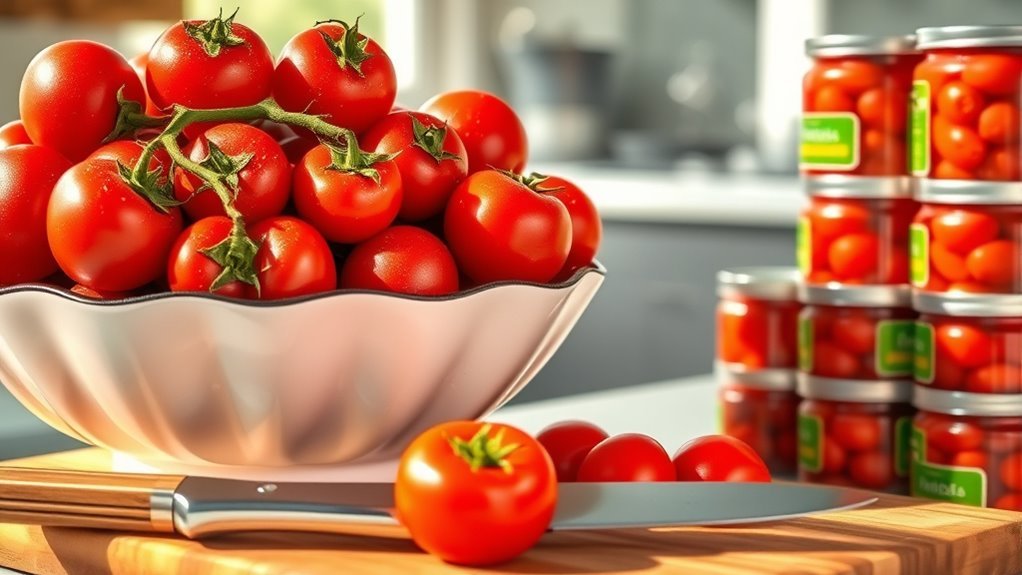
When to Grab Fresh Tomatoes
Sometimes, you just need a fresh tomato. You’ll want one when flavor and texture are your top priorities. They’re the whole-food choice, perfect for when you aren’t cooking.
Fresh vs. Canned: A Quick Guide
| When You’re Making… | Best Choice | Why It Works |
|---|---|---|
| Summer salads | Fresh | Crisp texture and bright flavor |
| A quick snack | Fresh | Peak freshness and taste |
| Farmers market finds | Fresh | Best local, seasonal quality |
| Raw salsa or bruschetta | Fresh | Great natural juiciness |
| A budget-friendly sauce | Canned | Costs less, available all year |
When Fresh Tomatoes Really Shine
Think about dishes where looks and a fresh bite matter. That’s where fresh tomatoes excel.
Perfect for No-Cook Recipes
You’ll want fresh tomatoes for gazpacho, caprese salad, or as a garnish. Their higher water content and delicate structure don’t hold up well to heat. They’re meant to be enjoyed raw.
The Taste You Can’t Beat
A ripe, fresh tomato offers a special experience. You get that juicy burst, tender flesh, and complex flavor that only happens at peak ripeness. It’s about the sensory joy.
The Simple Takeaway
Keep canned tomatoes for cooked sauces and soups. But when your recipe is raw or you want that perfect fresh taste, reach for the real thing. It’s the best tool for the job.
When to Reach for Canned Tomatoes
Why You Should Always Have Canned Tomatoes****
Fresh tomatoes in winter can be pricey and bland. That’s when your canned tomatoes shine.
They let you cook affordable, healthy meals any time of year. The tomatoes are canned at their peak, so you’re locking in that good flavor and nutrition.
They’re Your Winter Kitchen Hero****
Out-of-season fresh tomatoes often cost more and lack taste. Canned tomatoes solve that problem.
You get a consistent, reliable product every time. Open a can in January, and you’ve got summer-ripe tomatoes ready to go.
Nutritious, Convenient, and Budget-Friendly
Don’t think canned means less healthy. Because they’re processed right after picking, they keep their vitamins and lycopene.
That’s a helpful antioxidant.
They’re a kitchen staple for a reason. You can make a pasta sauce, soup, or stew quickly without breaking the bank. Your recipes will taste great year-round.
How to Choose the Best Can
Look for whole peeled tomatoes in juice. They often have the best flavor and texture.
You can crush them with your hands right in the pot.
Check the label for just tomatoes and maybe citric acid. Avoid cans with lots of extra additives.
The Simple Takeaway
Keep a few cans in your pantry. They’re your shortcut to flavorful, nutritious meals when fresh tomatoes just aren’t an option.
Winter Storage and Availability
The Problem with Winter Tomatoes
Fresh tomato season is short. When winter comes, local tomatoes vanish. This is especially true in colder climates.
So what do you do when a recipe calls for tomatoes?
Why Canned Tomatoes Save the Day
Canned tomatoes are your reliable, year-round solution. They’re picked at their ripest and canned right away.
This locks in their flavor and nutrition without long trips in trucks or artificial ripening.
You get real tomato taste, even in February.
They’re Incredibly Convenient
Think about the prep work for fresh tomatoes. Washing, chopping, seeding—it takes time. Canned tomatoes skip all that.
They’re ready to go straight into your pot for soups, sauces, and stews.
Dinner comes together faster.
A Budget-Friendly Pantry Staple
Buying fresh tomatoes flown in from far away during winter gets expensive. Canned tomatoes are a much more affordable option.
They give you great flavor without the high price tag.
You save money without sacrificing quality.
The Easiest Storage Ever
Your pantry is the perfect place for them. Canned tomatoes last for years.
Just make sure the cans are in good shape.
You’ll always have a solid base for recipes on hand. No more last-minute grocery runs.
Your Winter Kitchen Workhorse
When fresh tomatoes are just a memory, reach for a can. They deliver consistent flavor, nutrition, and value.
They make winter cooking simpler and more delicious.
Keep a few cans stocked. You’ll be glad you did.
Cost-Effective Meal Preparation
Canned Tomatoes: Your Budget Kitchen Hero****
Let’s talk about a pantry staple that saves money and time. Canned tomatoes are a secret weapon for affordable cooking.
They cost a lot less than fresh tomatoes, especially when they’re out of season. That’s an easy win for your grocery budget.
Why Canned Tomatoes Save You Money
The price is the biggest perk. You simply get more for your money.
Lower Cost Per Serving
Canned tomatoes are cheaper than fresh, week after week. This makes a real difference in your total food bill.
No Waste, No Fuss
They last for years in your pantry. You won’t throw away spoiled tomatoes. The canning process means no peeling or chopping is needed.
Perfect for Batch Cooking
Buy them in bulk for even better savings. Their ready-to-use consistency is ideal for busy nights.
Best Uses for Canned Tomatoes
Use them anywhere flavor is more important than a firm texture. They work perfectly in soups, stews, sauces, and casseroles.
A Smart Choice for Meal Planning****
When you’re watching your budget, canned tomatoes deliver. You get nutrition, rich flavor, and real convenience without overspending.
Keep a few cans in your pantry. They make cooking affordable meals much simpler.
Consistent Quality Year-Round
Consistent Quality, No Matter the Season
Canned tomatoes deliver the same great flavor every single time. It doesn’t matter if it’s January or July. The canning process captures them at their peak ripeness, so seasonal changes never affect your cooking.
Fresh tomatoes are a different story. Their taste and texture change all year long. It depends on how they were grown and how far they’d to travel to your store.
Guaranteed Texture and Flavor for Cooking
When you use canned tomatoes, you get a uniform texture and a concentrated taste. They work perfectly in your sauces, soups, and stews. You won’t face the letdown of bland or mushy fresh tomatoes out of season.
This reliability makes dinner planning so much easier. Your recipes will turn out consistently delicious. It works every time, regardless of the month or what’s available at the market.
Simplify Your Meal Planning
That consistency is a real win in the kitchen. You can always count on canned tomatoes to perform. It takes the guesswork out of cooking and helps you make dependable meals year-round.
How to Stock Your Pantry for Every Recipe
The Tomato Toolkit: What to Keep on Hand
Want to feel ready for any recipe? Get your tomato lineup right. You need both fresh and canned.
Stock These Canned Tomato Basics
Whole canned tomatoes are your go-to for sauces and soups.
Diced canned tomatoes save time. Use them for quick dinners.
A little tomato paste adds deep flavor to stews and sauces.
Crushed tomatoes give you a smooth texture right from the can.
Use Fresh Tomatoes for Brightness
Keep fresh tomatoes for salads and summer dishes. They’re perfect when in season.
With these stocked, you can tackle most recipes that call for tomatoes.
Fresh vs. Canned: Making Your Final Choice
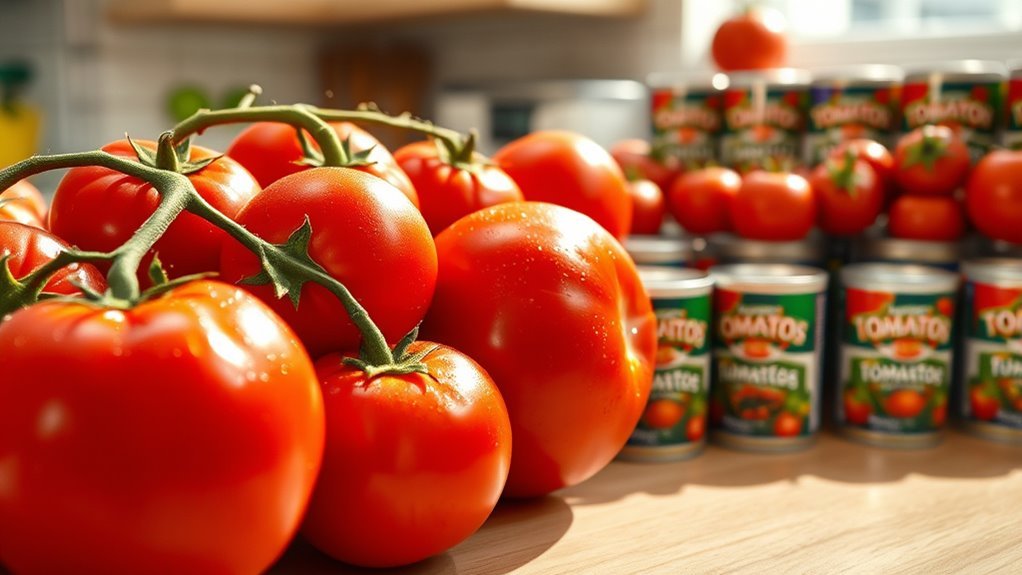
Fresh vs. Canned Tomatoes: Your Final Choice
You have both in your pantry. So when do you use each?
Pick Fresh for Flavor and Texture****
Use fresh tomatoes in summer salads or fresh salsa. They’re perfect when you can taste their natural sweetness. This works best when tomatoes are in season and perfectly ripe.
Choose Canned for Cooking and Convenience
Reach for canned tomatoes in winter. Use them for cooked sauces, soups, or stews. They’re affordable all year. Cooking breaks down the tomato anyway, so canned works great here.
Why Canned Tomatoes Have a Benefit
Processing actually increases lycopene levels in canned tomatoes. Lycopene is a healthy antioxidant.
Think About Your Recipe First
Your decision should start with the recipe. Don’t just think about nutrition. Both types deserve a spot in your kitchen.
Use fresh tomatoes when flavor is everything. Use canned when you need convenience and a consistent result.
Keep It Simple
That’s really all there’s to it. Use what makes sense for your meal, and you’ll get great results every time.
Frequently Asked Questions
Can I Substitute Canned Tomatoes for Fresh in Salads or Raw Dishes?
Can I Substitute Canned Tomatoes for Fresh in Salads?
No, you really can’t.
Canned tomatoes have already been cooked during the canning process. They’re soft and have a stewed flavor. That cooked taste and texture just don’t work in a raw dish.
You’ll end up with a mushy salad and a flavor that’s more suited to soup.
Why Fresh Tomatoes Work Best Raw
For salads and fresh salsa, you need tomatoes that are firm and bright.
Fresh tomatoes give you a crisp bite and that clean, acidic spark. Their texture holds up next to other ingredients like cucumbers or onions. Canned ones will just fall apart.
When to Use Canned Tomatoes
Canned tomatoes are fantastic for cooked dishes.
Use them in sauces, soups, and stews. Their soft texture blends right in, and their deeper flavor builds a great base. Keep them in your pantry for those recipes.
The Simple Takeaway
Save canned tomatoes for your cooking. Grab fresh ones for anything you’re eating raw. It’s the easiest way to get the best result from both.
Do Canned Tomatoes Lose Nutritional Value During the Canning Process?
Do Canned Tomatoes Lose Nutrients?
You might think fresh is always best. But with tomatoes, canning is different.
The canning process doesn’t ruin their nutrition. In many ways, it helps.
Heat Makes Nutrients Easier to Use
Canning uses heat. This heat breaks down the tomato’s tough cell walls.
That means your body can absorb the good stuff more easily. Nutrients like lycopene become more bioavailable.
Canned Tomatoes Have Concentrated Benefits
The cooking process actually concentrates certain antioxidants. Lycopene is a big one.
Lycopene is linked to several health benefits. You often get more of it from canned tomatoes than fresh.
A Practical Kitchen Staple
So, no, you’re not losing out. Canned tomatoes are a nutritious, reliable option.
They’re packed at peak freshness. They save you time and work in the kitchen.
Feel good about grabbing that can. It’s a smart choice for your cooking and your health.
Are Organic Canned Tomatoes Significantly Better Than Conventional Options?
Organic vs. Conventional Canned Tomatoes: What You Really Need to Know
Let’s clear something up about canned tomatoes.
You might think organic ones are a nutritional powerhouse. But the truth is simpler. When it comes to core nutrients like lycopene, they’re pretty much the same as conventional.
The canning process locks in those benefits for both types.
Why You Might Choose Organic
Your main reason to buy organic is about pesticides.
Organic farming rules limit synthetic pesticide use. Some folks want to reduce their exposure to those residues. It’s a personal choice based on your comfort level.
It’s not a safety panic—conventional options are within legal limits. But it’s a valid concern for many.
The Budget Factor
Here’s the catch: organic usually costs more.
That price difference can add up, especially if you use a lot of canned tomatoes. Your grocery budget is a real part of this decision.
The Simple Bottom Line
Don’t buy organic for a big nutrition boost. You won’t get one.
Buy organic if avoiding pesticide residues is important to you and your budget allows it. Otherwise, conventional canned tomatoes are a perfectly solid, nutritious choice for your cooking.
Pick the can that makes sense for your kitchen and your wallet. Then get cooking.
How Long Do Fresh and Canned Tomatoes Stay Fresh After Opening?
How Long Do Tomatoes Last After Opening?
You’ve got fresh tomatoes on the counter and an open can in the fridge. How long do you actually have to use them? Let’s cut through the confusion.
Fresh Tomatoes: Store Them Right
Once you cut into a fresh tomato, its shelf life shortens. You’ll want to use it soon.
Pop any leftover slices or wedges into your fridge’s crisper drawer. They’ll stay good there for about three to five days. Just keep them in a container or wrapped up.
Opened Canned Tomatoes: A Quick Switch
An open can in the fridge is a bad idea. The metal can transfer a tinny taste.
Your move is simple: transfer the tomatoes and their juice into an airtight container. Do this right after opening. Stored like this, they’ll last another three to five days in the fridge.
Make Them Last
A good rule of thumb? Label your container with the date you opened it. That way, you won’t have to guess.
Use them up in a pasta sauce, soup, or stew. If you know you won’t use them in time, freeze them for later.
Now you know. No more guessing games with that half-used can or leftover fresh tomato.
Which Form Is More Cost-Effective for Budget-Conscious Households Year-Round?
Canned Tomatoes: The Budget-Friendly Choice for Every Season
If you’re watching your grocery spending, canned tomatoes are a year-round win. They simply cost less.
You also avoid the water weight of fresh tomatoes. That means more tomato for your money.
They last for ages in your pantry too. No more rushing to use them before they spoil.
Why Canned Tomatoes Save You Money
The price is the biggest factor. Fresh tomatoes can get expensive, especially out of season. Canned prices stay pretty steady.
Since they’re preserved at peak freshness, you get consistent quality. You’re not paying a premium for off-season produce that often lacks flavor.
Practical Benefits Beyond the Price Tag
That long shelf life is a major perk. A dented can in the back of the cupboard is still fine months later. You reduce food waste instantly.
They’re already peeled and ready for sauces, soups, and stews. This saves you prep time in the kitchen after a long day.
Making the Most of Canned Tomatoes
Keep a few cans on hand for quick meals. They form the base for countless dinners like chili, pasta sauce, or shakshuka.
Remember to check for added salt if you’re managing sodium. You can always adjust other seasonings.
The Bottom Line for Your Kitchen
For your regular cooking budget, canned tomatoes are the reliable, cost-effective pick. You get flavor and convenience without the high cost or risk of waste.
Stock up next time you shop. Your wallet—and your weeknight dinners—will thank you.