
Tomatoes and Oral Health: Teeth, Gums, and Enamel
What you eat affects your teeth and gums. Tomatoes supply vitamin C, which your gums need to stay healthy, along with beta-carotene and the antioxidant lycopene. They are also mildly acidic, so how you eat them matters for dental enamel. This guide covers what tomatoes can offer your teeth, gums, and enamel, what the evidence does not show, and how to enjoy them without adding to enamel erosion.
Tomatoes are not a treatment for gum disease or tooth decay. Brushing twice a day with fluoride toothpaste, cleaning between your teeth, and regular dental check-ups remain the foundation of oral health.
At a Glance
- Foundational Support: Tomatoes provide essential vitamin C and vitamin A, which are critical for collagen synthesis and mucous membrane maintenance.
- Antioxidant Defence: Tomatoes are rich in lycopene, an antioxidant, but there is no good evidence in people that it protects enamel or stops plaque bacteria.
- Acidity Management: While beneficial, the natural pH of tomatoes means they are best eaten as part of a meal, which the American Dental Association recommends for acidic foods.
- Synergistic Nutrition: Pairing tomatoes with calcium-rich foods such as cheese or yoghurt adds minerals that support teeth and the bones of the jaw.
- Long-term Outcomes: Tomatoes can be part of a balanced diet that supports oral health, but good oral hygiene is what prevents gingivitis and decay.
The Biochemistry of Tomatoes in Oral Wellness
To understand how tomatoes benefit the mouth, one must categorise their primary active compounds. These nutrients do not merely provide energy; they function as structural building blocks and protective agents for the oral cavity.
Lycopene and Enamel Integrity
The most prominent entity in the tomato’s nutritional profile is lycopene. Lycopene is a carotenoid and antioxidant. It neutralises free radicals, unstable molecules that can contribute to inflammation and tissue breakdown, and it is being studied in gum health. There is no evidence that it forms a protective barrier on dental enamel.
Claims that lycopene stops Streptococcus mutans, a major bacterium involved in tooth decay, from sticking to teeth are not supported by studies in people, so eating tomatoes should not be relied on to prevent cavities.
Essential Vitamins for Periodontal Health
The health of the gums, or gingival tissue, is largely dependent on the body’s ability to produce collagen. Tomatoes are a good source of vitamin C (ascorbic acid), about 17 mg in a medium tomato according to USDA data, and the body needs vitamin C to make collagen.
Collagen helps keep gums firm around the teeth, and severe vitamin C deficiency (scurvy) causes swollen, bleeding gums. Getting enough vitamin C supports gum health, but it does not replace brushing and flossing in preventing periodontal disease. Tomatoes also provide beta-carotene, which the body converts to vitamin A, a nutrient needed for healthy mucous membranes, including the lining of the mouth.
Nutritional Profile for Oral Defence
| Nutrient | Physiological Function | Oral Health Benefit |
|---|---|---|
| Lycopene | Antioxidant neutralisation | May support gum tissue; no proven effect on enamel |
| Vitamin C | Collagen synthesis | Supports healthy gum tissue |
| Vitamin A | Mucosal maintenance | Supports a healthy mouth lining |
| Potassium | Mineral balance | Supports overall mineral and fluid balance |
Addressing the Acidity Challenge
Tomatoes are naturally acidic. Fresh tomatoes typically have a pH of about 4.3 to 4.9, according to FDA food pH data. In the context of oral health, frequent exposure to acidic environments can lead to dental erosion, a process where the mineralised surface of the tooth is chemically dissolved.
https://www.youtube.com/watch?v=fLat2Im_R84
Strategic Buffering Techniques
The impact of acidity can be mitigated through “dietary buffering.” The American Dental Association suggests eating acidic foods such as tomatoes as part of a meal rather than on their own, which limits their effect on enamel.

- Dairy Integration: Pairing tomatoes with cheese or yoghurt introduces calcium and phosphorus. These foods can help neutralise acids and support remineralisation, the process of restoring minerals to the enamel.
- Rinsing Protocols: Rinsing the mouth with water after eating tomato-based foods helps wash away acids.
- Brushing Latency: The ADA’s MouthHealthy site recommends waiting about an hour after eating acidic foods before brushing. Brushing straight away can wear enamel that has been temporarily softened by the acid.
Enhanced Dietary Synergies
Tomatoes work best as part of a varied diet. This “whole-diet” approach supplies the broad range of minerals and vitamins that teeth and gums need.
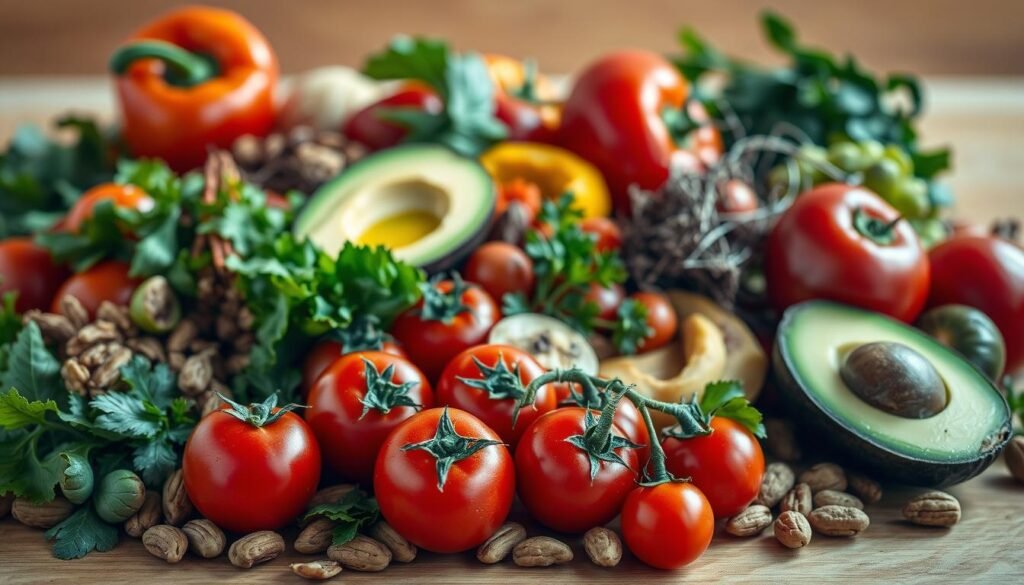
- Leafy Greens: Spinach and kale provide folate and vitamin K, which, along with the vitamin C in tomatoes, support normal tissue repair and bone health.
- Seafood: Fatty fish rich in Omega-3 fatty acids have anti-inflammatory properties and are being studied for their possible role in gum health.
- Fibrous Vegetables: Celery and carrots need lots of chewing, which stimulates saliva flow; saliva helps wash away acids, though these foods do not replace brushing.
Factors to Avoid
For healthy teeth, limit sugary foods and drinks. Sugars feed the mouth bacteria that produce acid and cause tooth decay. Frequent snacking on foods that are both sugary and acidic, such as sugary drinks or sweetened tomato ketchup, adds to the risk of enamel demineralisation.
People Also Ask
Q: How do tomatoes help strengthen dental enamel? A: There is no good evidence that tomatoes strengthen enamel. They provide lycopene and vitamin C, which support gum tissue and overall health, but fluoride toothpaste and limiting sugar are what protect enamel. Because tomatoes are acidic, eat them with meals.
Q: Can the acidity in tomatoes cause tooth sensitivity? A: If consumed excessively without buffering, the acid can lead to enamel thinning. This exposes the underlying dentine, resulting in sensitivity. Pairing tomatoes with dairy or rinsing with water mitigates this risk.
Q: Is cooked or raw tomato better for gum health? A: While raw tomatoes provide higher levels of vitamin C, cooking tomatoes actually increases the bioavailability of lycopene. Eating both forms is a sensible way to get both nutrients.
Q: What is the best way to eat tomatoes to avoid acid damage? A: Consuming them during a main meal and pairing them with foods like cheese, then rinsing with water, are simple ways to limit acid contact with your teeth and protect the oral cavity.
Q: Does tomato juice have the same benefits as whole tomatoes? A: Tomato juice contains the same nutrients but often has a higher acidic impact and may contain added sodium or sugars. Whole tomatoes are generally preferred for the added benefit of dietary fibre.
If you have tooth sensitivity, bleeding gums, or signs of enamel wear, see your dentist. Related reading: tomatoes for strong bones.